Yozakura
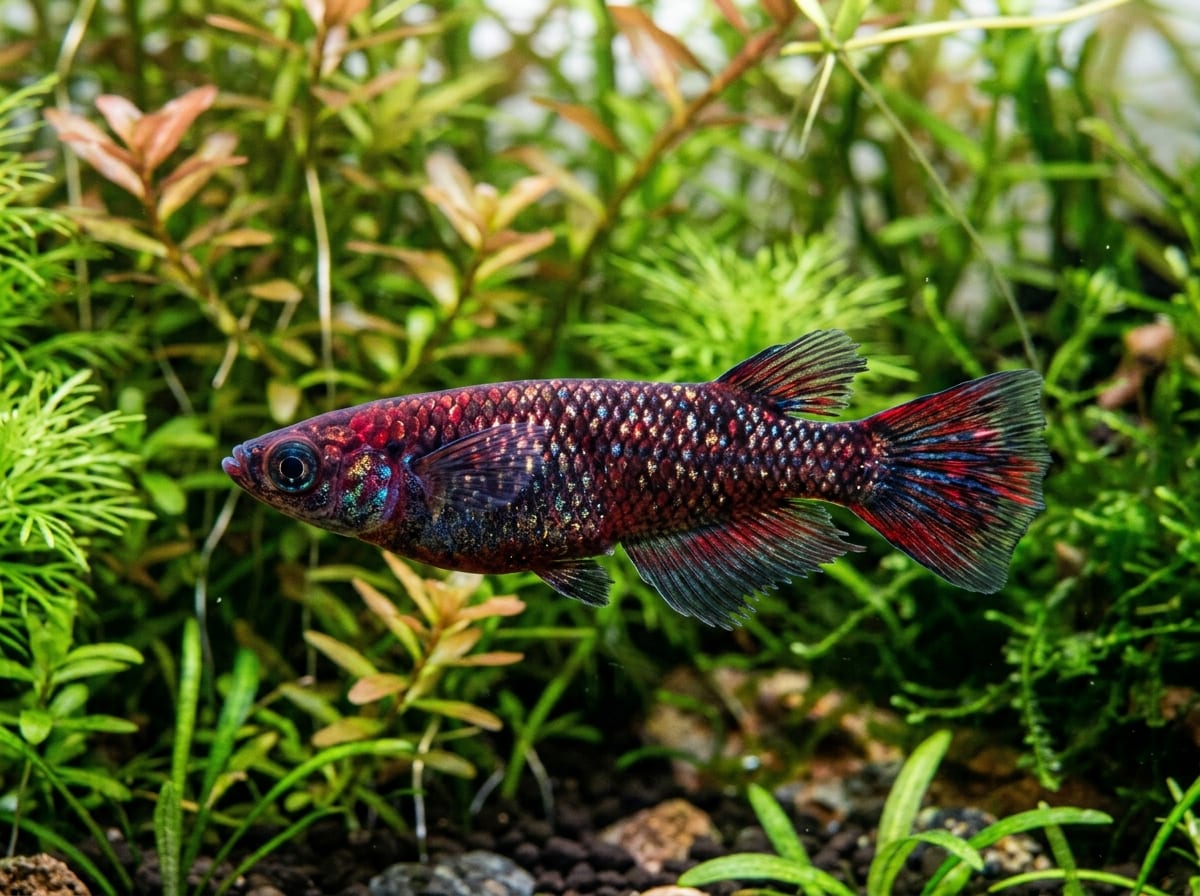
Yozakura medaka is a captivating variety featuring dark body coloration adorned with pink and gold lamine flecks, evoking the image of cherry blossoms against a night sky. Many individuals display a combination of external light reflections and tri-color patterning that shifts beautifully depending on the light angle. Hardy and relatively easy to keep, this variety appeals to beginners and experienced hobbyists alike.
- Price Range
- ¥4,000〜¥4,000
0% commission on your first sales!Register by September 30, 2026 and your first 2 sales are commission-free!
Breeder Wanted!
List on BreederDirect and sell directly to customers nationwide!
9 Transparency Commitments from Br-Choku
Each Medaka listing includes the following from Breeder. Full transparency on color variations (Yokihi/Miyuki/Lame) and lineage guaranteed.
- Variety Name
- Lineage
- Actual Photos
- Color Classification
- Body Type
- Scale Type
- Size
- Origin
- Age/Generation
Browse all 20 breeds
Color
Scale Type
Verified breeders wanted for Medaka
Breeders are signing up now ahead of launch. Subscribe to be notified when new listings go live.
Getting alerts is free with a member account. When new listings match your saved search, we'll notify you by email and in-app.
Browse other categories
Verified breeders (preview)

About Yozakura
Yozakura medaka is a relatively modern variety developed by crossing established selectively bred lines such as "Miyuki" and tricolor body-outer light strains. Its deep black body is scattered with cherry-pink, gold, and white lame, overlaid with body-outer light that gleams along the edges of the body, causing its appearance to shift subtly with every change of angle or lighting. This ethereal quality reminded breeders of cherry blossoms floating against a night sky, giving the variety its evocative name. Because lame density, distribution, and the reach of the body-outer light differ from fish to fish, no two individuals are identical even within the same lineage—a quality that fascinates collectors. Despite its striking looks, Yozakura is hardy and easy to keep, requiring no more care than standard medaka varieties, and thrives in everything from outdoor biotopes to indoor aquariums. Paired with a dark substrate or container, its lame reaches peak visual impact, making it a popular choice as living decor.
Featured breeders for Yozakura
See all Yozakura breeders (2) →7 things to know before welcoming a Yozakura
1Lamine Varies with Temperature
The lamine sparkle of Yozakura can shift in intensity depending on water temperature and tank conditions. Keeping water between 18–26°C helps stabilize coloration, while overly cold water may cause the lamine to appear dull. Check water temperature regularly during seasonal changes.
2Black Containers Enhance Color
Yozakura's coloration stands out most vividly when kept in black or dark-colored containers, which enhance the contrast of lamine and pink hues. Transparent or white containers often make the colors appear washed out. Black mortar tubs or dark-glazed pottery bowls are popular choices for display.
3Suitable for Indoor and Outdoor Keeping
Yozakura adapts well to both outdoor biotope setups and indoor aquariums. Sunlight brings out the full brilliance of the lamine in outdoor settings, while LED lighting can highlight the external body reflections indoors. In either environment, maintaining good water quality is key to keeping fish healthy.
4High Variation Between Individuals
Yozakura individuals vary considerably in lamine density, pink coloration, and the expression of external light patterns. Part of the fun is selecting fish that match your personal aesthetic. Even offspring from the same parents can differ widely in markings, which is why many enthusiasts enjoy the process of selective breeding across generations.
5Best Bred in Spring and Summer
Yozakura breeds best when water temperature exceeds 20°C and daylight exposure reaches around 13 hours or more, making spring and early summer the prime season. Females can spawn daily during this period. Since eggs may be eaten by adults, using spawning mops or aquatic plants and moving eggs to a separate container will improve hatching rates.
6Fry Require Careful Raising
Yozakura fry are small and sensitive to water quality changes and strong currents. Use gentle aeration and feed specialized fry food or finely crushed flakes to improve survival rates after hatching. Keep fry in a separate container until they reach about 1 cm in length, as adults may eat them if housed together.
7Price Reflects Quality Variation
Yozakura's popularity has increased availability, with prices ranging from a few hundred to several thousand yen depending on lamine density, external light strength, and overall pattern quality. It is important to understand what you are paying for before purchasing. Buying directly from breeders often provides access to pedigree-tracked or selectively bred individuals for those prioritizing quality.
Frequently asked questions about Yozakura
- Q.Can beginners keep Yozakura medaka?
- A.Yes, Yozakura medaka are hardy and adaptable, making them suitable for beginners once a basic setup is in place. Regular water changes and proper feeding are all that is needed—no specialized equipment or advanced techniques are required.
- Q.Will low-lame fish produce more lame in offspring?
- A.Lame quantity is largely genetic, so breeding two low-lame individuals is unlikely to produce offspring with abundant lame. Selecting fish with stronger lame expression for breeding tends to improve the next generation's lame density. Diet and environment can influence appearance to some extent, but genetics play the dominant role.
- Q.Can they overwinter in an outdoor biotope?
- A.In most parts of Japan, Yozakura medaka can overwinter outdoors without difficulty. In regions where the water surface may freeze solid, moving them indoors is advisable. During winter, feed minimally or not at all, and keep water changes to a minimum.
- Q.Do I need a black container to enjoy them?
- A.A black container or dark substrate brings out the greatest contrast for the lame and body-outer light, but it is not mandatory. Clear or white containers work fine for keeping them, though the lame may appear less vivid by comparison. If showcasing the lame is a priority, a dark setup is strongly recommended.
- Q.Any tips for breeding Yozakura medaka?
- A.Spring through summer, when water temperatures exceed 18°C, is the main breeding season. A spawning mop or commercial spawning bed makes egg collection easy. Transfer eggs to a separate container before the adults can eat them and maintain around 25°C; they should hatch in approximately 10 days. Feed fry with powdered food formulated for small fish, as their mouths are very small.
Useful tools for Yozakura care
Yozakura related articles
See more Yozakura articles →More in this category
Can't find the one you're looking for?
Post your wishes for free and breeders with matching animals will contact you with introductions.