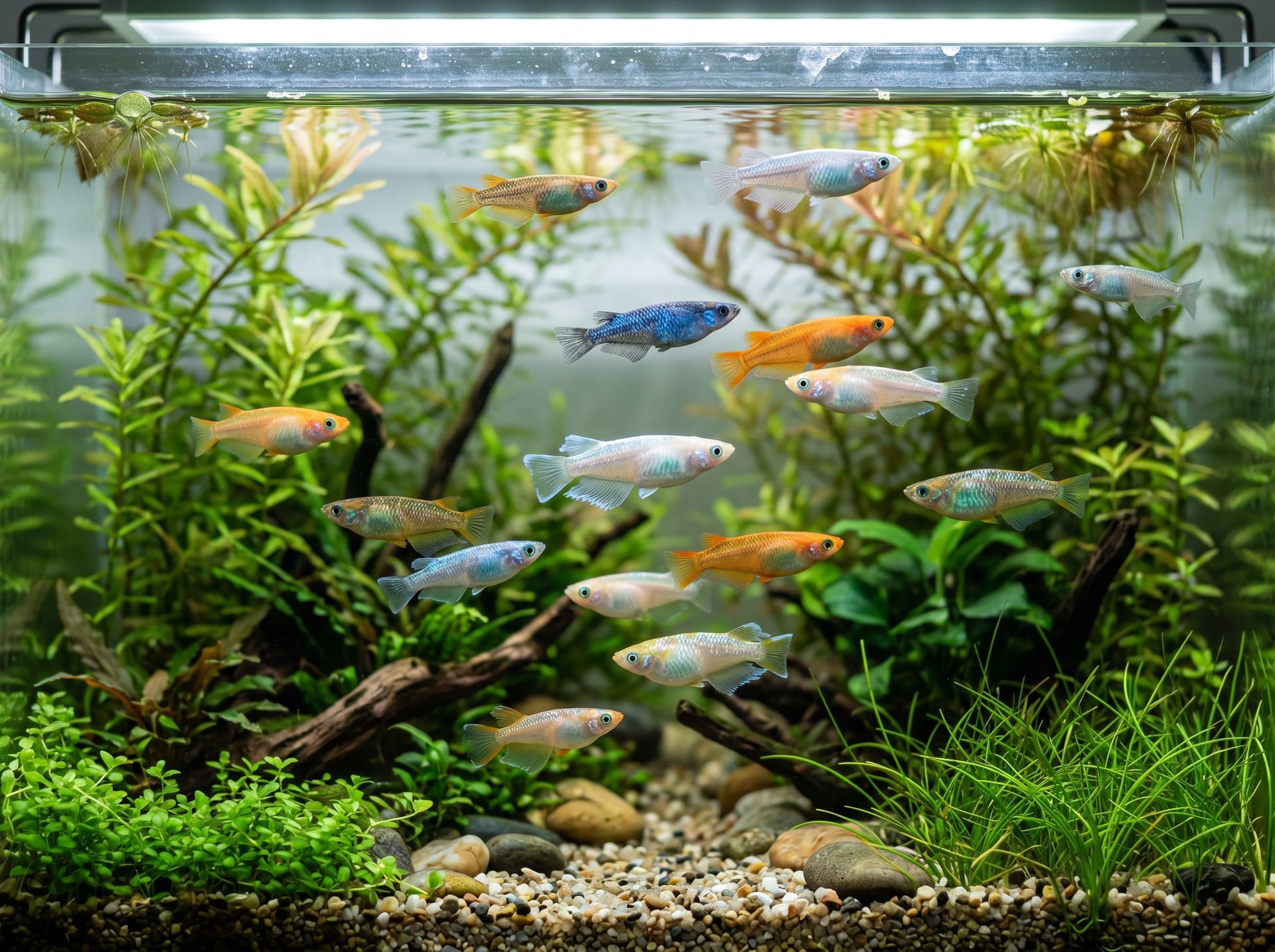
Other Medaka
The "Other Medaka" category encompasses medaka that don't fall neatly into established varieties such as Miyuki, Yoihi, or Tricolor. Many are transitional or regionally unique strains with one-of-a-kind appeal. They suit everyone from casual beginners to collectors who enjoy the thrill of unexpected variation.
0% commission on your first sales!Register by September 30, 2026 and your first 2 sales are commission-free!
Breeder Wanted!
List on BreederDirect and sell directly to customers nationwide!
9 Transparency Commitments from Br-Choku
Each Medaka listing includes the following from Breeder. Full transparency on color variations (Yokihi/Miyuki/Lame) and lineage guaranteed.
- Variety Name
- Lineage
- Actual Photos
- Color Classification
- Body Type
- Scale Type
- Size
- Origin
- Age/Generation
Browse all 20 breeds
Color
Scale Type
Verified breeders wanted for Medaka
Breeders are signing up now ahead of launch. Subscribe to be notified when new listings go live.
Getting alerts is free with a member account. When new listings match your saved search, we'll notify you by email and in-app.
Browse other categories
Verified breeders (preview)

About Other Medaka
"Other Medaka" represents the rich diversity born from decades of selective breeding carried out across Japan. This category gathers individuals that fall outside established varieties such as Miyukiメダカ, Yōkihi, and Tricolor, each with its own story rooted in regional crossbreeding trials or mid-development lineages. Appearances vary widely—body colors range from white, black, and orange to metallic blue, while fin shapes and body proportions differ from fish to fish. Temperament mirrors that of medaka in general: peaceful, schooling fish that are a pleasure to watch. Medaka as a species are hardy and adaptable to a wide range of temperatures, making them manageable even in small containers. The greatest appeal of this category lies in the one-of-a-kind quality of each fish and the delightful unpredictability of what offspring may look like—an experience no fixed variety can quite replicate.
Featured breeders for Other Medaka
See all Other Medaka breeders (2) →7 things to know before welcoming a Other Medaka
1Understanding Variety
This category includes a wide mix of strains and transitional breeds rather than one fixed variety. Before buying, ask the breeder about the parent fish and lineage to get a clearer idea of how the fish may look when fully grown. Embracing individual variation is part of the appeal.
2Choosing a Container
Larger water volumes stabilize water quality, so containers of 10 liters or more are recommended for beginners. Lotus bowls or planters work well outdoors; aquariums suit indoor setups. No special equipment is needed, but aim for at least 1 liter of water per fish to avoid overcrowding and poor water quality.
3Temperature and Light
Medaka thrive between 15–30°C; temperatures above 35°C or sudden swings can cause health issues. For outdoor setups, provide shade during peak summer heat. Aim for 8–12 hours of light per day, as photoperiod affects breeding activity and overall vitality.
4Feeding and Frequency
Feed a commercial medaka food once or twice daily in amounts they can finish within 2–3 minutes. Remove any leftovers to prevent water quality decline. In winter, metabolism slows significantly, so reduce feeding frequency or stop altogether until temperatures rise again.
5Compatible Tankmates
Medaka are peaceful and can share a tank with other medaka of similar size, small snails (Hime Tanishi, Nerite), or Neocaridina shrimp. Avoid housing them with larger or aggressive fish that may prey on or bully them. Since this category mixes strains, be aware that unintended crossbreeding may occur.
6Breeding and Egg Care
Medaka breed readily when water temperature and photoperiod are appropriate. Eggs attached to plants or spawning mops should be moved to a separate container, as adults may eat them. Because this category contains mixed strains, fry may display unexpected colors or body shapes as they develop.
7Health Check at Purchase
When buying, look for fish that swim steadily without listing, and check that the body shows no white spots, redness, or sores. Avoid fish with fraying or dissolving fins, which may indicate disease. Since this category comes from diverse sources, purchase from a trusted seller and consider a brief quarantine or salt-water treatment before introducing them to your main tank.
Frequently asked questions about Other Medaka
- Q.Can beginners keep "Other Medaka"?
- A.Yes, medaka in general are hardy and beginner-friendly, and "Other Medaka" are no exception. That said, lineages vary between individuals, so it's a good idea to ask the breeder about any care specifics at the time of purchase.
- Q.What type of container is recommended?
- A.Both outdoor tubs and indoor glass or acrylic aquariums work well. Aim for at least 1 liter of water per fish, and use a lid or mesh cover to prevent jumping.
- Q.Can they be kept with other fish or animals?
- A.They coexist well with same-sized medaka and small creatures like Yamato or cherry shrimp and snails. Avoid housing them with larger fish such as goldfish or loaches, which may prey on them.
- Q.Should I let them breed?
- A.Breeding is optional, but because "Other Medaka" have diverse lineages, offspring can display surprising traits quite different from the parents. Consider how you'll manage population growth beforehand, and breed at a scale you can comfortably maintain.
Useful tools for Other Medaka care
More in this category
Can't find the one you're looking for?
Post your wishes for free and breeders with matching animals will contact you with introductions.