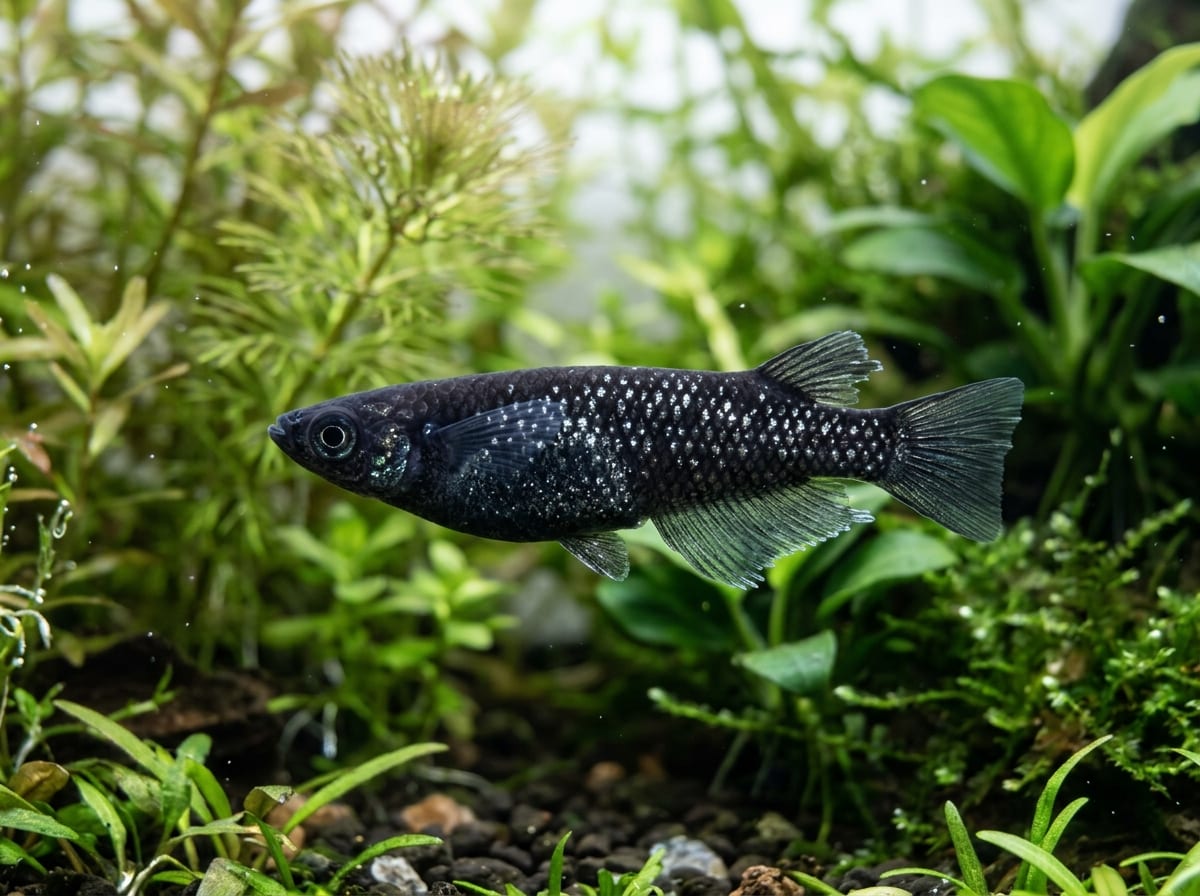
Black Lame
A mystical medaka with glittering lame on a black body, like stars in the night sky.
View Black Lame encyclopedia →- Price Range
- ¥4,000〜¥4,000
0% commission on your first sales!Register by September 30, 2026 and your first 2 sales are commission-free!
Breeder Wanted!
List on BreederDirect and sell directly to customers nationwide!
9 Transparency Commitments from Br-Choku
Each Medaka listing includes the following from Breeder. Full transparency on color variations (Yokihi/Miyuki/Lame) and lineage guaranteed.
- Variety Name
- Lineage
- Actual Photos
- Color Classification
- Body Type
- Scale Type
- Size
- Origin
- Age/Generation
Browse all 20 breeds
Color
Scale Type
Verified breeders wanted for Medaka
Breeders are signing up now ahead of launch. Subscribe to be notified when new listings go live.
Getting alerts is free with a member account. When new listings match your saved search, we'll notify you by email and in-app.
Browse other categories
Verified breeders (preview)
Black Lame key facts
- Care level
- Intermediate
- Lifespan
- 2-3 years
- Size
- 3-4cm
- Diet
- Medaka food, daphnia
- Color
- Lame on black
- Container
- Black container recommended
- Water Quality
- Keep water clean
- Sunlight
- Moderate sunlight
About Black Lame
Kuro Rame is an ornamental medaka variety developed through selective breeding in Japan, derived from the broader lame medaka lineage. Its most defining feature is the presence of lame scales — highly reflective scales scattered across the entire body — which create a brilliant, shimmering effect that shifts with the angle of light. The contrast between this luminous sparkle and the deep black body color is especially vivid, reminiscent of stars against a night sky. Temperamentally, Kuro Rame are calm and sociable, coexisting well with other medaka varieties, which makes them a popular choice for both beginners and experienced keepers. They adapt readily to various environments, from outdoor biotopes to indoor aquariums, offering versatile appeal. Adults reach 3–4 cm in length and, with proper care, can live for 2–3 years.
Featured breeders for Black Lame
 亀田養魚 Breeder栃木県★ 5.0 (1)0 Black Lame listings
7 things to know before welcoming a Black Lame
1Lame Shines in Light
The lame scales on Kuro Lame shift dramatically depending on the angle and intensity of light. An LED light shining from above brings out the maximum shimmer from the scales. Using a black or dark navy background in the tank will make the lame contrast stand out beautifully.
2Keep Water 16–28°C
Like most medaka, Kuro Lame thrives in water temperatures between 16–28°C. In summer, watch for temperature spikes caused by direct sunlight; in winter, ensure the water does not freeze completely. Sudden temperature changes can cause stress and illness, so always match water temperatures before performing water changes.
3Peaceful and Community-Friendly
Kuro Lame has a gentle temperament and does well in community tanks with other medaka of similar size or small, peaceful fish. Avoid housing them with fish small enough to be eaten, and keep fry in separate tanks. They are naturally schooling fish, so keeping five or more together allows for more natural behavior.
4Lame Expression Varies
The amount and intensity of lame on Kuro Lame varies considerably between individuals. Many fish develop more lame as they mature, which is one of the joys of raising this variety. If you are looking for a particularly high-quality lame specimen, choosing an adult or well-grown juvenile gives you a better idea of its final appearance.
5Feed Medaka-Specific Pellets
Use a medaka-specific formulated feed as the staple diet. Supplementing occasionally with live or frozen foods such as daphnia or bloodworms can support coloration and overall health. Feed once or twice a day in amounts they can consume within 2–3 minutes, and remove any uneaten food promptly to prevent water quality deterioration.
6Water Quality Is Key
Kuro Lame is sensitive to declining water quality, and a buildup of ammonia or nitrite can quickly affect their health. Performing partial water changes of about one-third of the tank volume once a week helps maintain stable conditions. Installing a filtration system with established biological filtration reduces maintenance effort and keeps water cleaner longer.
7Breeding Is Relatively Easy
Kuro Lame typically begins spawning when water temperatures exceed 20°C, with the breeding season running from spring through autumn. Eggs may be eaten by adults, so it is best practice to move any eggs you find into a separate container. Newly hatched fry are extremely small and should be fed powdered fry food or finely crushed pellets.
Frequently asked questions about Black Lame
- Q.How is Kuro Rame different from common medaka?
- A.The key difference is the presence of lame scales — highly reflective scales that make the entire body shimmer. Compared to common varieties like Hime Medaka, Kuro Rame offer significantly higher ornamental value. As a selectively bred variety, they are also priced higher than standard medaka.
- Q.Can the black color of Kuro Rame fade over time?
- A.Yes, prolonged exposure to intense direct sunlight can cause the black coloration to fade. Stress and poor water quality can also contribute to color loss. Maintaining partial shade and good water quality helps preserve the deep black body color.
- Q.Can Kuro Rame be kept with goldfish or tropical fish?
- A.Goldfish are not recommended as tank mates due to their large mouths, which pose a risk to medaka. With tropical fish, it depends on the species — calm, small varieties like guppies can sometimes coexist, but avoid species with significantly different temperature requirements.
- Q.Can Kuro Rame be kept in an outdoor biotope?
- A.Yes, Kuro Rame are well-suited for outdoor biotopes, and natural light can make their lame scales look especially stunning. However, be mindful of water temperature spikes above 35°C in summer and freezing conditions in winter — use shade netting or insulation as needed.
- Q.How do I breed Kuro Rame medaka?
- A.Maintain water temperature above 18°C and provide around 13–14 hours of light per day to encourage spawning. Adding a spawning mop or artificial breeding grass makes egg collection easier. Separating the eggs into a different container from the adults improves hatch rates considerably.
Useful tools for Black Lame care
Learn more about Black Lame in the encyclopedia
View Black Lame encyclopedia entry →
Care difficulty, lifespan, size and diet — all basics covered.
More in this category
Can't find the one you're looking for?
Post your wishes for free and breeders with matching animals will contact you with introductions.