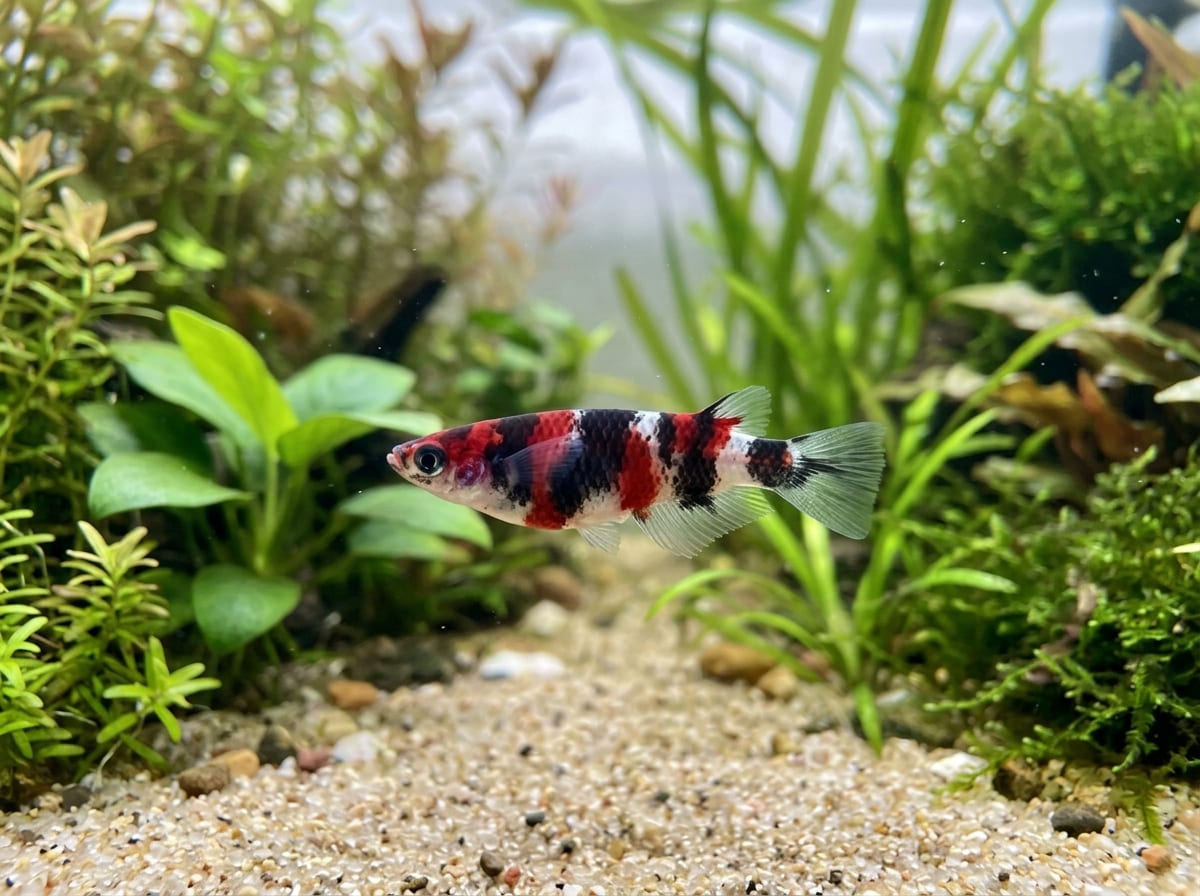
Tricolor
Sanshoku medaka display a beautiful mix of white, red (orange), and black across their bodies, making each fish a unique living artwork. Their hardiness and ease of care make them an excellent choice for beginners, while the endless variety of patterns keeps experienced keepers coming back for more.
- Price Range
- ¥4,000〜¥4,000
0% commission on your first sales!Register by September 30, 2026 and your first 2 sales are commission-free!
Breeder Wanted!
List on BreederDirect and sell directly to customers nationwide!
9 Transparency Commitments from Br-Choku
Each Medaka listing includes the following from Breeder. Full transparency on color variations (Yokihi/Miyuki/Lame) and lineage guaranteed.
- Variety Name
- Lineage
- Actual Photos
- Color Classification
- Body Type
- Scale Type
- Size
- Origin
- Age/Generation
Browse all 20 breeds
Color
Scale Type
Verified breeders wanted for Medaka
Breeders are signing up now ahead of launch. Subscribe to be notified when new listings go live.
Getting alerts is free with a member account. When new listings match your saved search, we'll notify you by email and in-app.
Browse other categories
Verified breeders (preview)

About Tricolor
Sanshoku medaka emerged from Japan's selective breeding boom as a variety celebrated for its intricate blending of white, red (orange), and black—sometimes called a "swimming work of art." Medaka were once a plain, understated small fish, but decades of careful selection by dedicated hobbyists gave rise to the rich variety of patterned strains seen today. Because the tricolor pattern forms randomly, no two individuals are identical, and the search for a personally appealing fish is part of the appeal. Temperamentally peaceful and physically hardy, sanshoku adapt well to environments ranging from outdoor lotus bowls to indoor aquariums. Stable water temperature, adequate light, and dark-colored containers help the colors show at their best. Breeding is relatively straightforward, and watching the distinct patterns that emerge in each new generation adds another layer of long-term enjoyment.
Featured breeders for Tricolor
See all Tricolor breeders (2) →7 things to know before welcoming a Tricolor
1Each Fish Has Unique Markings
No two sanshoku medaka share identical markings, even from the same parents. When purchasing, inspect each fish carefully to find your preferred pattern. Note that colors and markings can shift as the fish matures, so watching them develop is part of the enjoyment.
2Tolerate a Wide Temperature Range
Sanshoku medaka can tolerate water temperatures roughly between 5°C and 30°C, but sudden swings are stressful and can lead to illness. Guard against overheating from direct summer sun and freezing in winter. Reviewing your setup each season helps keep them healthy year-round.
3Color-Enhancing Foods Make a Difference
The red and black pigmentation of sanshoku can be enhanced with color-boosting foods containing carotenoids or spirulina. Standard medaka pellets are fine for basic care, but adding a color-enhancing food can bring out their best appearance. Feed twice daily in amounts consumed within two to three minutes to avoid water quality issues.
4Outdoor Keeping Enhances Color
Natural sunlight intensifies the colors of sanshoku medaka, making outdoor setups in lotus bowls or tubs particularly rewarding. Aquatic plants and floating plants complement them beautifully. Do not forget to place a net over the container to protect the fish from cats and wild birds.
5Choose Tank Mates of Similar Size
Sanshoku medaka are peaceful and get along well with other medaka varieties. However, significant size differences can lead to smaller fish being nipped, so keep fish of similar size together. Avoid housing them with goldfish or other large-mouthed fish that may prey on them.
6Use a Spawning Mop for Breeding
Sanshoku medaka begin spawning when water temperature exceeds 18°C and daylight reaches about 13 hours. Eggs are often eaten by adults, so use a spawning mop or aquatic plant and move the eggs to a separate container to improve hatch rates. Raise the fry on finely ground, dedicated fry food.
7Starter Costs Begin Around a Few Thousand Yen
A basic sanshoku medaka setup including a container, substrate, plants, and food can be assembled for a few thousand yen. Premium individuals with exceptional coloration or body types can range from several thousand to tens of thousands of yen each, so choose a source that fits your budget. Ongoing monthly costs for electricity and food are generally a few hundred yen.
Frequently asked questions about Tricolor
- Q.Are tricolor medaka suitable for beginners?
- A.Yes. Among selectively bred varieties, tricolor medaka are relatively hardy and manageable for beginners who maintain stable water quality and temperature. Avoiding sudden temperature swings and keeping up with regular water changes will prevent most common problems.
- Q.Does the pattern change as the fish grows?
- A.In some individuals, the extent and intensity of red and black areas shift between the juvenile and adult stages. Environmental factors such as water temperature, light, and diet also influence coloration, so the fish you bring home may look somewhat different as it matures—part of the charm of keeping this variety.
- Q.How many should I start with?
- A.Starting with 5 to 10 fish is a practical range that lets you enjoy their schooling behavior while keeping management straightforward. Medaka can be kept alone but tend to be less stressed and more active in groups. A general guideline is at least 1 liter of water per fish.
- Q.Is outdoor or indoor keeping better for them?
- A.Tricolor medaka adapt to both settings. Outdoor keeping benefits from natural sunlight, which tends to enhance coloration and promote active breeding, but requires measures against summer overheating and winter freezing. Indoor setups offer year-round temperature stability and easy observation, though good lighting is important for bringing out the colors.
- Q.Can they be kept with other medaka varieties?
- A.Yes, medaka of different varieties can generally be kept together without conflict. However, mixing varieties allows cross-breeding, which will alter the coloration and pattern of offspring over generations. If you want to preserve the tricolor pattern in future generations, keep and breed them only with other sanshoku individuals.
Useful tools for Tricolor care
Tricolor related articles
See more Tricolor articles →More in this category
Can't find the one you're looking for?
Post your wishes for free and breeders with matching animals will contact you with introductions.