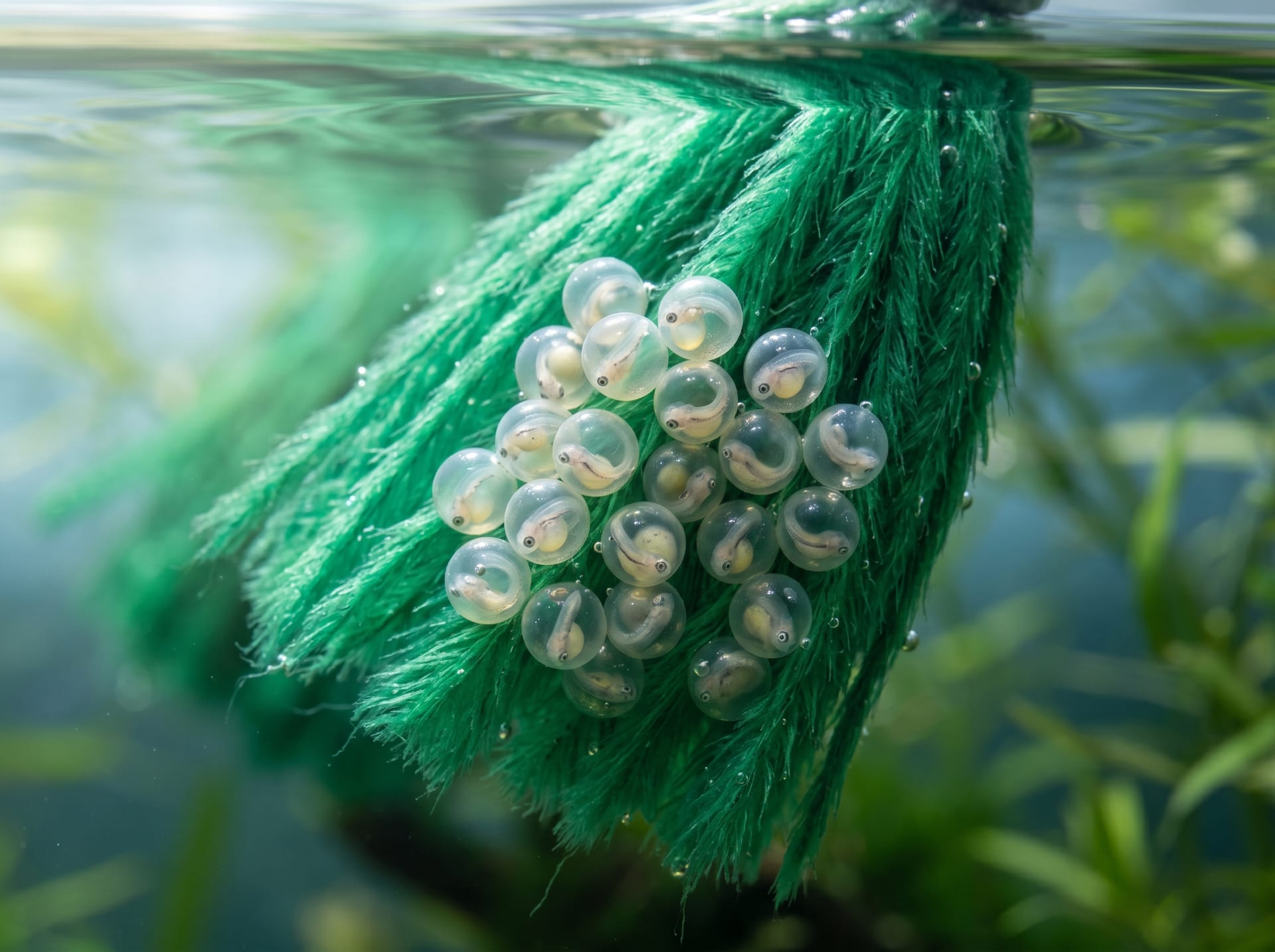
Eggs
Medaka eggs offer a unique opportunity to witness the miracle of life up close, from fertilization to hatching. With proper water temperature and quality, tiny fry emerge in about 10 to 14 days, letting you enjoy growth from the very beginning. Preparing for fry care ahead of hatching is key to successful breeding.
0% commission on your first sales!Register by September 30, 2026 and your first 2 sales are commission-free!
Breeder Wanted!
List on BreederDirect and sell directly to customers nationwide!
9 Transparency Commitments from Br-Choku
Each Medaka listing includes the following from Breeder. Full transparency on color variations (Yokihi/Miyuki/Lame) and lineage guaranteed.
- Variety Name
- Lineage
- Actual Photos
- Color Classification
- Body Type
- Scale Type
- Size
- Origin
- Age/Generation
Browse all 20 breeds
Color
Scale Type
Verified breeders wanted for Medaka
Breeders are signing up now ahead of launch. Subscribe to be notified when new listings go live.
Getting alerts is free with a member account. When new listings match your saved search, we'll notify you by email and in-app.
Browse other categories
Verified breeders (preview)

About Eggs
Medaka eggs have long been a familiar subject of life science education in Japanese homes and schools. Medaka have been kept as ornamental fish since the Edo period, and their ease of breeding has made egg observation and hatching a widespread practice. Freshly laid eggs cling together with adhesive threads, but gradually separate into individual round, transparent spheres. As development progresses, eyes become visible inside the egg, and just before hatching, the fry can be seen moving. At around 25°C, hatching typically occurs within 10 to 14 days. The greatest appeal of raising eggs is witnessing the birth of life from the very beginning. Watching a fry break free from its shell and swim for the first time is a moving experience no matter how many times you see it. Through observation, breeding, and raising fry, a natural appreciation and affection for living creatures grows.
Featured breeders for Eggs
See all Eggs breeders (2) →5 things to know before welcoming a Eggs
1Aim for 25–28°C Water Temp
Water temperature significantly affects egg development, with 25–28°C being the most stable range for hatching. Lower temperatures slow development, while above 30°C increases the risk of deformities or unfertilized eggs. Use a heater and thermometer to maintain consistent conditions.
2Separate Eggs from Adult Fish
Adult fish and other medaka will readily eat eggs, so it is important to move eggs to a separate container immediately after spawning. Gently remove eggs from the spawning mop and keep them in a small dedicated hatching container. Isolation significantly improves hatch rates.
3Hatching Takes About 10–14 Days
At 25–28°C, eggs typically hatch within 10 to 14 days of being laid. Cooler water will extend this timeline. Once you can see eyes forming inside the egg, hatching is approaching — a rewarding moment to watch for.
4Prepare Fry Food in Advance
Newly hatched fry have tiny mouths and cannot eat regular medaka food. Powdered fry-specific food or infusoria such as paramecia should be prepared in advance. Have everything ready a few days before the expected hatch date to avoid scrambling.
5Cost: Eggs Are Budget-Friendly
Medaka eggs are generally affordable, often sold in lots of 10 to 30 eggs starting at a few hundred yen, making them a lower-cost entry point than buying adults. However, hatch rates and egg quality vary between breeders, so choosing a reputable seller matters. Factor in starter costs for a fry container, food, and water conditioner.
Frequently asked questions about Eggs
- Q.Are white or cloudy eggs dead?
- A.White or cloudy eggs are usually unfertilized or dead. If mold is present, the egg is definitely dead and should be removed immediately to prevent it from spreading to healthy eggs. Eggs that are clear with visible eyes or blood vessels are a good sign of healthy development.
- Q.How many days until eggs hatch?
- A.At 25 to 28°C, eggs generally hatch within 10 to 14 days of being laid. Lower temperatures extend the incubation period, and below 20°C it may take more than 2 to 3 weeks. A useful guideline is the accumulated temperature of approximately 250°C-days (water temperature multiplied by number of days).
- Q.Do medaka lay eggs on aquatic plants?
- A.Medaka naturally attach their eggs to aquatic plants or the fibers of spawning mops. Providing plants like water hyacinth or Java moss, or a commercially available spawning mop, makes egg collection more efficient. Moving the spawning mop to a separate container lets you isolate the eggs without handling them directly.
- Q.What kind of container should I use?
- A.Small plastic containers or cut plastic bottles can work, but a clear container is recommended for easy observation. A capacity of around 500ml to 1 liter is sufficient, and gentle aeration helps maintain water quality. Keeping the setup simple without substrate makes maintenance easier.
- Q.What should I feed the fry after hatching?
- A.Fry can survive on their yolk sac for 2 to 3 days after hatching, after which you should feed them powdered fry food in small amounts 2 to 3 times a day. Overfeeding deteriorates water quality, so make a habit of removing uneaten food with a pipette.
Useful tools for Eggs care
More in this category
Can't find the one you're looking for?
Post your wishes for free and breeders with matching animals will contact you with introductions.