Kabuki
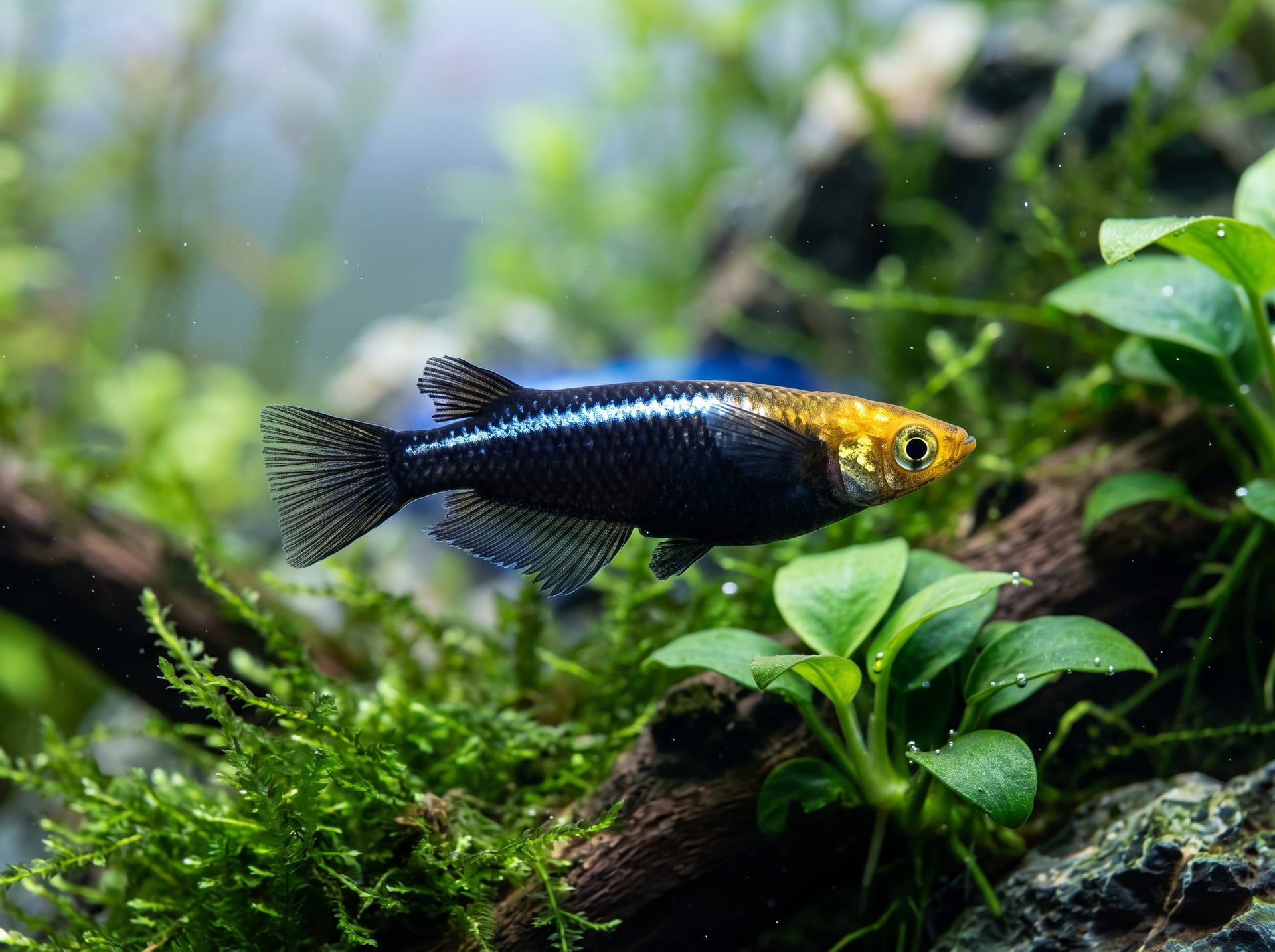
Kabuki is a selectively bred medaka known for its golden head and jet-black body accented by the shimmering body glow inherited from the Miyuki lineage. The striking contrast between the golden crown and the pale blue-white glow along its body is said to evoke the vivid costumes of Kabuki theater, which is how the variety got its name. Set against dark scales, the way its colors and glow develop as it matures makes for an engaging fish to watch over time. Because bringing out its full coloration calls for some experience with water quality management, Kabuki is generally considered a good match for intermediate keepers. It's a striking choice for anyone who wants to raise a single, eye-catching medaka and watch it come into its own.
View Kabuki encyclopedia →0% commission on your first sales!Register by September 30, 2026 and your first 2 sales are commission-free!
Breeder Wanted!
List on BreederDirect and sell directly to customers nationwide!
9 Transparency Commitments from Br-Choku
Each Medaka listing includes the following from Breeder. Full transparency on color variations (Yokihi/Miyuki/Lame) and lineage guaranteed.
- Variety Name
- Lineage
- Actual Photos
- Color Classification
- Body Type
- Scale Type
- Size
- Origin
- Age/Generation
Browse all 116 breeds
Color
Scale Type
Verified breeders wanted for Medaka
Breeders are signing up now ahead of launch. Subscribe to be notified when new listings go live.
Getting alerts is free with a member account. When new listings match your saved search, we'll notify you by email and in-app.
Browse other categories
Verified breeders (preview)

Kabuki key facts
- Care level
- Intermediate
- Lifespan
- 2-3 years
- Size
- Body length 3-4cm
- Temperature
- 15〜28℃
- Diet
- Mainly prepared feed, supplemented with live food (brine shrimp, daphnia); fine powdered food for fry.
- Coloration & Traits
- A golden head over a black-based body carrying miyuki-derived luster; luster varies by individual, with many variants such as white kabuki and black-miyuki lines.
- Care Tips
- Hardy and easy; the luster and head color show best from above in a dark tub, and sunlight helps the color develop.
- Water Quality & Temperature
- Keep around 15-28°C; avoid summer overheating and sudden changes, and keep water stable.
- Breeding
- Breeds easily, but pairing a golden head with strong luster requires repeated selection; choose parents with well-extended luster.
- Cautions
- Luster develops poorly with too little light; secure sunlight outdoors and keep in a dark tub for a stable, striking look.
About Kabuki
Kabuki medaka pairs a golden head with black scales and shimmering body glow inherited from the Miyuki line, echoing the bold look of Kabuki costumes — a striking variety suited to intermediate keepers.
7 things to know before welcoming a Kabuki
1Color Varies by Individual
The intensity of Kabuki's golden head and body glow can vary from fish to fish, even among siblings from the same parents. Rather than expecting a uniform look, it helps to enjoy watching each individual's coloration develop over time.
2Suited to Intermediate Keepers
Kabuki is generally considered a variety for intermediate keepers, as bringing out its colors well calls for some comfort with water quality and temperature management. It tends to be easier to care for if you've already kept medaka before.
3Dark Tanks Enhance Its Colors
Black-toned containers or substrate tend to make Kabuki's dark body and shimmering glow stand out more clearly. In pale or light-colored containers, the contrast can be harder to appreciate.
4Lifespan: About 2-3 Years
Kabuki typically lives around 2 to 3 years. Consistent water quality management and attention to seasonal temperature swings go a long way toward keeping them healthy for their full lifespan.
5Adult Size: 3-4cm
Adult Kabuki typically reach about 3 to 4cm in body length. It's worth choosing a tank with enough room for this adult size so they have space to grow comfortably.
6Watch for Sudden Water Changes
Sudden shifts in water temperature or quality, such as during seasonal changes or water changes, can stress medaka and affect their health. Careful acclimation helps avoid these abrupt changes.
7Let It Settle In Quietly
After bringing your Kabuki home, giving it a few quiet days in a calm spot away from loud noise or vibration helps it settle in with less stress.
Frequently asked questions about Kabuki
- Q.Is Kabuki suitable for beginner keepers?
- A.Kabuki is generally considered a variety for intermediate keepers. Having some prior experience with medaka care makes it easier to manage water quality and bring out its coloration.
- Q.How big does Kabuki grow?
- A.Adult Kabuki typically reach about 3 to 4cm in body length. It's a good idea to choose a tank that gives them room to grow to this size comfortably.
- Q.What is the lifespan of Kabuki?
- A.Kabuki typically live around 2 to 3 years. Consistent water quality and temperature management help support a full, healthy lifespan.
- Q.How can I bring out the golden head and body glow?
- A.Using a black-toned tank or substrate helps the contrast between the dark body and shimmering glow stand out more. Since coloration varies between individuals, it helps to enjoy watching it develop over time.
- Q.Can Kabuki be kept with other medaka?
- A.Keeping different medaka varieties together is common practice. If you'd like to appreciate Kabuki's distinct coloration clearly, keeping them in a same-strain group makes it easier to compare their development. Be mindful of water quality and avoid sudden environmental changes.
Useful tools for Kabuki care
Learn more about Kabuki in the encyclopedia
View Kabuki encyclopedia entry →
Care difficulty, lifespan, size and diet — all basics covered.
More in this category
Can't find the one you're looking for?
Post your wishes for free and breeders with matching animals will contact you with introductions.