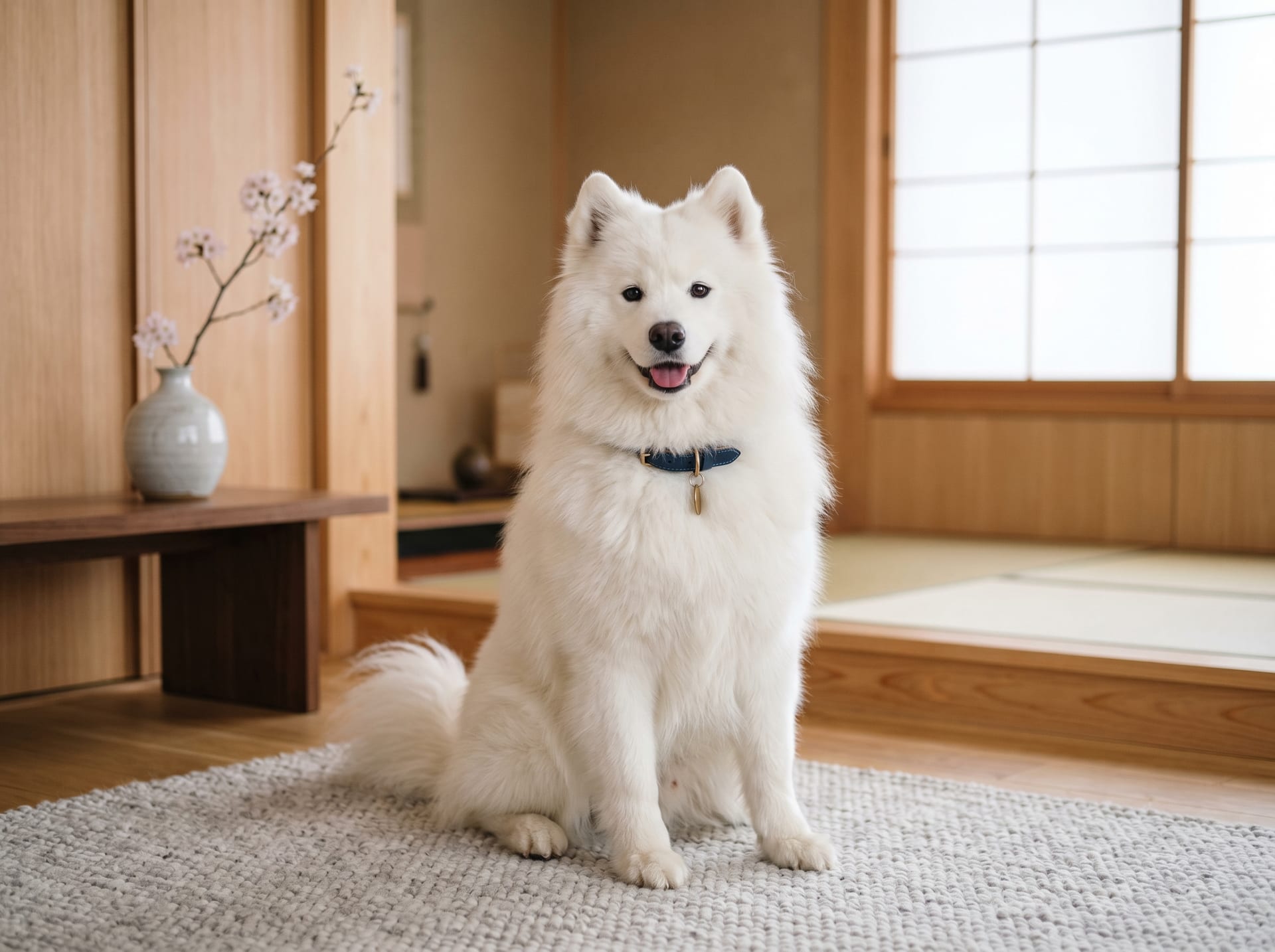
薩摩耶犬
純白蓬鬆的毛髮和「薩摩耶微笑」是其特徵。親切友善,具有社交性。壽命為12〜14年。成體肩高48〜60公分/體重16〜30公斤。需要中至大型犬專用高品質狗糧。
View 薩摩耶犬 encyclopedia →- 價格行情
- ¥200,000〜¥660,000
成交手續費 0%!2026年9月30日前註冊,前 2 筆成交免佣金!
繁殖者 招募中!
在 BreederDirect 上架,直接銷售給全國各地的客戶!
布里直售承諾的 4 大信任保障
所有幼犬上架中,繁殖者均明示以下資訊。為確保安全透明的直銷交易,布里直售已將法律規定項目設為必須。
- 晶片植入必須
- 疫苗接種
- 已進行健康檢查
- 附血統證書
※ 晶片植入於《動物保護法》(2022年6月施行)中已成為繁殖業者出品的義務。
查看全部129個犬種
狗分類正在招募認證繁殖者
繁殖者正在陸續註冊,即將上架。設定上架通知,不錯過新商品。
「接收上架通知」需免費註冊會員即可設定。當有符合您儲存條件的新商品上架時,我們會以郵件和站內通知提醒您。
薩摩耶犬的基本資料
- 飼養難度
- 適合中級者
- 壽命
- 12至14年
- 體型
- 肩高48至60厘米/體重16至30公斤
- 飲食
- 中到大型犬用的高品質狗糧
- 性格
- 友善且善於交際。喜愛人類,總是面帶笑容
- 運動量
- 每天需要60至90分鐘的運動。喜歡在寒冷環境中活動
- 被毛・護理
- 厚重潔白的雙層被毛,掉毛非常多。每週3至4次梳毛必不可少
- 原產地
- 俄羅斯(西伯利亞)
- 注意事項
- 不耐熱,空調管理必不可少。注意髖關節發育不良和糖尿病
關於薩摩耶犬
薩摩耶犬是與西伯利亞西北部遊牧民族「薩摩耶德人」共同生活數千年的犬種。作為拉雪橇、狩獵輔助和遊牧民的「活毛毯」來溫暖身體,它們與人類建立了極其密切的關係,這段歷史培養了現在親切友善的性格。19世紀末至20世紀初的北極和南極探險中,它們被歐洲所知,隨後也成為了伴侶犬和表演犬中的熱門品種。外觀上最大的特點是雪白豐富的雙層毛髮和「薩摩耶微笑」——嘴角自然上揚,看起來像在微笑。這種表情實際上是有實用意義的,在極寒環境中能更容易閉嘴,有助於防止凍傷。性格開朗活潑,通常對兒童和其他動物表現得很寬容,但也具有獨立精神,訓練需要耐心和一致性。這是一個兼具純白美麗和溫暖性格的特殊犬種。
迎接薩摩耶犬前需要了解的7件事
1脫毛量大,需要每天梳毛
薩摩耶的雙層毛髮在一年中2個換毛期大量脫落,其他時期也會持續脫毛。每天梳毛可以防止毛團和皮膚問題。應準備專用的開結梳和梳子。
2怕熱,夏季管理是關鍵
厚重的毛髮是為寒冷地區設計的,所以日本炎熱潮濕的夏天會增加中暑風險。室內應該24小時開空調,白天的戶外運動應限制在涼爽的早晨和傍晚。不建議剃毛,因為這會損害體溫調節功能。
3需要充分的運動量
這種犬原本用於拉雪橇進行長距離移動,活動需求較高。如果每天無法保證至少1~2小時的散步和玩耍時間,可能會導致吠叫和破壞行為。定期在狗公園或寬敞的公園進行自由活動是理想的做法。
4經常吠叫、聲音較大的犬種
薩摩耶犬有很強的溝通欲望,傾向於通過吠叫來表達情感。在公寓等集合住宅中需要考慮鄰居,從幼犬期開始耐心地進行「保持安靜」的訓練很重要。要確定吠叫的原因(無聊、焦慮、要求),並從根本上解決問題。
5社交性強,但也有獨立心
雖然薩摩耶犬具有與人類和其他犬相處的社交性,但它們也具有獨立心,傾向於自己做出判斷和行動。比起強硬的命令,使用正強化(表揚、零食)的訓練方法會更有效。由於它們傾向於討厭單調重複的練習,帶有變化的訓練會更容易堅持下去。
6要預留毛髮護理的費用
換毛期的美容和洗澡,由於薩摩耶犬毛髮蓬鬆,需要耗費大量時間,委託專業美容師進行時通常費用在1萬~2萬日圓左右。雖然學習在家護理可以降低成本,但每月數次的深層梳毛和定期洗澡是必須的。
7注意髖關節和眼睛疾病
薩摩耶犬已被報告存在髖關節發育不良和進行性視網膜萎縮症(PRA)等遺傳性疾病。從可信賴的繁殖者手中迎接由經過健康檢查的親本犬所生育的幼犬是預防的第一步。定期的獸醫健康檢查和考慮購買寵物保險也是有效的。
薩摩耶犬的常見問題
- Q.公寓裡也能飼養嗎?
- A.雖然可以,但由於吠叫聲很大和運動量大,需要較寬敞的空間和考慮到鄰居的感受。如果能每天確保充足的散步和運動時間,室內飼養是可行的。
- Q.掉毛有多嚴重?
- A.一年2次的換毛期間,大量的毛髮像棉花一樣脫落,幾乎每天都需要用吸塵器。其他時期也會持續掉毛,所以請做好白色毛髮會沾遍家裡地板和衣服的心理準備再養它。
- Q.與孩子和其他寵物相處得好嗎?
- A.一般來說,這個品種與兒童和其他犬隻相處友善,攻擊性較低。但因為是大型犬,小孩與其接觸時必須始終有大人照看。通過早期的社會化訓練,可以更容易地建立良好的關係。
- Q.薩摩耶犬的月均飼養費用是多少?
- A.飼料、美容、醫療等費用加起來,多數家庭預計月支出約3萬〜5萬元。考慮到換毛期的專業美容和突發的醫療費,建議也考慮購買寵物保險。
- Q.初學者也能訓練這個犬種嗎?
- A.雖然性格友善溫和,初學者也容易親近,但由於獨立性強、運動和美容護理工作量大,也適合經驗豐富的飼主。建議積極考慮諮詢專業訓練師或參加訓練課程。
適合飼養薩摩耶犬的實用工具
在圖鑑中詳細了解薩摩耶犬
查看薩摩耶犬的圖鑑條目 →
收錄飼養難度、壽命、體長、食性等基礎資料。