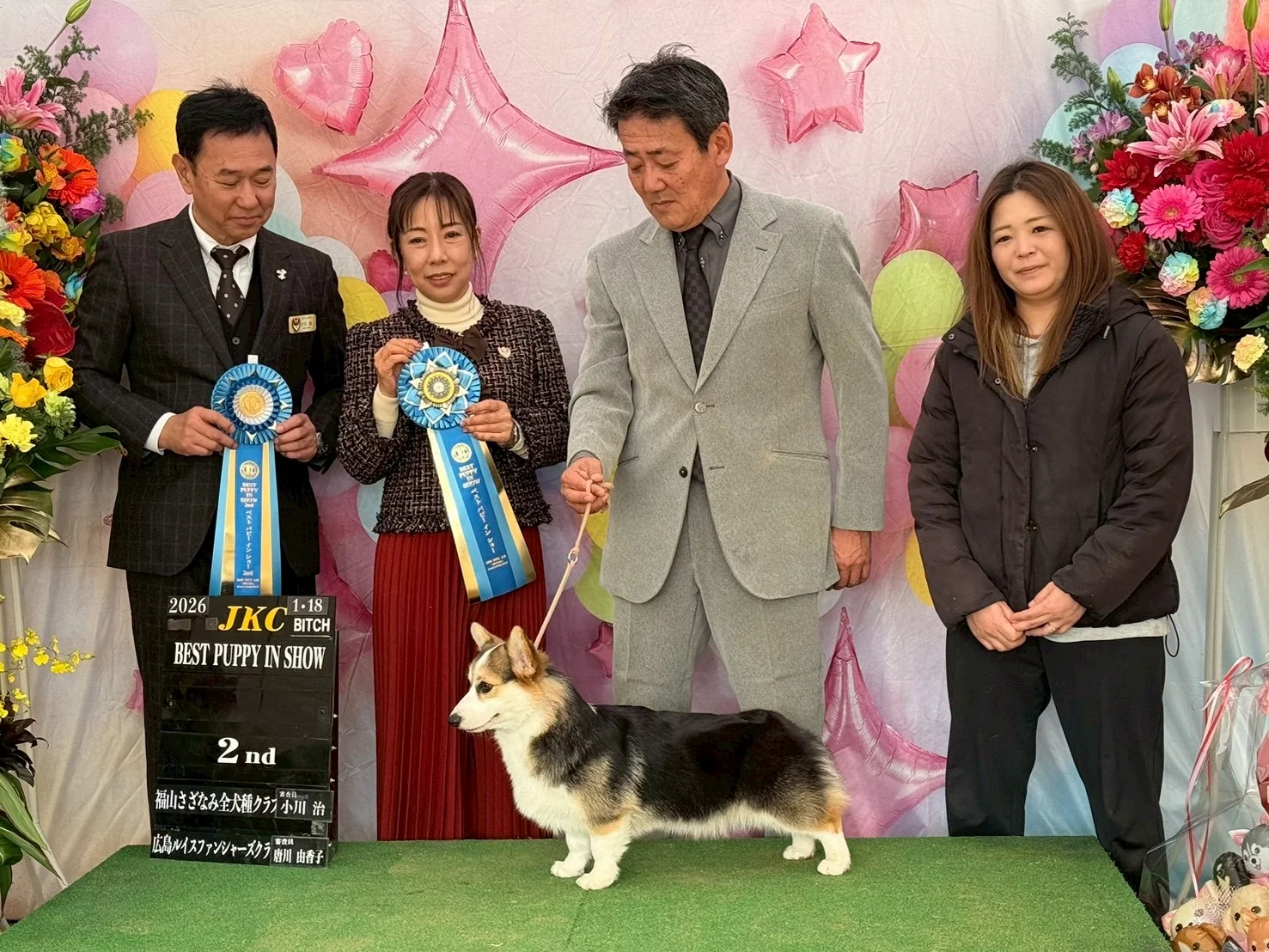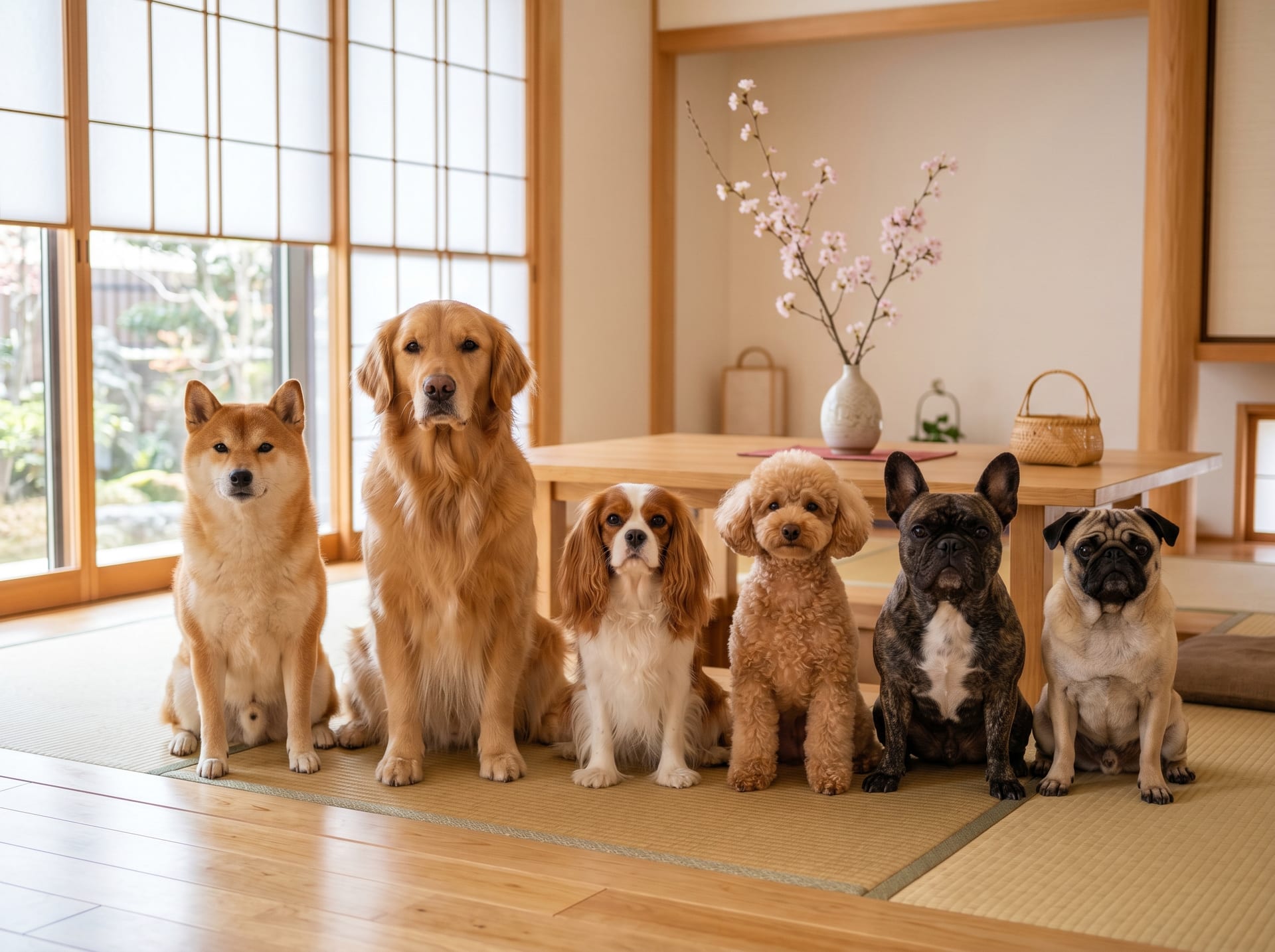
The "other breeds" category covers a wide range of purebred, rare, and emerging dog breeds from Japan and around the world. Each has its own unique size, temperament, and exercise needs, so researching breed-specific traits before bringing one home is essential. The joy lies in finding the perfect match for your lifestyle among this diverse lineup.
前 3 筆銷售免佣金!於 2026 年 7 月 31 日前註冊成為繁殖者,前 3 筆銷售免收佣金!
繁殖者 招募中!
在 BreederDirect 上架,直接銷售給全國各地的客戶!
所有幼犬上架中,繁殖者均明示以下資訊。為確保安全透明的直銷交易,布里直售已將法律規定項目設為必須。
※ 晶片植入於《動物保護法》(2022年6月施行)中已成為繁殖業者出品的義務。
br-choku 的所有交易均受交易保障涵蓋。萬一無法迎接寵物將全額退款。健康保障在交付後也讓您安心。
想上架puppies嗎?
註冊成為繁殖者,即可與買家直接聯繫。
"Other Breeds" is a broad category that encompasses purebred, rare, and emerging dog breeds not classified under more common headings. Many of these breeds developed independently around the world to serve specific working roles — hunting, guarding, herding — and those original purposes are still reflected in their modern temperaments and physiques. They range from tiny toy-sized dogs to large, powerful working breeds, with coats that vary in texture, length, and color. In terms of personality, some are friendly and easy-going for first-time owners, while others have strong independent streaks that suit experienced handlers. Discovering a less familiar breed can be a wonderful way to deepen your appreciation for the remarkable diversity of dogs. Take time to research breeds that match your lifestyle and living situation, and you'll be well on your way to building a lasting, rewarding bond.
1Traits Vary by Breed
Rare and emerging breeds often have limited information in general breed guides. Consult breeders or specialists directly to understand the breed's specific temperament, exercise requirements, and socialization needs before committing.
2Verify Information Sources
Some breeds in this category may not yet be officially recognized by the JKC or are in the process of gaining recognition. Obtain pedigree certificates and registration details from the breeder to verify the dog's lineage and breed authenticity.
3Exercise Needs Vary Widely
Exercise requirements differ greatly between toy-type companions and large working-type breeds. Assess daily walk duration, activity intensity, and mental stimulation needs in advance, and consider whether they fit your daily routine.
4Check Health Screening Records
For rare breeds, research on hereditary conditions may be limited. Ask the breeder about health testing performed on the parent dogs, and if possible, request results of a veterinary puppy examination before purchase.
5Find a Vet Familiar with the Breed
Not all veterinarians have experience with rare or uncommon breeds. When choosing a vet, ask about their familiarity with your specific breed. Specialty clinics and university animal hospitals in urban areas often have broader breed experience.
6Costs Differ by Breed
Rare breeds often come with a higher initial purchase price. Grooming frequency, specialized trimming, or specific dietary requirements may also add ongoing costs. Estimate annual maintenance expenses, not just the purchase price, before deciding.
7Start Training Early and Consistently
Learning styles and independence levels vary significantly by breed. Begin positive reinforcement-based training from puppyhood, and prioritize broad socialization during the critical period (3–14 weeks) to build a well-adjusted, confident dog.