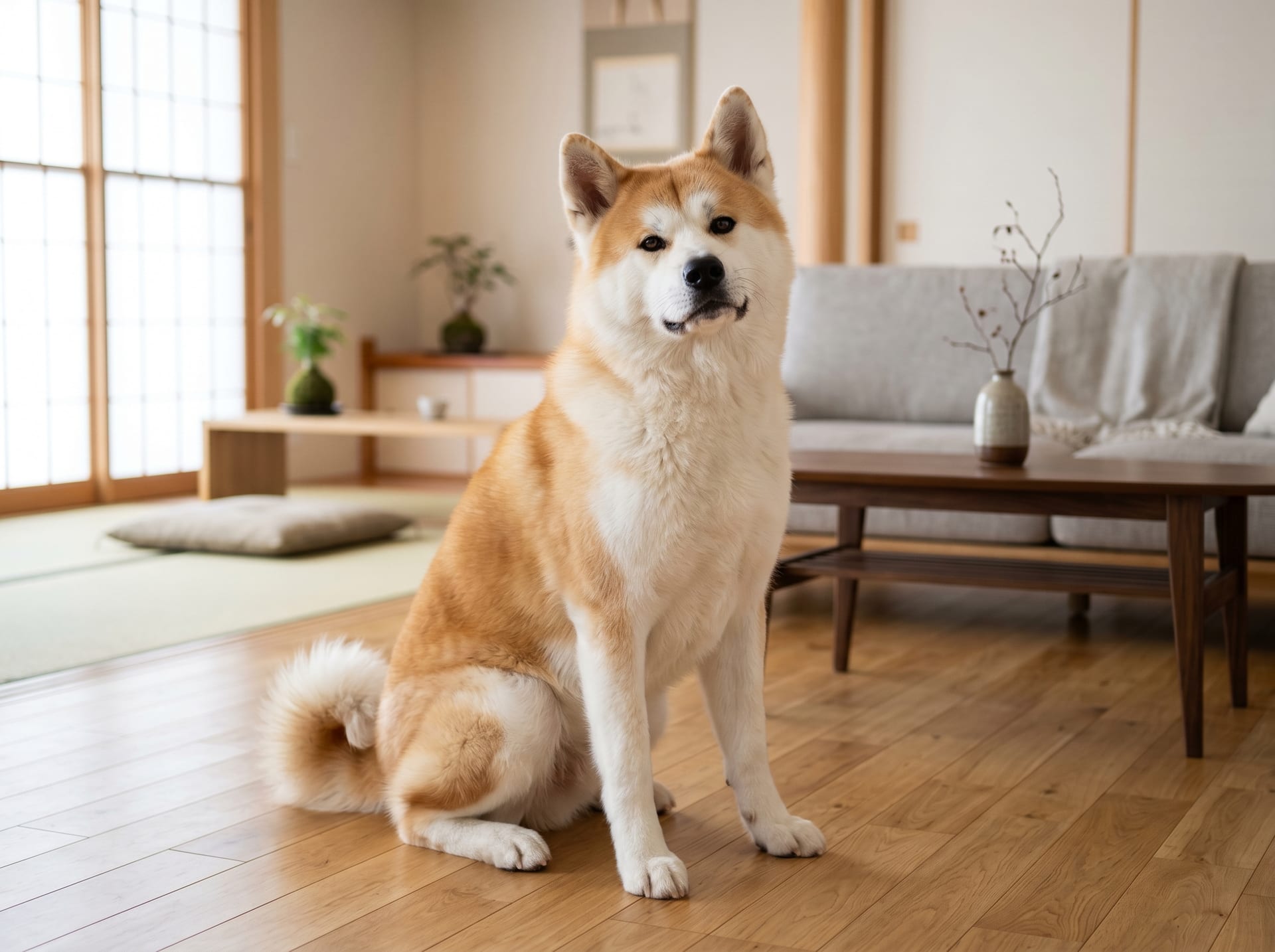
Large breed developed in America from Akita Inu. Distinguished by heavy bone structure and imposing presence.
View 美國秋田犬 encyclopedia →前 3 筆銷售免佣金!於 2026 年 7 月 31 日前註冊成為繁殖者,前 3 筆銷售免收佣金!
繁殖者 招募中!
在 BreederDirect 上架,直接銷售給全國各地的客戶!
所有幼犬上架中,繁殖者均明示以下資訊。為確保安全透明的直銷交易,布里直售已將法律規定項目設為必須。
※ 晶片植入於《動物保護法》(2022年6月施行)中已成為繁殖業者出品的義務。
br-choku 的所有交易均受交易保障涵蓋。萬一無法迎接寵物將全額退款。健康保障在交付後也讓您安心。
想上架puppies嗎?
註冊成為繁殖者,即可與買家直接聯繫。
The American Akita traces its origins to Japan's Akita Inu. After World War II, American servicemen brought Akitas back to the United States, where crossbreeding with large breeds such as the Great Dane and Saint Bernard eventually produced a dog distinct in both build and appearance from its Japanese ancestor. The breed was officially recognized by the American Kennel Club (AKC) in 1972. Physically, the American Akita is characterized by a broad, bear-like head, almond-shaped eyes, triangular erect ears, and a thick, curled tail. The dense double coat comes in a wide range of colors. Adults typically weigh 32–60 kg, with males noticeably larger than females. In temperament, this breed is deeply loyal and possesses a strong protective instinct toward its family. It tends to be reserved around strangers and other dogs, making early socialization essential. Successful ownership requires ample living space, consistent daily exercise, and confident, experienced leadership from the owner.
1Space for a Large Dog
Adult American Akitas can weigh 32–60 kg, so ample living space is essential. While apartment living is possible, a spacious environment and daily outdoor exercise are necessary. Consider soundproofing and odor management out of consideration for neighbors.
2Independent Temperament
American Akitas have a strong independent streak and tend to make their own decisions rather than simply following commands. Building a relationship based on trust and clear leadership is more effective than demanding obedience. This breed is considered moderately challenging for first-time large-dog owners.
3Early Socialization Is Key
Early socialization — exposing your puppy to various people, dogs, and environments — is especially important for this breed. Without it, their natural wariness can develop into aggression toward strangers or other dogs. Working with a professional trainer from an early age is strongly recommended.
4Heavy Shedding and Grooming
The American Akita has a thick double coat that sheds heavily, especially during seasonal coat changes. Brushing 2–3 times a week is standard, potentially daily during shedding season. Prepare for increased vacuuming and consider an air purifier to manage the hair in your home.
5Joint and Bone Health
Hip and elbow dysplasia are health concerns seen in this breed, as with many large dogs. Excessive exercise during the growth phase can stress developing joints, so strenuous activity should be limited in puppies. Regular veterinary check-ups and feeding a large-breed formula with joint support are worthwhile considerations.
View 美國秋田犬 encyclopedia entry →
Care difficulty, lifespan, size and diet — all basics covered.
6Compatibility with Other Pets
American Akitas can show aggression toward dogs of the same sex, making multi-dog households a careful consideration. Their prey drive may also be triggered around cats or small animals. Gradual, supervised introductions over an extended period are essential if other pets are already in the home.
7Estimated Cost of Ownership
As a large breed, the American Akita comes with higher overall costs for food, veterinary care, and supplies. Monthly food expenses can run approximately 10,000 yen or more depending on size and diet. Pet insurance is worth considering to manage unexpected medical costs. Planning a long-term budget in advance is strongly advised.