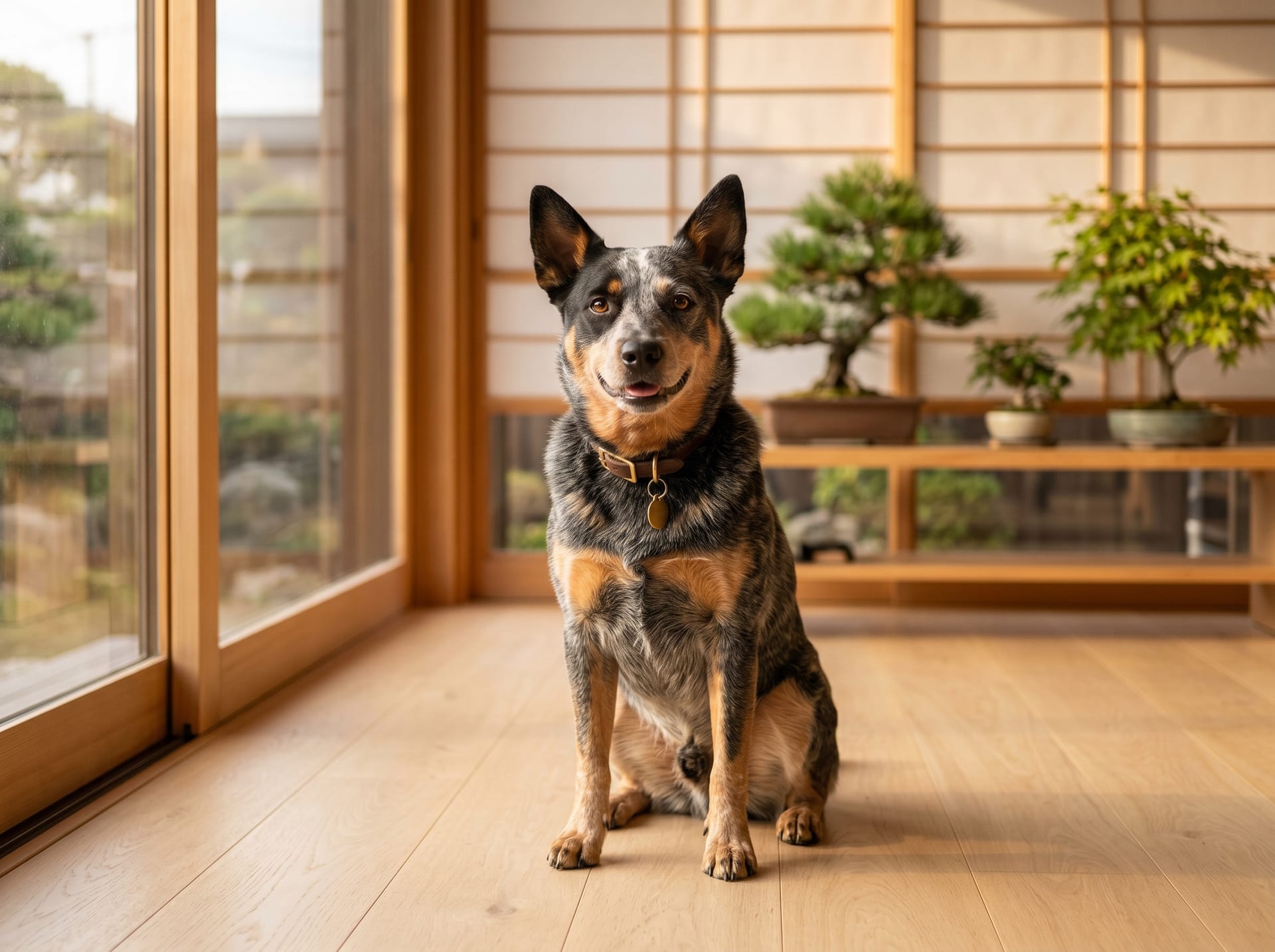
澳洲牧牛犬
澳洲牧牛犬。性格堅韌、智力高超,適合有活躍生活方式的飼主。壽命為12〜16年。成年體型為15〜22kg。高蛋白飼料,根據活動量調整餵食量。
View 澳洲牧牛犬 encyclopedia →- 價格行情
- ¥200,000〜¥660,000
成交手續費 0%!2026年9月30日前註冊,前 2 筆成交免佣金!
繁殖者 招募中!
在 BreederDirect 上架,直接銷售給全國各地的客戶!
布里直售承諾的 4 大信任保障
所有幼犬上架中,繁殖者均明示以下資訊。為確保安全透明的直銷交易,布里直售已將法律規定項目設為必須。
- 晶片植入必須
- 疫苗接種
- 已進行健康檢查
- 附血統證書
※ 晶片植入於《動物保護法》(2022年6月施行)中已成為繁殖業者出品的義務。
查看全部129個犬種
狗分類正在招募認證繁殖者
繁殖者正在陸續註冊,即將上架。設定上架通知,不錯過新商品。
「接收上架通知」需免費註冊會員即可設定。當有符合您儲存條件的新商品上架時,我們會以郵件和站內通知提醒您。
澳洲牧牛犬的基本資料
- 飼養難度
- 適合高級者
- 壽命
- 12〜16年
- 體型
- 15〜22公斤
- 飲食
- 高蛋白飼料,根據活動量調整進食量
- 性格
- 聰慧、忠誠、精力充沛
- 運動量
- 每日需90分鐘以上的運動
- 被毛和護理
- 雙層被毛,每週刷毛1〜2次
- 原產國
- 澳洲
- 注意事項
- 無聊時會出現問題行為,需注意咬合習慣
關於澳洲牧牛犬
澳洲牧牛犬於19世紀在澳大利亞被培育,目的是創造一種能在內陸地區惡劣環境中處理牛的犬種。據說其血脈中融合了澳洲野狗、斑點犬和黑褐凱爾皮犬等品種的血液,最終形成了現在的模樣。體型為中等大小且肌肉發達,具有稱為"藍色斑紋"或"紅色斑點"的獨特斑紋圖案。耳朵直立,警惕性強,目光敏銳,時刻觀察周圍。性格非常順從且勇敢,具有卓越的問題解決能力和形勢判斷力,同時具有獨立行動的能力。另一方面,對主人有深深的忠誠心,容易與家庭中的特定成員建立強有力的紐帶。對於積極主動、有進取心的主人來說,這將是日常冒險中最好的伴侶。
迎接澳洲牧牛犬前需要了解的7件事
1運動量是犬種中最高水平
每天需要進行1〜2小時以上的劇烈運動,僅靠散步很容易導致運動不足。犬類運動、敏捷訓練或長距離徒步等需要同時鍛鍊身體和思維的活動最為理想。如果運動不足,可能會因壓力而導致問題行為。
2要注意強烈的咬腳跟本能
咬腳跟驅趕牛的本能非常強烈,可能會嘗試咬孩子或其他寵物的腳。雖然可以通過從幼犬期開始進行細致的社會化和適當的訓練來控制,但本能本身不會消失。有小孩的家庭需要特別注意。
3智商高,必須進行訓練
非常聰明,能夠迅速學會指令,但如果感到無聊或缺乏刺激,就會自己創造「工作」並表現出問題行為。從幼犬期開始進行以積極強化為基礎的一致訓練是非常重要的。與喜歡享受訓練的主人的兼容性非常好。
4對單一主人的忠誠度強
雖然可能對家族全員產生親近感,但這種犬種往往與特定的一個人建立特別強的紐帶。對陌生人和初次見面的犬具有較強的警戒心,也具有看門犬的素質。如果缺乏社會化,容易表現出攻擊性或膽怯,因此讓其習慣多樣化的環境很重要。
5被毛護理相對容易
短密的雙層毛髮通過每週1〜2次刷毛可以保持清潔。在每年約2次的換毛期間,脫毛會增加,頻繁刷毛很有效。不需要頻繁去美容沙龍,被毛管理的費用相對較低。
6瞭解遺傳性疾病
這個犬種中經常會看到進行性視網膜萎縮症(PRA)導致的視力下降和先天性聾。髖關節發育不全也是需要關注的疾病之一。選擇育種者時,應確認其是否進行了遺傳基因檢測和健康檢查,並繼續定期獸醫檢查是很重要的。
7高蛋白飲食管理是關鍵
為了維持高活動量,應該選擇以優質動物性蛋白質為主要成分的食物。成體時體重為15〜22kg,需要根據運動量細緻調整給食量。肥胖會增加關節的負擔,因此應養成體型檢查和體重管理的習慣。
澳洲牧牛犬的常見問題
- Q.初學者也能飼養嗎?
- A.對於沒有飼養經驗的人來說,這是一個難度相對較高的犬種。需要高運動量、訓練的一貫性和社會化應對等,日常中需要付出許多精力。建議利用犬類學校和經驗豐富的育種者的支持,挑戰飼養這個犬種。
- Q.在公寓裡也能飼養嗎?
- A.並非不可能,但前提是能夠提供每天充足的運動和精神刺激的環境。如果附近有寬敞的公園或狗狗運動場,且能確保每天2小時以上的活動時間,就比較適合飼養。相比住所環境,與飼養者的生活方式的相容度更為重要。
- Q.牠能和其他犬類或貓一起生活嗎?
- A.通過適當的社會化和循序漸進的介紹,可以與其他犬隻和貓咪同居。不過,由於其追踵啃咬的本能,可能會出現追趕小動物的行為。早期的仔細社會化和有管控的接觸是同居成功的關鍵。
- Q.毛髮護理需要多久?
- A.擁有雙層毛髮,每年換毛期約2次,會有大量掉毛。日常梳毛大約每週1~2次,洗澡約每月1~2次為目安。美容護理工作量中等,與長毛犬種相比,護理相對容易。
- Q.與孩子能相處融洽嗎?
- A.這是一種能與孩子融洽相處的犬種,但由於其追踵啃咬的本能,可能會追逐小孩子的腳跟,因此需要時刻有成人監督。對孩子的訓練(與狗狗的相處方式)和對狗狗的訓練都很重要。從幼小時期開始與孩子一起養育,會更容易建立良好的關係。
適合飼養澳洲牧牛犬的實用工具
在圖鑑中詳細了解澳洲牧牛犬
查看澳洲牧牛犬的圖鑑條目 →
收錄飼養難度、壽命、體長、食性等基礎資料。