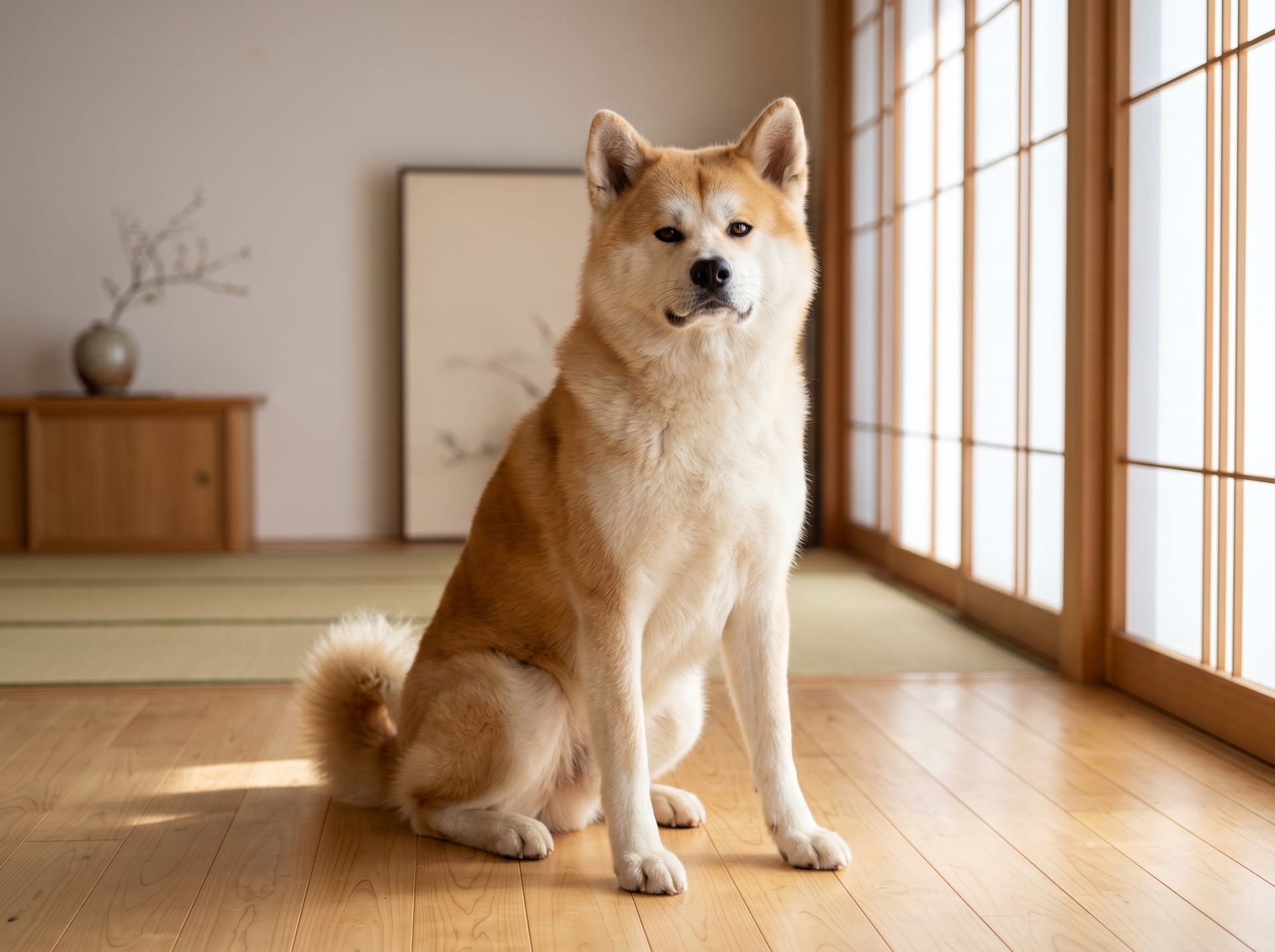
Japan's iconic breed, famous for Hachiko. Dignified and loyal. National treasure.
View 秋田犬 encyclopedia →前 3 筆銷售免佣金!於 2026 年 7 月 31 日前註冊成為繁殖者,前 3 筆銷售免收佣金!
繁殖者 招募中!
在 BreederDirect 上架,直接銷售給全國各地的客戶!
所有幼犬上架中,繁殖者均明示以下資訊。為確保安全透明的直銷交易,布里直售已將法律規定項目設為必須。
※ 晶片植入於《動物保護法》(2022年6月施行)中已成為繁殖業者出品的義務。
br-choku 的所有交易均受交易保障涵蓋。萬一無法迎接寵物將全額退款。健康保障在交付後也讓您安心。
想上架puppies嗎?
註冊成為繁殖者,即可與買家直接聯繫。
The Akita Inu originates from Akita Prefecture in northern Japan, where it served for centuries as a hunting and guard dog. Designated a National Natural Monument in 1931, the breed gained international fame through the story of the loyal Hachiko. Physically, the Akita is striking: a powerful, well-boned frame, a curled tail carried over the back, small triangular ears, and a dense double coat that comes in red, white, brindle, and other colors. Temperamentally, Akitas are calm and dignified, with a depth of loyalty to their family that is rarely matched. They can, however, be independent and reserved around strangers and unfamiliar animals, making early socialization and consistent training essential. For owners who invest the time and care this breed demands, the Akita becomes a deeply devoted companion that carries the quiet strength and cultural heritage of Japan.
1Needs Ample Exercise Space
Due to their large size and moderate-to-high exercise needs, daily walks of at least one hour and access to a spacious yard are ideal. Apartment living is possible, but insufficient exercise can lead to stress and behavioral issues.
2Challenging for First-Time Owners
Akitas have a strong independent streak and may become unmanageable without a clearly established hierarchy. Experienced dog owners or first-timers working closely with a professional trainer are best suited to this breed.
3Caution Around Other Animals
Akitas retain hunting instincts and may show strong prey drive toward cats or small animals. Careful socialization from puppyhood is essential if you plan to keep them with other pets.
4Heavy Shedding to Manage
The Akita's double coat sheds heavily during spring and autumn. Regular brushing 2–3 times a week is needed year-round, increasing to daily grooming during shedding seasons.
5Hip and Eye Health Risks
Hip dysplasia and progressive retinal atrophy (PRA) are health concerns known to affect Akitas. Choosing a puppy from a reputable breeder who conducts health screenings helps reduce these risks.
6Higher-Than-Average Ownership Costs
View 秋田犬 encyclopedia entry →
Care difficulty, lifespan, size and diet — all basics covered.
Larger body size means food, veterinary care, and grooming costs run higher than for small breeds. Food alone can exceed ¥10,000 per month, so budget accordingly for total monthly expenses.
7Low Heat Tolerance
Originating from cold northeastern Japan, Akitas do not tolerate heat and humidity well. Keep indoor temperatures regulated with air conditioning, and avoid walks during the hottest parts of summer days.