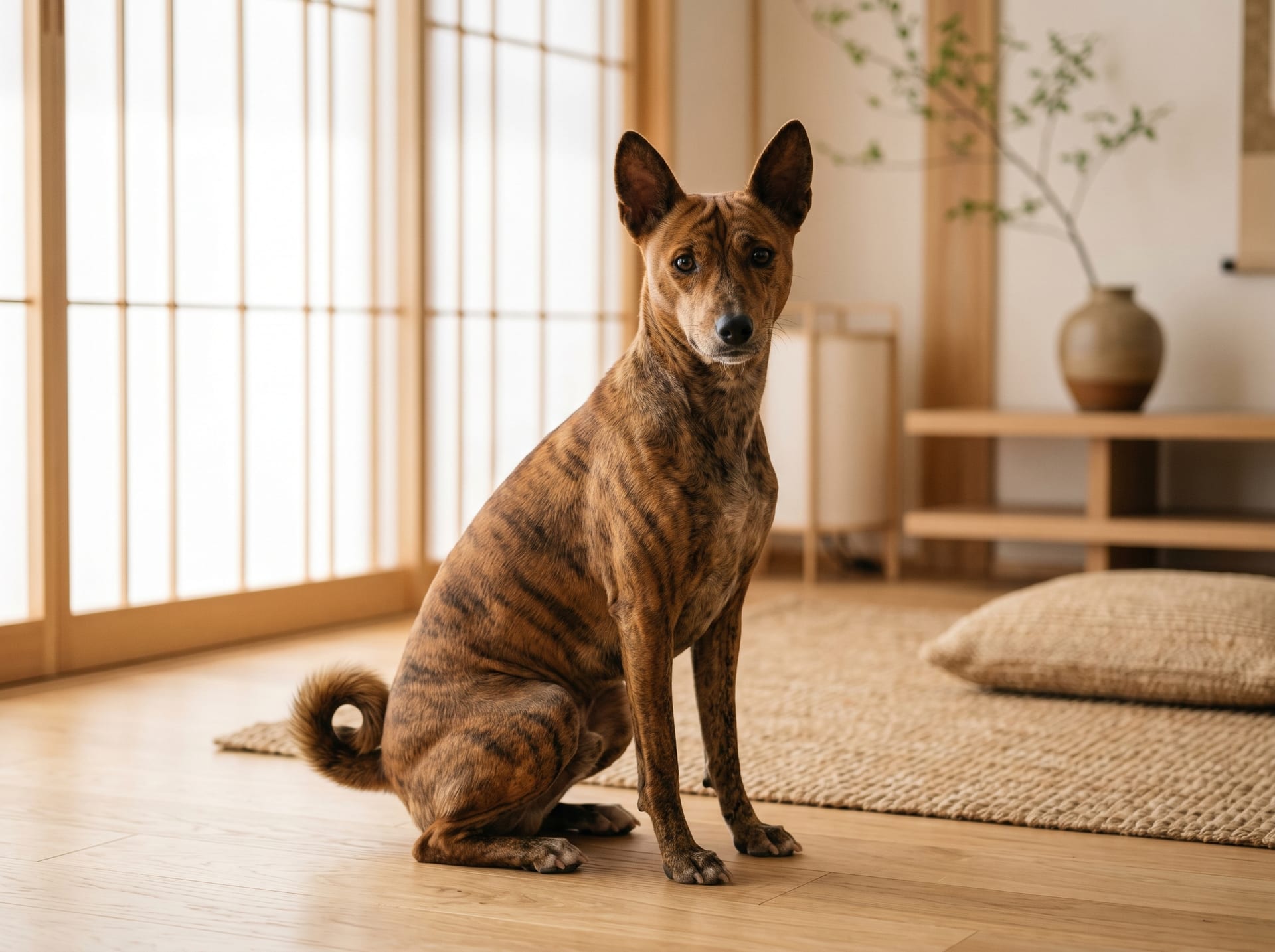
巴仙吉犬
因不吠叫而聞名的非洲原產原始犬種。像貓一樣自我梳理、講究衛生的犬種。壽命為12〜16年。成年體型為體高40〜43cm / 體重9〜12kg。
View 巴仙吉犬 encyclopedia →- 價格行情
- ¥200,000〜¥548,000
成交手續費 0%!2026年9月30日前註冊,前 2 筆成交免佣金!
繁殖者 招募中!
在 BreederDirect 上架,直接銷售給全國各地的客戶!
布里直售承諾的 4 大信任保障
所有幼犬上架中,繁殖者均明示以下資訊。為確保安全透明的直銷交易,布里直售已將法律規定項目設為必須。
- 晶片植入必須
- 疫苗接種
- 已進行健康檢查
- 附血統證書
※ 晶片植入於《動物保護法》(2022年6月施行)中已成為繁殖業者出品的義務。
查看全部129個犬種
狗分類正在招募認證繁殖者
繁殖者正在陸續註冊,即將上架。設定上架通知,不錯過新商品。
「接收上架通知」需免費註冊會員即可設定。當有符合您儲存條件的新商品上架時,我們會以郵件和站內通知提醒您。
巴仙吉犬的基本資料
- 飼養難度
- 適合中級者
- 壽命
- 12〜16年
- 體型
- 肩高40〜43cm / 體重9〜12kg
- 飲食
- 中型犬專用高品質狗糧。食物偏好可能較強
- 性格
- 獨立心強,貓咪般的性格。聰慧但頑固,不適合傳統訓練
- 運動量
- 每天需要60分鐘以上的運動。逃脫本能強,建議在安全環境中運動
- 被毛照護
- 短毛,自我梳理因此體臭少。照護最少
- 原產國
- 剛果
- 注意事項
- 存在范科尼症候群風險。注意脫逃,圍欄須設高
關於巴仙吉犬
巴塞吉犬的歷史悠久,長期陪伴人類,甚至在古代埃及法老獻禮的壁畫中也有記載。其原產地為以剛果共和國為中心的非洲中部地區,當地人稱其為「村犬」,曾用於狩獵小型動物。該犬種在20世紀初傳入歐美,並於1937年在英國正式獲得品種認定。其外觀特徵是肌肉發達、線條緊實,豎立的大耳朵、額頭特有的皺紋以及捲起的尾巴,給人留下深刻印象。被毛短而光滑,毛色有紅色、黑色、三色等多種選擇。性格聰慧、好奇心強,但也有頑固的一面,獨立性強,有時被比作貓科動物。由於體臭輕微、掉毛較少,非常適合室內飼養,加上沒有吠叫聲,也備受考慮在公寓環境中飼養的愛好者關注。
迎接巴仙吉犬前需要了解的7件事
1不吠叫,但並非無聲
巴塞吉犬的聲帶結構與普通犬不同,因此不會發出常規吠叫。不過,它可能會發出被稱為「約德爾」的獨特鳴叫,以及咆哮和其他叫聲。如果過度期望這是一條「安靜的狗」,可能會感到驚訝,因此提前通過視頻等方式了解會更放心。
2強大的獨立心和智力
巴森吉犬非常聰明,但獨立心很強,性格也很固執。對那些期望狗完全服從的飼主來說可能會覺得有些困難,更適合有一定養犬經驗的人。採用短且有趣的訓練課程反覆進行會比較有效。
3旺盛的運動需求
巴森吉犬原本被用作狩獵犬,每天需要充分的運動。理想情況下每天應該保證1~2小時以上的散步或跑步。運動不足容易導致破壞行為或問題行為,比較適合生活方式活躍的飼主。
4謹防逃脫風險
巴森吉犬好奇心非常強,會本能地追逐有趣的氣味或動作而瞬間衝出去。牠們可能會跳過圍欄或挖洞鑽出去,因此在戶外必須使用牽引繩,家中的庭院也需要用足夠高且堅固的圍欄圍起來。無牽引繩的公園散步風險很高。
5如同貓咪般愛乾淨
巴森吉犬有自我清潔的習慣,會用舌頭舔舐身體來保持衛生,體臭較少,掉毛也相對較少。不需要經常洗澡,定期梳毛和耳部、指甲護理通常就足夠了。梳毛工作量少這一點對忙碌的飼主很有吸引力。
6注意范可尼綜合徵
巴仙吉犬特有的遺傳性疾病是「范科尼綜合症(腎尿細管功能障礙)」。如果出現多飲多尿、體重減少、肌肉無力等症狀,應盡早諮詢獸醫。從可信賴的繁殖者處獲得幼犬時,最好確認遺傳基因檢測的實施情況,這樣會更放心。
7與其他寵物的相處
巴仙吉犬具有強烈的追蹤本能,因此與小動物(倉鼠、兔子、鳥等)同居需要十分謹慎。與其他犬隻在社會化得當的情況下可能能夠共存,但同性別之間有時會產生摩擦。從幼犬期就讓它習慣多頭、多物種飼養環境很重要。
巴仙吉犬的常見問題
- Q.公寓裡也能飼養嗎?
- A.由於不吠叫,噪音問題不太容易出現,在公寓等集合住宅中也有可能飼養。但是保證充足的運動量是必需的,需要有每天進行長時間散步和運動的環境和時間。
- Q.初學者也能飼養嗎?
- A.由於獨立性強、性格固執,對於沒有犬類訓練經驗的初學者來說有一定難度。需要耐心的訓練和對犬的習性的理解。建議充分利用經驗豐富的繁殖者和訓練師的支持。
- Q.它真的完全不吠叫嗎?
- A.它不會發出通常犬類的「汪汪」叫聲。但是,它有時會發出被稱為「約德爾」的獨特聲音,以及興奮時的低吼聲和鳴叫聲。它不是完全無聲的,音量和頻率因個體而異。
- Q.掉毛和氣味怎麼樣?
- A.被毛短,脫毛較少,體味在犬種中也相對較淡。它有像貓一樣自我美容的習慣,因此不需要頻繁洗澡。對於在意掉毛和體味的人來說,是相對容易飼養的犬種。
- Q.有遺傳性疾病嗎?
- A.范可尼症候群(腎臟尿細管功能障礙)和進行性視網膜萎縮症(PRA)是巴辛吉犬身上常見的遺傳性疾病。從信譽良好的繁殖者那裡購買時,確認基因檢測結果很重要。定期的健康檢查也有助於早期發現。
適合飼養巴仙吉犬的實用工具
在圖鑑中詳細了解巴仙吉犬
查看巴仙吉犬的圖鑑條目 →
收錄飼養難度、壽命、體長、食性等基礎資料。