成交手續費 0%!2026年9月30日前註冊,前 2 筆成交免佣金!
繁殖者 招募中!
在 BreederDirect 上架,直接銷售給全國各地的客戶!
布里直售承諾的 4 大信任保障
所有幼犬上架中,繁殖者均明示以下資訊。為確保安全透明的直銷交易,布里直售已將法律規定項目設為必須。
- 晶片植入必須
- 疫苗接種
- 已進行健康檢查
- 附血統證書
※ 晶片植入於《動物保護法》(2022年6月施行)中已成為繁殖業者出品的義務。
查看全部129個犬種
狗分類正在招募認證繁殖者
繁殖者正在陸續註冊,即將上架。設定上架通知,不錯過新商品。
「接收上架通知」需免費註冊會員即可設定。當有符合您儲存條件的新商品上架時,我們會以郵件和站內通知提醒您。
迷你雪納瑞的基本資料
- 飼養難度
- 適合新手
- 壽命
- 12~15年
- 體型
- 體高30~36cm / 體重4~8kg
- 飲食
- 小型犬用高品質狗糧。注意避免過多脂肪攝入
- 性格
- 聰慧、活潑、忠誠。具有警衛犬氣質,警戒心強,容易吠叫
- 運動量
- 每天30~60分鐘散步。由於喜歡智力遊戲,應加入訓練和遊戲
- 被毛及護理
- 粗毛質,脫毛少。需要定期修剪(每6~8週一次)
- 原產國
- 德國
- 注意事項
- 易患胰腺炎和尿路結石。建議避免高脂肪食物,定期進行健康檢查
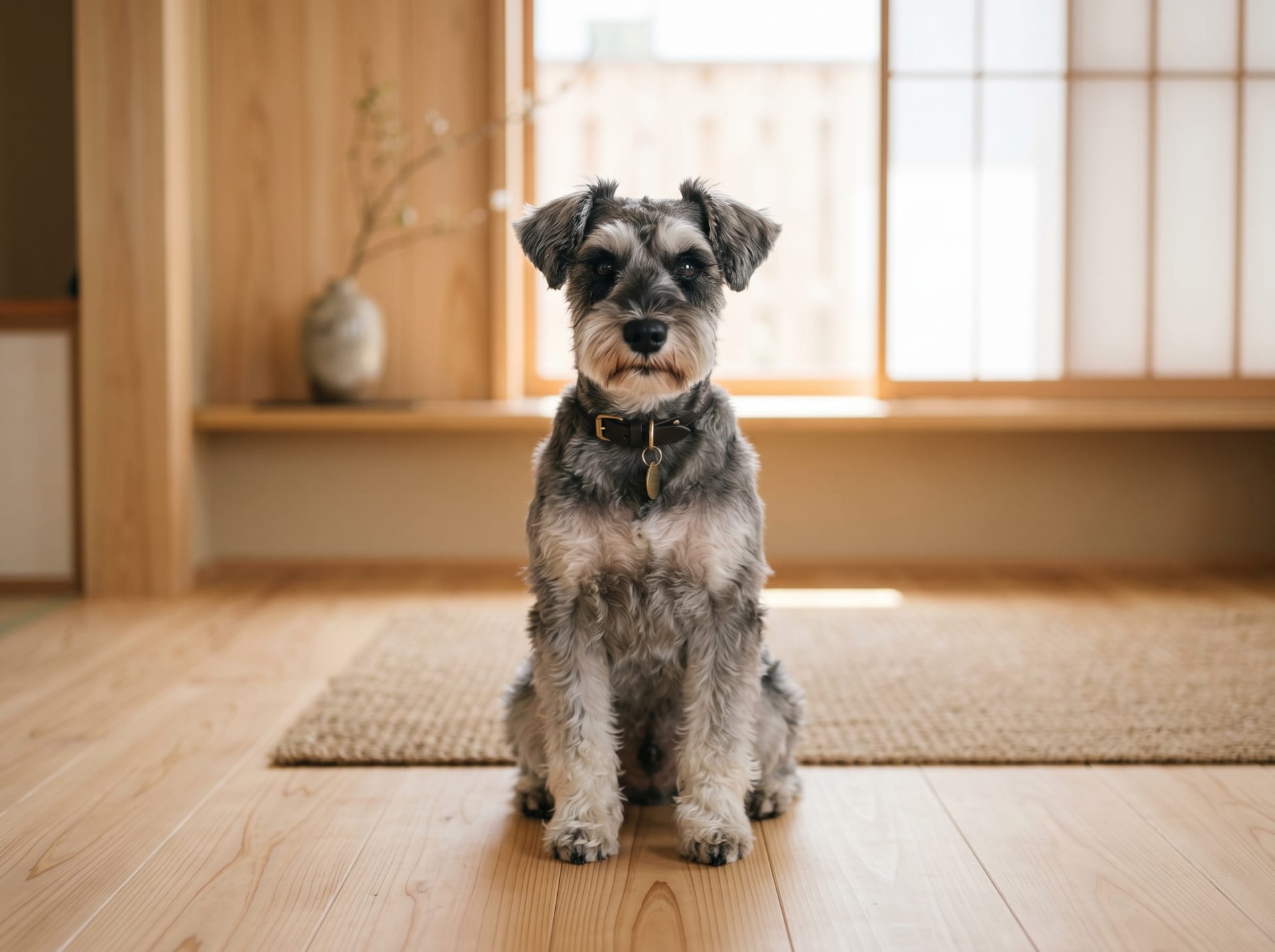
關於迷你雪納瑞
迷你雪納瑞犬原產於德國,有著在19世紀後半將標準雪納瑞小型化而創出的歷史。最初曾用於捕鼠和農場看護,其結實的體格和強烈的警覺性源於這種實用性的起源。體高約30~35cm,體型緊湊但肌肉發達,標誌性的豐富鬍鬚、眉毛和口鬚造就了精悍的表情。毛色通常有鹽椒色、黑銀色、黑色和白色四種。性格活潑好奇,對家族表現出深厚的忠誠心。對陌生人保持謹慎,但與熟悉的人會變成撒嬌的一面,這種二面性是其可愛之處。由於智力高,初學者也容易進行訓練,這是許多養主喜愛它的原因。掉毛少、不易引起過敏的體質也使其在公寓居住的家庭中廣受歡迎。
經營迷你雪納瑞的精選繁殖者
查看全部迷你雪納瑞繁殖者列表(1)→迎接迷你雪納瑞前需要了解的7件事
1定期梳理護理
雪納瑞的雙層毛髮放任不管會很快打結,容易導致皮膚問題。專業修剪的目標是每6~8週進行一次,配合在家每日梳理可以保持良好狀態。特別是鬍鬚周圍在進食後容易髒汙,需要經常擦拭護理。
2吠叫習慣管理
由於這種犬種原本是作為看家犬改良而來的,它容易對陌生人和聲音吠叫。從幼犬期開始進行訓練和充分的社會化培訓,對於控制吠叫習慣很重要。如果考慮在集合住宅中飼養,應該包括對鄰居的體貼在內,堅持早期訓練。
3胰腺炎風險與飲食管理
迷你雪納瑞是已知容易患胰腺炎的犬種,高脂肪飲食和人類食物特別需要注意。以獸醫推薦的低脂肪狗糧為基礎,管理零食的種類和數量有助於保持健康。養成定期進行血液檢查以確認胰腺狀況的習慣會讓人放心。
4運動量中等即可
雖然性格活躍且精力充沛,但每天2次、各30分左右的散步基本上可以滿足所需的運動量。結合室內活動和益智玩具,可以同時滿足身體和心理需求。運動不足會導致壓力和問題行為,因此請確保每天的活動時間。
5警惕尿路結石
迷你雪納瑞是容易形成尿路結石(如草酸鈣結石)的犬種之一。促進充分的飲水攝取,使用專用狗糧和補充劑也有助於預防。如果發現排尿頻繁、血尿或排尿時表現痛苦,應及時去動物醫院就診。
6聰明犬的厭倦管理
由於智商高,如果刺激不足,可能會導致啃咬家具、持續吠叫等問題行為。通過益智玩具、服從訓練、敏捷訓練等日常讓其大腦活躍是有效的壓力釋放方式。對於需要長時間留守的家庭,使用Kong等需要花時間的玩具會很有幫助。
7把握終身費用目安
除了購買費用外,定期美容費用(約每月5,000〜10,000日元)是持續性開支。考慮到胰腺炎和尿路結石等特有的健康風險,建議考慮購買寵物保險。包括狗糧、疫苗和健康檢查在內,建議預留年間20〜40萬日元左右的維持費用才是現實的。
迷你雪納瑞的常見問題
- Q.掉毛少嗎?過敏體質也可以飼養嗎?
- A.與其他犬種相比,這個品種掉毛較少,據說較不容易引發過敏。不過,它並非完全無過敏原,唾液和皮屑也可能引起反應,因此建議在迎接新夥伴前透過訪問繁殖者等方式確認實際反應。
- Q.公寓裡也能飼養嗎?
- A.體型適合公寓環境,只要能確保適當的運動量,就適合室內飼養。但這個品種叫聲很大,具有護衛本性,因此早期訓練和隔音措施對於防止鄰里糾紛非常重要。還要記住確認租住或購買的房屋是否允許飼養寵物。
- Q.修毛需要多久進行一次?
- A.專業修毛一般每6~8週進行一次為目標。在家每天梳毛可以預防毛結和皮膚問題。維持雪納瑞式修剪需要一定的技術,所以很多主人會請專門的修毛師處理。
- Q.飲食方面有需要特別注意的地方嗎?
- A.這個品種容易患胰腺炎,應避免高脂肪食物和人類食物。理想的食物管理以低脂肪、高品質的狗糧為基礎,同時考慮預防尿結石。零食也應選擇低脂肪的,並控制數量。
- Q.即使是初學者也容易訓練這個品種嗎?
- A.該犬種智商高、學習迅速,即使初學者也容易進行基礎訓練。但牠獨立性強,對不一致的訓練方法會產生抗拒。每天堅持進行短時間訓練,並採用獎勵等積極方法效果會更好。
適合飼養迷你雪納瑞的實用工具
在圖鑑中詳細了解迷你雪納瑞
查看迷你雪納瑞的圖鑑條目 →
收錄飼養難度、壽命、體長、食性等基礎資料。