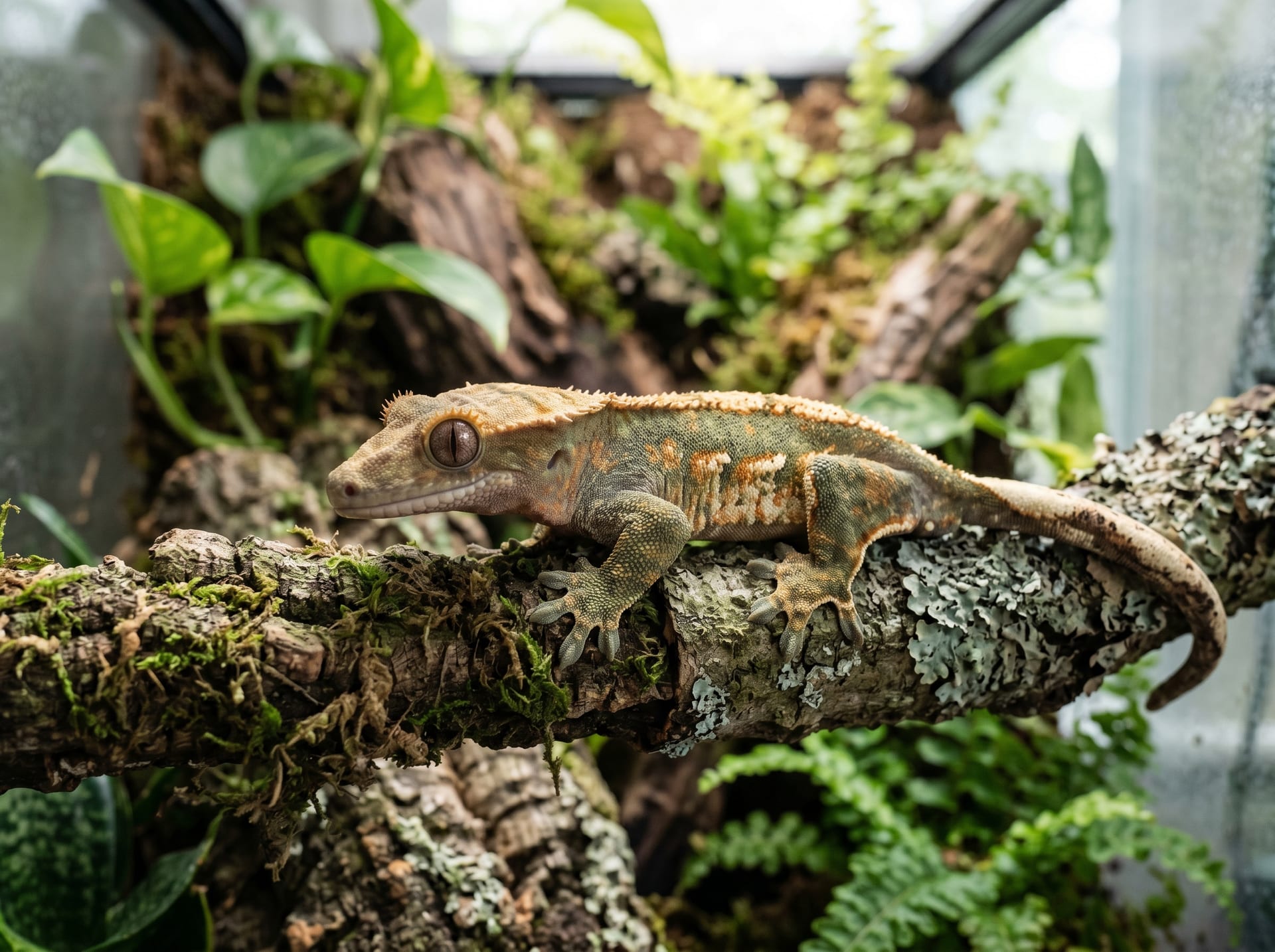
Crested Gecko
Arboreal gecko with distinctive eyelash-like crests. Can be kept at room temperature and fed entirely on prepared diets.
View Crested Gecko encyclopedia →0% commission on your first sales!Register by September 30, 2026 and your first 2 sales are commission-free!
Breeder Wanted!
List on BreederDirect and sell directly to customers nationwide!
6 Transparency Promises from Br-Choku
Every Reptiles & Amphibians from verified Breeder breeders includes complete information: morph, genetics, feeding requirements, and temperament details.
- Morph Information
- Actual Photos
- Feeding Information
- Temperament Information
- Genetics Information
- Age (Months)
Browse all 34 breeds
Difficulty Level
Feeding Type
Temperament
No listings match your filters
Adjust your filters, or get notified when new listings arrive.
Getting alerts is free with a member account. When new listings match your saved search, we'll notify you by email and in-app.
Browse other categories
Verified breeders (preview)
Are you raising reptiles & amphibians?
Register as a breeder and connect with buyers directly.
Apply as a breederCrested Gecko key facts
- Care level
- Beginner-friendly
- Lifespan
- 15-20 years
- Size
- 15-20cm
- Temperature
- 22〜27℃
- Humidity
- 60〜80%
- Diet
- Omnivore (prepared diet + insects)
- Enclosure
- Tall 30x30x45cm+. Climbing branches required
- Temperature
- 22-27°C. Above 30°C is dangerous
- Feeding
- Every 2-3 days (prepared diet)
- Notes
- Tail does not regenerate. Watch for summer heat stress
About Crested Gecko
The crested gecko (Correlophus ciliatus) is a tree-dwelling gecko endemic to the islands of New Caledonia in the South Pacific. First described scientifically in 1866, it was presumed extinct for over a century before being rediscovered in 1994 — a remarkable story that captured the imagination of the reptile-keeping world. Within just a few years of its rediscovery, it had become one of the most widely kept reptile species globally. The "crests" for which it is named are rows of hair-like projections running from above each eye down the sides of the body, varying in shape and density between individuals. Through selective breeding, hundreds of distinct color morphs now exist, from deep chocolate browns to vivid oranges and pale creams. Temperamentally, crested geckos tend to be calm and relatively tolerant of careful handling once accustomed to their keeper. Their adhesive toe pads allow them to climb smooth vertical surfaces effortlessly, making a tall, enriched enclosure an ideal home. The ability to thrive on powdered commercial diets without live prey is a practical advantage that continues to draw in new enthusiasts and experienced breeders alike.
7 things to know before welcoming a Crested Gecko
1Ideal Temp: 20–26°C
Crested Geckos are sensitive to heat and can suffer heat stress above 28°C. Summer management with air conditioning or cooling measures is essential, especially when temperatures exceed 30°C. In winter, maintain a minimum of around 20°C to keep them comfortable.
2Thrives on Commercial Diet
Powdered commercial diets such as Repashy Crested Gecko Diet, mixed with water, provide complete nutrition as a staple food. Some individuals enjoy live feeders like crickets, but these are not required. Feeding two to three times per week is a general guideline.
3Vertical Space Is Essential
As arboreal animals, Crested Geckos need vertical enclosures taller than they are wide. An enclosure of at least 45×45×60 cm is recommended for adults. Provide branches, cork bark, and plants—real or artificial—to create a three-dimensional climbing environment.
4Keep Humidity 50–80%
Proper humidity helps prevent incomplete shedding. Mist the enclosure one to two times daily, aiming for around 80% at night and allowing it to drop to 50–60% during the day. Coconut fiber substrate retains moisture well and supports this cycle.
5Tail Drop: Know the Risk
Crested Geckos can drop their tails under significant stress or rough handling. Unlike many other lizards, the tail does not regenerate—the gecko will live tailless for the rest of its life. Handle them gently and avoid sudden movements or forced restraint.
6Nocturnal: Active at Night
Crested Geckos rest in hides during the day and become active from evening onward. If you want to interact during daylight hours, keep sessions brief and ensure the gecko has a calm, secure retreat. UVB lighting is not strictly required but low-level UVB may support long-term health.
7Estimated Initial Costs
Common morphs are typically priced between 10,000 and 30,000 yen, while rare morphs can exceed 100,000 yen. Budget an additional 10,000–30,000 yen for starter equipment including an enclosure, thermometer/hygrometer, mister, and diet. Monthly running costs are relatively low—primarily the cost of commercial diet powder.
Frequently asked questions about Crested Gecko
- Q.Is the crested gecko suitable for first-time reptile keepers?
- A.Yes, crested geckos are widely considered one of the best reptiles for beginners. They don't require UVB lighting or precise heating setups, and they accept commercial powdered diets readily. That said, prospective keepers should understand that these are nocturnal animals sensitive to high temperatures before committing.
- Q.How long do crested geckos typically live?
- A.With proper care, crested geckos can live 15–20 years in captivity, making them a long-term commitment. The average lifespan for well-kept individuals is typically cited as 10–15 years. Prospective owners should plan accordingly before acquiring one.
- Q.Do crested geckos need to be fed every day?
- A.Daily feeding is not necessary — replacing the food dish with fresh powdered diet every two to three days is the standard practice. Any leftover food should always be removed promptly to prevent mold and bacterial growth inside the enclosure.
- Q.Can multiple crested geckos be housed together?
- A.Adult males will fight aggressively and should never be housed together. Female-female pairs or male-female pairs can sometimes coexist, but individuals must be monitored closely for signs of stress or bullying. For beginners, single-animal housing is the safest and most straightforward approach.
- Q.What should I do if my crested gecko drops its tail?
- A.Tail loss is a natural defensive response and is rarely life-threatening. Keep the enclosure clean to reduce infection risk, and consult a reptile-experienced veterinarian if you notice redness, swelling, or discharge at the wound site. Because crested geckos do not regenerate their tails, the animal will remain tailless permanently, though this does not significantly affect quality of life.
Useful tools for Crested Gecko care
Learn more about Crested Gecko in the encyclopedia
View Crested Gecko encyclopedia entry →
Care difficulty, lifespan, size and diet — all basics covered.
Crested Gecko related articles
Complete Crested Gecko Care Guide | Temperature, Humidity, Feeding, Handling, and Health Management
Complete guide to caring for Crested Geckos (Correlophus ciliatus). Covers essential enclosure sizing, temperature and humidity control, when to use commercial powder food versus crickets, how to acclimate them to handling, and practical solutions for health issues like tail loss and shedding problems.
Complete Guide to Crested Gecko Care | Cage, Temperature, Diet, and Breeding Basics
A beginner's guide to caring for the popular crested gecko. This guide covers vertical enclosures, temperature management, the use of commercial food (CGD), and the basics of breeding.
Gecko Species Comparison Guide: Characteristics and Care Difficulty from Beginner to Advanced Species
Compare characteristics, care difficulty, and required equipment for popular gecko species such as Leopard Geckos, Crested Geckos, and Gargoyle Geckos. We also explain native species like the Japanese House Gecko and clarify the differences between geckos, newts, leopard geckos, and the term "gecko."
Gargoyle Gecko Care Guide | Differences from Crested Geckos and Care Tips
Explains Gargoyle Gecko care methods. Introduces differences from Crested Geckos, temperature and humidity management, fruit food selection, and handling tips.
Crested Gecko Morph Guide | Popular Varieties and Genetic Patterns
Explore Crested Gecko morphs explained. Discover the characteristics and genetics of Harlequin, Dalmatian, Pinstripe, and other popular patterns.
[Complete Comparison] Leopard Gecko vs Crested Gecko | Care Difficulty, Cost, and Key Differences
Complete comparison of care difficulty, initial cost, lifespan, and temperament between leopard and crested geckos. Which gecko is right for you?
More in this category
Can't find the one you're looking for?
Post your wishes for free and breeders with matching animals will contact you with introductions.