Crested Gecko Morph Guide | Popular Varieties and Genetic Patterns
Explore Crested Gecko morphs explained. Discover the characteristics and genetics of Harlequin, Dalmatian, Pinstripe, and other popular patterns.
Key Takeaways
Explore Crested Gecko morphs explained. Discover the characteristics and genetics of Harlequin, Dalmatian, Pinstripe, and other popular patterns.
Related Species
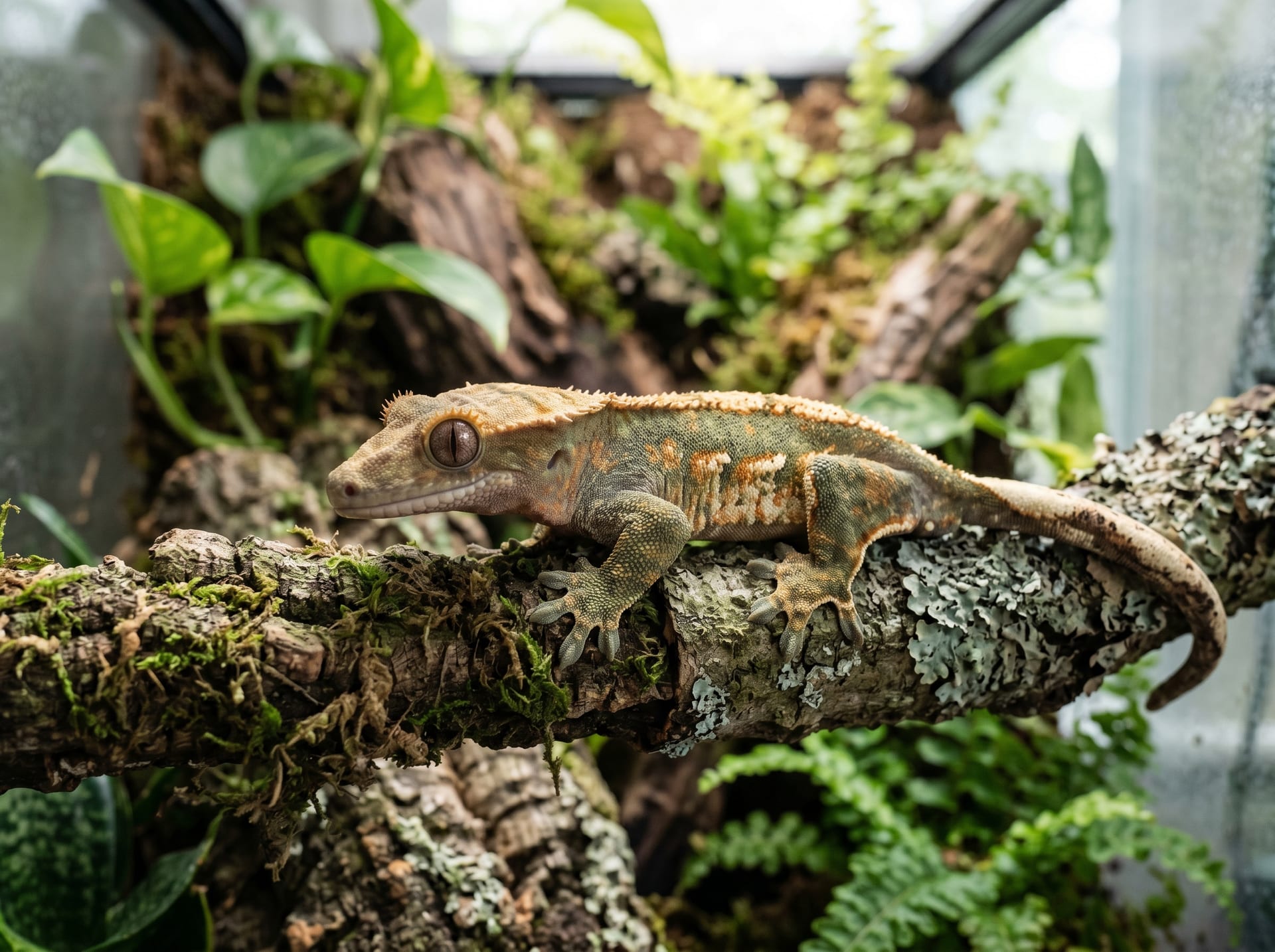
The Crested Gecko (Correlophus ciliatus) was thought to be extinct until it was rediscovered in New Caledonia in 1994, making it a legendary species that had disappeared from the world. In the more than 30 years since its rediscovery, it has spread to breeders worldwide, and today it boasts an impressive diversity of morphs second only to the Leopard Gecko. With a docile temperament and relatively easy care requirements, it has become a popular starter species for reptile enthusiasts. At the same time, the depth of available morphs continues to captivate advanced collectors. This article provides a comprehensive guide covering the characteristics of major morphs, the mechanisms of genetics, and the fundamentals of care.
The Relationship Between Crested Geckos and Morphs
A "morph" refers to variations in appearance resulting from genetic mutations. Crested Gecko morphs are created by complex combinations of three elements: body color, markings, and pattern, resulting in countless variations.
Unlike Leopard Geckos, where morphs are created by accumulating single-gene mutations such as "Albino" or "Eclipse," most Crested Gecko morphs are polygenic (multi-gene) traits. This means multiple genes are involved, and breeding two specific parents does not guarantee identical offspring. To consistently produce high-quality individuals, selective breeding over multiple generations—known as "line selection"—is necessary. This is also why high-quality individuals command premium prices.
Characteristics and Identification of Major Morphs
Flame
This morph features cream, bright orange, or yellow patterns running like flames from the center of the back toward the head. It is the most basic and widely distributed morph among Crested Geckos, making it easy to obtain at beginner-friendly prices. The clarity of the back pattern and body color contrast are key indicators of quality.
Harlequin
This morph extends the Flame pattern beyond the back to the lateral (side) portions of the body. Individuals with patterns covering more than 50% of the body are typically called "Harlequin," with higher pattern coverage considered higher quality. "Extreme Harlequins" covering 80-90% or more are particularly popular and command higher prices.
✍️
BreederDirect Editorial
The BreederDirect editorial team specializes in care information for animals, covering veterinary care and breeding to deliver beginner-friendly guides.
Find Reptiles on BreederDirect
Buy directly from verified breeders
Browse Related Listings
Find Reptiles listings related to this article on BreederDirect. Buy directly from verified breeders.
Breeding Reptiles?
You can list what you have raised on BreederDirect. Registration and listing are free — fees apply only when a deal closes.
This morph is characterized by black spots scattered across the entire body, resembling the Dalmatian dog breed in appearance. The more spots present, the higher the value. Individuals with more than 100 spots are called "Super Dalmatians" and are highly prized by enthusiasts. Many combo morphs combining Dalmatian spots with Flame or Harlequin patterns have also been developed.
Pinstripe
This morph features the raised ridge (crest) scales along both sides of the back highlighted in bright colors, creating fine stripe-like lines. Individuals with lines that run unbroken from the head to the base of the tail are considered high quality. Pinstripe combinations create even more pronounced lines and visual impact.
Lilly White
A relatively new morph that began circulating in the late 2010s, featuring a co-dominant genetic trait that causes part or most of the body to turn white. In heterozygotes (Lilly White × Normal), white patterns appear partially, while homozygotes (Lilly White × Lilly White) are lethal. Breeding therefore requires heterozygous individuals paired together. The contrast between white and other patterns is exceptionally beautiful, making it one of the most sought-after morphs today.
Other Notable Morphs
Tiger: Features horizontal stripe patterns. The clarity of stripes is the quality standard.
Bicolor: A simple yet striking morph where the back and belly are distinctly different colors.
Monocolor: The entire body is nearly uniform in color. Black and dark gray individuals are especially popular.
Crested Gecko Major Morphs Overview
Morph
Characteristics
Genetics
Flame
Flame-like patterns on back; most common, beginner-friendly
Polygenic
Harlequin
Patterns extend to sides (covers 50%+ of body)
Polygenic
Dalmatian
Black spots scattered (100+ spots = Super)
Polygenic
Pinstripe
Ridge scales edged in bright color, fine lines
Polygenic
Lilly White
Body turns white (homozygotes lethal; breed hetero × hetero)
Co-dominant
Tiger
Horizontal stripe patterns
Polygenic
Bicolor/Monocolor
Two-toned/nearly solid color
Polygenic
Since the majority are polygenic (multi-gene) traits, identical offspring to the parents cannot be guaranteed; quality is improved through line selection.
Understanding the Genetics
Knowledge of genetics is essential to understanding Crested Gecko morphs.
Polygenic Inheritance (Multi-Gene Inheritance)
Most morphs—Flame, Harlequin, Dalmatian, Pinstripe, and many others—are polygenic. Because multiple genes influence color and pattern intensity, parental traits are not guaranteed to pass to offspring. To consistently produce high-quality individuals, breeders must conduct "line selection," selectively pairing superior individuals over multiple generations.
Co-Dominant Inheritance (Codominant Inheritance)
Lilly White is the prime example. In heterozygous individuals carrying one copy of the morph gene (Lilly White × Normal), the phenotype appears intermediate, while homozygous individuals (Lilly White × Lilly White) are lethal. Lilly White breeding therefore produces approximately 50% Lilly White (heterozygous) and 50% Normal offspring.
Practical Breeding Strategies
Selecting high-quality parent individuals is the most critical factor
Verify multi-generation lineage information (parent photos)
For polygenic morphs, dramatic improvements in a single generation are difficult; a long-term perspective is necessary
Absolutely avoid homozygous Lilly White pairings
Basic Care and Environment Setup
To fully showcase a morph's beauty, appropriate husbandry is essential.
Temperature and Humidity Management
Crested Geckos are sensitive to high temperatures, and 30°C or above poses a risk to life. Maintain 22-26°C during normal care, with special attention to temperature control during summer. Aim for 50-70% humidity, misting 1-2 times daily to prevent drying. Excessive humidity increases respiratory disease risk, making a well-ventilated enclosure important.
Enclosure and Environmental Enrichment
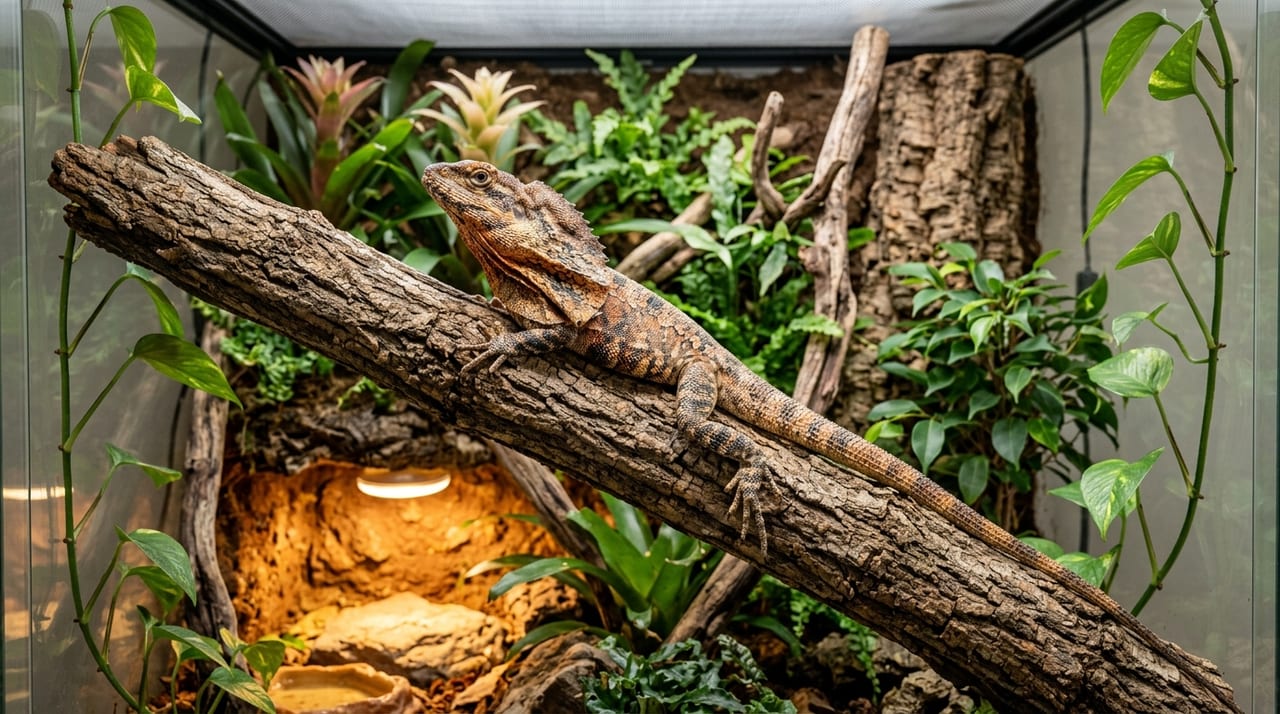
As arboreal species, tall enclosures are essential. Heights of 45cm or more are recommended. By combining driftwood, cork bark, and artificial plants to create a three-dimensional space, you can replicate a natural environment. Since they are active climbers, more climbing surfaces reduce stress.
Diet and Nutrition Management
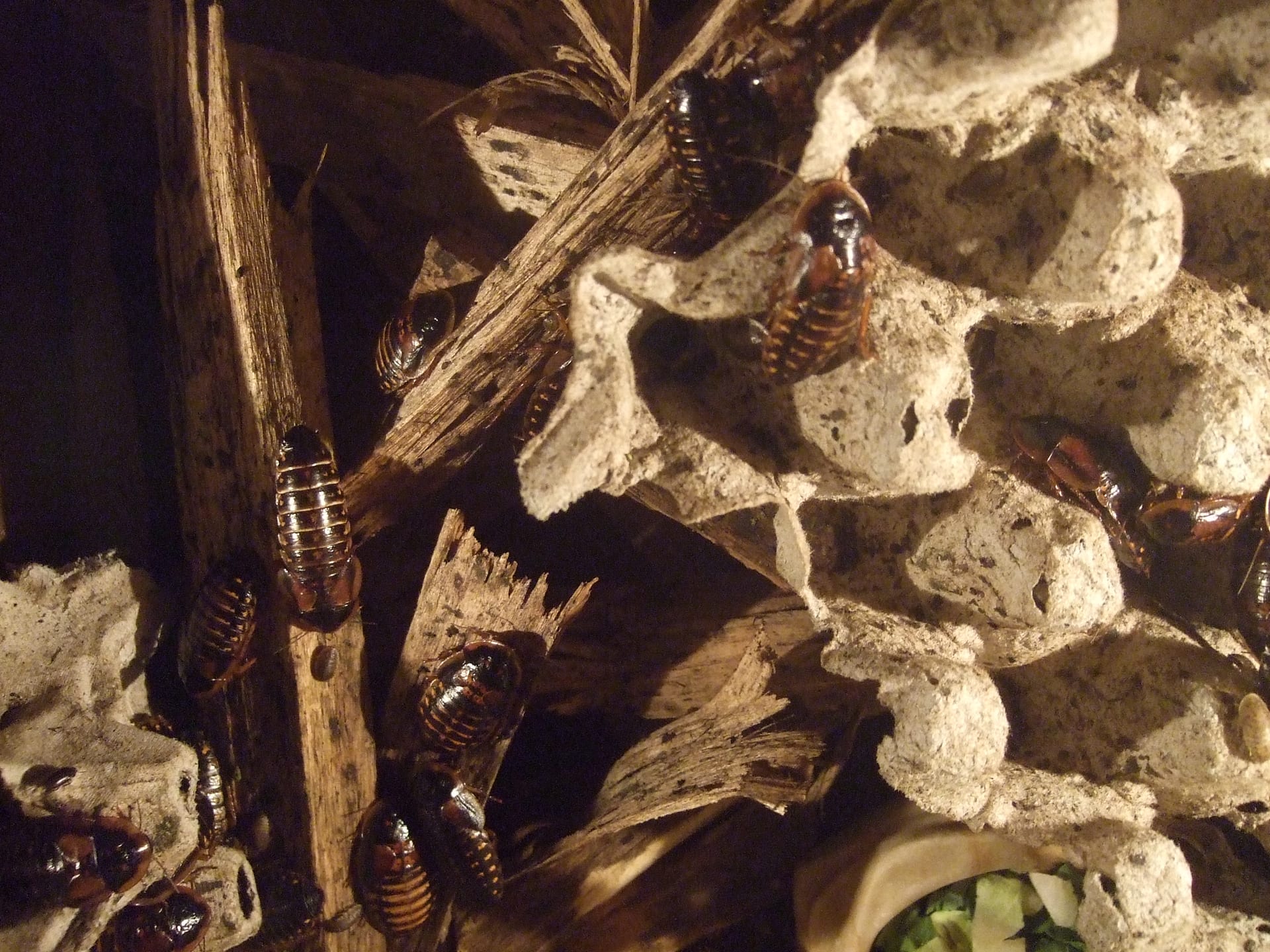
The primary diet is Crested Gecko Diet (CGD), a powdered food mixed with water, formulated to provide all necessary nutrients on its own. Offering insects like crickets or Dubia roaches 1-2 times weekly mimics a more natural diet. Calcium and Vitamin D3 supplementation is also important for preventing metabolic bone disease.
BreederDirect's Safe and Secure System
When selecting a Crested Gecko morph, purchasing from a trustworthy source is essential. BreederDirect operates as a platform directly connecting breeders and buyers, providing a transparent trading environment.
Parent photos and lineage information are public: You can assess the expected morph quality beforehand based on the parents.
Direct questions to breeders are possible: You can ask breeders directly about details that are difficult to inquire at pet shops—such as care environment, health status, and handling experience.
You can select from established breeders: By reviewing seller profiles and past transaction history, you can confidently find trustworthy breeders.
A wide variety of morphs are available: From Flame to Lilly White and combo morphs, a broad selection of individuals is displayed, making it easy to find your ideal companion.
Morph selection should be based on overall considerations including appearance preference, health status, and ease of care. Use BreederDirect to find your special companion.