Aocho Medaka
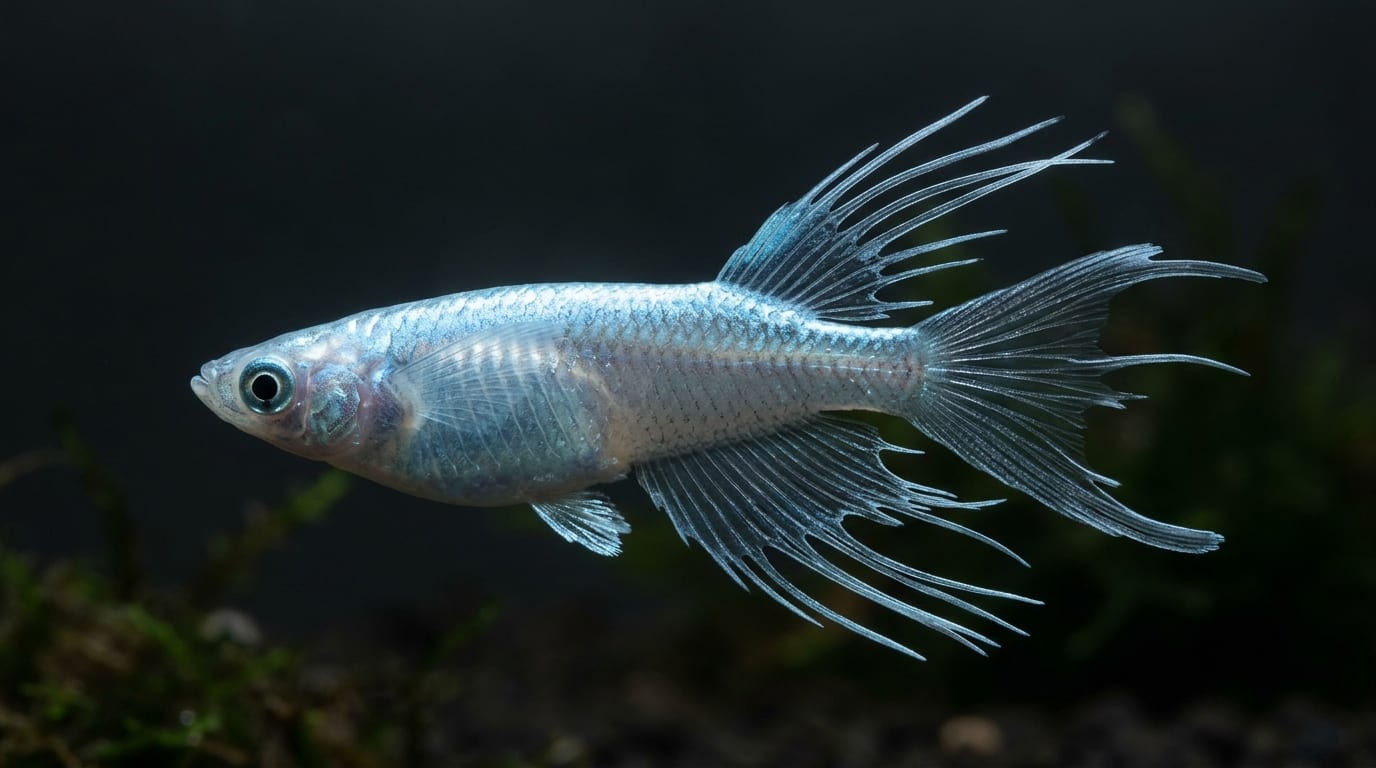
Aocho Medaka combines the translucent body glow of Aomiyuki with the flowing long fins of Miyuki Longfin, resulting in an elegant ornamental variety. Its name, meaning "blue butterfly," reflects how its fins spread and flutter like butterfly wings as it swims. First bred in 2018, this relatively new variety is known for a glossy stripe running along its back paired with soft, trailing fins. Unlike most longfin varieties where only males develop long fins, both male and female Aocho Medaka display this trait, making every individual visually striking. Because maintaining its body glow and fin quality takes some experience, this variety is generally recommended for intermediate keepers who are already comfortable with basic medaka care.
View Aocho Medaka encyclopedia →0% commission on your first sales!Register by September 30, 2026 and your first 2 sales are commission-free!
Breeder Wanted!
List on BreederDirect and sell directly to customers nationwide!
9 Transparency Commitments from Br-Choku
Each Medaka listing includes the following from Breeder. Full transparency on color variations (Yokihi/Miyuki/Lame) and lineage guaranteed.
- Variety Name
- Lineage
- Actual Photos
- Color Classification
- Body Type
- Scale Type
- Size
- Origin
- Age/Generation
Browse all 116 breeds
Color
Scale Type
No listings match your filters
Adjust your filters, or get notified when new listings arrive.
Getting alerts is free with a member account. When new listings match your saved search, we'll notify you by email and in-app.
Browse other categories
Verified breeders (preview)

Aocho Medaka key facts
- Care level
- Intermediate
- Lifespan
- 2-3 years
- Size
- Up to about 4cm SL
- Temperature
- 18〜28℃
- Diet
- Prepared medaka food, green water
- Lighting
- The extended fins readily take fin luminescence, so the variety suits side viewing. Outdoors, shade half the container with a reed screen or similar to avoid summer overheating.
- Diet & Nutrition
- Commercial prepared medaka food is the staple, given in an amount finished within a few minutes. Leftovers decay and foul the water, so adjust the quantity. Green water rich in phytoplankton suits fry rearing.
- Water Temperature & Quality
- Slightly acidic to slightly alkaline water is considered ideal, and the water drifts toward acidic as keeping continues. Around one water change per week is the guideline, and because sudden shifts in temperature or pH cause stress, acclimatise new fish by floating the bag. FishBase records the wild water chemistry of this species as pH 7.0-8.0 and hardness 9-19 dH.
- Tank Mates & Compatibility
- Elongated fins are easily damaged by obstructions or crowding, so keep the container uncluttered and the stocking light. A peaceful schooling fish, normally kept as a group of the same variety. One litre of water per fish is the guideline against overcrowding; overstocking causes poor growth, reduced breeding, oxygen shortage and water fouling.
- Breeding
- Females also carry the extended fins, which makes assessing breeding stock straightforward. Outdoors the spawning season runs from about April to October, once water reaches 18C or above with 12-13 hours of daylight. For year-round indoor breeding, 25-28C water and over 13 hours of lighting are the guideline. Eggs hatch at a cumulative 250 degree-days, about 10 days at 25C.
- Health & Notes
- Hirenaga elongates both rays and membrane, while long fin extends only the rays with no membrane behind them. Carrying both, fin shape varies noticeably between individuals. Outdoors the fish become inactive and overwinter near the bottom as water cools, resuming activity in spring once daytime water exceeds 10C. A 0.3-0.5% salt bath is used for ailing fish, with water raised to no more than about 28C.
About Aocho Medaka
Aocho Medaka blends Aomiyuki's body glow with Miyuki Longfin's flowing fins. Both sexes display long, elegant fins in this variety first bred in 2018, best suited to intermediate keepers.
7 things to know before welcoming a Aocho Medaka
1Fin-Safe Tank Setup
Aocho Medaka is known for its long, flowing fins inherited from Miyuki Longfin. Check your tank for sharp decorations or filter intakes that could snag or tear the fins. A spacious tank lets the fins move freely and shows off their beauty.
2Choose Calm Tankmates
Long fins can be an easy target for nipping by more aggressive fish. Avoid housing Aocho Medaka with boisterous species, and stick to calm medaka varieties or keep them on their own.
3Fins Beautiful in Both Sexes
Unlike most longfin varieties where only males grow long fins, both males and females of Aocho Medaka display this trait. This means either sex makes for an eye-catching display on its own.
4A Setup That Shows Off the Glow
The body glow inherited from Aomiyuki stands out most against dark substrate and backgrounds. Thoughtful lighting and layout choices can highlight both the glossy back stripe and the trailing fins.
5Stable Water Quality and Temperature
As with medaka in general, sudden shifts in water quality or temperature can stress the fish. Regular water changes and temperature checks during seasonal transitions help keep them healthy.
6Why It Suits Intermediate Keepers
Maintaining the body glow and longfin traits takes closer observation and experience than typical medaka care. Building basic medaka-keeping skills first helps you enjoy Aocho Medaka's appearance long-term.
7Acclimating Before Introduction
When introducing new fish, float the bag in the tank to match water temperature, then gradually mix in tank water before release. This slow acclimation reduces stress from sudden environmental change.
Frequently asked questions about Aocho Medaka
- Q.What does Aocho Medaka look like?
- A.It combines the body glow inherited from Aomiyuki with the long, flowing fins of Miyuki Longfin. The fins flutter gracefully as it swims, resembling a butterfly in motion.
- Q.Can beginners keep this variety?
- A.Aocho Medaka is generally considered suitable for intermediate keepers. Having some basic medaka-keeping experience first makes it easier to maintain its glow and fin quality.
- Q.Do males and females look different?
- A.In most longfin varieties only males grow long fins, but in Aocho Medaka both sexes develop this trait. That means either males or females make for a striking display.
- Q.How large does it grow?
- A.Adults reach a standard length of up to about 4 cm, which is a typical size range for medaka.
- Q.Can it be kept with other fish?
- A.Because its long fins can attract nipping, avoid keeping it with aggressive fish. Pairing it with calm medaka varieties is recommended.
Useful tools for Aocho Medaka care
Learn more about Aocho Medaka in the encyclopedia
View Aocho Medaka encyclopedia entry →
Care difficulty, lifespan, size and diet — all basics covered.
More in this category
Can't find the one you're looking for?
Post your wishes for free and breeders with matching animals will contact you with introductions.