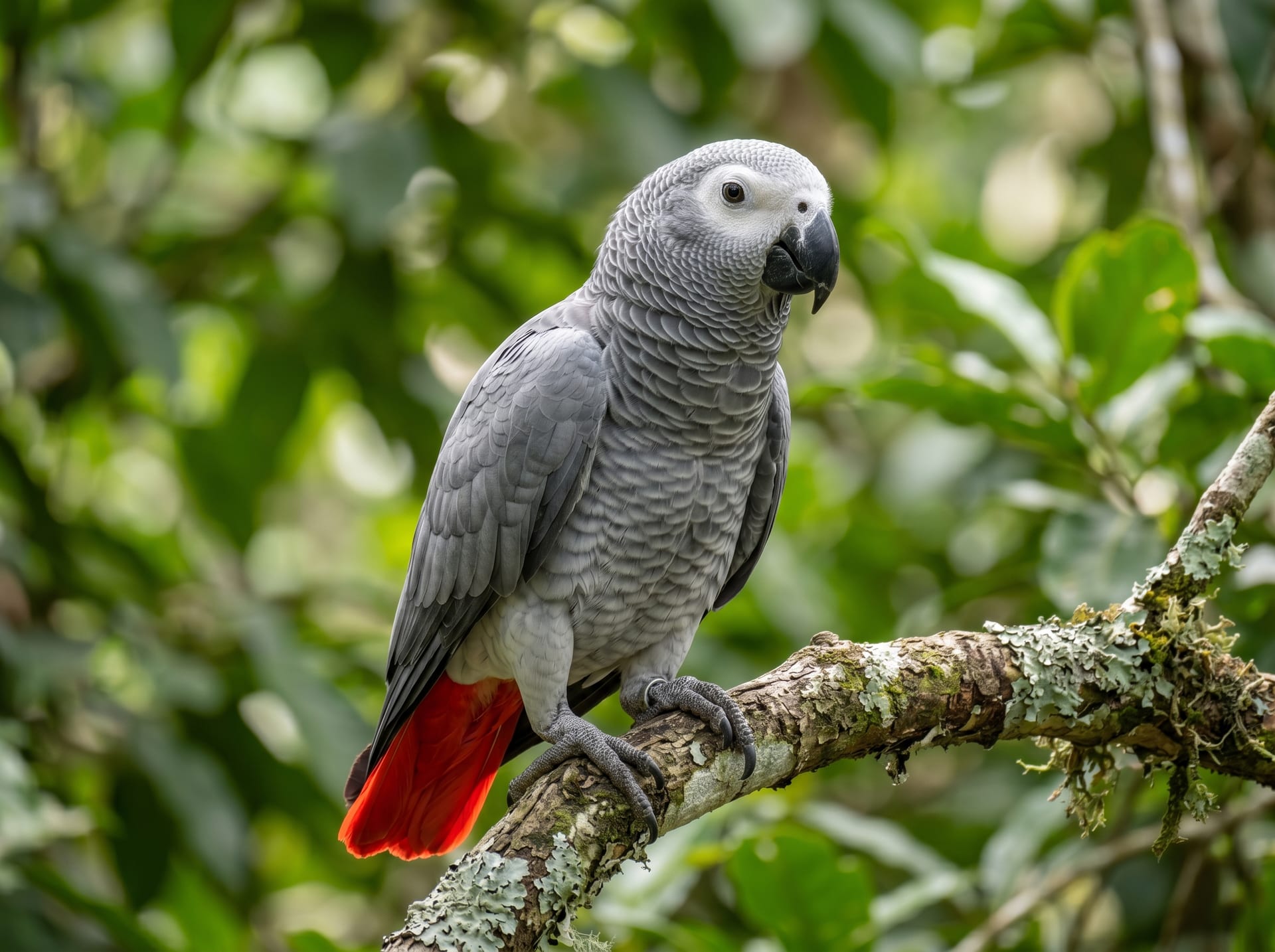
African Grey Parrot
Considered the most intelligent bird. Can understand and use human language. Grey body with red tail. Lives 50+ years.
View African Grey Parrot encyclopedia →- Price Range
- ¥210,000〜¥210,000
0% commission on your first sales!Register by September 30, 2026 and your first 2 sales are commission-free!
Breeder Wanted!
List on BreederDirect and sell directly to customers nationwide!
Six Transparency Commitments from BreederDirect
All Birds listings include complete Breeder transparency: hand-raised status, DNA sex determination, and health certification details.
- Hand-Raised
- DNA Sex-Determined
- Health Certified
- Origin Disclosed
- Color Variation Specified
- Age in Months Disclosed
Browse all 35 breeds
Care Level
No listings match your filters
Adjust your filters, or get notified when new listings arrive.
Getting alerts is free with a member account. When new listings match your saved search, we'll notify you by email and in-app.
Browse other categories
Verified breeders (preview)
African Grey Parrot key facts
- Care level
- Advanced
- Lifespan
- 40-60 years
- Size
- 30-35cm
- Diet
- High-quality pellets, vegetables, fruits, nuts
- Cage
- Large cage essential (60cm+)
- Enrichment
- Enrichment toys matching high intelligence essential
- Social
- Forms deep bonds. Sensitive to loneliness
- Noise
- Mimics speech and environmental sounds
- Notes
- Prone to feather plucking — mental care critical
About African Grey Parrot
The African Grey Parrot originates from the tropical rainforests of central and western Africa, with two recognized subspecies: the Congo African Grey and the Timneh African Grey. Historically prized as companion birds by European royalty, they gained scientific renown through the research of animal psychologist Irene Pepperberg, whose studies demonstrated their ability to understand numerical concepts, identify colors, and grasp object attributes. Their plumage is a uniform slate grey, with the striking exception of a bright red tail that gives the species its distinctive silhouette. In temperament, African Greys are curious yet cautious, and once trust is established, they become deeply affectionate with their chosen person. They are sensitive birds that thrive on routine and do not adjust well to sudden environmental changes. Their high intelligence means they bore easily and require daily conversation and ample enrichment. For those seeking a profound, decades-long bond with a remarkably intelligent animal, the African Grey is a uniquely rewarding companion.
7 things to know before welcoming a African Grey Parrot
1Lifespan Exceeds 50 Years
African Greys commonly live 50 to 70 years, and may outlive their owners. Before bringing one home, it is important to plan for a trusted caretaker in case circumstances change. This is a lifelong commitment that requires serious forethought.
2High Intelligence Needs Stimulation
Due to their exceptional intelligence, African Greys can develop feather-plucking and other behavioral issues when bored or under-stimulated. Daily interaction, play sessions, and enrichment toys are essential. Mental engagement is as important as physical care.
3Emotionally Sensitive Nature
African Greys are highly sensitive to environmental changes and their owner's emotional state. Moving, changes in family members, or extended absences can cause significant stress. Maintaining a consistent routine and a calm environment is essential for their wellbeing.
4Spacious Cage Is Essential
With a body length of around 33 cm, African Greys require a spacious cage — at minimum 90 cm in width, depth, and height. Daily out-of-cage time for free flight and exercise is also necessary to prevent health issues related to inactivity.
5Diet Requires Variety
A balanced diet of pellets supplemented with vegetables, fruits, and grains is recommended. African Greys are particularly prone to calcium and vitamin A deficiencies, so dietary variety is important. Toxic foods such as avocado, chocolate, and alcohol must be strictly avoided.
6Regular Avian Vet Visits Needed
African Greys instinctively hide signs of illness, so health issues can be advanced by the time symptoms are noticeable. Annual or biannual check-ups with an avian veterinarian are strongly recommended. Research and secure a qualified avian vet before bringing your bird home.
7Long-Term Costs Are Significant
African Greys typically cost several hundred thousand yen to purchase, with ongoing expenses including a large cage, pellets, toys, and veterinary care adding up significantly. Over a lifespan of 50 or more years, the total cost can be substantial. Financial planning is an important part of responsible ownership.
Frequently asked questions about African Grey Parrot
- Q.Can I keep one if I live alone?
- A.Keeping an African Grey while living alone is possible, but it is not well-suited to a lifestyle involving frequent or prolonged absences. They have a strong need for social interaction and thrive with several hours of daily engagement. Before committing, honestly assess whether your daily schedule allows for consistent quality time.
- Q.When do they start talking?
- A.While there is individual variation, most African Greys begin producing words or short phrases between six months and one year of age. Vocabulary and comprehension tend to develop rapidly between two and three years old. Both genetic factors and environmental input, including how frequently the bird is spoken to, influence how much and how clearly they talk.
- Q.How can I prevent feather plucking?
- A.Feather plucking can stem from boredom, stress, nutritional deficiencies, or skin conditions, among other causes. Providing adequate mental stimulation and a stable, low-stress environment is the foundation of prevention. If plucking occurs, consulting an avian veterinarian promptly to identify the underlying cause is strongly advised.
- Q.Can they live with other pets?
- A.Cohabitation with dogs or cats is not impossible with careful management, but contact with animals that have predatory instincts always carries inherent risk. Keeping them in separate spaces and avoiding direct unsupervised contact is the basic safety approach. Housing multiple African Greys together is also dependent on individual compatibility and requires a slow, carefully managed introduction process.
- Q.What indoor temperature suits them?
- A.African Greys are generally comfortable in indoor temperatures ranging from 20 to 28 degrees Celsius. Sudden temperature drops and cold drafts should be avoided, as they can cause illness. During winter months, maintaining humidity at around 50 to 60 percent, in addition to temperature control, supports their respiratory health and feather condition.
Useful tools for African Grey Parrot care
Learn more about African Grey Parrot in the encyclopedia
View African Grey Parrot encyclopedia entry →
Care difficulty, lifespan, size and diet — all basics covered.
African Grey Parrot related articles
Complete Guide to Keeping African Grey Parrots | Care and Health Management for Their Intelligence and Sensitivity
African Grey Parrots are medium-sized parrots from Africa renowned for their exceptional intelligence—often compared to a five-year-old human—and remarkable lifespan of 40 to 60 years. This complete guide covers everything needed to raise African Greys healthily and long-term: diet, cage environment, calcium deficiency prevention, feather plucking prevention, and training.
Complete Guide to Keeping African Grey Parrots: Intelligence, Care, Costs, and Longevity Tips
A comprehensive guide to caring for African Grey Parrots, renowned for their high intelligence. We cover essential caging, diet, enrichment toys, longevity tips, maintenance costs, and how to source these remarkable birds.
Parrot & Macaw Species Comparison: Talking Ability and Training Steps
Comparing the speaking ability of popular species such as African Grey Parrots, Budgerigars, Cockatiels, and Amazon Parrots. We explain effective steps for speech training, from building trust to mastering single words and contextual learning.
CITES Regulations and First-Category Animal Dealer Registration for Birds: A Complete Guide to Legal Requirements Breeders Must Know
An explanation of CITES Appendix regulations applicable to African Grey Parrots and large macaws, the requirements and procedures for First-Category Animal Dealer registration necessary for selling breeders, and methods for managing breeding records.
African Grey Parrot Complete Care & Breeding Guide | Living with Highly Intelligent Parrots
The African Grey Parrot is one of the most intelligent bird species, living over 50 years. This expert guide thoroughly explains the differences between Congo and Timneh subspecies, diet management, enrichment, breeding protocols, and CITES regulations.
More in this category
Can't find the one you're looking for?
Post your wishes for free and breeders with matching animals will contact you with introductions.