Introduction: Legal Regulations Breeders Must Understand
As a bird breeder, knowledge of the law is unavoidable. In particular, some popular large macaws and parrot species are listed in the appendices of CITES (the Convention on International Trade in Endangered Species of Wild Fauna and Flora), an international wildlife trade regulation treaty, and strict regulations govern their import and transfer. Domestically, registration as a First-Category Animal Dealer is mandatory in certain cases, and conducting sales activities without meeting requirements constitutes a violation of the Animal Protection and Management Law. This article systematically explains both domestic and international legal regulations that bird breeders must understand.
CITES (Washington Convention) and Bird Regulatory Classifications
CITES is a treaty regulating international trade in endangered wild species, with target species classified into Appendices I, II, and III.
Appendix I (Most Stringent)
This is the highest level of regulation, with international trade for commercial purposes generally prohibited. Representative bird species include the following.
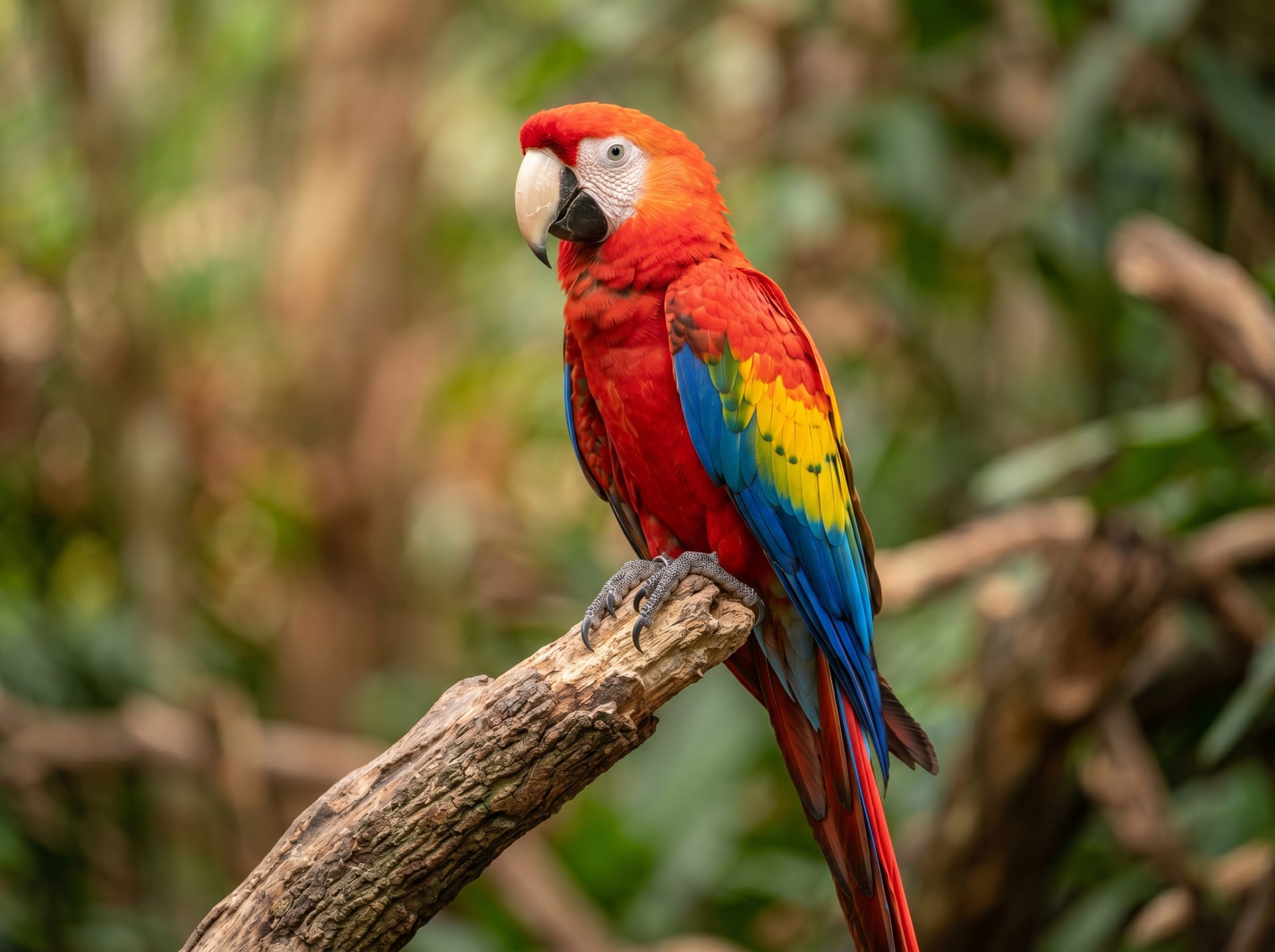
- Macaws (Hyacinth Macaw, Scarlet Macaw, etc.)
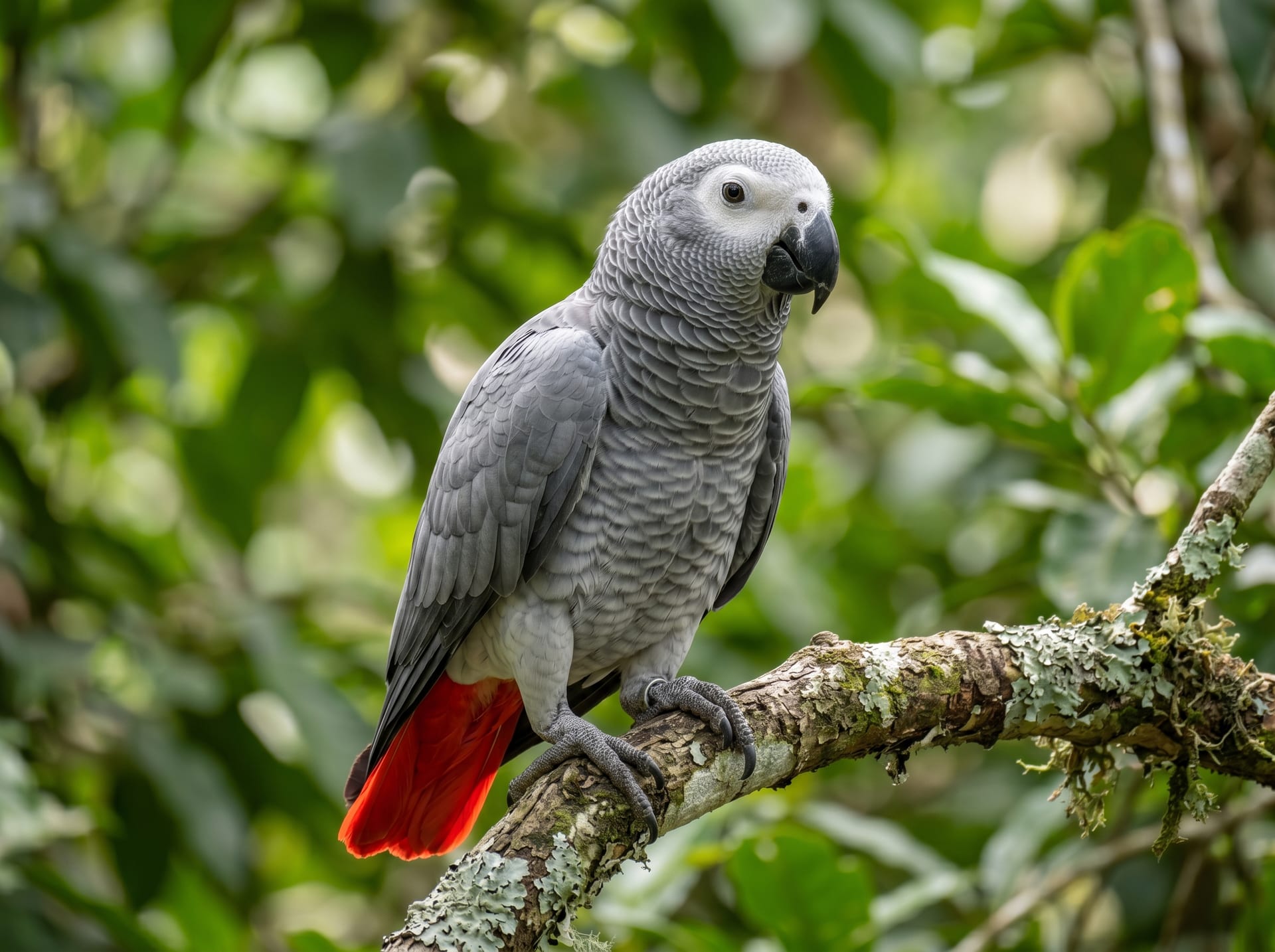
- African Grey Parrot
- New Zealand Parrots (Kakapo, etc.)
Importation of living specimens of these species is not permitted except for academic research or conservation purposes, even if registered as captive-bred (CBF) individuals domestically. Documentation proving species identification is required.
Appendix II (Permits Required for International Trade)
Commercial trade is possible, but an export permit issued by the exporting country's government and approval from Japan's Ministry of Economy, Trade and Industry for importation into Japan are required. Main target species include the following.
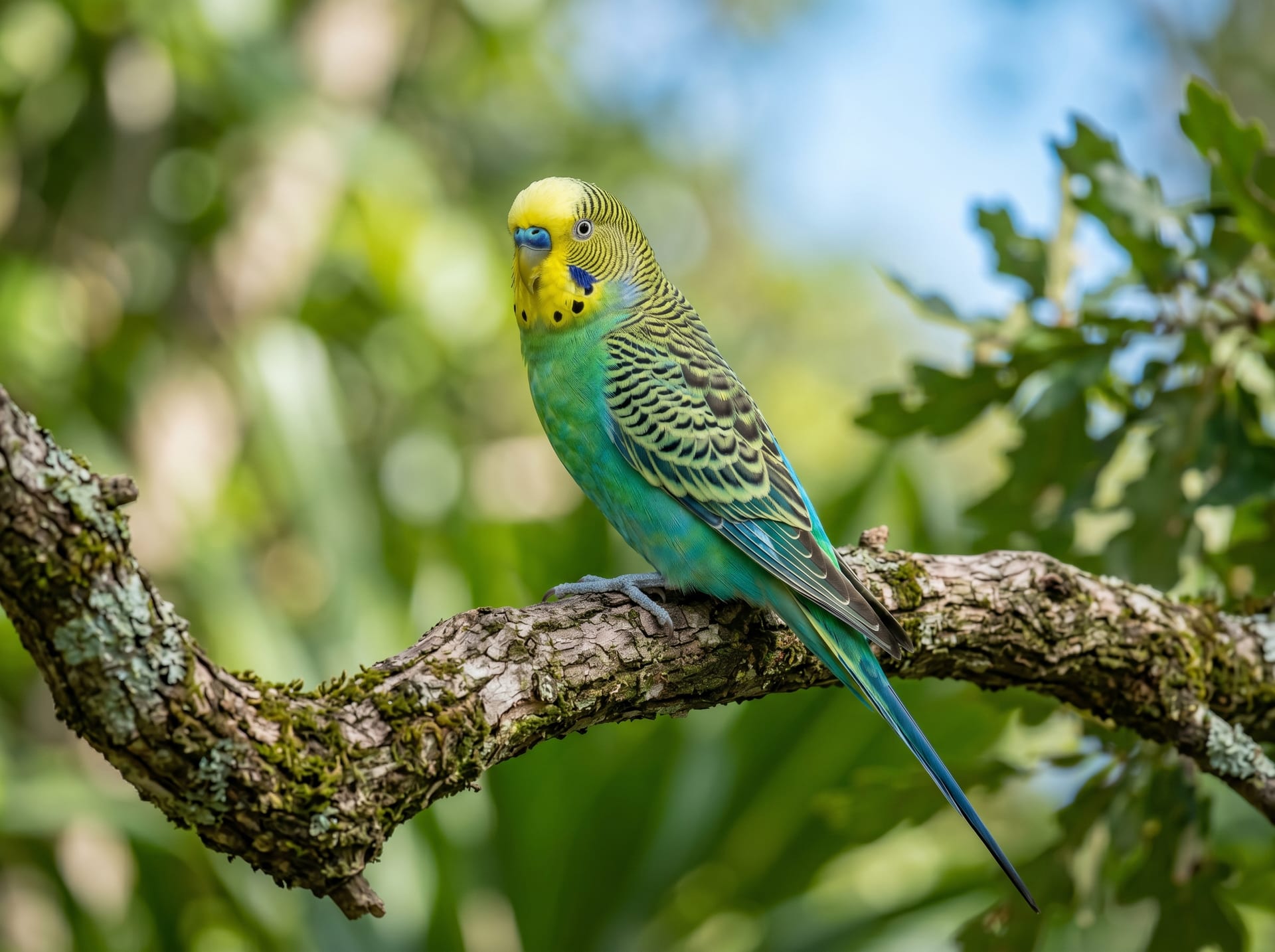
- Budgerigar (in the case of imported individuals)
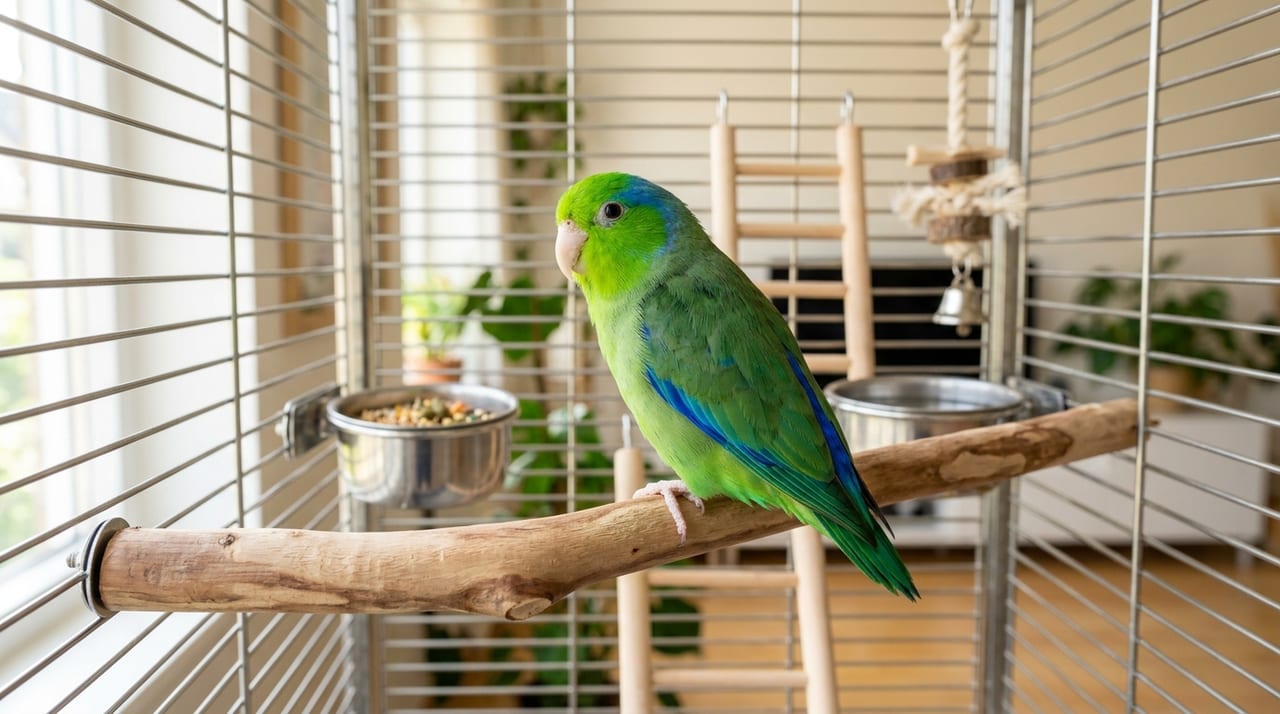
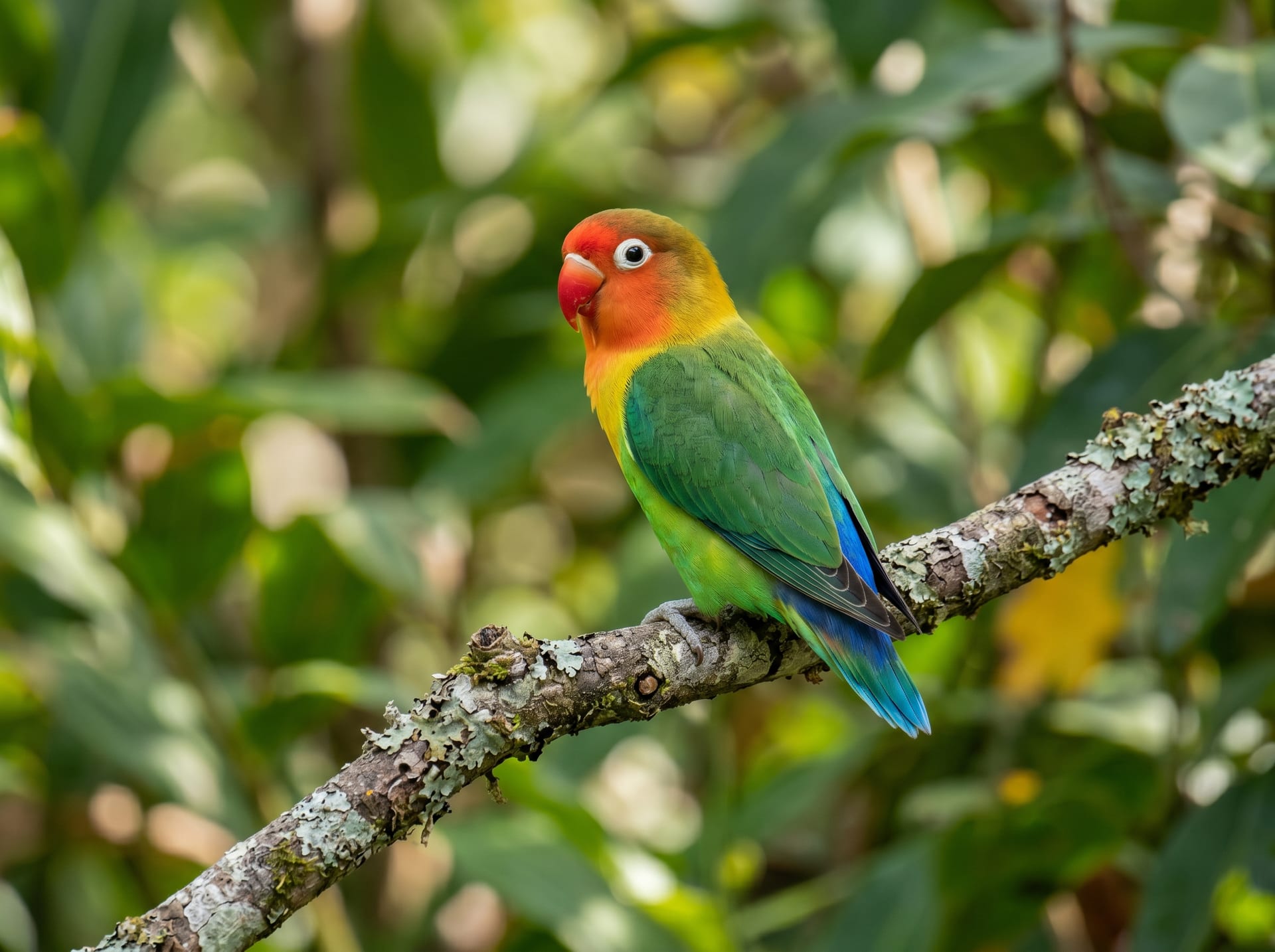
- Rosy-faced Lovebirds and Button Parakeets
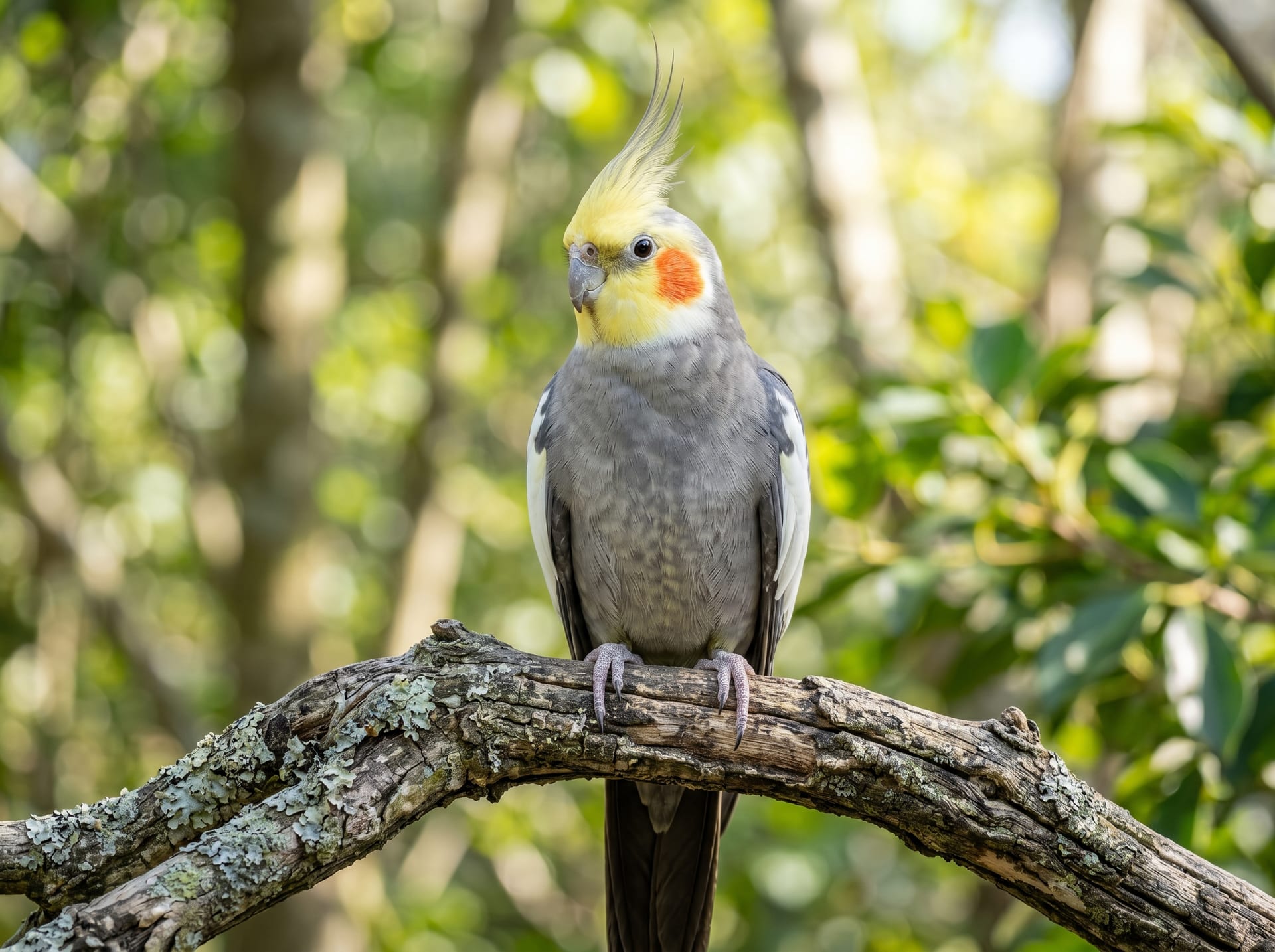
- Cockatiel
- Ring-necked Parakeet (Alexandrine Parakeet, etc.)
- Many medium to large parrot and macaw species
However, CITES procedures are not required if individuals bred domestically (domestic CB) are transferred only within Japan. It is important to understand the import source's distribution channel clearly and keep copies of import permits.
Species Not Listed in the Appendices
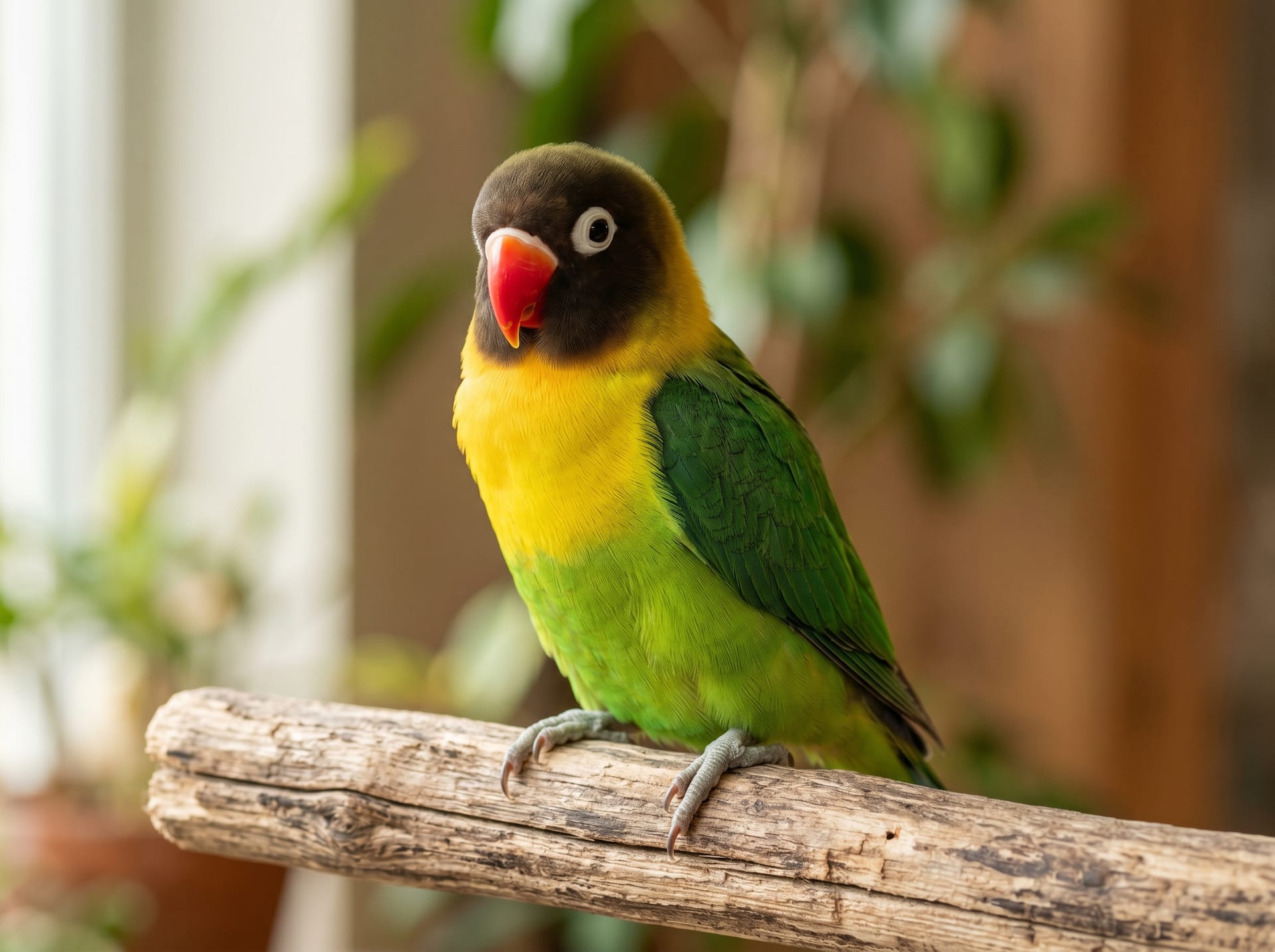
Domestically-bred budgerigars, cockatiels, rosy-faced lovebirds, and other species do not require CITES procedures for domestic trade. However, to distinguish them from imported individuals, keeping breeding records is recommended.
Domestic Law: First-Category Animal Dealer Registration Requirements
In Japan, based on the Animal Protection and Management Law, registration as a "First-Category Animal Dealer" with a prefectural government or designated ordinance-designated city is mandatory when conducting sales or breeding activities at a certain scale or above.
Target Business Categories
- Sales (including internet sales)
- Breeding
- Leasing
- Training
- Exhibition
- Transportation
In particular, when breeder direct sales involve internet-based sales, this constitutes sales conducted as a business and registration is required. Continuous sales activities exceeding the scope of a hobby are considered "business," so caution is necessary regardless of annual sales volume or income.
Registration Requirements (For Sales Businesses)
- Appointment of Animal Handling Supervisor: Designated qualifications or practical experience are required for each target animal species. Specifically, "at least six months of practical experience plus graduation from an animal science school" or "licensed veterinary nurse or veterinarian license" and similar qualifications are required.
- Compliance with Animal Housing Facility Standards: Cage dimensions, structure, ventilation, water supply, lighting, and temperature management must meet standards.
- Periodic Reporting Obligations: Annual submission of business operator reports is required.
- Display of Signage: Registration number and supervisor name must be posted at stores and exhibition spaces.
- Information Provision Obligation: At the time of sale, information on care methods, health status, and CITES information (if applicable to the species) must be provided in writing.
Unregistered Sales Subject to Penalties
If sales are conducted without First-Category Animal Dealer registration, criminal penalties including fines up to one million yen or imprisonment may be imposed. Even on SNS or in private transactions, if judged to constitute sales "as a business," they fall under regulatory requirements, so caution is necessary.
Record Management Breeders Must Implement in Practice
For legal compliance, it is important to properly manage and maintain the following records.
Breeding Records
- Parent bird source, date of acquisition, purchase price
- Egg laying date, hatching date, number of chicks
- Sex of chicks, leg band number
- Purchaser name, address, contact information, sale date, sale price
Documents Related to Imported Individuals
- CITES Import Approval Certificate (Ministry of Economy, Trade and Industry)
- Export Permit (issued by exporting country government)
- Quarantine Certificate (issued by Animal Quarantine Service, Ministry of Agriculture, Forestry and Fisheries)
- Invoices and packing lists
Retention Period
There is no specific retention period stipulated under the Animal Protection and Management Law, but CITES-related documents are recommended to be retained for at least five years. In preparation for potential investigations or inquiries, electronic data backups should also be maintained.
Quarantine and Animal Quarantine Procedures
When importing birds from overseas, animal quarantine (Ministry of Agriculture, Forestry and Fisheries) based on the Animal and Plant Quarantine Law is required.
Main Requirements
- Obtaining a health certificate from the exporting country's government
- Quarantine period at a designated quarantine facility (14–30 days depending on species and region)
- Confirmation of negative test results for avian influenza and other infectious diseases
Individual Import Restrictions
When individuals import birds for ornamental purposes, the same quarantine procedures apply. Parrot species in particular are considered at high risk for Newcastle disease and avian influenza, and procedures cannot be omitted.
Summary: Compliance Compliance Builds Breeder Credibility
To operate safely and legally as a bird breeder, always keep the following points in mind.
- Verify CITES Appendix Status: Always confirm in advance whether the species you handle is subject to regulation.
- Register as a First-Category Animal Dealer: Continuous sales activities require registration as a prerequisite.
- Maintain Breeding and Sales Records: Practice thorough record management and be prepared to present documents at any time.
- Comply with Import Procedures: Complete all quarantine and CITES procedures before allowing birds to enter domestic distribution.
- Regular Legal Updates: The Animal Protection and Management Law and CITES appendices are subject to revision, so stay informed of the latest information.
Breeder activities conducted in compliance with the law build not only purchaser trust but also contribute to the healthy development of Japan's bird industry as a whole. To continue confidently with listings and sales on "BreederDirect," please make this knowledge your foundation.