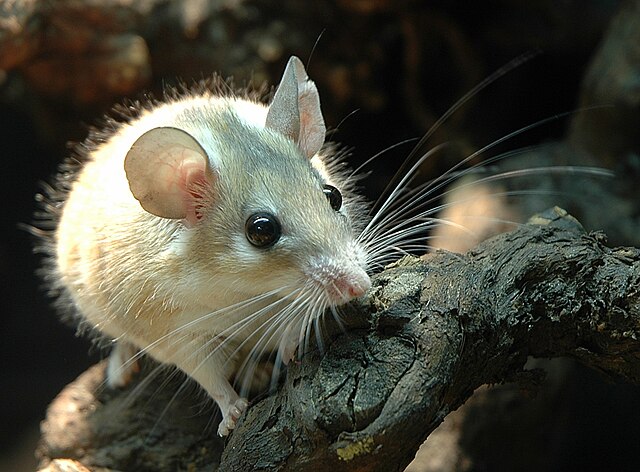
 © Marcel Burkhard alias cele4 / CC BY-SA 2.0 de
Spiny Mouse
Spiny mice are small, distinctive rodents named for the coarse, spine-like fur along their backs. Despite their prickly appearance, they're gentle and approachable once settled, and their strong social instincts make them well suited to living in small groups rather than alone. They're generally considered a better fit for keepers with some prior small-animal experience. One of their most notable traits is an unusual ability for their skin to heal and regenerate after minor injury, adding to their appeal as a fascinating species to observe day to day. For anyone drawn to small animals with real character, spiny mice make an engaging choice.
View Spiny Mouse encyclopedia →0% commission on your first sales!Register by September 30, 2026 and your first 2 sales are commission-free!
Breeder Wanted!
List on BreederDirect and sell directly to customers nationwide!
6 Transparency Commitments from Br-Choku
Every Small Pets listing from Breeder includes the information below. We guarantee transparency through health checks, vaccinations, microchips, and more.
- Hand-Tamed
- Health Checked
- Vaccinated
- Microchipped
- Real Photos
- Age Specified
Browse all 145 breeds
Care Difficulty
No listings match your filters
Adjust your filters, or get notified when new listings arrive.
Getting alerts is free with a member account. When new listings match your saved search, we'll notify you by email and in-app.
Browse other categories
Verified breeders (preview)
Are you raising small pets?
Register as a breeder and connect with buyers directly.
Apply as a breederSpiny Mouse key facts
- Care level
- Intermediate
- Lifespan
- 3-5 years
- Size
- 7-12cm / 30-50g
- Diet
- Mouse pellets, seeds, dried insects, vegetables
- Cage
- Spacious cage for groups. Provide multiple hiding spots
- Diet
- Omnivorous. Provide insects and protein sources regularly
- Temperament
- Highly social species. Avoid keeping alone
- Notes
- Tail skin degloving if grabbed. Never hold by the tail
About Spiny Mouse
A guide to spiny mice: distinctive spiky fur, a gentle temperament, social group living, and their unusual skin-regeneration trait, plus what to know before bringing one home.
7 things to know before welcoming a Spiny Mouse
1Group Housing Recommended
Spiny mice are highly social and tend to do best when kept in groups rather than alone. Building a stable group takes some care in matching compatible individuals, which helps daily care go more smoothly.
2Best Suited to Experienced Keepers
Spiny mice are generally considered suitable for keepers with some prior small-animal experience. If this is your first small animal, it's worth researching their care needs thoroughly before bringing one home.
3Unusual Skin Regeneration
Spiny mice are known for an unusual trait: their skin can heal and regenerate readily if injured. Even so, this is a special physical trait, not an invitation for rough handling — always handle them gently.
4Typical Adult Size
Adults typically reach about 7 to 12 cm in body length and weigh around 30 to 50 grams. Keep this size in mind when choosing a cage and accessories.
5Lifespan of 3 to 5 Years
Spiny mice typically live around 3 to 5 years. Since they'll be part of your household for that long, make sure you're ready for the full commitment before bringing one home.
6Calm and Approachable Temperament
Despite their prickly appearance, spiny mice tend to have a fairly calm and approachable temperament. Taking things slowly and interacting patiently helps build trust over time.
7Prepare Their Environment First
Given how social they are, set up a cage roomy enough for a group, with adequate hiding spots, before bringing them home. Also make sure temperature and humidity are properly managed in advance.
Frequently asked questions about Spiny Mouse
- Q.Is it okay to keep a spiny mouse alone?
- A.Spiny mice are highly social animals, so they're generally considered better suited to being kept in groups rather than alone. If you're considering keeping just one, it's a good idea to research this carefully beforehand.
- Q.Are the "spines" on their back sharp or painful?
- A.The fur on their back has a coarser texture, but it isn't like the sharp spines of a hedgehog. As long as they're handled gently, there's generally no need for excessive concern.
- Q.What does it mean that their skin regenerates?
- A.Spiny mice are known for the unusual trait of being able to heal and regenerate their skin relatively well if it's injured. That said, this is a special biological characteristic, and day-to-day handling should still be done gently as usual.
- Q.Can a first-time small-animal owner keep one?
- A.Spiny mice are generally considered suitable for keepers with some prior small-animal experience. If this would be your first small animal, it's worth thoroughly researching their care beforehand.
- Q.Are spiny mice subject to CITES regulations?
- A.Spiny mice are not subject to CITES.
Useful tools for Spiny Mouse care
Learn more about Spiny Mouse in the encyclopedia
View Spiny Mouse encyclopedia entry →
Care difficulty, lifespan, size and diet — all basics covered.
More in this category
Can't find the one you're looking for?
Post your wishes for free and breeders with matching animals will contact you with introductions.