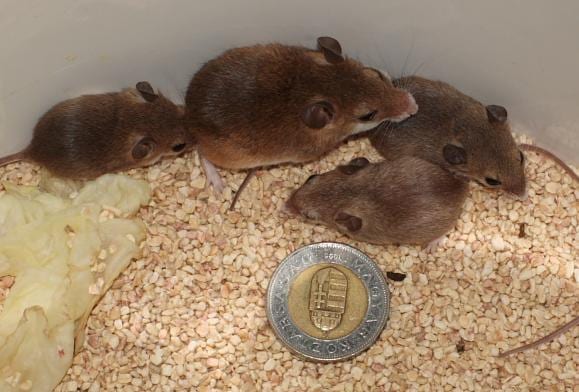
Source: Wikimedia Commons
Spiny Mouse
IntermediateAcomys cahirinus
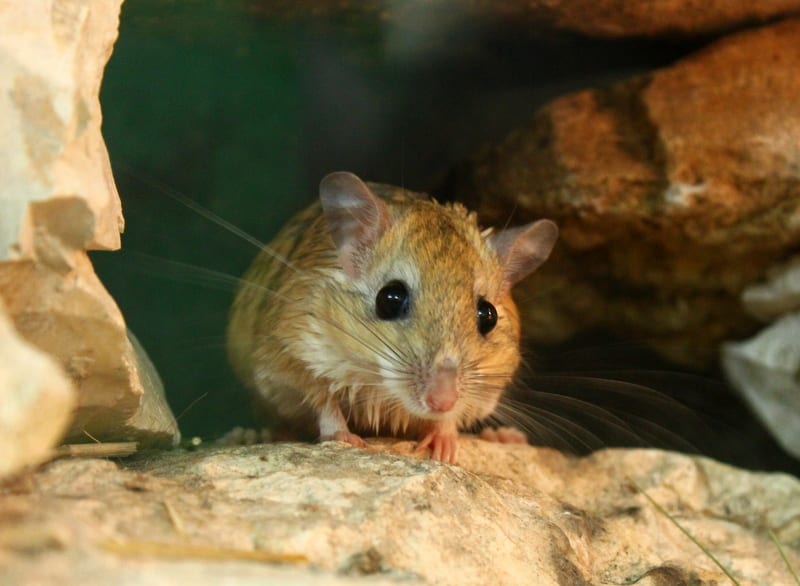
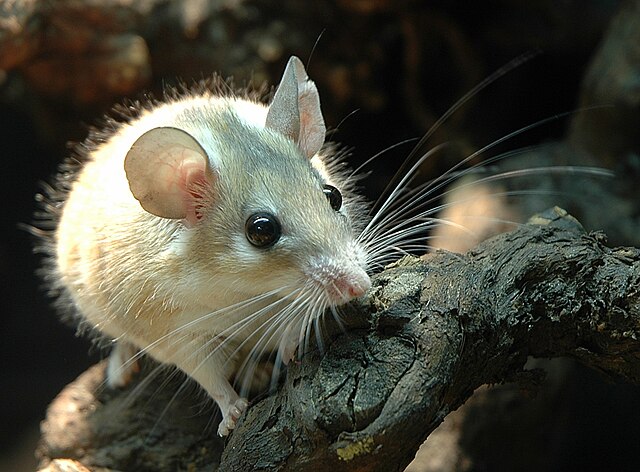
Unique mouse with spiny, stiff fur on the back. Highly social and can live in groups. Known for remarkable skin regeneration.
Difficulty
Intermediate
Temperature
18〜26℃
Lifespan
3-5 years
Size
7-12cm / 30-50g
Humidity
40〜60%
Diet
Mouse pellets, seeds, dried insects, vegetables
About
Spiny mice (genus Acomys) are rodents native to arid and semi-arid regions of Africa, the Middle East, and South Asia. Their most visible feature is a coat of stiff, spine-like dorsal hairs—modified guard hairs similar in structure to hedgehog spines, though lacking their defensive function. One of their most remarkable biological traits is their exceptional skin regeneration ability: spiny mice can lose large patches of skin as a predator escape mechanism and regrow it completely without scarring, including hair follicles and sweat glands—a capacity unique among mammals. They are social animals and do well in same-sex pairs or groups. Diet is omnivorous: seeds, insects, vegetables, and fruit. They are primarily crepuscular to nocturnal. Housing in a glass tank or well-secured cage with deep bedding is recommended. Common health concerns include dermatitis, obesity, and neoplasia.
Source: Wikipedia (CC BY-SA 4.0)
Lifespan of the Spiny Mouse
The Spiny Mouse lives 3-5 years.
Lifespan is 3–5 years.
Size of the Spiny Mouse
The Spiny Mouse grows to 7-12cm / 30-50g.
Adults measure 8–12 cm in body length and weigh 30–70 g.
Temperature & humidity for the Spiny Mouse
Optimal temperature is 22–28 °C.
Basic Info
Origin
Africa, Middle East, and South Asia
References & Sources
Edited & verified by: BreederDirect editorial team
The taxonomic, regulatory, and husbandry data on this page are compiled and verified against the authoritative primary sources below.
Primary sources
Taxonomy & Authority
Accepted name: Acomys cahirinus
Authority databases: GBIF
Nomenclature follows global taxonomic authority databases.
Regulations & Conservation Status
Not CITES-listed
Acomys cahirinus. Not listed in the CITES Appendices (checked on Species+, 2026-09-18).
Sources: Species+ (CITES)
Regulations may change. Always verify the latest information with the relevant authorities.
Spiny Mouse Listings
Loading latest listingsFind listings for this species