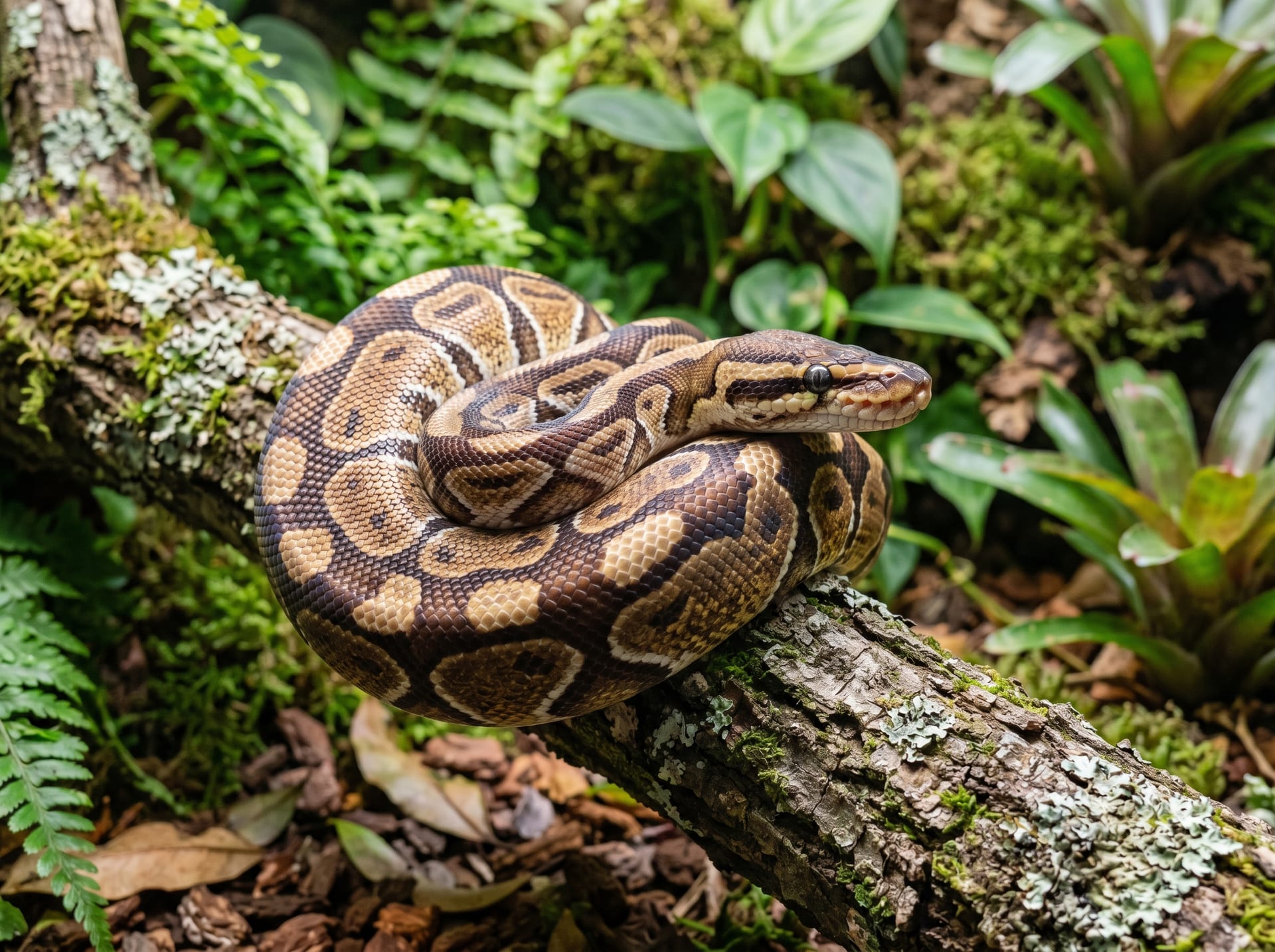
Ball Python
The world's most popular pet snake. Docile, balls up when stressed, and available in 7000+ morphs.
View Ball Python encyclopedia →0% commission on your first sales!Register by September 30, 2026 and your first 2 sales are commission-free!
Breeder Wanted!
List on BreederDirect and sell directly to customers nationwide!
6 Transparency Promises from Br-Choku
Every Reptiles & Amphibians from verified Breeder breeders includes complete information: morph, genetics, feeding requirements, and temperament details.
- Morph Information
- Actual Photos
- Feeding Information
- Temperament Information
- Genetics Information
- Age (Months)
Browse all 34 breeds
Difficulty Level
Feeding Type
Temperament
No listings match your filters
Adjust your filters, or get notified when new listings arrive.
Getting alerts is free with a member account. When new listings match your saved search, we'll notify you by email and in-app.
Browse other categories
Verified breeders (preview)
Are you raising reptiles & amphibians?
Register as a breeder and connect with buyers directly.
Apply as a breederBall Python key facts
- Care level
- Beginner-friendly
- Lifespan
- 20-30 years
- Size
- 90-150cm
- Temperature
- 26〜32℃
- Humidity
- 50〜60%
- Diet
- Rodents (frozen mice/rats)
- Enclosure
- Cage 60x45cm+. Hides are essential
- Temperature
- Hot spot 32°C, ambient 26°C
- Temperature & Humidity
- Keep humidity at 50-60%. Place hides on both the warm and cool sides so the snake can choose its temperature and refuge, which helps prevent food refusal.
- Feeding
- Baby: every 5-7 days / Adult: every 10-14 days
- Notes
- May go off feed, but healthy adults can safely fast for months
About Ball Python
The Ball Python (Python regius) is a non-venomous constrictor native to the savannas and open forests of West Africa. Its common name comes from its signature defense behavior: when threatened, it curls tightly into a ball with its head tucked at the center. Adults typically reach 90–150 cm in length and weigh 1–2 kg, making them one of the most manageable python species for home keeping. A defining appeal is their extraordinary morph diversity — over 7,000 distinct color and pattern mutations exist, from Piebald and Clown to Spider and Banana, giving the hobby a deep collecting dimension unmatched by most other reptiles. Temperamentally, Ball Pythons tend to be docile and, when properly acclimated, tolerant of regular handling. With lifespans that can reach 20–30 years under good care, they are genuinely long-term companions — a quality that has cemented their place as the world's most popular pet snake.
7 things to know before welcoming a Ball Python
1Choosing the Right Enclosure
Adult Ball Pythons need an enclosure at least 120 cm wide by 60 cm deep. Keeping juveniles in a smaller space can sometimes reduce the risk of feeding refusal. Always provide a snug-fitting hide box so your snake feels secure.
2Temperature and Humidity
Maintain a thermal gradient with a warm side of 32–35°C and a cool side of 26–28°C, dropping to around 24–26°C at night. Aim for 60–80% humidity, increasing it before shedding to help prevent retained skin. Combine a heat mat with a thermostat for stable, safe temperatures.
3Feeding Refusal Is Common
Ball Pythons commonly refuse food for weeks or even months during breeding season, before a shed, or when stressed. As long as body weight and condition remain stable, this is usually not a medical emergency. Feed frozen-thawed mice or rats every 7–14 days, waiting until the previous meal is fully digested.
4Morphs and Price Range
Standard morphs are relatively affordable, while rare designer morphs can cost hundreds of thousands of yen. Some morphs, such as the Spider, have documented neurological issues, so always ask breeders about known health concerns before purchasing. Prioritize a reputable breeder with a solid husbandry track record over price alone.
5How to Acclimate to Handling
Avoid handling for the first 1–2 weeks after bringing your snake home to let it settle in. Then start with short, calm sessions a few times a week, gradually building duration as confidence grows. Always wait at least 48 hours after feeding before handling to prevent regurgitation.
6Shedding Signs and Care
Cloudy, bluish eyes and a dull body color signal an upcoming shed. During this time snakes become more sensitive due to reduced vision, so minimize handling. Raise humidity and consider adding a moist hide to prevent incomplete sheds.
7Legal Requirements in Japan
Ball Pythons are listed under CITES Appendix II, so it is essential to purchase only legally imported and documented animals in Japan. Sellers must be registered as animal dealers; always verify paperwork at the time of purchase. No personal keeping permit is required, but abandonment is prohibited by law.
Frequently asked questions about Ball Python
- Q.Are Ball Pythons venomous?
- A.No, Ball Pythons are completely non-venomous constrictors. A bite, while possible, poses no venom risk — simply clean the wound and it will heal without issue. Most individuals are docile enough that bites are uncommon when the snake is handled appropriately.
- Q.Can I keep one if I live alone?
- A.Yes, a single person can absolutely care for a Ball Python. Feeding every 7–14 days and routine enclosure maintenance keep daily demands low. The key considerations are maintaining temperature and humidity during travel and having a reptile-experienced vet identified before any health issues arise.
- Q.Can Ball Pythons be housed together?
- A.Single housing is strongly recommended. Co-habitation raises serious risks including competition for food, chronic stress, and rapid spread of disease between animals. Even for breeding purposes, any pairing of male and female should be time-limited and closely supervised.
- Q.How often do Ball Pythons shed?
- A.Juveniles shed every 4–6 weeks as they grow rapidly; adults typically shed every 3–4 months. Signs of an impending shed include cloudy, bluish eyes and reduced appetite. Boosting humidity and avoiding handling during this period helps ensure a clean, complete shed.
- Q.Do different morphs have different temperaments?
- A.Temperament is largely individual rather than morph-dependent. That said, certain morphs such as Spider and related combinations carry a known neurological condition called "wobble syndrome." It is worth researching any morph-specific health considerations before purchasing, so you can make an informed choice.
Useful tools for Ball Python care
Learn more about Ball Python in the encyclopedia
View Ball Python encyclopedia entry →
Care difficulty, lifespan, size and diet — all basics covered.
Ball Python related articles
Ball Python Morph Genetics Complete Guide | From Basic Morphs to Creating Complex Morphs
Ball pythons are the reptile with the most morphs (varieties) in the world. From dominant, co-dominant, and recessive inheritance patterns to the characteristics of basic morphs like Spider, Pastel, and Clown, through to how to calculate complex morphs—this guide explains the fundamentals of genetics for breeders in an easy-to-understand way.
Complete Guide to Ball Python Morphs (Color Variations) | Popular Varieties, Characteristics, and Price Ranges
Complete explanation of Ball Python morphs (color variation varieties). Covers genetic mechanisms, characteristics of popular morphs, precautions including neurological symptoms of Spider morphs, and selection tips and price ranges for reptile breeders.
Complete Guide to Emergency Treatment and Prevention of Reptile Dysecdysis | Shedding Problems in Leopard Geckos, Ball Pythons, and Bearded Dragons
Reptile dysecdysis is a dangerous condition that can cause circulatory disorders and necrosis. This article explains, from a breeder's perspective, the safe methods for removing old shed stuck on the toes, tail tips, and eyes (spectacles), as well as humidity management, warm-bath procedures, and species-specific precautions.
Complete Guide to Ball Python Feeding Refusal Countermeasures | From Identifying Causes to Solutions
Comprehensive explanation of the causes and countermeasures for ball python feeding refusal. Practical introduction to cause-specific solutions including shedding, breeding season, stress, and environmental issues, as well as how to switch from frozen to live feeders.
Ball Python Morph Breeding and Selective Breeding Guide: Genetic Patterns and Combination Strategies
This guide explains the basics of genetic patterns (dominant, co-dominant, and recessive) in ball python morphs, and how to plan breeding to produce the desired morphs.
Snake Types and Beginner's Selection Guide | Corn Snake vs. Ball Python Comparison
A comprehensive comparison of corn snakes and ball pythons, the most popular beginner species. We explain differences in size, temperament, housing requirements, and morphs to help you choose the right snake without regret.
More in this category
Can't find the one you're looking for?
Post your wishes for free and breeders with matching animals will contact you with introductions.