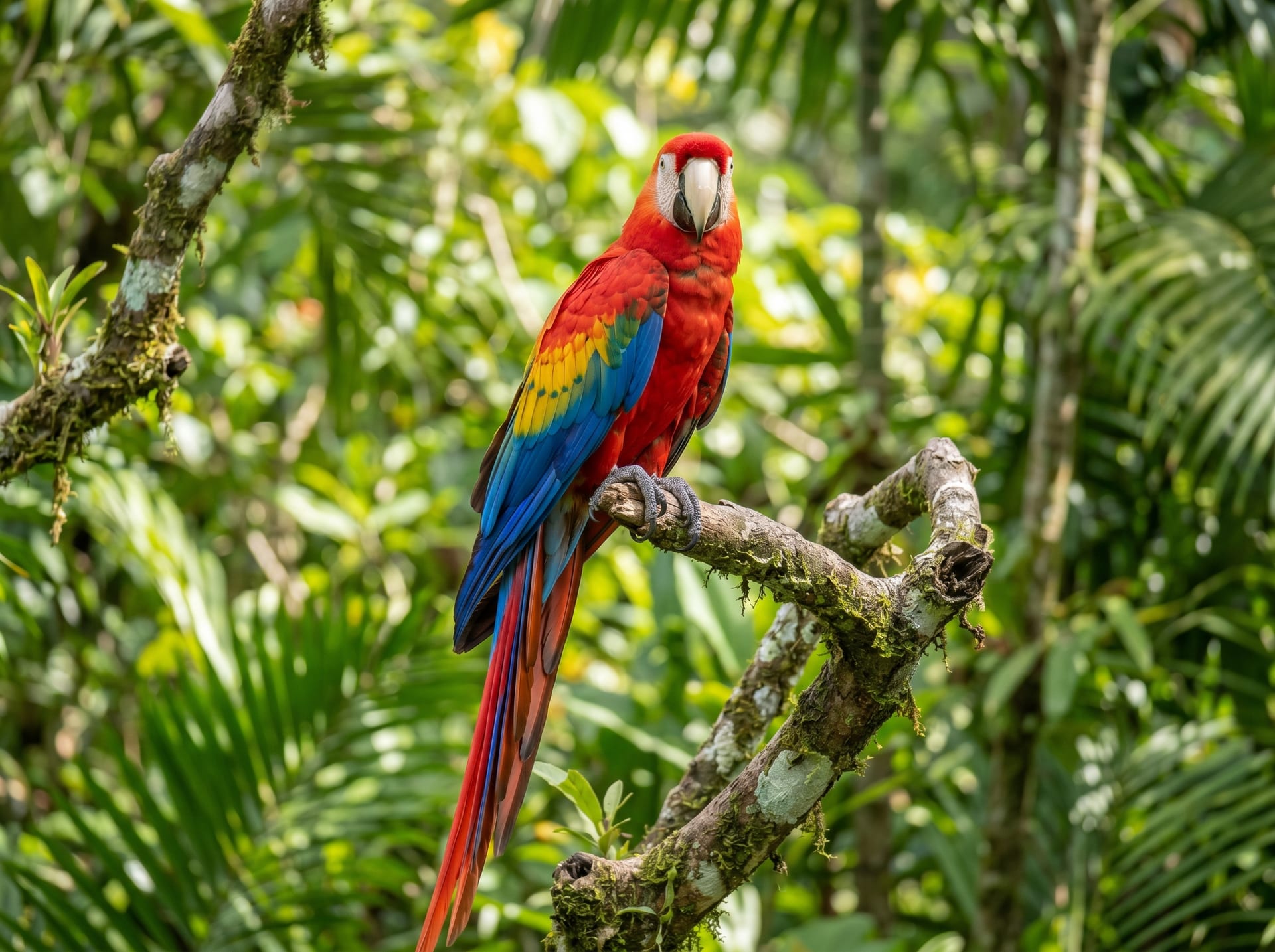
Macaw
A strikingly beautiful macaw with vivid red, yellow, and blue plumage. Distributed from Central America to northern South America. Active and very vocal.
View Macaw encyclopedia →0% commission on your first sales!Register by September 30, 2026 and your first 2 sales are commission-free!
Breeder Wanted!
List on BreederDirect and sell directly to customers nationwide!
Six Transparency Commitments from BreederDirect
All Birds listings include complete Breeder transparency: hand-raised status, DNA sex determination, and health certification details.
- Hand-Raised
- DNA Sex-Determined
- Health Certified
- Origin Disclosed
- Color Variation Specified
- Age in Months Disclosed
Browse all 35 breeds
Care Level
No listings match your filters
Adjust your filters, or get notified when new listings arrive.
Getting alerts is free with a member account. When new listings match your saved search, we'll notify you by email and in-app.
Browse other categories
Verified breeders (preview)
Macaw key facts
- Care level
- Advanced
- Lifespan
- 40-50 years
- Size
- 81-96cm
- Temperature
- 18〜28℃
- Diet
- Pellets, Nuts, Vegetables, Fruits
- Housing
- Large cage and ample exercise space required
- Diet
- Varied diet. Limit nut quantity
- Temperament
- Curious and playful. Highly intelligent
- Notes
- Extremely loud calls. Soundproofing may be needed
About Macaw
Macaws are large parrots native to the tropical rainforests of Central America and northern South America, with well-known species including the Scarlet Macaw and Blue-and-Gold Macaw. In the wild they are gregarious birds, nesting high in the forest canopy and traveling in flocks. They are best recognized by their spectacular plumage—vivid combinations of red, yellow, blue, and green—and their impressive size, reaching 70–90 cm in length and around 1 kg in weight. Their intelligence is often compared to that of a young child; they can mimic human speech and solve simple puzzles. When hand-raised, Macaws form powerful bonds with their owners, often treating a single human as their flock partner. However, they can be temperamental, and unfamiliar environments or loneliness cause noticeable stress. Given a spacious enclosure, daily interaction, and a nutritionally balanced diet, a Macaw can be a remarkable companion for nearly half a century.
7 things to know before welcoming a Macaw
1Large and Physically Strong
Macaws can reach 70–90 cm in length and weigh around 1 kg. Their beaks are extremely powerful — capable of bending metal cage components — so a large, heavy-duty cage designed for big parrots is essential.
2Exceptionally Loud Calls
Macaws developed their calls to communicate over long distances in the wild, and the volume can easily cause noise complaints in residential settings. Carefully consider your living situation — particularly in apartments or poorly insulated homes — before bringing one home.
3Lifespan Exceeds 50 Years
With proper care, Macaws can live 50–60 years or more, sometimes outliving their owners. It's important to discuss long-term responsibility as a family, including who will care for the bird if circumstances change.
4Needs Mental Stimulation
Their high intelligence means boredom can lead to feather plucking, excessive screaming, or destructive behavior. Daily interaction, regularly rotated toys, and foraging activities are important to keep a Macaw mentally engaged.
5High Initial and Ongoing Costs
Beyond the purchase price, initial costs for a large cage, perches, toys, and a proper pellet-based diet can run into the hundreds of thousands of yen. Ongoing expenses include regular avian vet check-ups and beak and nail maintenance.
6Trust Takes Time to Build
Macaws can bond deeply with specific individuals but may behave aggressively toward unfamiliar people. Building trust takes patience — daily gentle interaction without forcing contact is the most effective approach.
7Varied Diet Management
A seed-only diet is high in fat and nutritionally unbalanced. A pellet-based diet supplemented with fresh vegetables, fruits, and legumes is recommended. Never feed avocado, chocolate, or onions, as these are toxic to Macaws.
Frequently asked questions about Macaw
- Q.Can Macaws learn to talk?
- A.Many Macaws are capable of mimicking human words and sounds, though ability varies by individual. Consistent, patient interaction from a young age increases the likelihood of speech development. That said, it is not guaranteed, so choosing a Macaw solely for its talking ability is not recommended.
- Q.Can Macaws be kept in an apartment?
- A.It is technically possible, but the volume of their calls frequently causes issues in multi-unit housing. Check building rules and consider the impact on neighbors carefully before proceeding. Some owners invest in soundproofing or vocalization training, though completely suppressing their calls is unrealistic.
- Q.Is a Macaw bite dangerous?
- A.A Macaw's bite is powerful enough to cause fractures or deep lacerations in serious cases. They tend to bite when frightened or uncomfortable, so learning to read their body language is important. Training from a young age can significantly reduce biting behavior.
- Q.Can a single person keep a Macaw alone?
- A.Single-person households can and do keep Macaws successfully, but only if several hours of daily direct interaction can be consistently provided. Frequent long absences are a risk factor for stress-related behavioral problems. An honest assessment of your daily schedule is strongly recommended before making the decision.
- Q.What is the average lifespan of a Macaw?
- A.With proper care, Macaws typically live 30 to 50 years, and some individuals exceed 60. This far outlasts most common pets, making a lifelong commitment essential. Planning for future life changes—including who will care for the bird if you are unable to—is an important step before bringing one home.
Useful tools for Macaw care
Learn more about Macaw in the encyclopedia
View Macaw encyclopedia entry →
Care difficulty, lifespan, size and diet — all basics covered.
Macaw related articles
Hyacinth Macaw Care Guide | Long-term Care, Diet, and Environmental Management of the World's Largest Blue Parrot
Detailed guide to caring for Hyacinth Macaws (Anodorhynchus hyacinthinus). Comprehensive overview of everything needed for long-term care of these beautiful cobalt-blue parrots, from cage requirements and diet to mental health care and legal regulations.
Military Macaw Care Guide | Equipment, Diet, Legal Regulations, and Long-term Husbandry Tips
A comprehensive guide to caring for the Military Macaw (Ara militaris), a large macaw exceeding 70cm in length and listed in CITES Appendix I. Covers acquisition of CB (captive-bred) individuals and legal compliance, requirements for cages exceeding 120×90×150cm plus daily out-of-cage time of 2–4 hours, nutritional management centered on pellets, behavioral management of biting and vocalizations, disease prevention including PBFD and aspergillosis, and long-term husbandry planning for a lifespan of 40–60 years.
Bird Pet Insurance Guide | Coverage Details and Selection for Parakeets and Macaws
Detailed explanation of pet insurance for pet birds such as parakeets and macaws, including how insurance works, covered species, coverage details, insurance premium guidelines, enrollment timing, and important considerations. A guide to choosing insurance to prepare for high medical expenses.
Macaw Care Guide | Mental Health Care and Space Requirements for Large Parrots
A comprehensive guide to everything you need to know about keeping macaws. From spacious habitat requirements and mental enrichment unique to large parrots, to nutrition, health management, and legal considerations—a complete guide for first-time macaw owners.
Parrot & Macaw Species Comparison: Talking Ability and Training Steps
Comparing the speaking ability of popular species such as African Grey Parrots, Budgerigars, Cockatiels, and Amazon Parrots. We explain effective steps for speech training, from building trust to mastering single words and contextual learning.
Complete Guide to Feather Care for Parrots and Macaws | Molting, Bathing, and Nutrition Management
This guide explains in detail how to manage molting season, bathing frequency and methods, and the nutrients and diet needed to maintain healthy feathers in parrots and macaws. We also introduce signs of feather abnormalities and how to address them.
More in this category
Can't find the one you're looking for?
Post your wishes for free and breeders with matching animals will contact you with introductions.