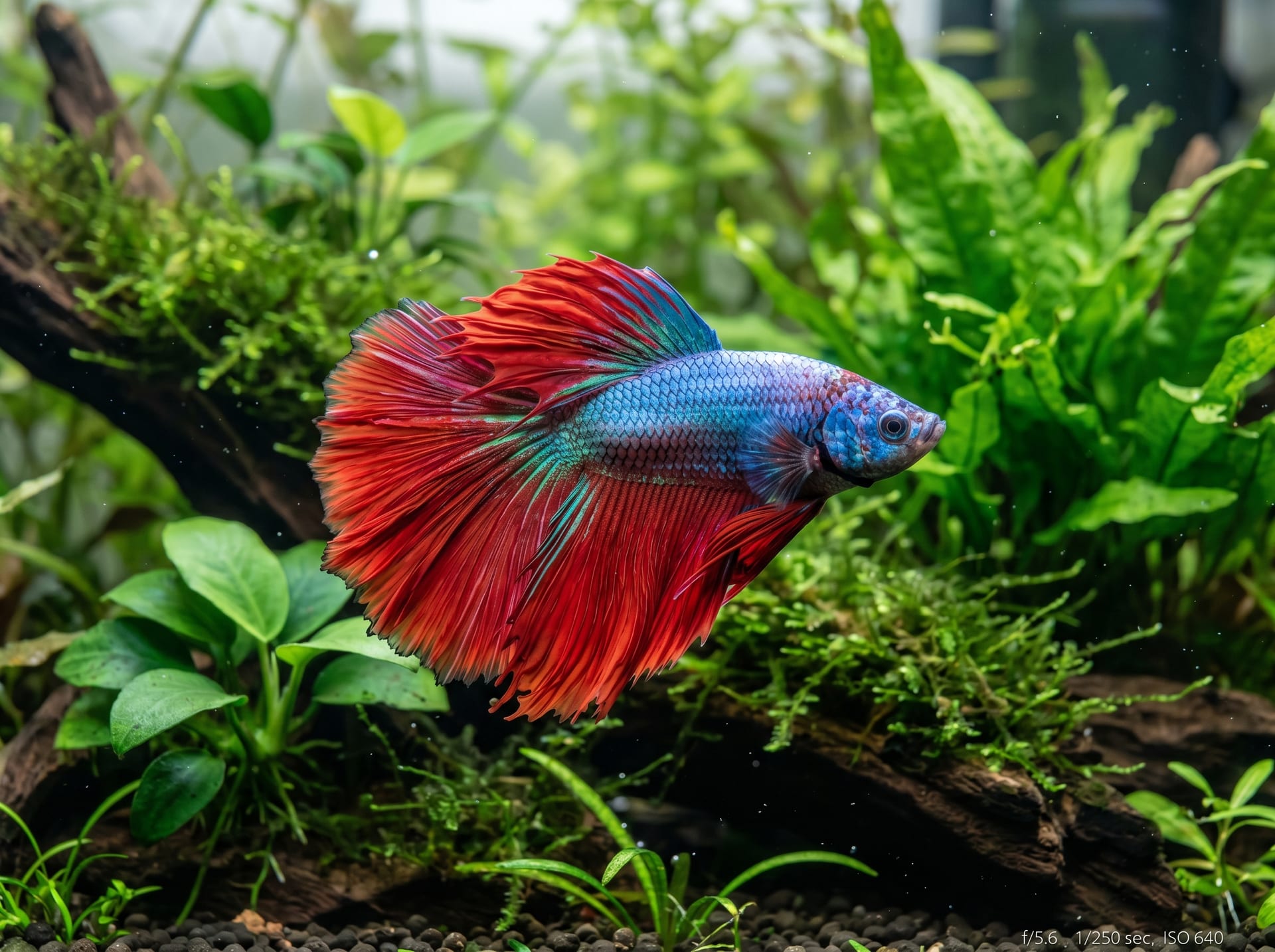
Betta
Stunning fins and endless color varieties. Can breathe air via labyrinth organ, allowing small container keeping. Males must be kept separately.
View Betta encyclopedia →0% commission on your first sales!Register by September 30, 2026 and your first 2 sales are commission-free!
Breeder Wanted!
List on BreederDirect and sell directly to customers nationwide!
Our 6 Transparency Commitments
All Tropical Fish listings include water quality, temperament, and tank size information from verified Breeder.
- Origin Disclosed
- Real Photos
- Water Quality Disclosed
- Recommended Tank Size
- Temperament Disclosed
- Breed Line Disclosed
Browse all 27 breeds
Water Type
Care Level
No listings match your filters
Adjust your filters, or get notified when new listings arrive.
Getting alerts is free with a member account. When new listings match your saved search, we'll notify you by email and in-app.
Browse other categories
Verified breeders (preview)
Are you raising tropical fish?
Register as a breeder and connect with buyers directly.
Apply as a breederBetta key facts
- Care level
- Beginner-friendly
- Lifespan
- 2-4 years
- Size
- 5-7cm
- Temperature
- 24〜28℃
- Diet
- Carnivorous (betta pellets, bloodworms)
- Container
- 5L+ recommended. Heater required
- Water
- pH 6.5-7.5 slightly acidic to neutral
- Tank Mates
- Never keep males together. Avoid fin nippers
- Notes
- Fin condition indicates health. Watch for fin rot
About Betta
Native to Thailand and the broader Southeast Asian region, bettas once thrived in rice paddies and shallow waterways. Known as "Siamese fighting fish" for their fierce territorial instincts, they were so prized for combat that the Thai royal court sponsored selective breeding in the 19th century. Today's ornamental bettas are almost entirely selectively bred strains, categorized by tail shape into types such as halfmoon, crowntail, and double tail. Their color range spans red, blue, violet, white, black, and bicolor, earning them a reputation as living works of art. Despite their combative reputation, bettas can recognize their owners and often swim eagerly to the front of the tank at feeding time. Their suitability for single-specimen keeping makes them an ideal choice for beginners who want a meaningful, low-maintenance connection with one remarkable fish.
7 things to know before welcoming a Betta
1Keep One Per Tank
Male bettas are highly territorial and will fight if kept together, so each should have its own tank. Females can sometimes be kept in groups, but only in spacious tanks with plenty of hiding spots. When choosing tankmates, avoid fin-nippers and brightly colored fish that may provoke aggression.
2Small Tanks Are Viable
Because bettas can breathe air directly, they are less dependent on dissolved oxygen and can be kept in tanks as small as 5–10 liters. However, smaller water volumes deteriorate quickly, so weekly partial water changes are essential. A tank of around 30 liters provides more stable conditions and is recommended for beginners.
3Keep Water at 26–28°C
Bettas are tropical fish and are prone to illness when water temperature drops below 20°C. A heater is essential during colder months in Japan, with the ideal range being 26–28°C. Sudden temperature changes also cause stress, so always match the temperature of replacement water before adding it to the tank.
4Use Low-Flow Filtration
Bettas naturally inhabit slow-moving waters and are stressed by strong currents. If using a filter, redirect the outlet toward the tank wall to reduce flow. Sponge filters and undergravel filters are gentle options that work well with bettas.
5Territorial by Nature
Bettas are strongly territorial and may flare their fins at their own reflection in a mirror. Occasional flaring provides exercise, but overexposure to mirrors can cause fatigue, so use them sparingly. Many bettas recognize their owners over time and will swim toward them at the front of the tank.
6Feed Small Amounts Daily
Betta-specific pellets and frozen bloodworms are common staple foods. Their stomachs are small, so feed only what they can consume within two to three minutes per meal, once or twice a day. Remove any uneaten food with a pipette to prevent water quality from deteriorating.
7Monitor Fins for Health Clams
Bettas often show signs of illness through changes in their fins, such as tearing, white spots, or holes. Common conditions include ich, fin rot, and velvet disease, all of which respond better to early treatment. Daily observation is key — at the first sign of trouble, consider a water change or salt bath and consult a fish health resource if symptoms persist.
Frequently asked questions about Betta
- Q.Can I keep a betta in a small apartment?
- A.Yes, a small tank of 5–10 liters is sufficient. A compact heater and simple filter are all you need to create a suitable environment. Their low-maintenance nature makes bettas a great fit for single-person households.
- Q.Do bettas need an air pump?
- A.Not necessarily. Bettas can absorb oxygen directly from the surface using their labyrinth organ, so aeration is not required. However, a filter is still recommended to maintain good water quality.
- Q.Can bettas be kept with other fish?
- A.Males must never be housed together, but bettas can sometimes coexist with peaceful small fish or bottom dwellers like corydoras. Individual temperament varies, so avoid fin-nipping species. Single-specimen keeping is the safest approach for beginners.
- Q.How long do bettas live?
- A.With proper care, bettas typically live 2–3 years. Stable water quality, appropriate temperature, and a balanced diet are key to a longer life. Keep in mind that fish sold in stores may already be around one year old, so assess the individual's condition at purchase.
- Q.What should I do if my betta's fins tear?
- A.Torn fins are commonly caused by poor water quality, fin-nipping tankmates, or sharp decorations. Start with a water change and inspect the tank for anything that could snag delicate fins. If tearing worsens or white edges appear, fin rot may be developing—consider treatment with a suitable aquarium medication promptly.
Useful tools for Betta care
Learn more about Betta in the encyclopedia
View Betta encyclopedia entry →
Care difficulty, lifespan, size and diet — all basics covered.
Betta related articles
Betta Fish Diseases and Medicinal Bath Guide | Treatment Methods for White Spot Disease, Pepper Disease, and Tail Rot Disease, and How to Choose Medications
A thorough explanation of the symptoms and medicinal bath treatment methods for white spot disease, pepper disease, and tail rot disease, which bettas are prone to contracting. A practical guide covering the usage of Green F Gold, methylene blue, and salt baths, water temperature and water change management during medicinal baths, and strategies to prevent recurrence.
Betta Fish Tank Mates Guide | Compatible Fish, Incompatible Fish, and Tips for Success
A comprehensive guide to keeping Bettas with other tropical fish. We introduce compatible species like Neon Tetras, Corydoras, and Amano Shrimp, as well as species to avoid such as Sumatra Barbs and Guppies, with detailed explanations of why. Also includes practical advice on layout and tank size for successful community setups.
Complete Guide to Betta Fish Care | Solo Housing Basics, Fin Rot Prevention, and Breeding
Complete guide to raising Betta fish ("Siamese Fighting Fish"). Covers essential solo housing for males, weak water flow management with sponge filters, labyrinth organ care, treatment of fin rot and ich, and breeding procedures using bubble nests—perfect for beginners to intermediate aquarists.
Beginner's Guide to Betta Fish Care | Complete Explanation of Tank Size, Water Temperature, Feeding, and Single Housing Basics
A beginner-friendly explanation of how to care for Betta fish. This guide covers optimal tank size, water temperature management, heater selection, types and frequency of feeding, filter necessity, and reasons for single housing—all the foundational knowledge needed to keep your Betta healthy for the long term.
Betta Contest Entry Guide | Show Judging Standards and How to Raise Winning Fish
A complete guide to entering Betta shows and contests. Detailed explanation of IBC judging standards, fin conditioning, color enhancement techniques, and conditioning methods for raising winning Bettas.
Complete Guide to Betta Tail Types | Differences and How to Choose Half-moon, Crown Tail, Double Tail
A detailed explanation of betta tail types and characteristics that determine the breed. Introduces how to identify major tail types such as half-moon, crown tail, double tail, plakat, delta, and rose tail, along with practical tips for breeding and selection.
More in this category
Can't find the one you're looking for?
Post your wishes for free and breeders with matching animals will contact you with introductions.