Betta Contest Entry Guide | Show Judging Standards and How to Raise Winning Fish
A complete guide to entering Betta shows and contests. Detailed explanation of IBC judging standards, fin conditioning, color enhancement techniques, and conditioning methods for raising winning Bettas.
Key Takeaways
A complete guide to entering Betta shows and contests. Detailed explanation of IBC judging standards, fin conditioning, color enhancement techniques, and conditioning methods for raising winning Bettas.
The World of Betta Contests
Betta (Betta splendens) is one of the most highly organized competitive fish species among ornamental aquarium fish. Globally, the IBC (International Betta Congress) sets the primary judging standards, and throughout Japan, local aquarium shops and hobby groups hold shows and competitions.
✍️
BreederDirect Editorial
The BreederDirect editorial team specializes in care information for animals, covering veterinary care and breeding to deliver beginner-friendly guides.
Find Tropical Fish on BreederDirect
Buy directly from verified breeders
Browse Related Listings
Find Tropical Fish listings related to this article on BreederDirect. Buy directly from verified breeders.
Competing in contests is not solely about winning. It has value as a way to learn evaluation standards for quality fish, refine breeding techniques, and interact with fellow breeders who share the same passion.
IBC and JBC Judging Standards
Main IBC (International Betta Congress) Judging Criteria
The IBC evaluates the following categories on a scale of 100 points.
Body (Form): 30 points
- Symmetry, robustness, and proportion of the body line
- In males, the aesthetic quality of the body excluding the fins
- Keel formation and whisker-like structures below the jaw
Fins: 35 points
- Size, shape, and symmetry of each fin
- Absence of tears, damage, or breaks
- Fin tension and spread (surface area when extended)
Color (Body Coloration): 35 points
- Intensity, uniformity, and clarity of color patterns
- Metallic and opalescence (pearl shimmer) brilliance
- Adherence to the ideal color defined for each variety
Major Categories
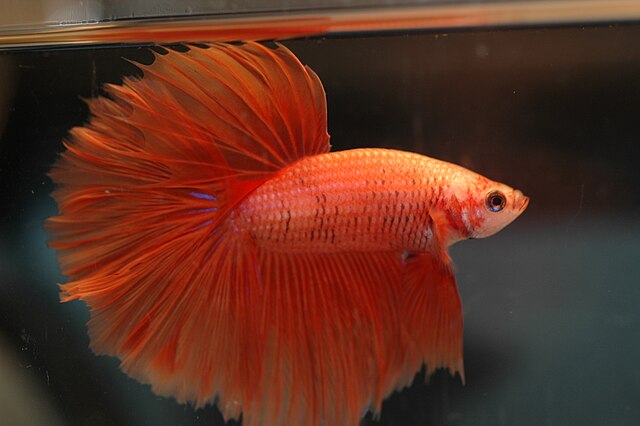
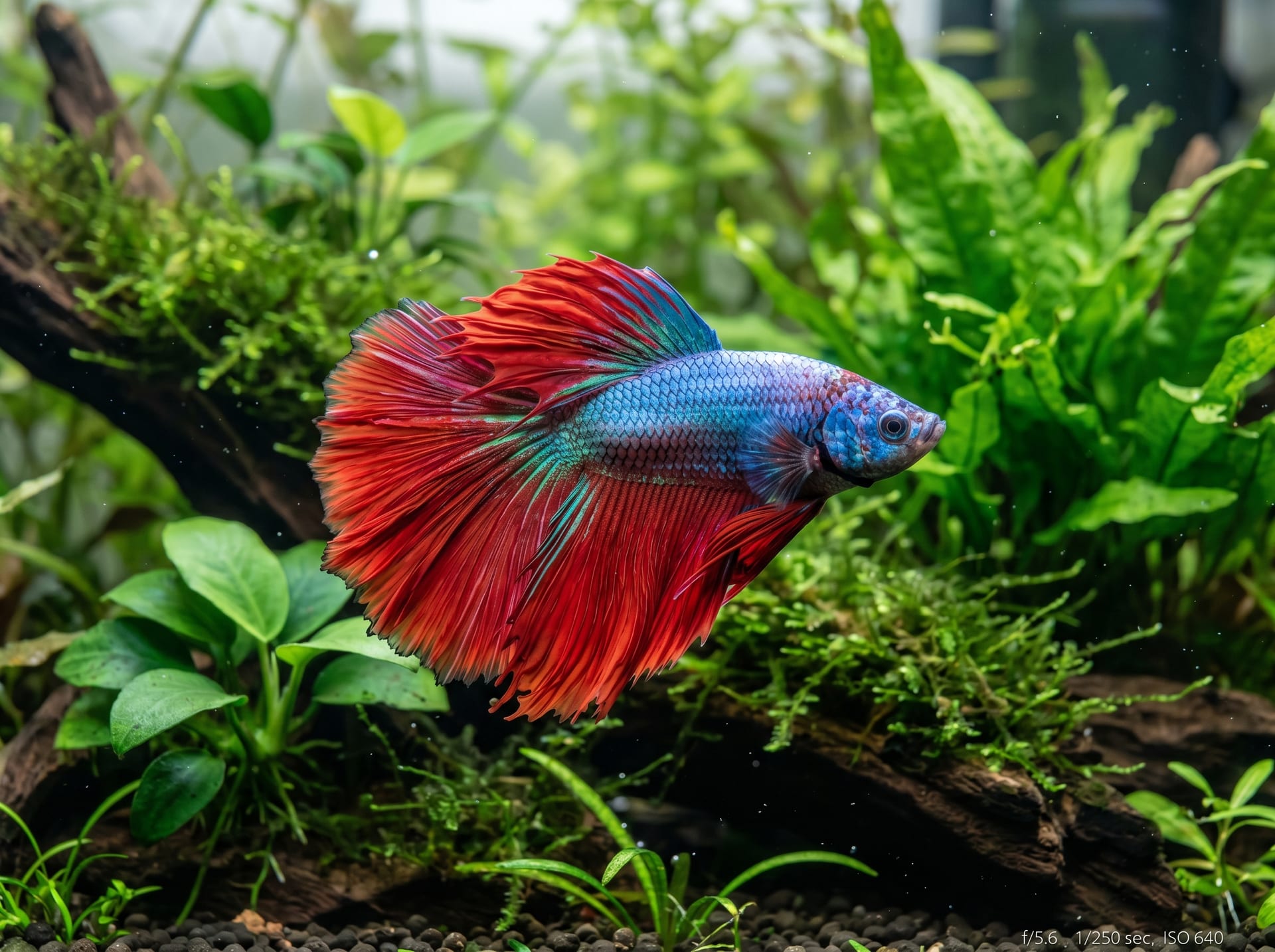
Halfmoon (HM): Tail spread of 180 degrees or more
Double Tail (DT): Tail divided into upper and lower sections
Crowntail (CT): Spiky fins extending radially
Plakat (PK): Short-finned fighting fish type
Giant: Large variety exceeding 10cm in body length
Selecting Fish Suited for Contests
Optimal Age
Male Bettas typically reach peak fin maturity at 6-9 months of age. After one year, fin edges may begin to deteriorate. When aiming for contest participation, plan your timeline working backward from the hatch date.
Fin Selection Criteria
- Halfmoon: Are the tail fins fully extended 180 degrees or more?
- Do the edges form a gentle arc rather than being perfectly straight?
- Are there no signs of fin clamping (folded fins)?
- Are the ventral fins, pectoral fins, and dorsal fins balanced?
Color Selection
- Color should be uniform with no patching
- Strong metallic sheen that shimmers with different lighting angles
- If butterfly patterned, boundaries should be clearly defined
Pre-Contest Conditioning
Water Quality Management
Optimize water quality 1-2 months before the contest.
Water temperature: 27-28°C (optimal for coloration and metabolism)
Perform daily or every-other-day water changes (50-70%) to minimize nitrate levels
Feeding and Nutritional Enhancement
Staple diet: Combine bloodworms (frozen or dried), brine shrimp, and daphnia. Color tends to fade with artificial food alone.
Color-enhancing food: Feeding astaxanthin-enriched food (derived from salmon and krill) 3-4 times weekly enhances red and orange coloration.
Protein enhancement: Increase high-protein food 2-4 weeks before the contest. This effectively promotes fin recovery and body development.
Fin Management and Training
Fin tension is crucial for contests. Daily, for 5-10 minutes, show the fish a mirror or another Betta to encourage flaring (aggressive display). Flaring exercises the fin muscles and maximizes spread when extended.
Caution: Keep each flaring session to 3-5 minutes or less. Extended flaring leads to stress and physical exhaustion.
Pre-Transport Preparation
Use an insulated bag with hand warmers (or ice packs in summer) to minimize water temperature fluctuations during transport on contest day
Use a transport cup as specified by JBC (a standard transparent cup of approximately 900mL)
Fast the fish from the day before to keep water clean
Minimize jarring during transport (vibrations and impacts can cause fin tears)
Lighting is often angled from the side during display, so color clarity directly impacts judging scores. Pre-contest practice with flaring under spotlights provides an advantage.
Benefits of Contest Participation
Contest participation not only improves husbandry skills but also builds networks with quality breeders and provides access to information on superior bloodlines. The keen observation skills, water quality management, and selective breeding techniques honed in pursuit of awards greatly benefit everyday care.
Conclusion
Betta contests are about "presenting the finest specimen in peak condition." By understanding IBC standards and consistently implementing proper conditioning, nutritional management, and fin training, anyone can raise competitive fish. Start by entering local shows, then use feedback from judges and participants to progress to the next level.