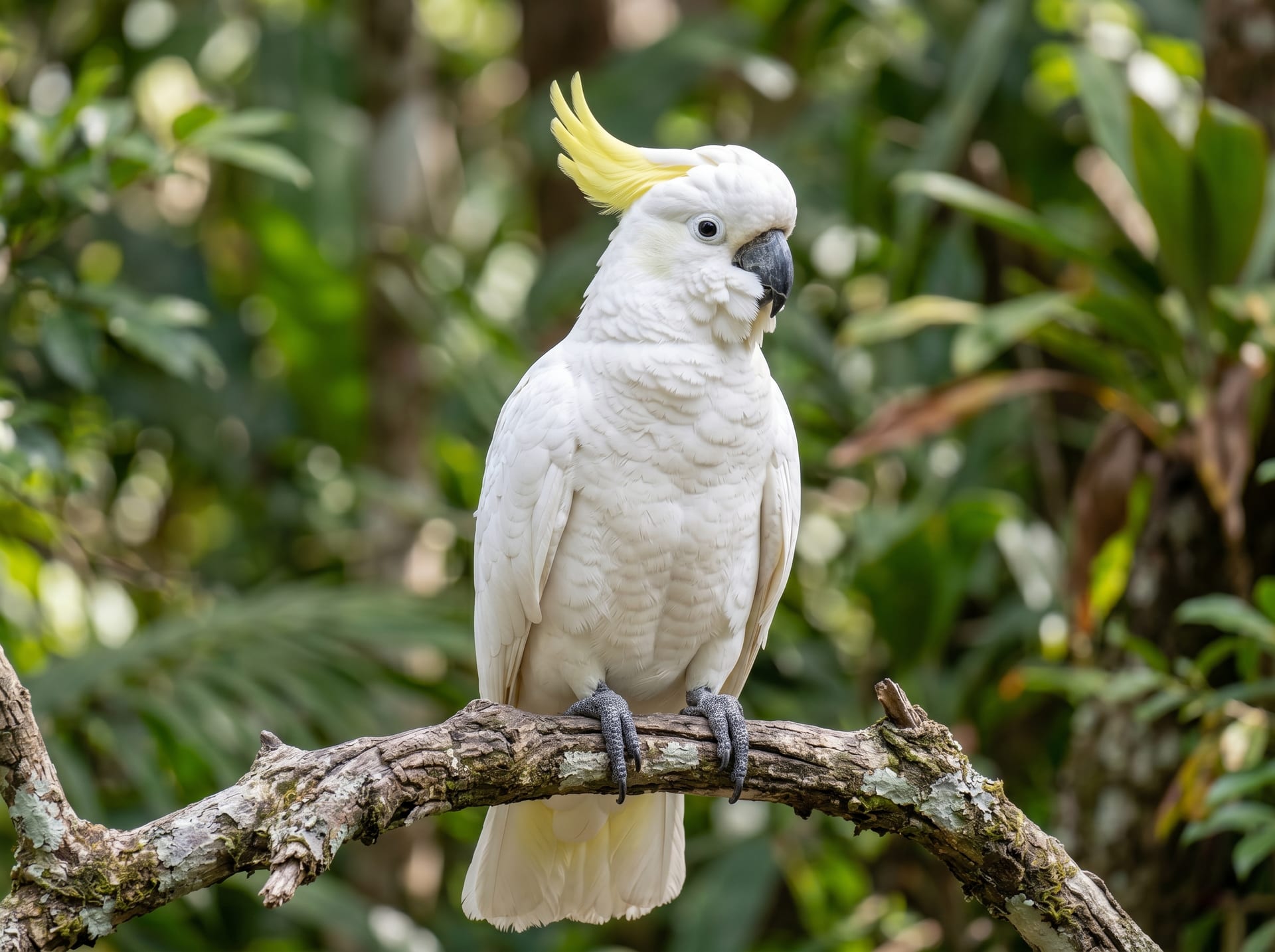
Parrot / Cockatoo
Large parrots and macaws are vibrant, highly intelligent companion birds known for their striking plumage and strong personalities. Many individuals form deep bonds with their owners and can learn to mimic speech, making them rewarding long-term companions. However, their care demands significant space, time, and financial commitment.
0% commission on your first sales!Register by September 30, 2026 and your first 2 sales are commission-free!
Breeder Wanted!
List on BreederDirect and sell directly to customers nationwide!
Six Transparency Commitments from BreederDirect
All Birds listings include complete Breeder transparency: hand-raised status, DNA sex determination, and health certification details.
- Hand-Raised
- DNA Sex-Determined
- Health Certified
- Origin Disclosed
- Color Variation Specified
- Age in Months Disclosed
Browse all 35 breeds
Care Level
No listings match your filters
Adjust your filters, or get notified when new listings arrive.
Getting alerts is free with a member account. When new listings match your saved search, we'll notify you by email and in-app.
Browse other categories
Verified breeders (preview)
About Parrot / Cockatoo
The term "large parrots" encompasses species such as macaws, African greys, galahs, and cockatoos that exceed roughly 40 centimeters in length as adults. Their ancestors inhabited tropical and subtropical forests across South and Central America, Africa, and Australia, and humans have shared a relationship with them spanning several centuries. Visually, each species carries a distinctive signature — the scarlet and cobalt of macaws, the understated charcoal and crimson tail of the African grey, the pristine white and sulfur crest of the cockatoo — making them among the most striking birds in the world. Their intelligence has been compared to that of non-human primates; some species demonstrate problem-solving, emotional recognition, and the ability to acquire meaningful vocabulary. When a deep bond is formed with an owner, these birds often memorize voices, daily routines, and even respond to their name being called. That same depth of character comes with high social and psychological needs, meaning they thrive only when given consistent time and genuine engagement — but for those who can provide it, few animals offer a more rewarding companionship.
7 things to know before welcoming a Parrot / Cockatoo
1Lifespans Span Decades
Large species such as macaws and cockatoos can live 50 to 80 years under proper care. Welcoming one means making a lifelong commitment that may outlast your own plans—many owners arrange for a trusted caretaker or include their bird in estate planning.
2Spacious Housing Is Essential
Large parrots need cages wide enough to fully spread their wings—generally at least 90 cm across. Daily out-of-cage time of several hours is essential to prevent stress and feather-destructive behaviors. Before setup, bird-proof your home by removing toxic plants, covering fans, and avoiding PTFE-coated cookware.
3Noise Levels Can Be Intense
Species like macaws and galahs can produce calls loud enough to disturb neighbors in apartment settings. Vocalizations often peak in the early morning and late afternoon. Assess your living situation and consider soundproofing measures before bringing a large parrot home.
4Diet Requires Variety
A formulated pellet diet is generally recommended as the staple for large parrots, as seed-only diets can lead to nutritional imbalances. Supplementing with fresh vegetables, fruits, and legumes supports overall health. Always avoid foods toxic to birds, including avocado, chocolate, and onion.
5Mental Stimulation Is a Must
Large parrots are highly intelligent and can develop destructive behaviors such as feather plucking or biting when bored. Providing daily mental enrichment through wooden toys, puzzle feeders, and training sessions is essential. Quality interaction and play time with their owner also serves as vital psychological fulfillment.
6Regular Avian Vet Care Needed
Birds instinctively hide signs of illness, making annual or biannual check-ups with an avian veterinarian important. Veterinary costs for large parrots can be substantial; exploring avian pet insurance or setting aside a medical fund is advisable. Confirm that a qualified avian vet is accessible in your area before adopting.
7Understand Costs Before Committing
Purchase prices for large parrots range from tens of thousands to hundreds of thousands of yen depending on species, with ongoing costs for housing, enrichment, food, and veterinary care adding up significantly. Given their long lifespans, total lifetime costs can be considerable—calculating a realistic budget before adopting helps ensure stable, long-term care for both owner and bird.
Frequently asked questions about Parrot / Cockatoo
- Q.Can large parrots be kept in an apartment?
- A.Large parrots are very loud, and keeping them in an apartment carries a real risk of noise complaints from neighbors. Soundproofing measures and a review of building regulations are essential before committing. Even in detached homes, consideration for neighbors during breeding season — when calls intensify — is important.
- Q.Is it possible to keep one as a single person living alone?
- A.It is possible, but long hours alone can cause significant stress in these highly social birds. If you are away frequently, enrichment toys, background audio from a radio or television, or housing a second bird can help compensate. Consider how potential life changes — relocation, marriage, or moving — might affect long-term care as well.
- Q.How do I teach a large parrot to talk?
- A.The foundation is consistent, daily repetition of words and phrases directed at the bird. African greys are particularly renowned for language acquisition and some individuals learn to use words in context. However, individual variation is significant — not every large parrot will talk — so it is important to value the bird regardless of its verbal ability.
- Q.What is the typical purchase price?
- A.Prices vary considerably by species. African greys typically range from roughly 300,000 to 700,000 yen, while macaws can exceed one million yen. When initial cage and equipment costs are included, first-year expenses can be substantial. Ongoing monthly care costs and veterinary fees should also be factored into your financial planning.
- Q.How should I handle a bird with a severe biting habit?
- A.Biting is most commonly driven by fear, frustration, or overstimulation. Reacting loudly when bitten tends to excite the bird further, so calmly withdrawing is the recommended first response. Reinforce calm, non-biting behavior through positive reinforcement, and if the problem persists, consulting an avian behavior specialist or veterinarian is advisable.
Useful tools for Parrot / Cockatoo care
Parrot / Cockatoo related articles
A Care Guide for Parrot and Parakeet Beaks and Claws | Preventing Overgrowth and Proper Trimming Techniques & Choosing a Trimmer
Without proper management, parrot and parakeet beaks and claws can become overgrown, making it difficult to eat and grip perches. This guide provides practical explanations of home care methods, when to request professional trimming, and how to choose safe trimming tools.
Solo-Housed Parrot Behavioral Problems Guide | Solutions for Excessive Vocalization, Chewing, and Aggression
Solo-Housed Parrot Behavioral Problems Guide
Galah (Rose-Breasted Cockatoo) Care Guide | How to Raise the Beautiful Pink-Breasted Australian Parrot
A comprehensive guide to raising the Galah (Eolophus roseicapilla), native to Australia. Covers their sociable nature, powder down management, the necessity of low-fat diets, providing mental stimulation, and managing their down feathers.
Hyacinth Macaw Care Guide | Long-term Care, Diet, and Environmental Management of the World's Largest Blue Parrot
Detailed guide to caring for Hyacinth Macaws (Anodorhynchus hyacinthinus). Comprehensive overview of everything needed for long-term care of these beautiful cobalt-blue parrots, from cage requirements and diet to mental health care and legal regulations.
How to Fix Parakeet and Parrot Biting Habits | Cause-Based Solutions and Training
Explores the causes of biting in parakeets and parrots (fear, hormonal changes, learned behavior), detailed step-by-step training procedures, species-specific advice, and strategies for managing breeding season aggression.
Little Corella Parrot Care Guide | Characteristics, Cages, Diet, and Training
A comprehensive care guide for the Little Corella (Cacatua sanguinea), a white parrot native to Australia. This guide covers characteristics of this relatively gentle and easy-to-keep cockatoo species, cage setup, feeding management, hand-taming training, and common health issues.
More in this category
Can't find the one you're looking for?
Post your wishes for free and breeders with matching animals will contact you with introductions.