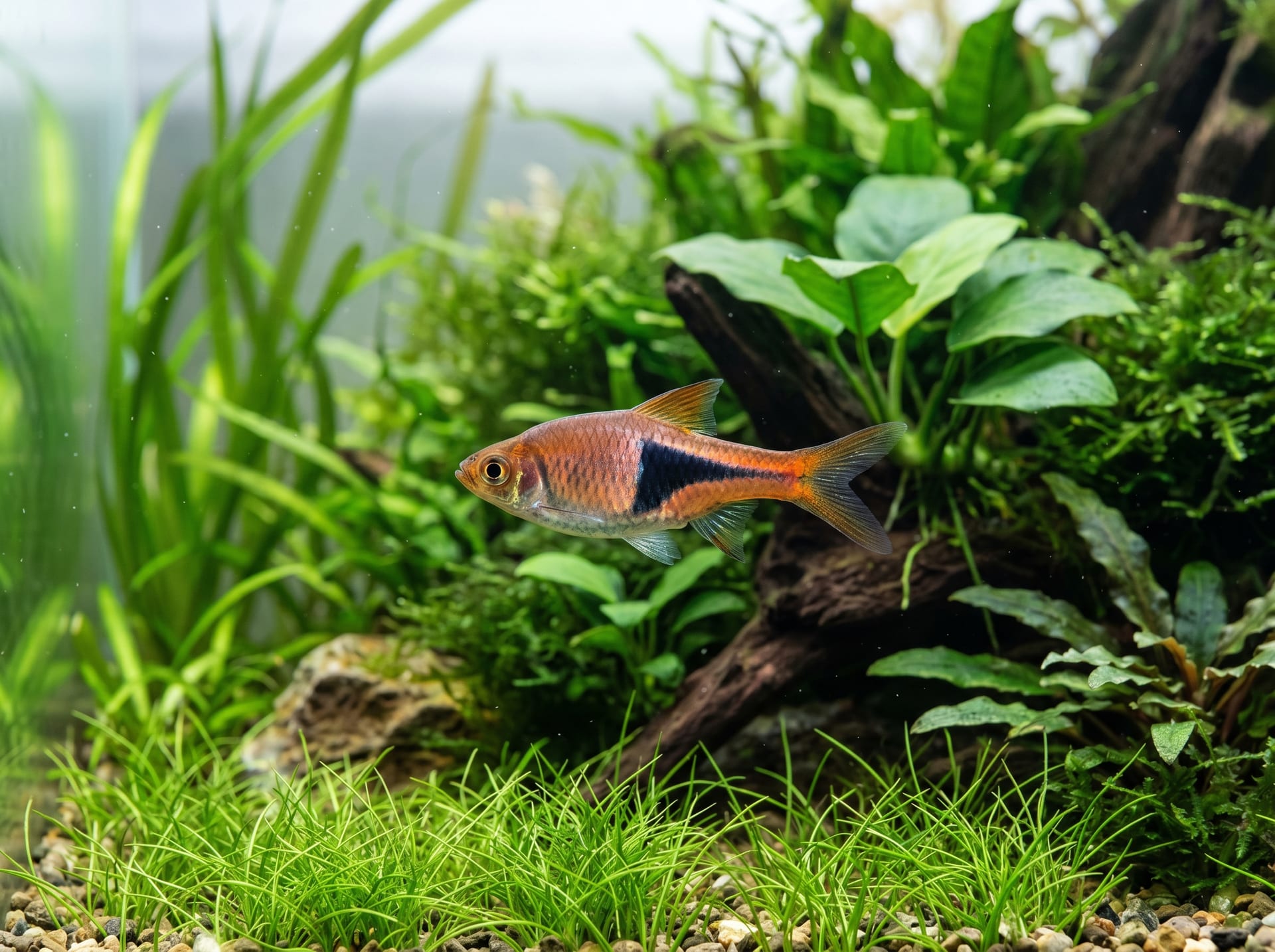
Small schooling fish from Southeast Asia. Espei and harlequin rasbora most popular. Perfect for planted tanks.
View Rasbora encyclopedia →First 3 sales - 0% commission!Register as a breeder by July 31, 2026 and your first 3 sales are commission-free!
Breeder Wanted!
List on BreederDirect and sell directly to customers nationwide!
All Tropical Fish listings include water quality, temperament, and tank size information from verified Breeder.
Price
Region
Attributes
Adjust your filters, or get notified when new listings arrive.
Getting alerts is free with a member account. When new listings match your saved search, we'll notify you by email and in-app.
Are you raising tropical fish?
Register as a breeder and connect with buyers directly.
Rasboras are a group of small fish from the carp family found across Southeast Asia, including Thailand, Malaysia, and Indonesia, and have been a staple of the aquarium hobby for decades. Among the most beloved species are the Lambchop Rasbora (Trigonostigma espei), with its warm orange body and distinctive black patch, and the Harlequin Rasbora (Trigonostigma heteromorpha), recognized by its striking triangular marking. Though small at 2–5 cm, a school of ten or more moving in unison brings remarkable energy and visual beauty to any aquarium. Their peaceful nature makes them ideal companions for other calm, similarly sized fish, allowing them to serve as either a centerpiece species or a graceful supporting cast in a community tank. They are particularly well-suited to planted aquariums, where their vivid colors contrast beautifully against lush green vegetation. With a lifespan of three to five years and straightforward care requirements, Rasboras offer lasting enjoyment for fishkeepers of all experience levels.
1Keep Them in Groups
Rasboras are schooling fish and thrive best in groups of six or more of the same species. Keeping them alone or in small numbers can cause stress, leading to timid behavior and faded coloration. Aim for a larger group to enjoy their natural schooling behavior.
2Ideal for Planted Tanks
Rasboras are exceptionally well-suited for planted aquariums, where their vibrant colors stand out beautifully against lush greenery. The hiding spots created by plants help the fish feel secure and display more natural behavior. They won't damage plants, making them ideal for aquascape setups.
3Prefer Soft, Slightly Acidic Water
Most rasboras prefer soft, slightly acidic to neutral water (pH 6.0–7.5), similar to their native Southeast Asian rivers. Matching these conditions enhances their coloration and breeding readiness. Regular water quality checks are important, as unsuitable parameters can cause stress and disease.
4Optimal Temperature: 25–28°C
As tropical fish, rasboras require a stable water temperature of 25–28°C. Temperatures dropping below 20°C weaken their immune system and increase susceptibility to diseases like ich. Always use a reliable heater and thermometer to maintain consistent conditions year-round.
5Choosing Tank Mates Carefully
Rasboras are peaceful and generally compatible with many small fish, but they may be eaten by larger, predatory species. Conversely, aggressive or large fish like angelfish can stress rasboras. Stick to similarly sized, peaceful species when choosing tank mates.
View Rasbora encyclopedia entry →
Care difficulty, lifespan, size and diet — all basics covered.
Complete Care Guide for Celestial Pearl Danios (Galaxy Rasboras) | Raising Tiny Jewels
Celestial Pearl Danio (Danio margaritatus), discovered in Myanmar in 2006, is a tiny tropical fish with beautiful pearl-like markings reminiscent of a starry sky. This comprehensive guide covers proper water conditions, schooling environments, breeding methods, and the most common causes of care failures.
Harlequin Rasbora Care Guide: Schooling, Water Quality, and Enhancing Coloration
Comprehensive guide to caring for Harlequin Rasboras (Trigonostigma heteromorpha). From water quality, substrate, and tankmate selection to maintain vibrant wedge-shaped markings, to step-by-step breeding procedures using slightly acidic soft water, this practical guide is enjoyable for beginners and experienced aquarists alike.
Creating a Nano Fish Community Tank | Care Guide for Scarlet Gem, Espei, and Dwarf Pufferfish
Learn how to set up a small mixed-species aquarium using nano fish such as Scarlet Gem, Espei, Harlequin Rasbora, and Dwarf Pufferfish. This practical guide covers tank size and equipment selection, species-specific water quality requirements, feeding and compatibility, and key points for enjoying breeding.
Rasbora Schooling Behavior & Care Guide | How to Create Beautiful Schooling
Explains Rasbora schooling behavior and optimal care environments. Introduces species selection, school size, and tank layout tips.
6Offer a Varied Diet
Rasboras accept dry foods like flakes and micro-pellets as a staple, but supplementing with frozen or live foods such as bloodworms and brine shrimp supports overall health. Feed twice daily in amounts consumed within 3–5 minutes, and promptly remove any uneaten food to prevent water quality deterioration.
7Lifespan and Health Care
With proper care, rasboras can live 3–5 years. Diseases like ich and fin rot require early detection and prompt treatment, so make a habit of observing your fish daily for changes in behavior or appearance. Performing partial water changes of about one-third weekly is the foundation of keeping them healthy.