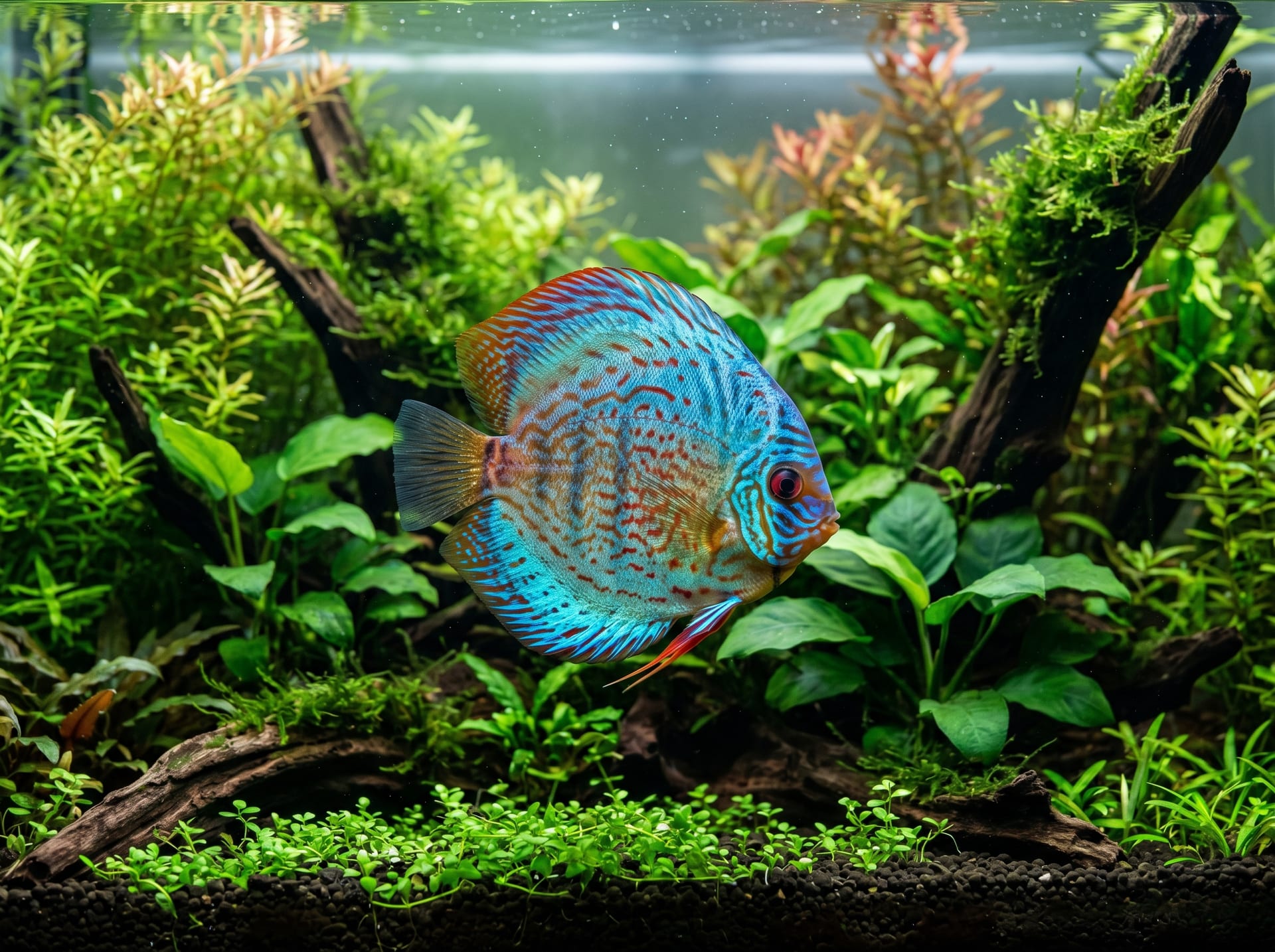
Discus
The 'King of Tropical Fish.' A disc-shaped cichlid with delicate coloration and graceful movement. Demands strict water quality — warm, soft, slightly acidic water. Many captive-bred strains.
View Discus encyclopedia →0% commission on your first sales!Register by September 30, 2026 and your first 2 sales are commission-free!
Breeder Wanted!
List on BreederDirect and sell directly to customers nationwide!
Our 6 Transparency Commitments
All Tropical Fish listings include water quality, temperament, and tank size information from verified Breeder.
- Origin Disclosed
- Real Photos
- Water Quality Disclosed
- Recommended Tank Size
- Temperament Disclosed
- Breed Line Disclosed
Browse all 27 breeds
Water Type
Care Level
No listings match your filters
Adjust your filters, or get notified when new listings arrive.
Getting alerts is free with a member account. When new listings match your saved search, we'll notify you by email and in-app.
Browse other categories
Verified breeders (preview)
Are you raising tropical fish?
Register as a breeder and connect with buyers directly.
Apply as a breederDiscus key facts
- Care level
- Advanced
- Lifespan
- 8-15 years
- Size
- 15-20cm
- Temperature
- 28〜32℃
- Diet
- Omnivore (discus hamburger, bloodworms, granules)
- Tank Size
- 60cm+ (group of 5+ recommended)
- Water
- pH 5.5-6.5, GH 1-4. RO water ideal
- Water Changes
- Frequent changes (daily to every 2 days) are key to health
- Notes
- Sensitive to parameter swings. Watch for Aeromonas and darkened coloration
About Discus
Native to the Amazon River basin, discus (Symphysodon spp.) were first imported to Europe in the 1930s and have captivated aquarists ever since with their extraordinary beauty. Their laterally compressed, near-circular bodies can reach 15–20 cm in diameter in adulthood, and decades of selective breeding have produced a dazzling array of varieties—from Turquoise and Royal Blue to Red Snakeskin and Pigeon Blood. Despite their regal appearance, discus have a surprisingly gentle temperament and tame individuals will readily feed from their keeper's hand. Historically regarded as a fish for experienced hobbyists due to their strict requirements for warm, soft, acidic water, improvements in captive-bred stock and the wider availability of care information have made them more accessible to dedicated beginners who invest in proper equipment. A school of discus gliding serenely through a well-planted tank is widely considered one of the most stunning sights in the freshwater aquarium hobby.
7 things to know before welcoming a Discus
1Keep Water at 28–32°C
Discus thrive at 28–32°C, warmer than most tropical fish. Dropping below this range weakens their immune system and invites disease, so a reliable heater and thermometer are essential. Choose tankmates that can comfortably tolerate these higher temperatures.
2Maintain Soft, Acidic Water
Discus prefer soft, slightly acidic water with a pH of 6.0–7.0 and low hardness. Tap water hardness varies by region, so consider using RO water or water-conditioning products. Poor water chemistry often shows up as color loss or lethargy before other symptoms appear.
3Frequent Water Changes Are Key
Discus are highly sensitive to deteriorating water quality; 2–3 water changes per week replacing 20–30% of the tank volume is widely recommended. Larger tanks (60 cm or more) tend to maintain more stable water parameters. Always match temperature and chemistry before adding new water.
4Use a Tank 60 cm or Larger
Adults reach 15–20 cm, so a 90–120 cm tank is ideal for a group. Cramped conditions cause territorial stress, stunted growth, and poor coloration. Tall tanks also complement their disc-shaped bodies and allow for a more dramatic display.
5Feed Small Amounts Often
Their sensitive digestive systems call for 2–3 small feedings per day rather than one large meal. Bloodworms and specially formulated discus hamburger are highly palatable and support vibrant coloration. Remove uneaten food within 5 minutes to keep water clean.
6Quarantine Before Introducing
Quarantine new arrivals in a separate tank for 2–4 weeks before adding them to your main display. Use this period to check for parasites or bacterial infections and treat if needed. Disease spreads quickly through a group of Discus, making prevention far easier than treatment.
7Budget for Higher Setup Costs
Fish prices range from a few thousand yen to tens of thousands depending on the strain, and equipment costs — tank, heater, filter, water-testing kit — add up quickly. Ongoing expenses include food, water treatment products, and electricity. Estimate your monthly running costs before committing to the hobby.
Frequently asked questions about Discus
- Q.Can beginners keep discus?
- A.Discus are more demanding than most tropical fish due to their strict water quality and temperature requirements. However, many beginners succeed by investing in proper equipment and learning the fundamentals of water chemistry before starting. Beginning with captive-bred individuals is strongly recommended, as they tend to be hardier than wild-caught fish.
- Q.How many discus should I start with?
- A.Discus are schooling fish, so starting with a minimum of three is recommended. Keeping only one or two can cause stress-related issues such as color fading and loss of appetite. If your tank is 90 cm or larger, a group of five to six individuals is ideal for natural behavior and visual impact.
- Q.What is the lifespan of a discus?
- A.Well-cared-for discus commonly live 10–15 years, making them a long-term commitment. Stable water quality and a nutritious diet are the most important factors for longevity. Conversely, chronic poor water conditions or nutritional deficiencies can significantly shorten their lifespan.
- Q.How often do discus need water changes?
- A.As a general guideline, change 20–30% of the water one to two times per week. Higher feeding rates or a larger number of fish may require more frequent changes. Always match the temperature, pH, and hardness of the new water to the existing tank water before adding it, to avoid sudden parameter shifts that can stress the fish.
- Q.Is darkening body color a sign of disease?
- A.Darkening is not always a sign of disease, but it can indicate stress, deteriorating water quality, or digestive issues. If the color change is accompanied by loss of appetite or abnormal swimming behavior, check your water parameters immediately and consider isolating the fish for observation. If symptoms persist, consult a specialist or aquatic veterinarian.
Useful tools for Discus care
Learn more about Discus in the encyclopedia
View Discus encyclopedia entry →
Care difficulty, lifespan, size and diet — all basics covered.
Discus related articles
Discus Fish Breeding Guide: Pairing, Spawning, Fry Rearing, and the Parental Body-Fluid Feeding System
A detailed guide to breeding discus, the pinnacle of tropical fish. Covers pair formation, spawn induction, fry rearing, parental body-fluid feeding, and water chemistry management during breeding—a practical walkthrough of the entire process.
Discus Breeding and Water Quality Management Guide | Soft Water, Weak Acid Management, Spawning, and Fry Rearing
A detailed guide on water quality management for breeding Discus, the king of tropical fish. This intermediate to advanced breeding guide covers creating soft water and slightly acidic environments using RO water and blackwater, large water change schedules, steps from pair formation through spawning, fry feeding on parental mucus secretions, transitioning to artificial feeds, and comprehensive fry tank management.
Amazon River Biotope Aquarium Guide: South American Fish, Aquatic Plants, and Water Chemistry
A comprehensive guide to creating a biotope aquarium that recreates the natural environment of the Amazon River. We cover how to set up the aquarium with South American tropical fish species (Discus, Angelfish, etc.), aquatic plants, driftwood, and black water chemistry in detail.
Discus Breeding Guide: Pairing, Spawning, and Fry Management
A guide to breeding the "King of Tropical Fish," discus. We explain male-female pairing methods, spawning site setup, fry mucus-feeding stage management, and the transition to specialized fry foods.
Advanced Discus Care Guide | Mastering Water Quality Management, Sexual Maturity, and Breeding
This guide explains advanced care methods for keeping the king of tropical fish, discus, healthy long-term and successfully breeding them. It covers maintaining extremely soft water, promoting maturity, and providing detailed guidance from egg-laying through fry rearing.
Complete Guide to Discus Care|Water Quality Management, Color Enhancement, and Breeding Tips
A comprehensive guide to caring for discus fish, the "king of tropical fish." Covers water quality management in slightly acidic soft water, feeding and environmental techniques for color enhancement, breeding techniques from pairing to fry rearing, and disease prevention methods.
More in this category
Can't find the one you're looking for?
Post your wishes for free and breeders with matching animals will contact you with introductions.