Amazon River Biotope Aquarium Guide: South American Fish, Aquatic Plants, and Water Chemistry
A comprehensive guide to creating a biotope aquarium that recreates the natural environment of the Amazon River. We cover how to set up the aquarium with South American tropical fish species (Discus, Angelfish, etc.), aquatic plants, driftwood, and black water chemistry in detail.
Key Takeaways
A comprehensive guide to creating a biotope aquarium that recreates the natural environment of the Amazon River. We cover how to set up the aquarium with South American tropical fish species (Discus, Angelfish, etc.), aquatic plants, driftwood, and black water chemistry in detail.
Related Species
The Amazon River is a vast waterway flowing through the world's largest tropical rainforest, with thousands of fish species inhabiting its water system. Recreating this unique environment in a home aquarium is what we call an "Amazon River Biotope." A biotope is a captive environment that mimics a specific ecosystem. Rather than simply keeping South American fish, by adjusting the water chemistry, substrate, aquatic plants, and driftwood to match the natural habitat, fish display their true beauty and natural behaviors.
What is Amazon River Water Chemistry? Understanding Black Water
Many tributaries of the Amazon River feature water called "black water"—a transparent, dark amber to brownish water similar in appearance to tea. This water type is created when fallen leaves, driftwood, and decomposing organic matter from the rainforest release tannins and humic acids into the water column.
Black water has the following characteristics:
- pH: 4.5–6.5 (weakly acidic to acidic)
- Hardness (GH): 0–4°dH (extremely soft water)
- Color: transparent amber to dark brown
- Rich in organic matter with diverse bacterial communities
Japan's tap water is neutral to weakly alkaline and tends toward hardness, making it unsuitable for Amazon fish in its natural state. To match water chemistry, use RO water (reverse osmosis purified water) or a softening filter, and add peat moss or almond leaves (leaves of Terminalia catappa) to supplement tannins. Commercial "black water additives" are also convenient and effective.
Beginners should start by measuring pH and hardness, then gradually adjust toward target values—this approach minimizes failure.
Recommended South American Tropical Fish: Choosing Your Show Pieces
Selecting the primary fish species is the most enjoyable step in establishing a biotope. Here are representative tropical fish species native to the Amazon river system.
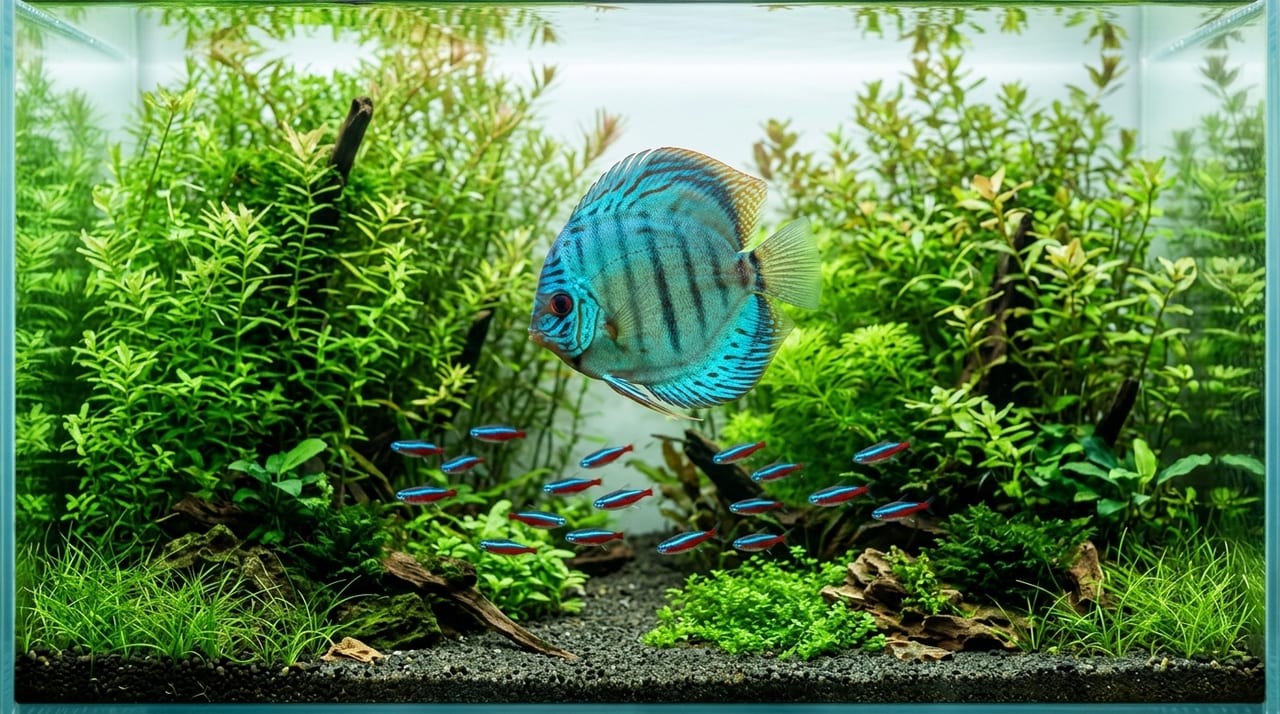
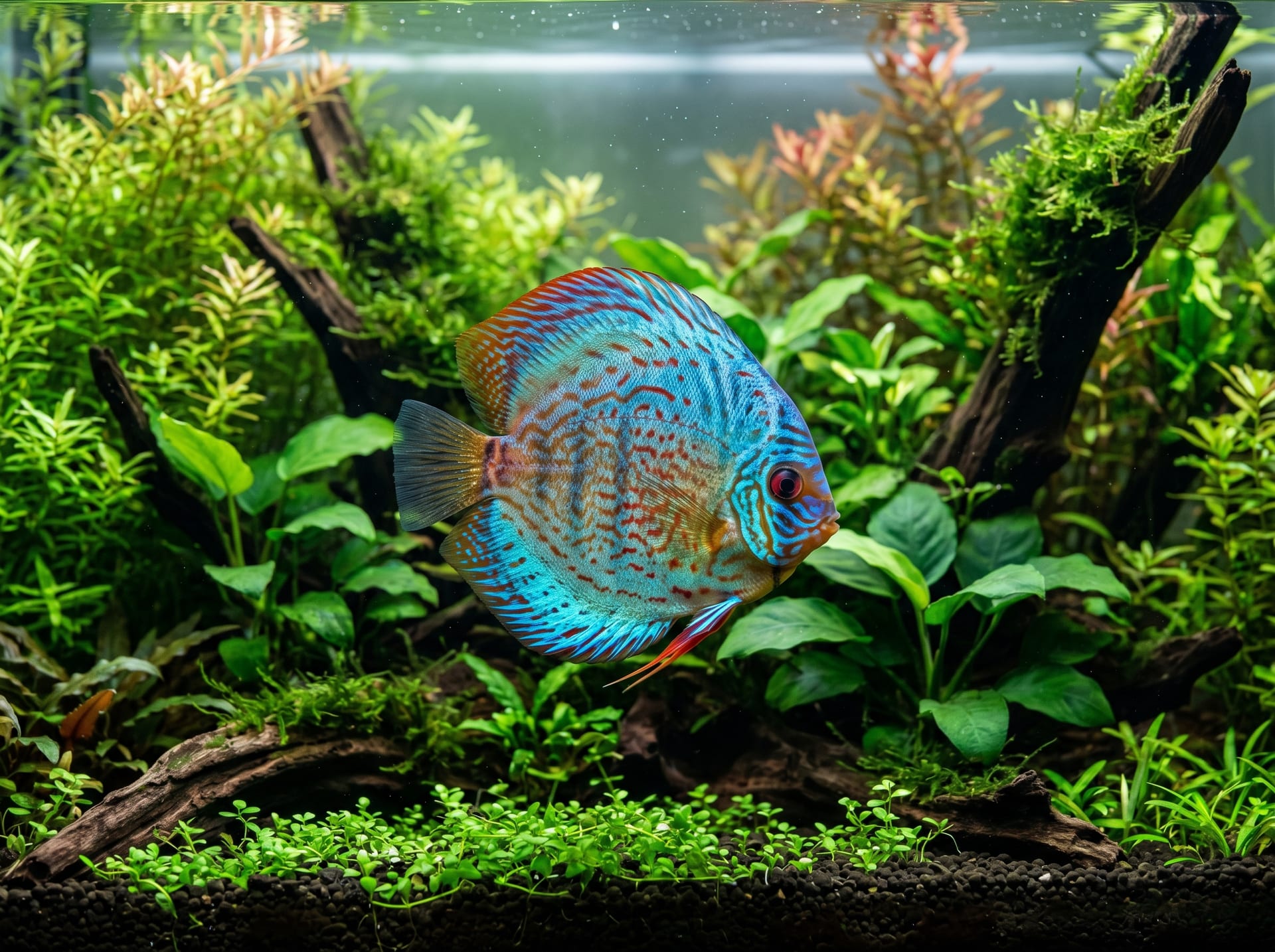
Discus Called the "king of tropical fish," this large cichlid has significant body depth and comes in colorful varieties featuring red, blue, and green. It prefers weakly acidic soft water and high temperatures (28–31°C). While sometimes delicate and better suited for experienced aquarists, it's not difficult to keep if water chemistry is properly established.
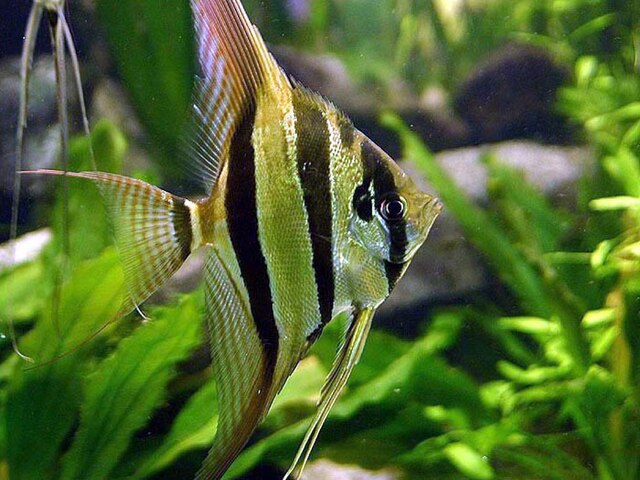
Angelfish A medium-sized cichlid with an elegant diamond-shaped silhouette stretched vertically. They look graceful swimming slowly between driftwood and aquatic plants, making them ideal for biotope displays. They're easy to keep at pH 6.0–7.0 and 25–28°C, and are suitable for beginners.
Cardinal Tetra A small characin with striking red and blue stripes. When kept in schools, they instantly add vibrancy to the aquarium. They prefer weakly acidic soft water and are a classic pairing with Angelfish.
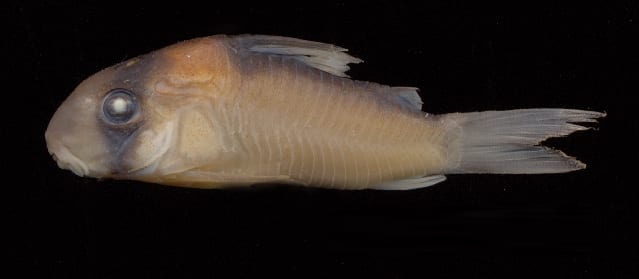
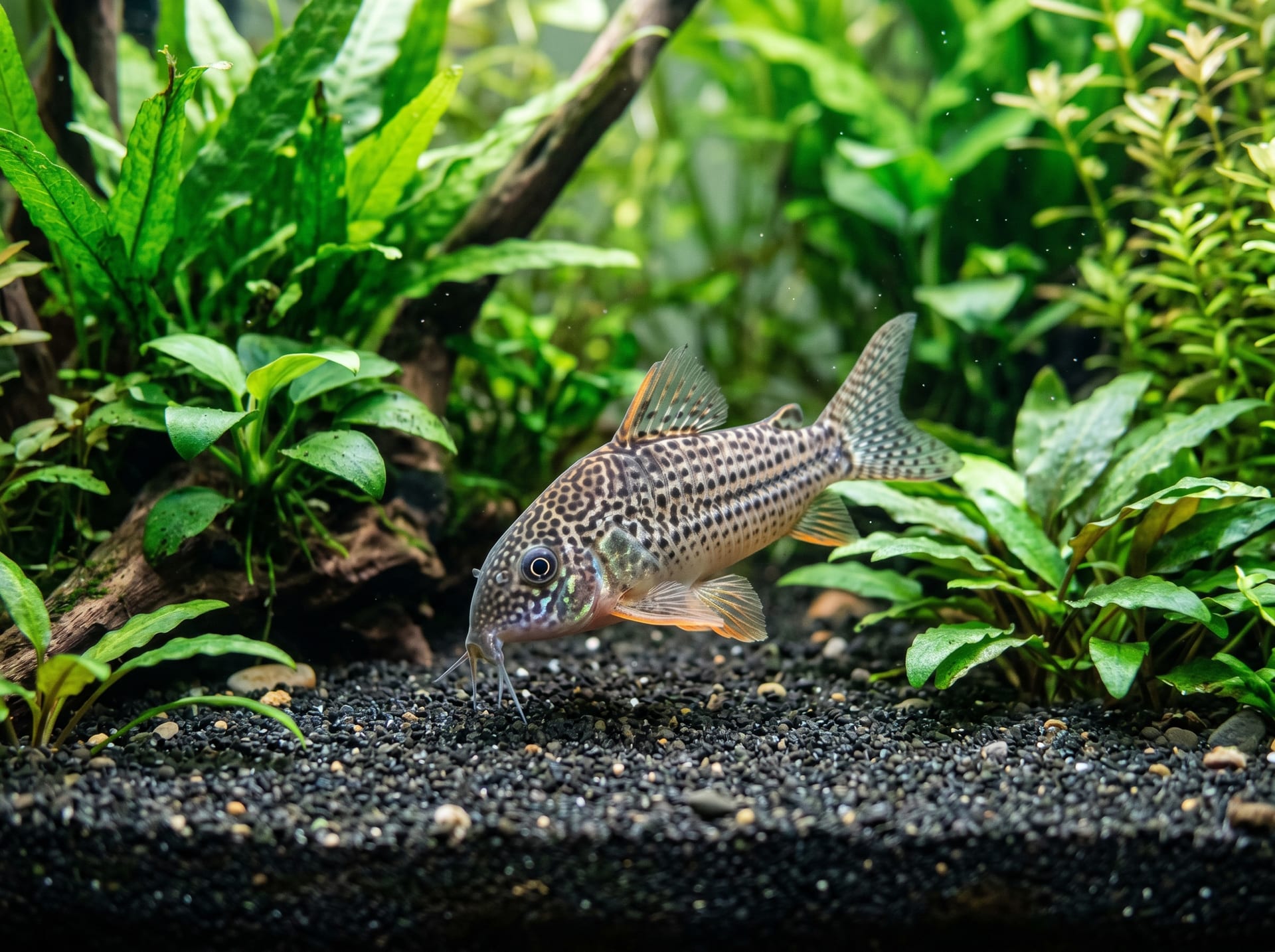
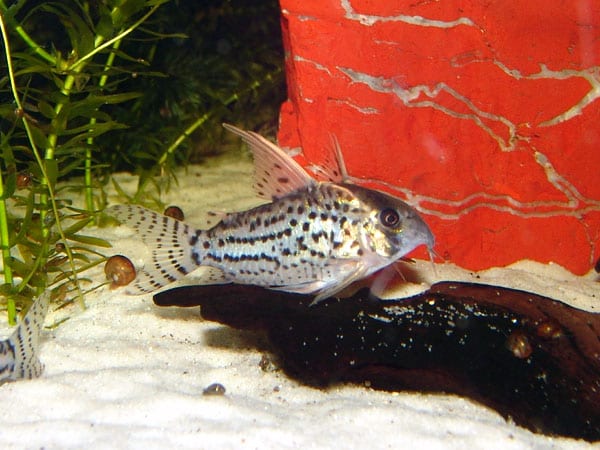
Corydoras (South American species) Small catfish that dart around the bottom layer. Numerous Amazon-origin species are available, such as Corydoras adolfoi and Corydoras schwartzi. They also serve the practical function of cleaning up leftover food from the substrate.
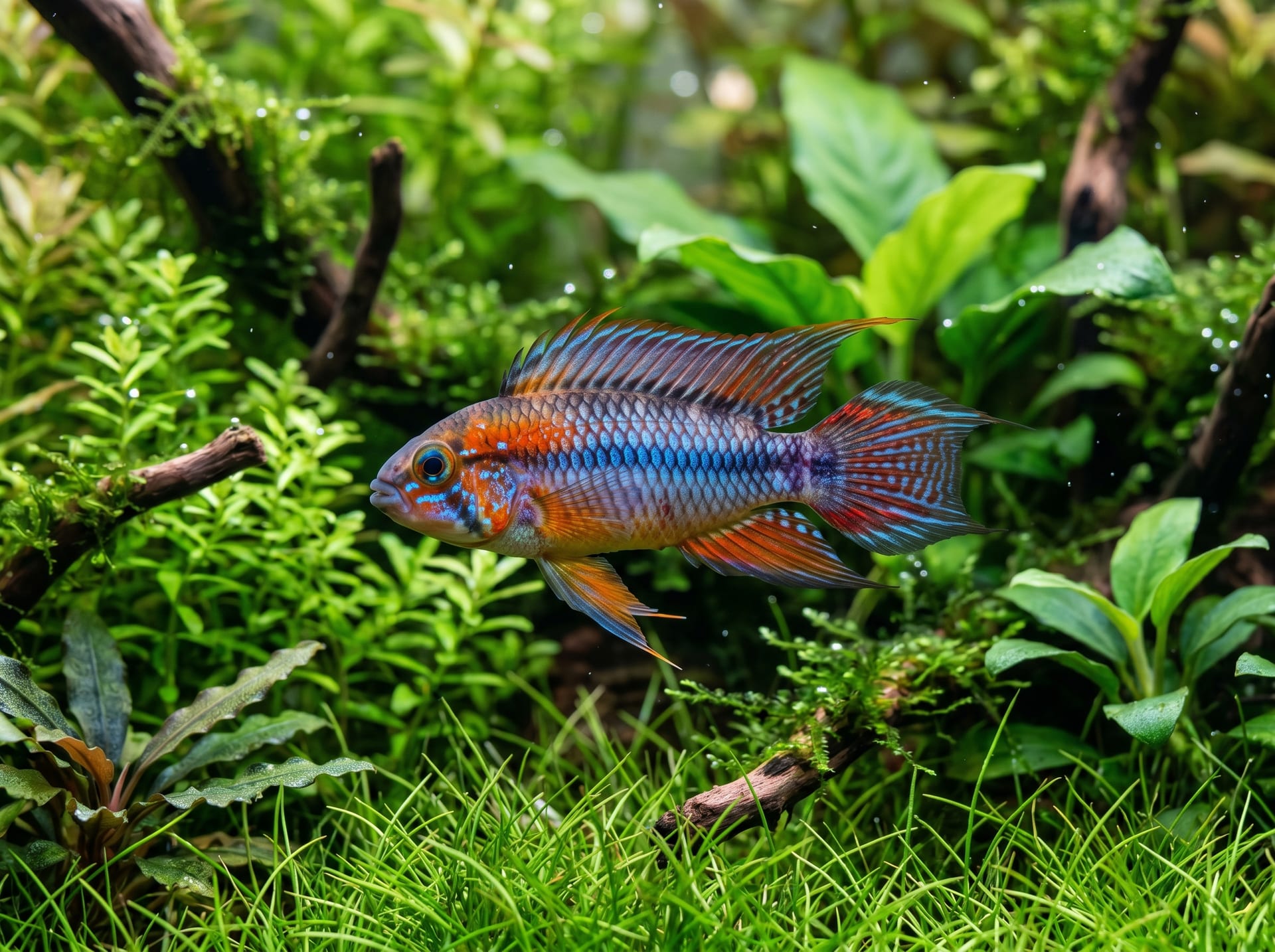
Apistogramma A small cichlid that can be kept as a pair, allowing observation of breeding behavior. At around 5 cm in length, they look striking even in planted aquariums.
When selecting fish, keep in mind that they should be "from the same geographical origin." Fish that naturally overlap in habitat tend to have compatible water chemistry preferences and experience fewer conflicts in mixed-species tanks.
Layout Basics: Choosing Driftwood, Substrate, and Aquatic Plants
Achieving both "natural aesthetics" and "functionality" is crucial for an Amazon River biotope layout.
Driftwood Branch wood or old black wood with spreading fine branches suits the South American atmosphere. Since untreated driftwood releases large amounts of tannins from its organic content, you can either pre-soak it for several days to a week, or deliberately harness the tannins to help establish black water chemistry.
Substrate While the Amazon River bottom is typically fine white sand, biotope aquariums commonly use nutrient-rich soils like "Amazonia." Nutrient soil lowers pH, softens water, and promotes aquatic plant growth. For easier maintenance, apply substrate thinly.
Aquatic Plants Selecting aquatic plants native to the Amazon River enhances the completeness of the biotope.
- Echinodorus (Amazon Sword, etc.): Large leaves evoke a South American atmosphere and readily propagate via runners.
- Anubias barteri: Attaching to driftwood or rocks creates a natural appearance and grows even in low light.
- Vallisneria and Water Wisteria: Useful background plants for adding height.
- Willow Moss: When attached to driftwood, creates a stream-like aesthetic.
Aquatic plants are classified as either "shade-tolerant (low-light OK)" or "light-demanding (high-light required)." With proper CO₂ supplementation and lighting, you can enjoy a more diverse plant palette.
Equipment and Water Management: Keys to Long-Term Success
Proper equipment selection and daily maintenance are essential for maintaining a beautiful biotope aquarium.
Filtration External filters are best suited for biotopes. They allow gentle water flow and provide excellent biological filtration capacity. External filters from brands like Eheim and Kotobuki are standard choices. Select flow rate based on 5–10 times the tank volume per hour.
Lighting Aquatic plants require 8–10 hours of light daily. LED lighting has low running costs and typically uses white-spectrum bulbs around 6500K color temperature. For certain plant species, adding red and blue LEDs can accelerate growth.
Heater For Discus, maintain 28–31°C. For Angelfish and Cardinal Tetras, 26–28°C is ideal. Use a thermostat-equipped heater to minimize temperature fluctuations.
CO₂ Supplementation Essential for serious aquatic plant cultivation. Start with a small cylinder and upgrade to larger ones as needed. CO₂ addition also lowers pH, making it highly compatible with Amazon aquariums.
Water Changes and Top-Offs Perform 20–30% water changes weekly as a baseline. Always dechlorinate tap water and adjust pH and hardness before use. Adding almond leaves or peat moss simplifies water quality maintenance.
Setup Procedure: The First Month is Critical
Taking a patient approach to establishing a biotope aquarium is the key to success.
- Tank and Equipment Setup and Cleaning (Day 1): Rinse and install the tank, substrate, and driftwood. Anchor driftwood with weights to keep it submerged.
- Water Fill and Filter Start (Days 1–3): Let substrate settle for several days before full operation.
- Aquatic Plant Planting (Days 3–5): Plant in order: background → midground → foreground.
- Introduction of Pilot Fish (1 Week): Add a small number of hardy small fish like Cardinal Tetras first to establish beneficial bacteria.
- Water Chemistry Check and Adjustment (Weeks 2–4): Regularly measure ammonia, nitrite, pH, and hardness. Once stable, gradually increase fish populations.
- Addition of Main Species (After 1 Month): Introduce Discus and Angelfish last.
In early setup stages, ammonia and nitrite spike easily, destabilizing fish health. Using bacterial supplements and gradually adding fish through staged introductions are keys to long-term success.
Summary: Bringing the Amazon Into Your Home
An Amazon River biotope is a fascinating world where water chemistry management, layout design, and species selection all work in concert. While it may seem difficult at first, careful attention to each aspect creates a mesmerizing aquarium that captures a slice of the South American tropical rainforest.
The most important thing is "the attitude of moving closer to the natural environment." Rather than seeking perfection, enjoy the biotope by making gradual improvements at your own pace. Start with accessible species like Cardinal Tetras or Angelfish, and take your first step into the world of the Amazon.