How to Choose and Care for LPS Corals | Lobophyllia, Lobophyllia hemprichii, and Euphyllia
A thorough comparison of popular LPS coral species. Explains the characteristics of Lobophyllia, Lobophyllia hemprichii, Euphyllia and others, placement tips, feeding methods, and common beginner mistakes.
Key Takeaways
A thorough comparison of popular LPS coral species. Explains the characteristics of Lobophyllia, Lobophyllia hemprichii, Euphyllia and others, placement tips, feeding methods, and common beginner mistakes.
Related Species
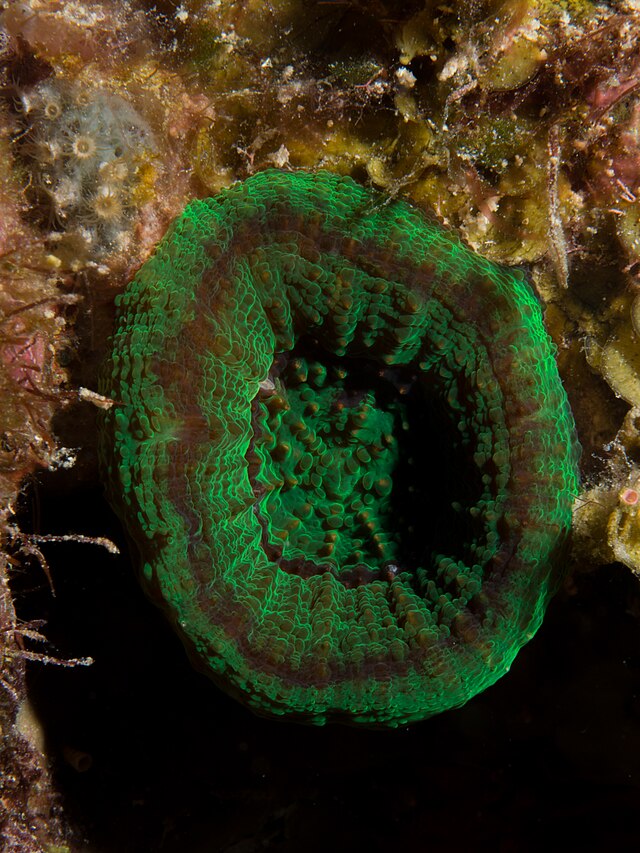
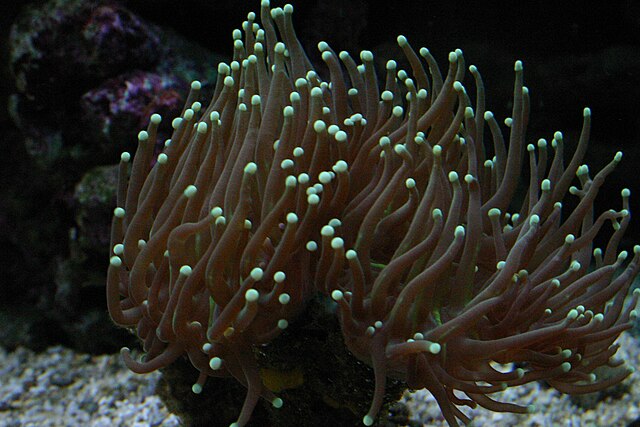
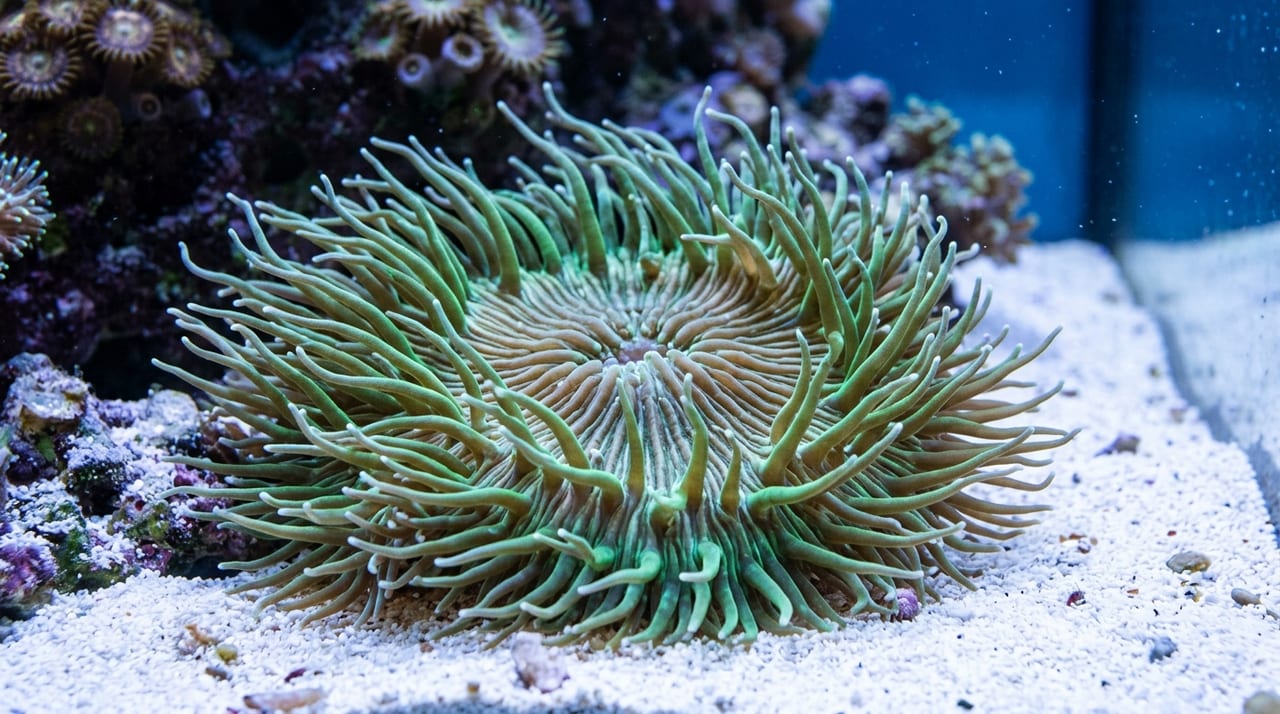
In the saltwater aquarium hobby, LPS corals are popular for their vibrant colors and graceful movement. Unlike SPS corals, which demand precise water chemistry, LPS corals are considered beginner-friendly. However, while often described as "easy to keep," the reality is that long-term success requires understanding the specific needs of each species. This guide focuses on three particularly popular LPS corals—Lobophyllia, Lobophyllia hemprichii, and Euphyllia—covering everything from selection to daily care.
What Are LPS Corals? Appeal and Basic Characteristics
LPS (Large Polyp Stony coral) refers to a group of stony corals with skeletons that display particularly large polyps. These polyps can range from several centimeters to over a foot in diameter, and their flowing tentacles and plump texture bring dynamic life to any aquarium.
The greatest appeal of LPS corals lies in their color diversity. They come in green, purple, orange, blue, and countless other hues, with each individual displaying a unique appearance even within the same species. In addition to photosynthesis through their symbiotic zooxanthellae, they also capture plankton and organic matter, allowing you to enhance both their growth and coloration through feeding.
Compared to SPS (Small Polyp Stony) corals, LPS corals are more tolerant of water chemistry fluctuations and have less demanding requirements for lighting and water flow, making them extremely popular as entry-level saltwater corals. However, "easy to keep" does not mean "anything goes"—understanding each species' preferred environment is essential for long-term success. If uncertain, the LPS Coral Beginner's Guide provides a solid foundation before choosing specific species.
In-Depth Comparison of the Top 3 Species and Care Difficulty
Lobophyllia (Trachyphyllia geoffroyi)
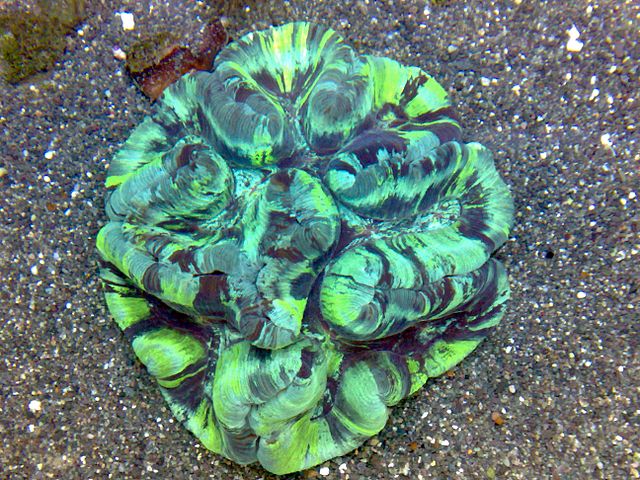
Lobophyllia is considered one of the most beginner-friendly LPS corals. Its skeleton is free-living (non-attached), so the standard care method is to place it directly on the sand bed.
- Care difficulty: Beginner to intermediate
- Light requirement: Low to moderate (PAR 80–150)
- Water flow: Gentle, weak to moderate current
- Characteristics: Displays impressive polyp expansion and responds well to feeding. Available in numerous color morphs including green, red, and multicolor varieties
It struggles under intense direct light or strong water flow, so placing it in the mid to lower sections of the tank—where it's somewhat shaded—promotes stability. When conditions are right, fully expanded polyps make it easy to visually monitor health, which is another reason they're so manageable.
Lobophyllia hemprichii (Lobophyllia hemprichii)
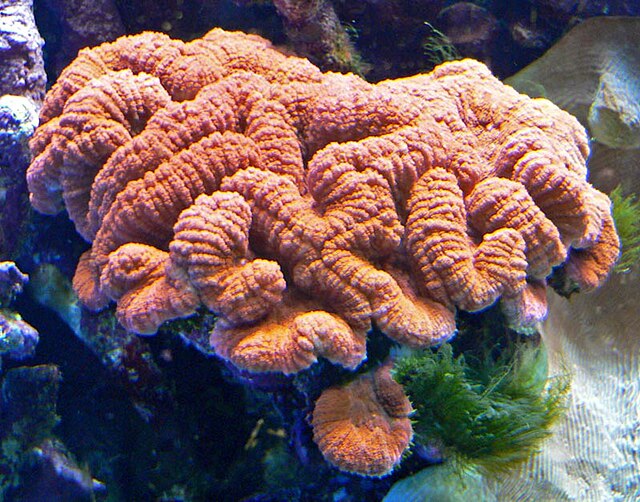
Lobophyllia hemprichii captivates with its brain-like surface texture and powerful polyp expansion. These corals open their polyps even wider at night, offering a changing display between day and night. They're sometimes confused with the closely related Scolymia (see Scolymia Care Guide), but they can be distinguished by whether they're colonial or solitary.
- Care difficulty: Beginner to intermediate
- Light requirement: Moderate (PAR 100–200)
- Water flow: Weak to moderate
- Characteristics: Hardy skeleton that tolerates minor environmental fluctuations. Growth is slow, but stable conditions support long-term care
Multiple color morphs exist, with red and purple individuals being especially popular. Take care with adjacent corals—direct contact can damage neighboring polyps.
Euphyllia glabrescens (Euphyllia glabrescens)
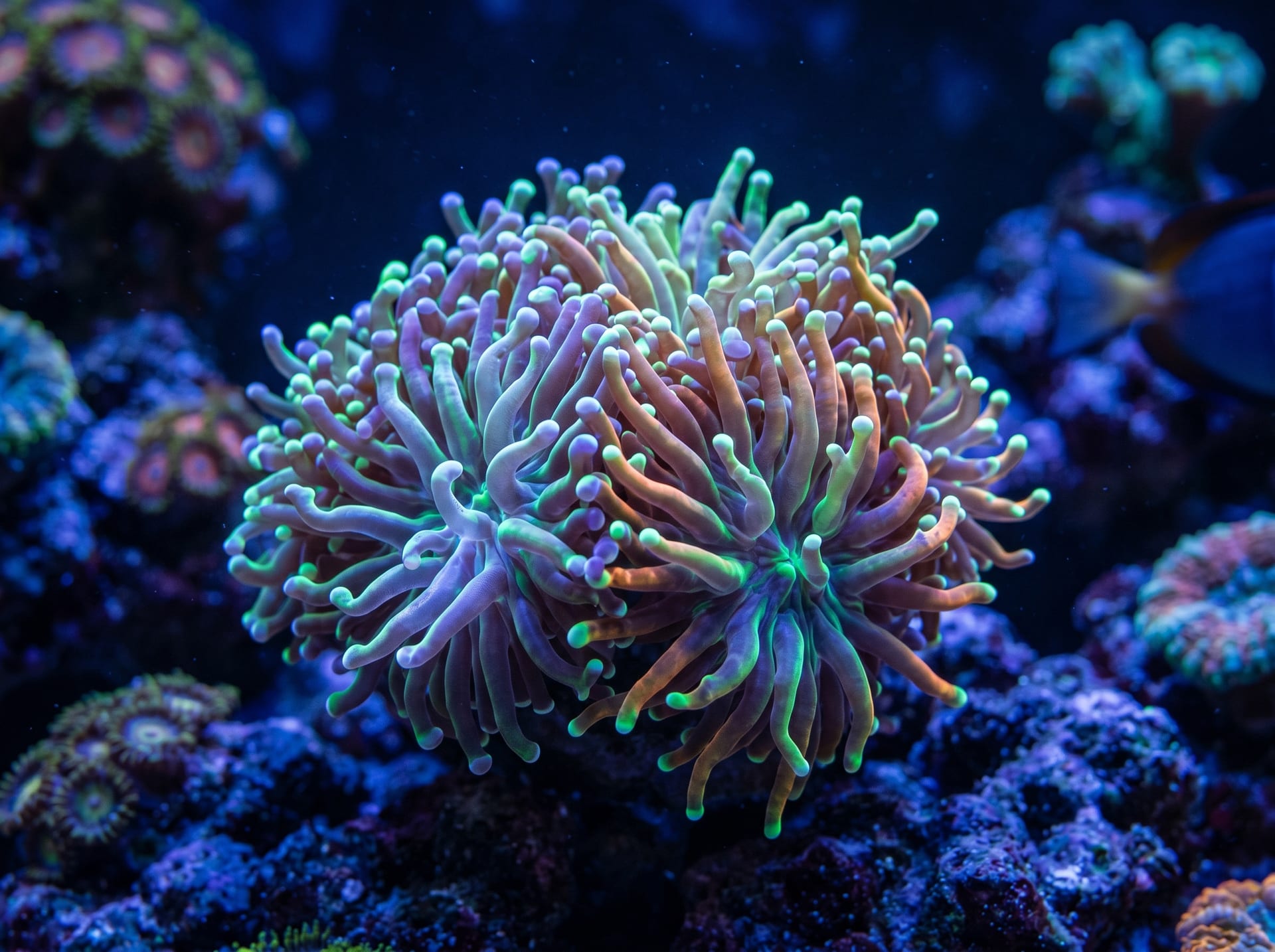
Euphyllia glabrescens is prized for its long tentacles that sway gracefully with water flow, making it one of the most beloved LPS corals. It shares the spotlight in the Euphyllia genus with Hammer coral (Euphyllia ancora), which has bubble-tipped tentacles. Since care requirements overlap significantly, consulting the Euphyllia Genus Complete Guide and Hammer & Torch Coral Care Guide will deepen your understanding.
- Care difficulty: Intermediate
- Light requirement: Moderate (PAR 100–200)
- Water flow: Moderate, randomized current
- Characteristics: Beautiful long tentacles, but can sting neighboring corals, so placement requires care. Susceptible to BJD (Brown Jelly Disease), a bacterial infection, so water quality management is critical
Euphyllia species tolerate placement near other Euphyllia without issues. It's safer to maintain at least 6 inches (15cm) between different coral genera.
Placement and Aquascaping Tips
Proper placement in the aquarium is critical for maintaining LPS coral health long-term. Keep these points in mind when designing your layout. For detailed arrangement techniques, see Liverock Arrangement & Aquascaping Guide.
Choosing the Right Depth
- LPS corals are generally light-sensitive, so place them in the middle to lower sections of the tank
- If positioning directly under lights, use a PAR Measurement Guide to verify actual light levels before placement
- Always position Lobophyllia directly on sand; never attach to liverock
Spacing and Contact Prevention
- Euphyllia glabrescens tentacles sting nearby corals, so maintain at least 6 inches (15cm) of clearance around them
- Even between different LPS species, direct contact can cause mutual damage—for example, between Lobophyllia hemprichii and Lobophyllia
- When expanding your collection, space corals with their full grown size in mind. For multi-species layouts, the Mixed Reef Construction Guide is helpful
Water Flow Direction
- Avoid strong, linear currents; random, intermittent flow is ideal
- Using multiple powerheads in random mode mimics natural reef conditions
- Insufficient flow allows detritus (organic waste) to accumulate around the skeleton, leading to tissue necrosis
Enhancing Color and Growth Through Feeding
LPS corals supplement their symbiotic zooxanthellae photosynthesis with captured prey. Proper feeding directly improves coloration, polyp expansion, and growth rate. For general feeding principles, see the Coral Feeding & Nutrition Guide.
Recommended Food Types
- Frozen copepods (small crustaceans): High nutritional value, preferred by most LPS
- Frozen brine shrimp: Good feeding response; beginner-friendly
- Liquid plankton (liquid food): Disperses throughout the tank for natural capture
- Daphnia and rotifers: Effective for species that prefer smaller prey
Feeding Frequency and Technique
- Frequency: Once or twice per week (overfeeding degrades water quality)
- Stop water flow during feeding and use a dropper to place food directly at the polyp's mouth (center)
- After 10–15 minutes, you'll see polyps engulf the food—a sign of success
- Resume water flow after 30 minutes and remove excess food via skimmer or water change
If coloration improves or polyps expand further after feeding, your coral is successfully absorbing nutrition. Conversely, if polyps remain retracted, it may signal issues with water quality or lighting.
Health Monitoring and Troubleshooting
LPS corals display clear visual signs, making observation crucial for early problem detection.
Signs of a Healthy Coral
- Polyps are well-expanded
- Tentacles and tissue have luster and firmness
- Polyps respond to feeding
Warning Signs
- Constantly retracted polyps → Light, flow, or water quality may be suboptimal
- Exposed skeleton (tissue recession) → Immediately check water quality and consider isolation
- Brown jelly-like substance on tissue → Suspect BJD (bacterial infection). Blast affected areas with water flow; consider antimicrobial treatment if needed. See Common Coral Diseases & Treatment for detailed symptom-specific guidance
For water quality targets, maintain: nitrate below 10ppm, phosphate below 0.05ppm, alkalinity 8–9 dKH, calcium 400–450ppm, and magnesium 1250–1350ppm. For measurement and management details, consult the Coral Tank Water Chemistry Complete Guide.
Trust and Safety at BreederDirect
Many first-time LPS coral buyers worry about mismatches between photos and reality, or declining health post-purchase. BreederDirect has built systems to ease these concerns.
Breeders specializing in coral farming list their stock on BreederDirect. Long-established individuals are stable and adapt readily to new environments. Listing pages feature photos of actual specimens, letting you verify color, size, and polyp condition before purchase.
Another BreederDirect advantage is the ability to consult directly with breeders about acclimation and quarantine methods. Whether it's your first LPS experience or you have pre- or post-purchase questions, you can reach out freely.
Understanding the unique traits of Lobophyllia, Lobophyllia hemprichii, and Euphyllia glabrescens, then selecting an established individual suited to your tank from a breeder—that's the essential first step to enjoying LPS keeping long-term.