LPS Coral Beginner's Guide | Keeping Hammer Corals, Scleractinian Corals, and Trumpet Corals
Learn the care methods, water quality management, and feeding tips for LPS corals (Hammer Corals, Scleractinian Corals, and Trumpet Corals). This is a beginner's guide to reef tanks starting with LPS, which is easier to maintain than SPS corals.
Key Takeaways
Learn the care methods, water quality management, and feeding tips for LPS corals (Hammer Corals, Scleractinian Corals, and Trumpet Corals). This is a beginner's guide to reef tanks starting with LPS, which is easier to maintain than SPS corals.
Related Species
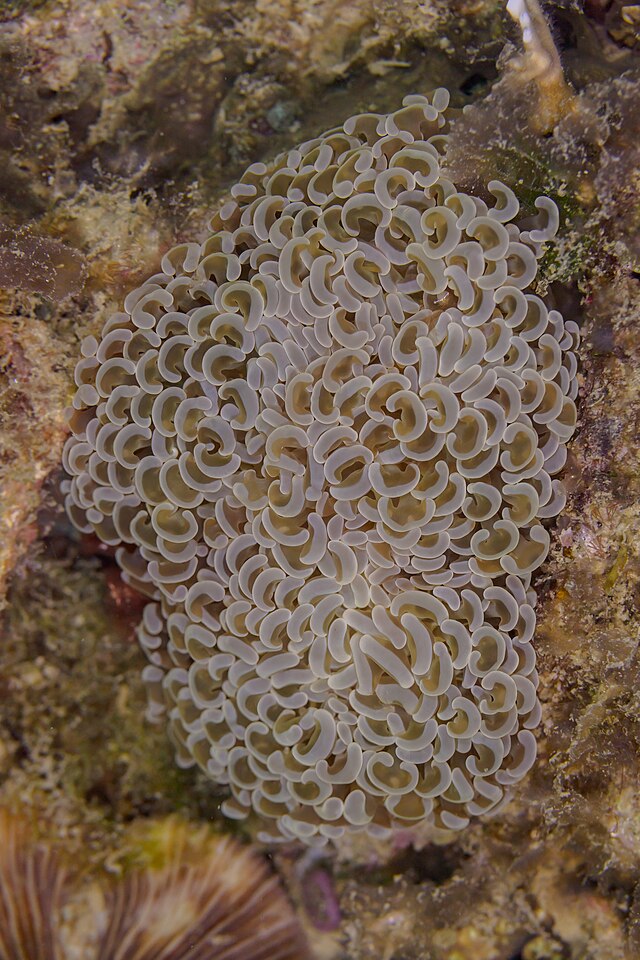
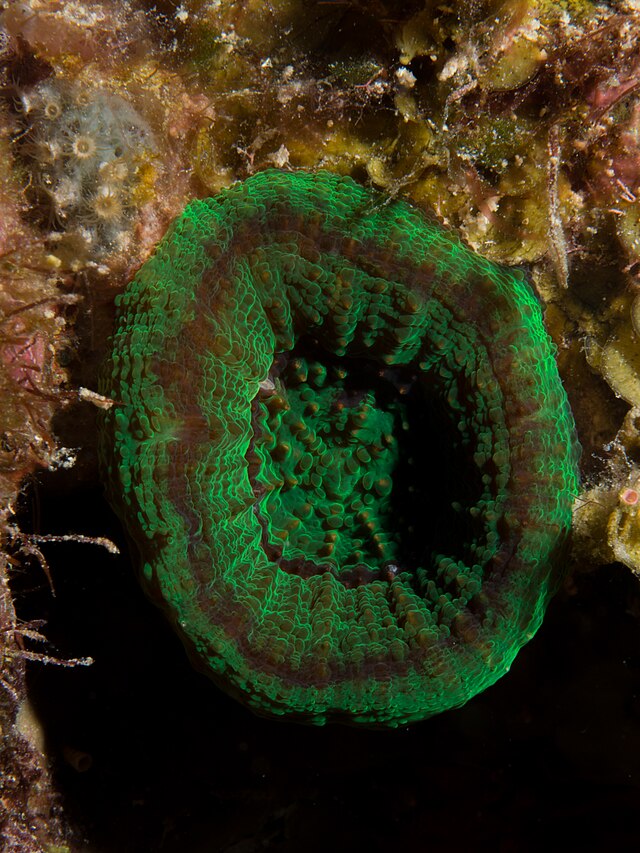
LPS (Large Polyp Stony Coral) corals have a lower care difficulty than SPS corals and serve as an excellent bridge from freshwater aquariums to reef tanks. This guide explains the characteristics and care methods for some of the most popular LPS coral species.
What are LPS Corals?
LPS (Large Polyp Stony Coral) are calcareous corals with large polyps and a skeletal structure. Like SPS corals, they have calcium carbonate skeletons, but their polyps are larger and tend to contain more zooxanthellae.
Comparison with SPS Corals
| Item | LPS | SPS |
|---|---|---|
| Water quality requirements | Moderate to high | Very high |
| Lighting intensity | Moderate to high | High to very high |
| Water flow | Moderate (gentle) | Strong |
| Skeleton growth rate | Slow | Fast |
| Price | Generally less expensive than SPS | Often expensive |
| Beginner-friendly | ★★★ (moderate) | ★ (difficult) |
5 Popular LPS Coral Species
1. Favites (Hawaiian Coral)
Difficulty: ★★ (relatively easy) Light requirements: Moderate to high Water flow: Gentle to moderate
Characteristics:
- Dome or mound-shaped form
- Polyps open at night to feed
- Relatively hardy and beginner-friendly
- Rich color variations (green, brown, purple, etc.)
Care tips:
- Place on a flat area at the bottom or on rocks
- Feed with frozen brine shrimp or similar after lights off for better growth
- Position away from other corals' tentacles (has sweeper tentacles)
2. Scleractinia
Difficulty: ★★ (relatively easy) Light requirements: Moderate Water flow: Gentle (avoid direct current)
Characteristics:
- Beautiful striped patterns (green, red, pink, etc.)
- Large individual polyps that are easy to observe
- Hardy and suitable for long-term keeping
- Also known as Brain Coral
Care tips:
- Strong water flow weakens them (gentle flow is necessary)
- Feeding 1-2 times per week improves growth and coloration
- Can be maintained under lower light intensity (moderate light is sufficient)
3. Trumpet Coral (Claritia)
Difficulty: ★★★ (moderate) Light requirements: Moderate to high Water flow: Gentle to moderate
Characteristics:
- Multiple small trumpet-shaped polyps arranged in a row
- Bright coloration (green, brown, purple, etc.)
- Grows as a colony
Care tips:
- Responds well to feeding with copepods or frozen brine shrimp
- Overcrowding impairs growth
4. Hammer Coral (Euphyllia species)
Difficulty: ★★★ (moderate) Light requirements: Moderate Water flow: Gentle to moderate
Characteristics:
- Unique hammer or torch-like polyp shape
- Soft, waving polyps that move beautifully with water flow
- Has aggression toward other corals (sweeper tentacles)
Care tips:
- Sweeper tentacles extend far, so maintain sufficient spacing from other corals (15-20cm or more)
- Excessive water flow causes polyps to retract
- Euphyllia species coexist well with each other (placement within the same group causes few issues)
5. Challenger Coral (Platygyra Challenger Coral)
Difficulty: ★★ (relatively easy) Light requirements: Moderate to high Water flow: Gentle to moderate
Characteristics:
- Brain-like grooved mound coral
- Hardy and easy to manage
- Also known as Brain Coral
Basic LPS Coral Care
Water Quality Parameters
| Parameter | LPS recommended value |
|---|---|
| Specific gravity | 1.025–1.026 |
| Water temperature | 25–27℃ |
| KH (Carbonate hardness) | 8–11 dKH |
| Calcium | 380–450 ppm |
| Magnesium | 1280–1400 ppm |
| Nitrate | 5–20 ppm (can tolerate higher levels than SPS) |
| Phosphate | 0.03–0.1 ppm (can tolerate higher levels than SPS) |
LPS corals have slightly lower water quality requirements than SPS, and in particular, nitrate and phosphate levels don't need to be as strict as for SPS corals.
The Importance of Feeding
LPS corals have active feeding abilities and growth and coloration improve with feeding.
Recommended foods:
- Frozen brine shrimp (standard choice)
- Frozen copepods
- Frozen mysis shrimp (effective for larger LPS)
- Frozen rotifers
- Liquid foods such as reef roids
Feeding method:
- Pause the pump (or reduce to low speed)
- Use a syringe or dropper to feed directly near the coral's polyps
- Restart the pump after 10–15 minutes
- Remove any uneaten food as it degrades water quality
Feeding frequency: 1–3 times per week
Spacing Between Corals
Some LPS species have sweeper tentacles (long, venomous tentacles) that attack other corals.
| Aggression level | Example species |
|---|---|
| High | Hammer Coral, Frogspawn Coral |
| Moderate | Scleractinia |
| Low | Favites, Trumpet Coral |
LPS Coral Health Monitoring
Polyp Extension
Healthy LPS corals have their polyps open during lit hours.
- Good: Polyps fully extended during daytime
- Caution: Polyps retracted for extended periods
- Emergency: Tissue beginning to slough off (STN/RTN)
Color Changes
- Browning: Sign of insufficient light or excess nutrients
- Bleaching: Sign of strong light, poor water quality, or temperature stress
- Color improvement: Sign of proper care
Summary
LPS corals are easier to care for than SPS corals and beautify your tank with diverse forms and colors. Starting a reef tank with LPS allows you to gain experience with coral behavior, water quality management, and feeding techniques.
Scleractinia, Favites, and Trumpet Coral are particularly hardy and beginner-friendly. By maintaining stable water quality (especially KH and calcium) and consistent feeding, you can enjoy a beautiful LPS reef tank long-term.