PAR Measurement Guide | How to Accurately Measure Light Intensity in a Coral Tank
Explanation of how to measure PAR values in a coral tank and target values. Introduction to types of PAR meters and how to use them.
Key Takeaways
Explanation of how to measure PAR values in a coral tank and target values. Introduction to types of PAR meters and how to use them.
Related Species
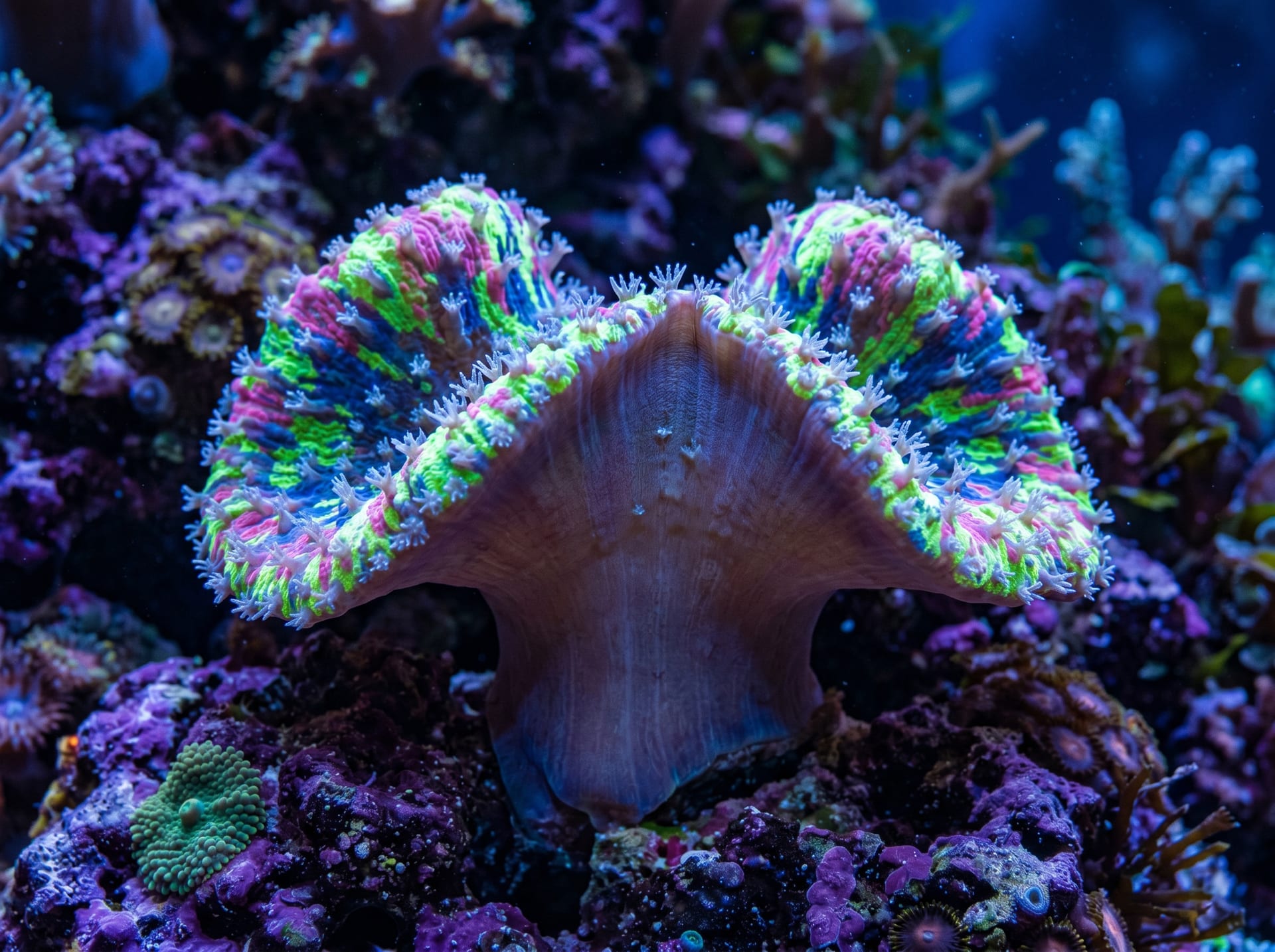
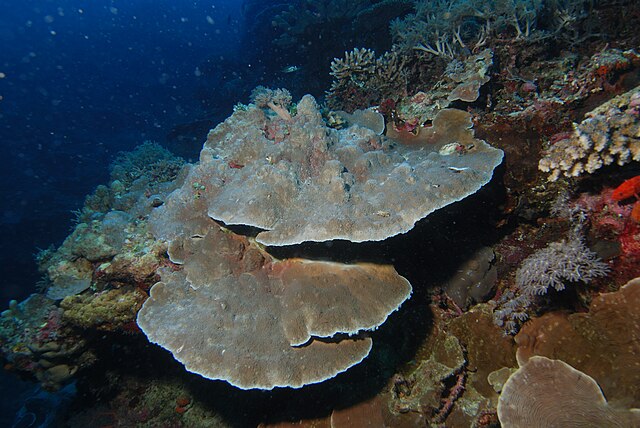
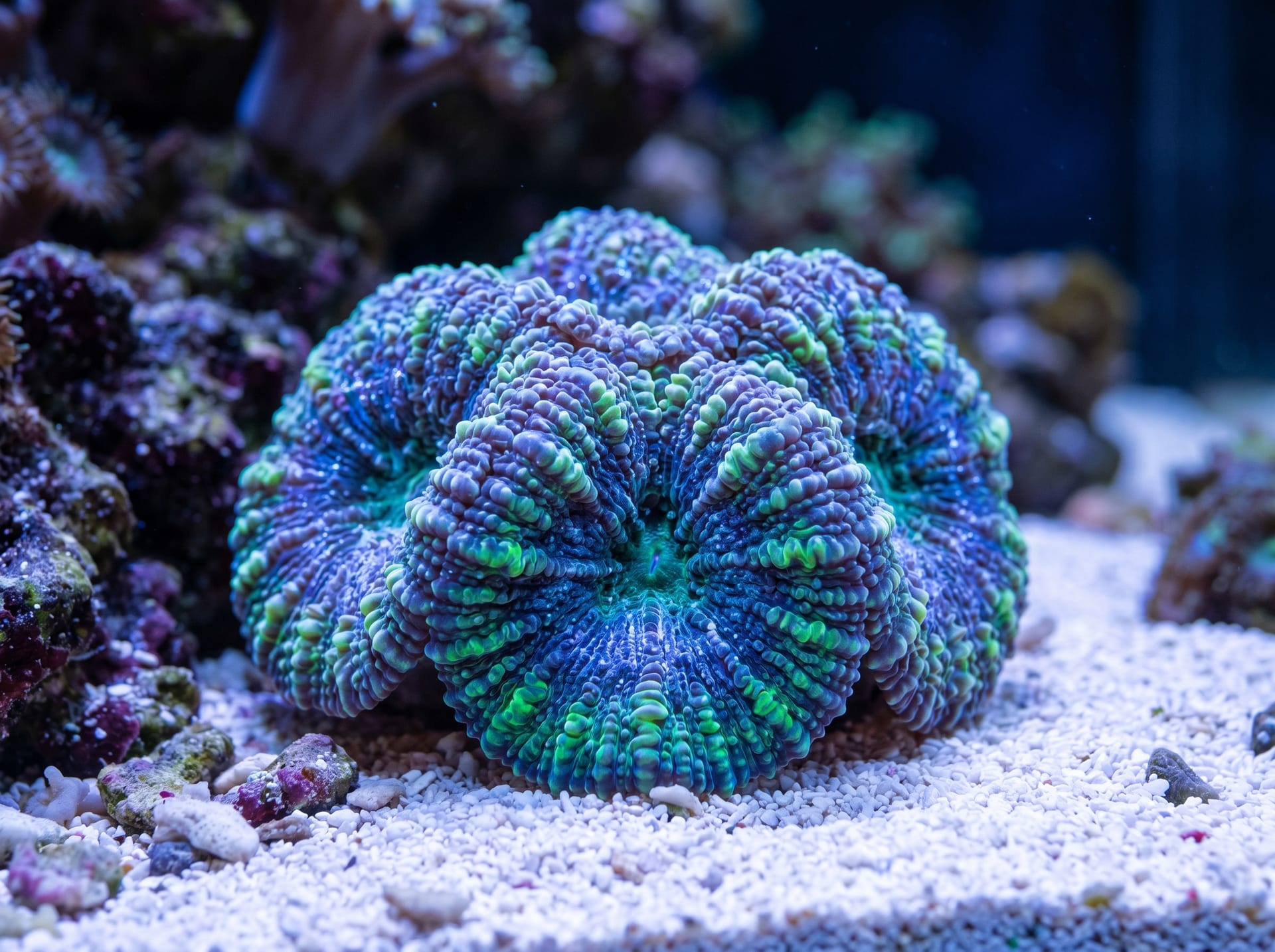
In coral keeping, lighting management is just as critical as water quality management. However, managing lighting based solely on intuition—"as long as we have a light shining, it should be fine"—can result in prized corals like Acropora and Montipora bleaching out or weakening from excess light. This is where quantitative measurement of PAR (Photosynthetically Active Radiation) becomes essential.
This article provides a detailed guide covering everything from PAR fundamentals to measurement methods and optimizing your tank layout based on measurement results—explained in a way that beginners can put into practice immediately.
What is PAR? | Understanding the Difference from Lux
PAR (Photosynthetically Active Radiation) is an indicator of light intensity in the wavelength range (400–700 nm) that zooxanthellae algae in corals and plants can utilize for photosynthesis. The unit is μmol/m²/s (micromoles per square meter per second), indicating how many micromoles of photons strike one square meter per second.
Often confused with "lux," which is based on how the human eye perceives brightness and particularly emphasizes light in the green spectrum. However, the wavelengths that coral zooxanthellae use for photosynthesis differ from human visual sensitivity. For this reason, a high lux value does not necessarily mean high PAR, and confirming brightness by eye alone is insufficient.
Another related metric frequently mentioned is PUR (Photosynthetically Usable Radiation). PUR isolates only those wavelengths within the PAR spectrum that zooxanthellae absorb most efficiently—particularly blue light (420–450 nm) and red light (630–680 nm). However, devices that directly measure PUR are not yet widely available for consumer use, so managing based on PAR is the most practical approach for now.
How to Choose a PAR Meter | Types and Features of Equipment
Measuring PAR requires a dedicated PAR meter. Several products are available on the market, each with distinct characteristics.
Underwater PAR Meters (Highest Accuracy)
The Apogee MQ-510 is a high-precision PAR meter optimized for underwater use and is the most widely used device for coral tank measurements. At around 40,000 yen, it is expensive, but its reliability has made it the choice of professional aquarists and researchers alike. It is calibrated to accurately measure blue light from LEDs—a critical point for coral tanks.
The Seneye Reef is a continuous monitoring type that can be permanently installed in the tank, measuring not only PAR but also NH3 (ammonia), pH, and water temperature. It excels at recording changes over time and is useful for checking LED degradation.
Smartphone Apps (For Reference Only)
PAR estimation apps exist for iPhone and Android, but smartphone camera sensors are designed to capture the entire visible light spectrum and are not calibrated for underwater use. These should only be used to get a general sense of trends; we recommend against using them for accurate management.
Practical PAR Measurement Steps | How to Create a Grid Map
Perform actual measurements following the steps below. Prepare a spreadsheet or notebook in advance for recording data to make later analysis smoother.
1. Pre-Measurement Preparation Set the lighting to its normal operating configuration (output and timer). After installing a new light or changing settings, wait approximately 30 minutes for the light intensity to stabilize before measuring.
2. Setting Grid Measurement Points Divide the tank interior into a grid with 10–15 cm spacing and establish measurement points. Also measure at three different depths—top, middle, and bottom—to gain a three-dimensional understanding of light distribution.
3. Sensor Orientation and Position Point the PAR meter's sensor horizontally (upward) toward the water surface. If the sensor is tilted, readings will be inaccurate. Using a level or slowly rotating to find the maximum value are both effective approaches.
4. Recording and Creating Maps Record values from each measurement point in a spreadsheet and organize them into a heat map using color coding for visual understanding of PAR distribution. Using Google Sheets' conditional formatting, you can automatically color-code high PAR areas (red) and low PAR areas (blue), which is extremely helpful for planning coral placement.
Target PAR Values by Coral Type | Choosing Light Intensity to Match Species
Different coral types require vastly different light levels. Use the following guidelines as reference when deciding placement.
| Coral Type | Recommended PAR Range | Representative Species |
|---|---|---|
| SPS (Acropora species) | 200–350 | Acropora, Stylophora |
| SPS (Plate species) | 150–250 | Montipora |
| LPS | 80–200 | Fungia, Lobophyllia |
| Soft Corals | 50–150 | Cespitularia, Xenia |
| Disk Corals | 30–80 | Corallimorpharia species |
Keep in mind that these are only guidelines; even within a species, individual variation exists. Importantly, corals purchased from breeders have a specific PAR value they're acclimated to (acclimation PAR). Abrupt changes in light intensity can cause bleaching and stress. When purchasing, it is crucial to ask the breeder about "the PAR value the coral was grown under."
LED Adjustment and Tank Layout Using Measurement Results
Once your PAR map is complete, use it to make actual adjustments.
Dealing with Excessively Bright Areas If PAR values directly below the water surface or light fixture are too high, reduce output using the light's dimmer function or raise the fixture height. You can also position high-light-tolerance SPS corals in these areas.
Dealing with Insufficiently Bright Areas Tank edges and lower regions often have insufficient PAR. Add supplemental lighting or adjust the light angle (spot illumination) to improve conditions. Positioning soft corals or disk corals—which thrive in lower light—in these areas is also a practical approach.
Recommendation for Regular Re-Measurement LED light output decreases with use hours (brightness maintenance). Typical LED fixtures lose 10–20% output after 1–2 years of use. Develop a habit of re-measuring PAR every 3–6 months and reviewing your settings.
BreederDirect's Safe and Secure System
With BreederDirect, you can purchase corals directly from breeders, which means you can confirm detailed information about their growing environment. Experienced breeders will patiently answer questions like "What PAR value was the coral grown under?" and "Which light were you using?"
When transitioning corals to your own tank, we strongly recommend confirming the breeder's growing PAR value in advance to minimize the risk of bleaching from sudden light changes. By combining a PAR meter with a breeder's knowledge, you can create a coral tank where specimens remain vibrant and healthy for years to come.
Use both scientific numerical management and practical field expertise to build your ideal reef tank. Making regular re-measurement a habit is the best way to keep your corals healthy in the long term.