Turbinaria (Pagoda Cup Coral) Care Guide | Management of Beautiful Ridged LPS Corals
Turbinaria (Turbinaria sp.) is an LPS coral with a unique ridged and cup-shaped form. While relatively hardy and suitable for beginner to intermediate hobbyists, balance in water flow, lighting, and additives is key. This comprehensive guide explains species-specific characteristics, tank placement, feeding, and common mistakes.
Key Takeaways
Turbinaria (Turbinaria sp.) is an LPS coral with a unique ridged and cup-shaped form. While relatively hardy and suitable for beginner to intermediate hobbyists, balance in water flow, lighting, and additives is key. This comprehensive guide explains species-specific characteristics, tank placement, feeding, and common mistakes.
Related Species
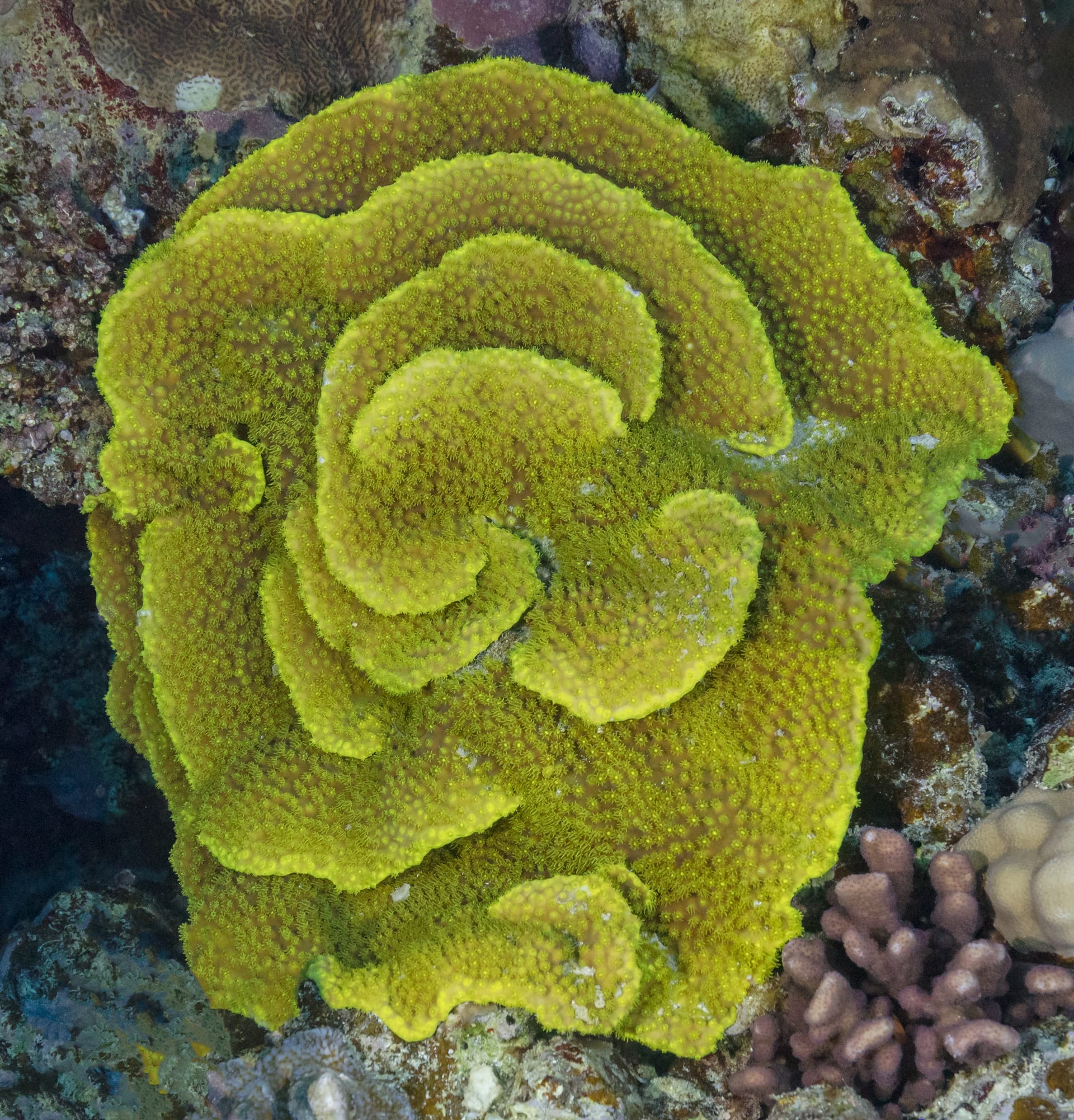
What Kind of Coral is Turbinaria?
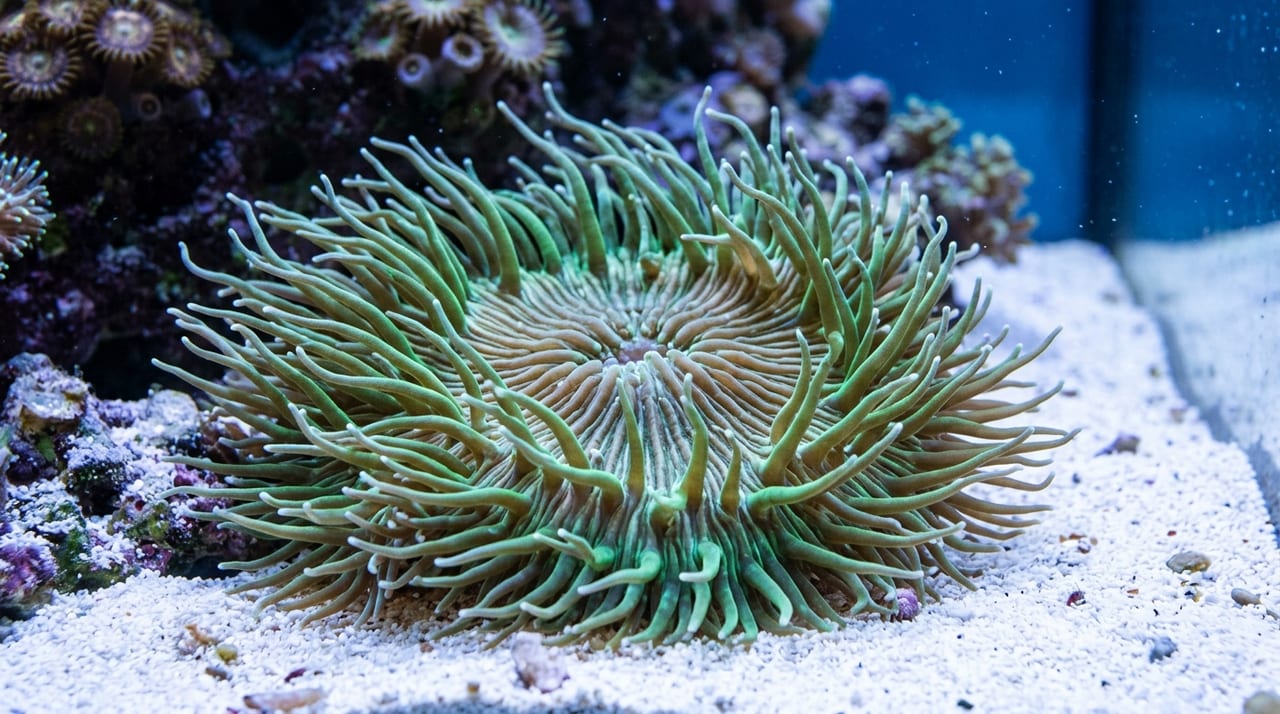
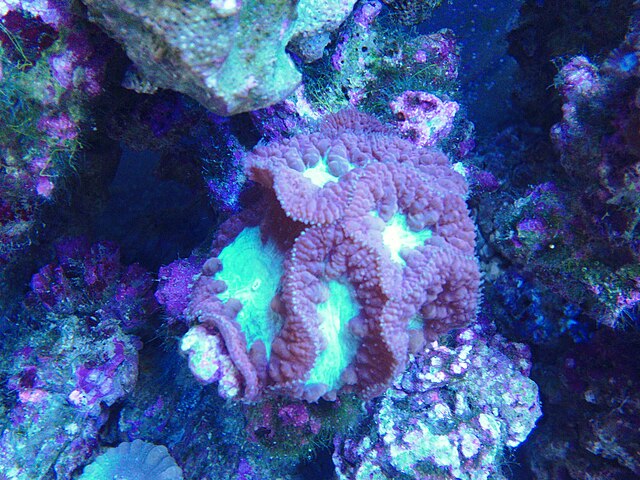
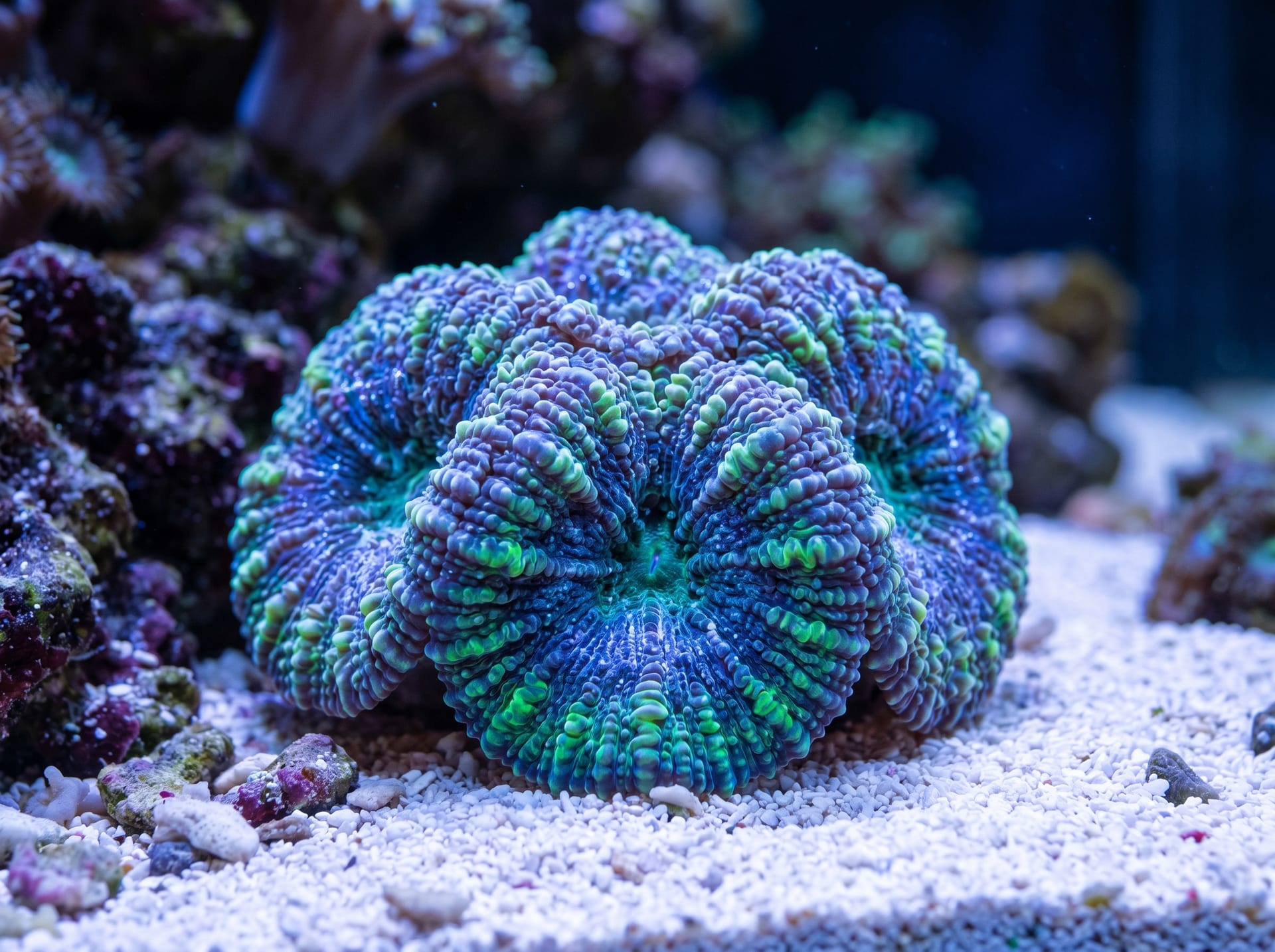
Turbinaria (Turbinaria sp.) is a genus of LPS (Large Polyp Stony) corals belonging to the order Scleractinia and family Dendrophylliidae. In English, it is also called Pagoda Coral or Cup Coral, named for its distinctive colony shape resembling a vessel or stone-paved surface.
Found across the Indian Ocean and Pacific Ocean, it can also be seen in natural reefs near Japan. In aquariums, it displays rich color variations including fluorescent green, brown, and purple, making it popular as an accent in reef tanks.
Major Species and Characteristics
| Species | English Name | Form | Colors |
|---|---|---|---|
| T. peltata | Pagoda Cup Coral | Disc/cup-shaped | Green, brown |
| T. mesenterina | Scroll Coral | Ridged, spiral form | Green, cream |
| T. reniformis | Yellow Cup Coral | Kidney-shaped to cup | Yellow, green |
| T. bifrons | Turbinaria | Frilled, bi-lobed form | Brown to purple |
Care Difficulty and Classification
Turbinaria occupies a moderate difficulty level among LPS corals. It is less sensitive than Acropora (SPS) and can be maintained at about the same level as torch corals and hammer corals.
Recommended Experience Level: Intermediate (6+ months of LPS experience recommended)
Advantages
- Relatively tolerant of water quality fluctuations
- Slow growth makes it easy to manage in the tank
- Wide variety of species and colors
Disadvantages
- Weak water flow allows detritus to accumulate within the skeleton and cause decay
- Prefers moderate light over intense light; requires careful placement in mixed SPS/LPS tanks
- Extends sweeper tentacles that can be toxic to neighboring corals
Recommended Water Parameters
| Parameter | Target Range |
|---|---|
| Temperature | 24–27°C |
| Specific Gravity (Salinity) | 1.023–1.025 |
| pH | 8.1–8.3 |
| Alkalinity (KH) | 8–11 dKH |
| Calcium (Ca) | 400–450 mg/L |
| Magnesium (Mg) | 1,250–1,350 mg/L |
| Nitrate (NO₃⁻) | 5–20 ppm (moderate nutrient levels are preferable to ultra-low) |
| Phosphate (PO₄³⁻) | 0.05–0.1 ppm |
Turbinaria is an LPS that depends on Zooxanthellae (symbiotic algae), but it tends to prefer nutrient-rich conditions rather than ultra-low nutrient environments. Pursuing zero nitrate can result in fading and shrinkage.
Lighting Selection and Placement
Required Light Intensity
Turbinaria prefers low to moderate light levels among LPS corals.
| Lighting Type | Placement Guide |
|---|---|
| AI Hydra 26, Radion G6, etc. | Mid-tank to bottom areas |
| PAR Target | 50–150 μmol/m²/s |
| Photoperiod | 8–10 hours/day |
Excessive light can cause the coral to expel its symbiotic algae, leading to tissue whitening (bleaching). Gradual acclimation to light is important.
To enhance fluorescent green coloration: Increasing the blue spectrum ratio (450–470 nm) activates fluorescent proteins. However, excessive tropical blue LED light can compromise photosynthesis, so white spectrum (5,000–10,000K) should also be included moderately.
Water Flow Management
Given Turbinaria's ridged and cup-shaped form, water flow management is particularly critical.
Ideal Water Flow
- Direction: Random, multi-directional flow rather than one fixed direction
- Strength: Moderate (the colony should sway gently)
- Avoid: Strong unidirectional flow from one side (detritus accumulates within skeletal grooves)
Addressing Detritus Accumulation
The main challenge with Turbinaria is detritus (accumulated organic matter) easily lodging in grooves and crevices.
Solutions:
- Install multiple random flow pumps (circulation pumps) pointing in different directions
- Weekly, use a turkey baster or water flow to flush out skeletal crevices
- Angle the placement so organic matter naturally falls away
Placement and Compatibility with Other Corals
Tank Placement
- Substrate placement: T. peltata (disc-form) should be stably positioned on the substrate
- Rock-mounted: T. mesenterina (ridged form) should be secured to the slope of live rock
- Maintain at least 10 cm spacing from other corals (to prevent sweeper tentacle contact)
Compatible Corals and Tank Mates
- Pineapple Coral (Blastomussa sp.): LPS with short sweeper tentacles; relatively peaceful
- Disc Corals, Zoanthids: Generally coexist well with soft corals
- Small fish that eat copepods: Compatible
Combinations to Avoid
- Close placement with Andrea Corals or Hammer Corals (sweeper tentacle range overlap)
- Large herbivorous fish like tangs or angelfish (may nibble the skeleton)
Feeding
Turbinaria is primarily photosynthetic, but supplemental feeding promotes growth and enhances coloration.
Recommended Feeding
- 1–2 times per week, within 1 hour after lights off (when polyps are expanded)
- Food types: frozen copepods, rotifers, fine-grain coral food (BRS Reef Chili, etc.)
- Target feeding: Direct application with a turkey baster to polyps for higher uptake efficiency
Troubleshooting
Polyps Not Expanding
Causes and Solutions
- Stress from recent relocation → Observe for 1–2 weeks without handling
- Sudden water quality changes → Stabilize KH, Ca, and temperature
- Water flow too strong → Reduce flow rate and randomize direction
- Light intensity too high → Move to a deeper position or shaded area
Skeleton Whitening or Dissolution
- Detritus accumulated within skeleton, creating anaerobic conditions → Flush the skeleton and improve water flow
- RTN (Rapid Tissue Necrosis): If rapid tissue death occurs, immediately isolate, cut affected areas, and preserve as a frag
Color Fading to Brown (Discoloration)
- Insufficient light is the main cause → Move placement to a higher tank section
- Conversely, intense light can also cause fading (bleaching) → Perform acclimation and gradually increase light
Summary: Enjoying a Unique Form of LPS
Turbinaria, with its distinctive ridged and cup-shaped form, brings individuality and three-dimensional character to the aquarium. While less delicate than Acropora, careful management of water flow and additives is key to long-term success.
With proper placement, feeding, and detritus management, it will grow slowly but steadily, eventually becoming an impressive large colony after several years. For beginner to intermediate coral keepers looking for their "next challenge," Turbinaria is highly recommended.