Source: Wikimedia Commons
Turbinaria
BeginnerTurbinaria spp.
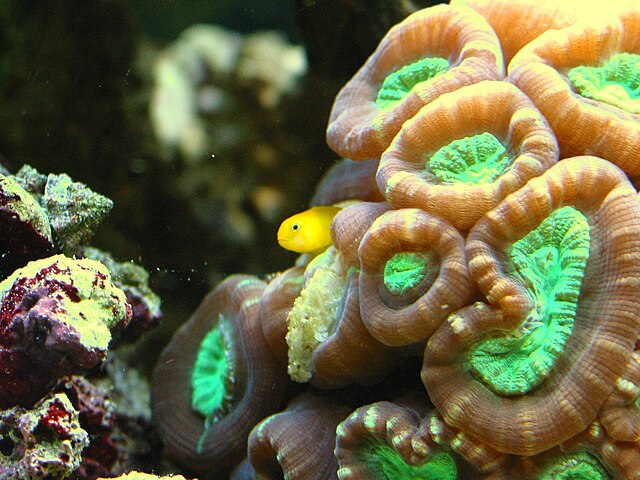
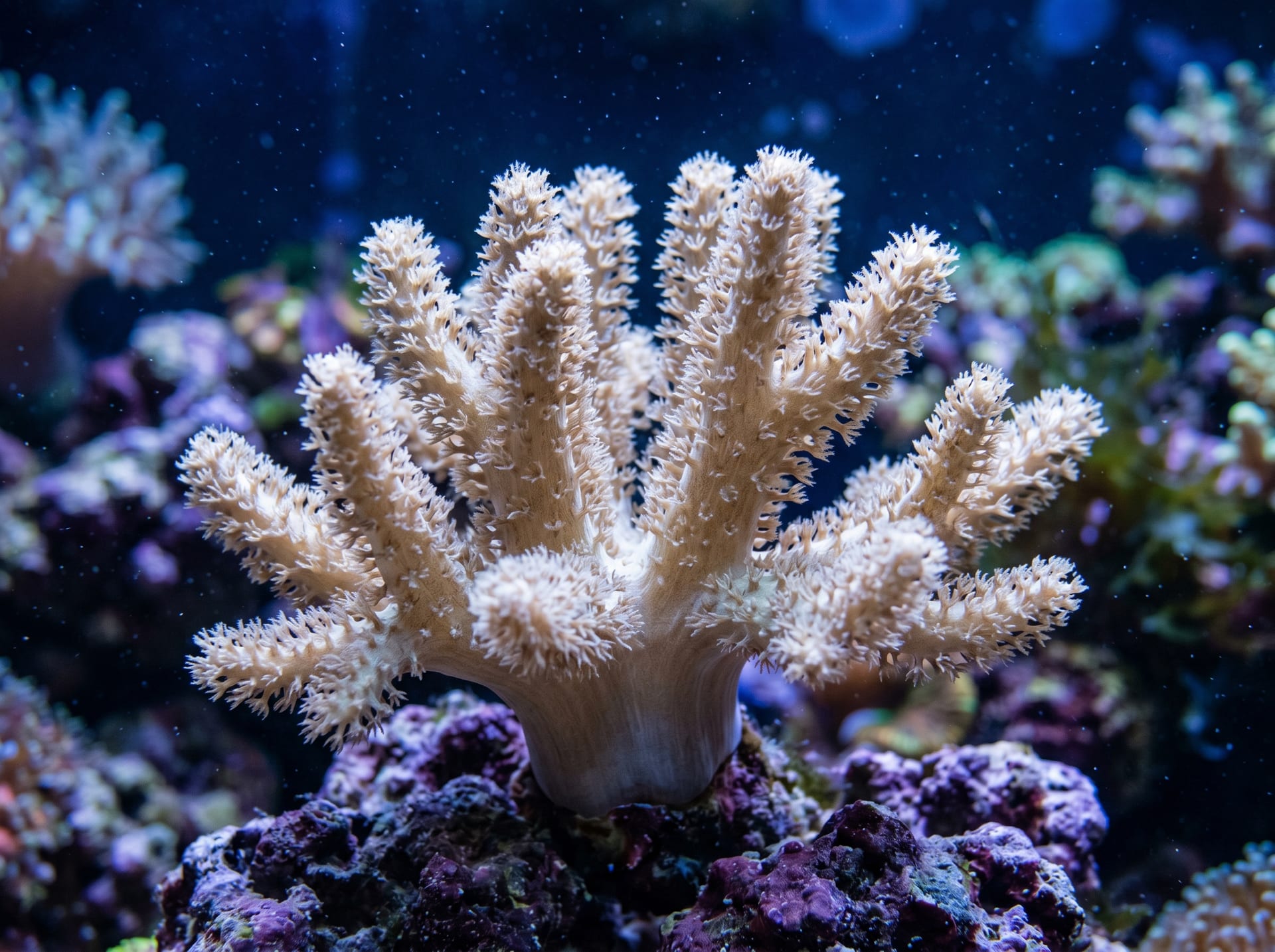
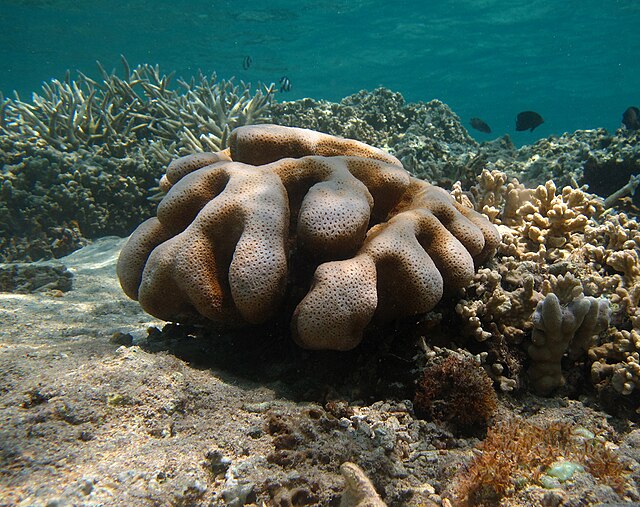
An LPS coral growing in cup or scroll shape. Extremely hardy, one of most suitable species for LPS beginners.
Difficulty
Beginner
Temperature
24〜27℃
Lifespan
10+ years
Size
10-30cm
Diet
Photosynthesis
About
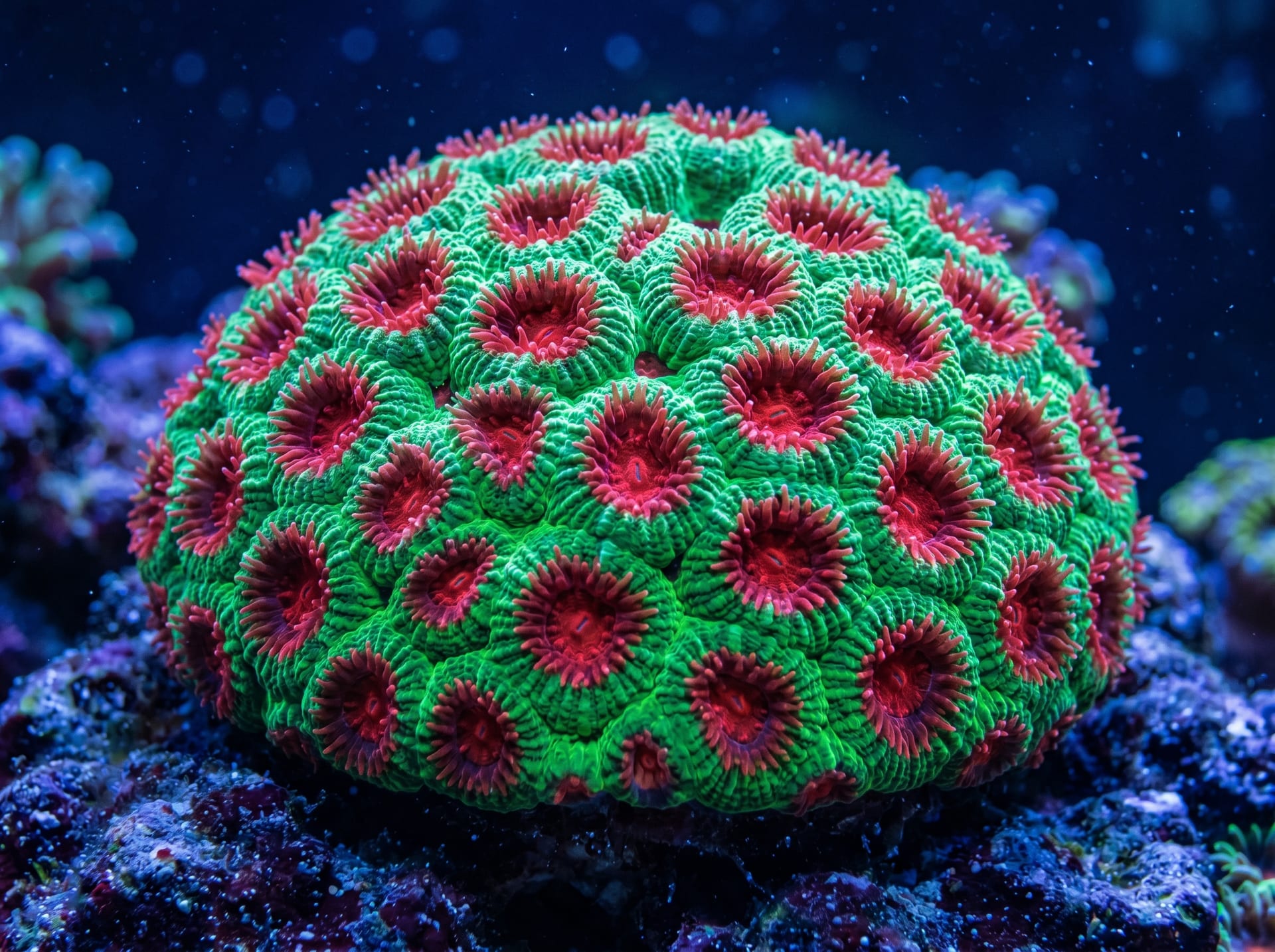
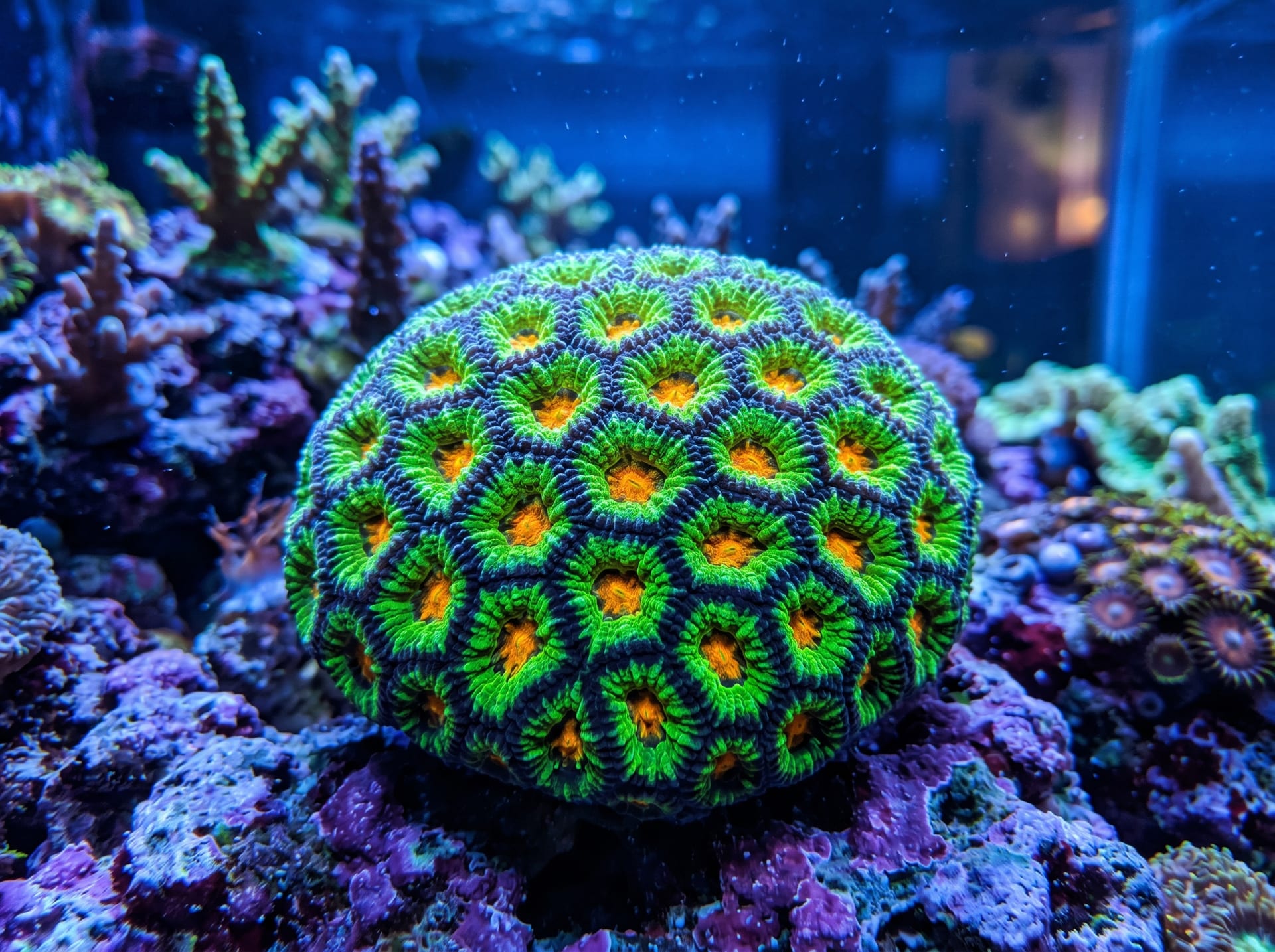
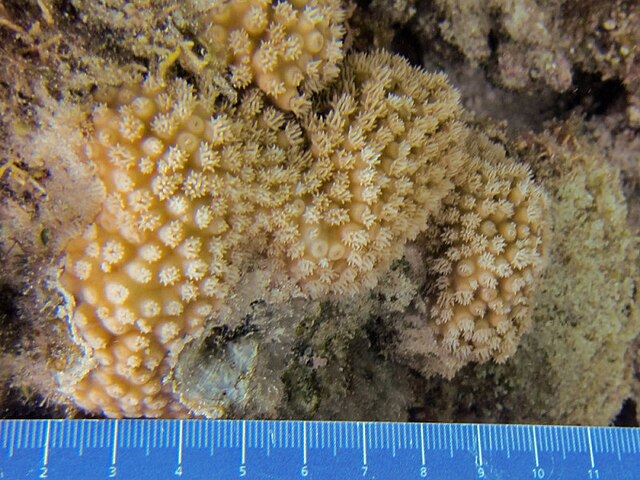
Turbinaria (family Dendrophylliidae) is a genus of large-polyp stony corals from Indo-Pacific reef slopes and deeper reef zones, assuming growth forms ranging from cups and scrolls to irregular plates depending on light and current exposure. Turbinaria is widely considered one of the hardiest LPS corals in the hobby, tolerating broader swings in water parameters than most stony corals and adapting to low-light conditions that would stress other species. Colors of yellow, green, brown, and gray are common; some specimens produce modest fluorescence under actinic lighting. Low to moderate illumination (50–200 PAR) and gentle to moderate flow are ideal, reflecting its natural preference for deeper, lower-energy reef habitats. Optional feeding 1–2 times weekly accelerates growth. The sculptural cup-and-scroll forms add compelling three-dimensional structure to reef aquascapes, making Turbinaria an excellent first step into LPS or even SPS-style reef keeping.
Lifespan of the Turbinaria
The Turbinaria lives 10+ years.
Size of the Turbinaria
The Turbinaria grows to 10-30cm.
Temperature & humidity for the Turbinaria
The ideal water temperature for the Turbinaria is 24〜27℃.
Parameters (24–27°C, KH 8–11) are relatively forgiving.
Basic Info
Origin
reef slopes and deeper reef zones of the Indo-Pacific
Lifespan
10+ years
Care Specifications
- Carbonate (KH)
- 8–12 dKH
- Water Temp.
- 24–27℃
- Specific Gravity
- 1.023–1.025
- Salinity
- 33–35 ppt
- Calcium (Ca)
- 400–450 ppm
- Magnesium (Mg)
- 1280–1350 ppm
LPSLight: Medium (PAR 50-150)Flow: MediumPlacement: Middle
Sources: AlgaeBarn: SPS/LPS care (PAR/flow) / AlgaeBarn: Water Parameters 101
References & Sources
Edited & verified by: BreederDirect editorial team
The taxonomic, regulatory, and husbandry data on this page are compiled and verified against the authoritative primary sources below.
Taxonomy & Authority
Accepted name: Turbinaria spp. Oken, 1815
Synonyms: Explanaria, Gemmipora, Turbinacis
Authority databases: WoRMS
Nomenclature follows global taxonomic authority databases.
Regulations & Conservation Status
CITES Appendix II
Scleractinia (Turbinaria, Dendrophylliidae). CITES Appendix II.
Sources: DOC NZ / CITES-listed corals (Scleractinia spp. = App. II)
Regulations may change. Always verify the latest information with the relevant authorities.
Turbinaria Listings
Loading latest listingsFind listings for this species