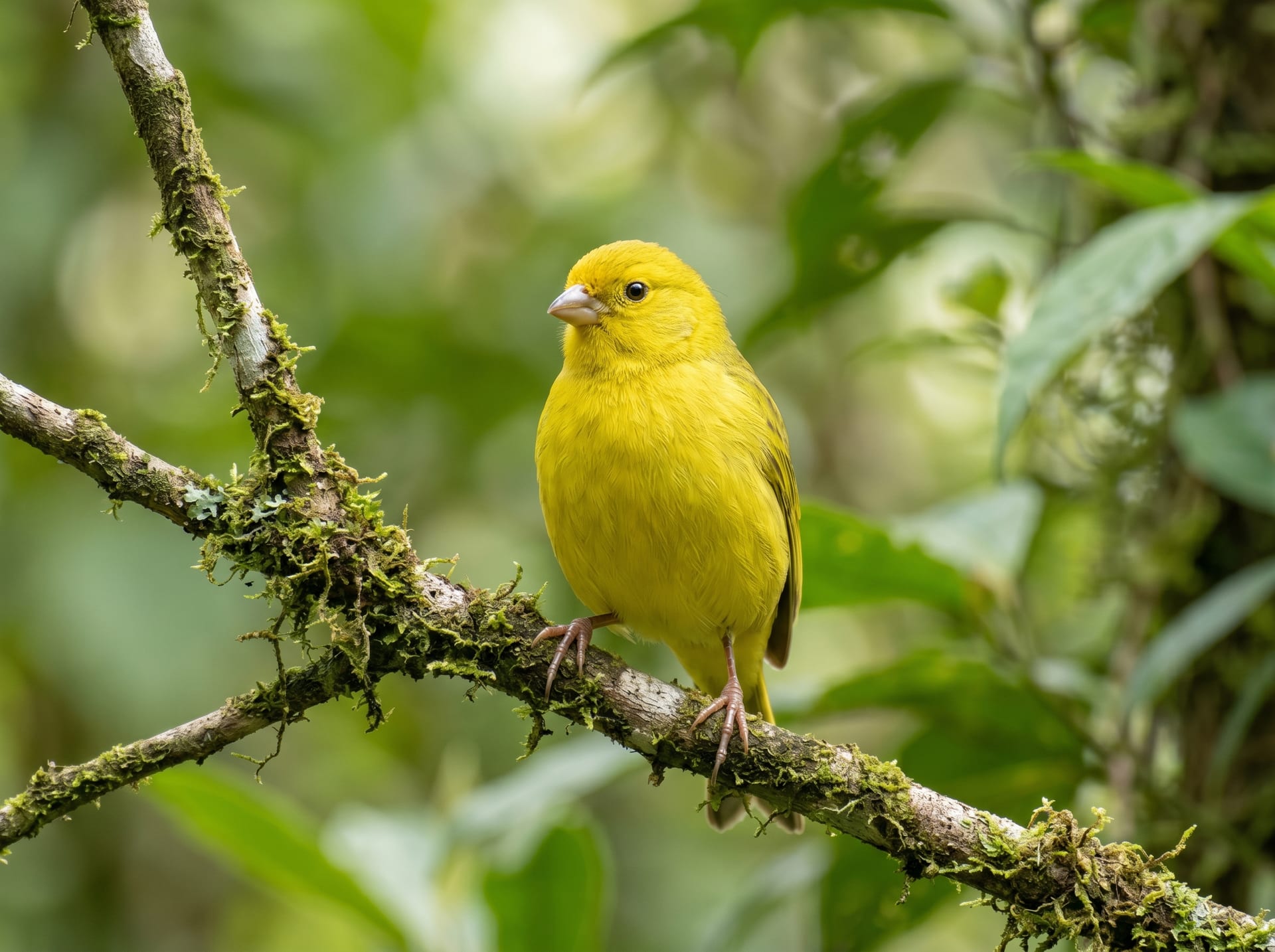
Canary
Known for beautiful singing. Yellow is classic but red and white varieties exist. Not for hand-taming but healing through song.
View Canary encyclopedia →- Price Range
- ¥210,000〜¥210,000
0% commission on your first sales!Register by September 30, 2026 and your first 2 sales are commission-free!
Breeder Wanted!
List on BreederDirect and sell directly to customers nationwide!
Six Transparency Commitments from BreederDirect
All Birds listings include complete Breeder transparency: hand-raised status, DNA sex determination, and health certification details.
- Hand-Raised
- DNA Sex-Determined
- Health Certified
- Origin Disclosed
- Color Variation Specified
- Age in Months Disclosed
Browse all 35 breeds
Care Level
No listings match your filters
Adjust your filters, or get notified when new listings arrive.
Getting alerts is free with a member account. When new listings match your saved search, we'll notify you by email and in-app.
Browse other categories
Verified breeders (preview)
Canary key facts
- Care level
- Beginner-friendly
- Lifespan
- 8-12 years
- Size
- 12-14cm
- Temperature
- 15〜25℃
- Diet
- Canary seed mix, greens
- Cage
- Wide cage for flight enjoyment
- Singing
- Males sing beautifully. Females rarely sing
- Temperature
- 15-25°C
- Taming
- Generally not hand-tamed. For viewing enjoyment
- Notes
- Singing may stop due to stress or illness
About Canary
The canary originates from the Canary Islands off the northwest coast of Africa and was brought to Europe by Spanish explorers in the late 15th century. Prized by European nobility for their song and vivid plumage, canaries were selectively bred over centuries into three main groups: song canaries valued for vocal quality, type canaries bred for distinctive body shape, and color canaries developed for plumage variety. They are compact birds, measuring roughly 12–15 cm, and while yellow is the most recognized color, they also come in red, white, orange, and soft brown tones. Canaries tend to be independent and alert by nature, making observation and listening the primary way to enjoy them rather than hands-on interaction. Their relatively modest care requirements and small footprint make them a practical and rewarding companion for apartment living or solo households.
7 things to know before welcoming a Canary
1Only Males Sing
If you want to enjoy beautiful singing, you need to choose a male. Females rarely vocalize and their calls are simple. Always confirm the sex before purchasing.
2Choose a Quiet Location
Canaries are sensitive to stress and may stop singing near noisy appliances like televisions. Place the cage in a stable, quiet spot away from direct sunlight and heating or cooling drafts.
3Molting Silences the Song
Once a year, typically from summer to autumn, canaries go through a molt and males largely stop singing during this period. Since molting is physically demanding, provide nutritious food and minimize stress.
4Not Ideal for Handling
Canaries generally dislike being handled and are not well-suited for taming. Think of them as pets to enjoy visually and aurally rather than through physical contact. Forcing interaction can cause stress and health problems.
5Height Over Width for Cages
Canaries tend to move vertically, so a taller cage is preferable to a wider one. Install two to three perches at different heights to encourage movement. Clean the cage about once a week to maintain hygiene.
6Light Controls Breeding Cycles
Canaries have an internal clock tied to daylight hours, and light exposure influences breeding and molting cycles. Aim for a natural light environment and cover the cage with a cloth at night to help regulate their daily rhythm.
7Initial and Ongoing Costs
Canary prices vary widely by breed and color, ranging from a few thousand to tens of thousands of yen. Budget for initial setup costs such as a cage and perches, plus ongoing monthly feed costs and approximately one veterinary checkup per year.
Frequently asked questions about Canary
- Q.What is the average lifespan of a canary?
- A.With proper care, most canaries live around 7–10 years on average. Some individuals have been known to live over 15 years. Consistent health management and a stable environment are key factors in longevity.
- Q.Is it okay to keep just one canary?
- A.Canaries have a strong territorial instinct and actually do well when kept alone. Housing multiple birds together can lead to fighting, particularly between males. A single canary will still sing and stay active without a companion.
- Q.Is the singing volume a problem in an apartment?
- A.Canary song carries reasonably well for a small bird, though it is not as loud as parrots or large parakeets. However, males may begin singing at dawn, so covering the cage with a cloth at night can help manage early-morning noise in shared housing.
- Q.How do you tell males and females apart?
- A.The most reliable way is by song — males produce complex, melodious calls while females are largely silent. During breeding season, males develop a slight swelling around the cloaca that can indicate sex, but sexing young birds visually is difficult. Ask the breeder or shop to confirm at the time of purchase.
- Q.How much should I budget for veterinary care?
- A.Avian veterinarians can be limited depending on your area, so it is important to locate a bird-specialist or small-animal clinic near you before bringing a canary home. Routine check-up fees are typically in the range of a few thousand yen. Having a financial buffer for unexpected illness or injury is advisable.
Useful tools for Canary care
Learn more about Canary in the encyclopedia
View Canary encyclopedia entry →
Care difficulty, lifespan, size and diet — all basics covered.
Canary related articles
Canary and Finch Care Guide | How to Enjoy Beautiful Birdsong
Explanation of canary and finch care for beginners. We introduce details from cage selection and temperature management to how to provide food, tips for bringing out beautiful birdsong, and the basics of breeding.
Canary Song Training Guide | How to Draw Out Beautiful Singing
Explains how to cultivate beautiful canary songs. Introduces the learning period for songs, how to choose a teacher bird, and environmental conditions.
More in this category
Can't find the one you're looking for?
Post your wishes for free and breeders with matching animals will contact you with introductions.