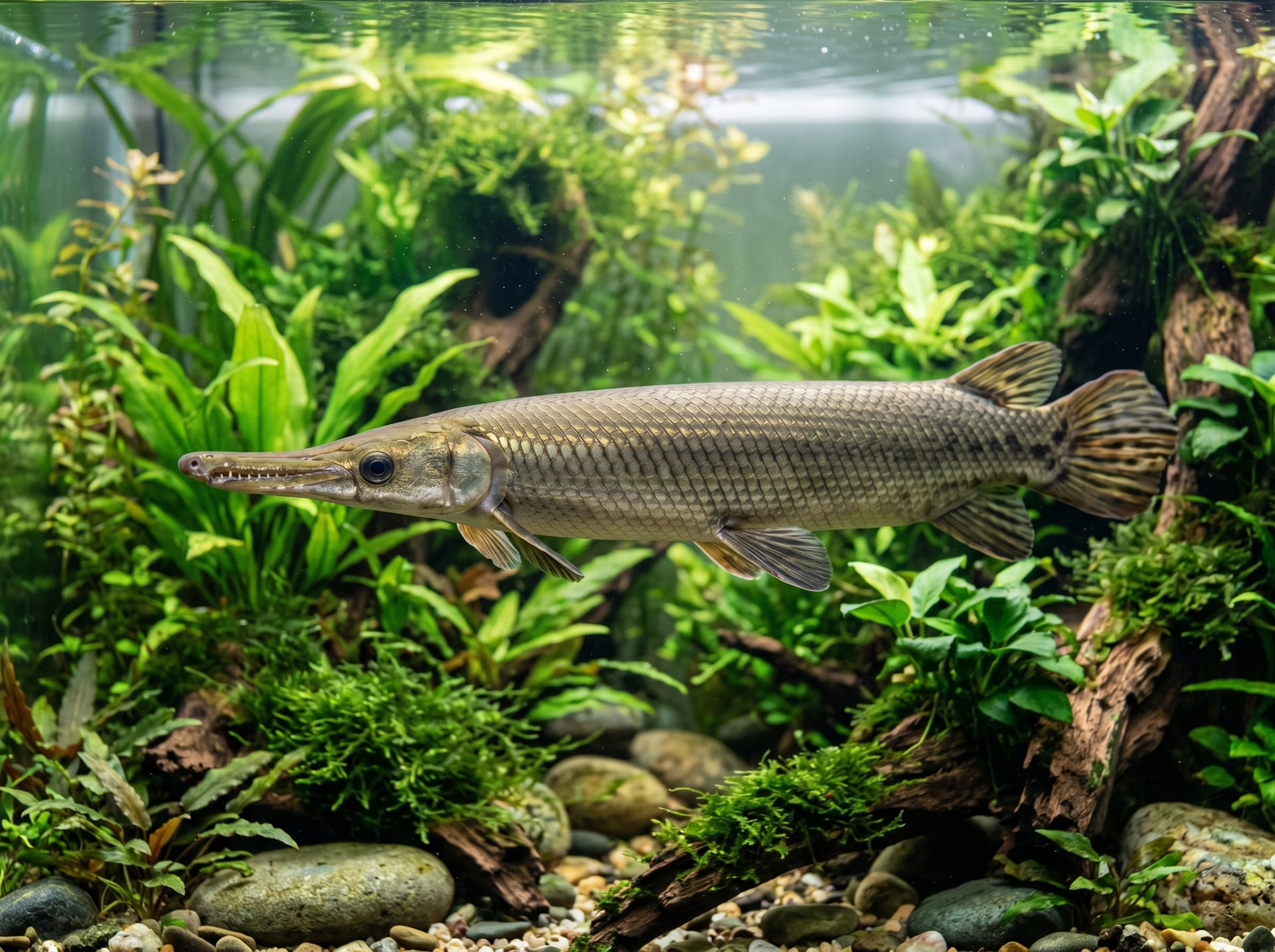
Ancient Fish (Gar / Butterflyfish)
Gar pike and butterfly fish are known as "living fossils" that have remained virtually unchanged for hundreds of millions of years. Their distinctive body shapes and mysterious presence create a dramatic impact in any aquarium. While some species are manageable for beginners, their potential large size and carnivorous nature are important traits to understand before keeping them.
View Ancient Fish (Gar / Butterflyfish) encyclopedia →0% commission on your first sales!Register by September 30, 2026 and your first 2 sales are commission-free!
Breeder Wanted!
List on BreederDirect and sell directly to customers nationwide!
Our 6 Transparency Commitments
All Tropical Fish listings include water quality, temperament, and tank size information from verified Breeder.
- Origin Disclosed
- Real Photos
- Water Quality Disclosed
- Recommended Tank Size
- Temperament Disclosed
- Breed Line Disclosed
Browse all 27 breeds
Water Type
Care Level
No listings match your filters
Adjust your filters, or get notified when new listings arrive.
Getting alerts is free with a member account. When new listings match your saved search, we'll notify you by email and in-app.
Browse other categories
Verified breeders (preview)
Are you raising tropical fish?
Register as a breeder and connect with buyers directly.
Apply as a breederAbout Ancient Fish (Gar / Butterflyfish)
Gar pike are native to North America and are recognized as living fossils whose appearance has changed little over 100 million years. Their elongated bodies, distinctive beak-like jaws, and tough, scale-like skin are hallmarks of the group, which includes species such as the spotted gar and alligator gar. Butterfly fish, on the other hand, originate from the Congo River basin in Africa and are known for their striking silhouette as they glide near the water surface with pectoral fins spread like wings. Both are carnivorous and are best kept alone or with large tankmates. Gar pike vary greatly in size by species, with alligator gar potentially exceeding one meter. The appeal of keeping these fish lies in the singular experience of living alongside creatures that connect you to the ancient history of life on Earth.
7 things to know before welcoming a Ancient Fish (Gar / Butterflyfish)
1Tank Size for Large Growth
Gar pike can exceed 1 meter depending on the species, requiring a large tank suited to their adult size. Even spotted gar need a 60–90 cm or larger tank as a baseline, so choosing a bigger setup from the start saves future hassle. Butterfly fish stay around 15 cm and are comparatively compact.
2Carnivorous Nature and Tank Mates
Both gar pike and butterfly fish are strongly carnivorous and will prey on fish small enough to fit in their mouths. Cohabitation with similar-sized fish may work, but avoid keeping them with small fish or fry. Butterfly fish particularly favor insects and small fish near the water surface.
3Feeding Challenges
Wild-caught or recently imported specimens may only accept live food, and transitioning them to prepared diets can take time and patience. Gar pike are typically weaned off feeder fish onto frozen or pellet foods gradually. Butterfly fish may also need time to accept floating dried foods.
4Water Quality and Temperature
Gar pike are relatively adaptable to water conditions, thriving in slightly acidic to neutral water (pH 6.5–7.5) at 22–28°C. Butterfly fish are native to Africa and prefer warmer temperatures (26–30°C). Both are sensitive to low oxygen levels, making proper aeration and filtration essential.
5Estimated Keeping Costs
Keeping large gar pike can involve significant upfront costs for large tanks, powerful filters, and heaters, potentially reaching tens of thousands of yen. Ongoing food costs can also add up if live or frozen foods are used regularly. Butterfly fish require smaller setups, making their overall cost relatively more manageable.
6Escape and Jumping Risk
Butterfly fish swim near the surface and have a habit of jumping out of the water when startled. A secure, gap-free lid is essential for their tank. Gar pike can also leap when swimming vigorously, so jump prevention measures are necessary for their tanks as well.
7Long-Term Commitment and Lifespan
Gar pike are long-lived fish that can survive 10–20 years or more in proper conditions. Releasing them into the wild is strictly prohibited regardless of circumstances, so a lifelong commitment to their care is essential. Butterfly fish also live approximately 5–10 years, making a long-term care plan important before acquiring one.
Frequently asked questions about Ancient Fish (Gar / Butterflyfish)
- Q.Can beginners keep gar pike?
- A.Smaller species like the spotted gar can be kept by beginners provided they have an appropriately sized tank and equipment. However, it is important to fully understand their carnivorous nature, growth potential, and long lifespan before getting started.
- Q.Can butterfly fish be kept with other fish?
- A.Small fish that can fit in their mouths will be eaten, making them poor tank mates. Calm fish of similar size that do not compete for the surface layer may coexist with them. Ample space and close observation are necessary if attempting a community setup.
- Q.What should I feed gar pike?
- A.Feeder fish such as goldfish are commonly used initially, with a gradual transition to frozen fish or prepared pellets. For nutritional balance and hygiene reasons, it is generally recommended to wean them onto prepared or frozen foods as soon as possible.
- Q.Can gar pike and butterfly fish share a tank?
- A.Butterfly fish grow to about 15 cm, making them at high risk of being eaten by a grown gar pike, so cohabitation is not recommended. Their preferred water temperatures and conditions also differ, making separate tanks the standard approach.
- Q.What should I do if I can no longer keep them?
- A.Releasing them into rivers or ponds is prohibited by law due to invasive species concerns and must never be done. Options include consulting fish shops or hobbyist groups that may accept them, or disposal through methods designated by your local authority. Please carefully consider whether you can commit to their care for life before acquiring one.
Useful tools for Ancient Fish (Gar / Butterflyfish) care
Learn more about Ancient Fish (Gar / Butterflyfish) in the encyclopedia
View Ancient Fish (Gar / Butterflyfish) encyclopedia entry →
Care difficulty, lifespan, size and diet — all basics covered.
Ancient Fish (Gar / Butterflyfish) related articles
Care Guide for Rope Fish (Reed Fish) | Escape Prevention, Feeding, and Tank Mates for Eel-like Ancient Fish
Rope Fish (Erpetoichthys calabaricus) is a rare primitive fish species with a rope-like, eel-shaped body. Known for its remarkable escape abilities, this guide covers care tips from tank lid management to feeding, water parameters, and compatible tank mates.
Gar Fish (Alligator Gar, Spotted Gar) Care Guide | Large Aquariums, Feeding, and Legal Regulations for Ancient Fish
How to care for North American ancient fish gar (alligator gar, spotted gar, and others). Explanation of large aquarium requirements, air breathing mechanism (swim bladder) and management, carnivorous feeding plans, difficulties with tankmates, regulations under the Invasive Alien Species Act, and detailed information on legal breeding methods.
Polypterus Care Guide for Beginners | Types of Ancient Fish, Tank Size, Feeding, and Tank Mate Precautions
This guide explains the basic care methods for polypterus, ancient fish native to Africa. We introduce beginner-friendly information covering popular species and their characteristics, appropriate tank sizes, types and frequency of feeding, and precautions for tank mates.
More in this category
Can't find the one you're looking for?
Post your wishes for free and breeders with matching animals will contact you with introductions.