Source: Wikimedia Commons
Standing's Day Gecko
AdvancedPhelsuma standingi
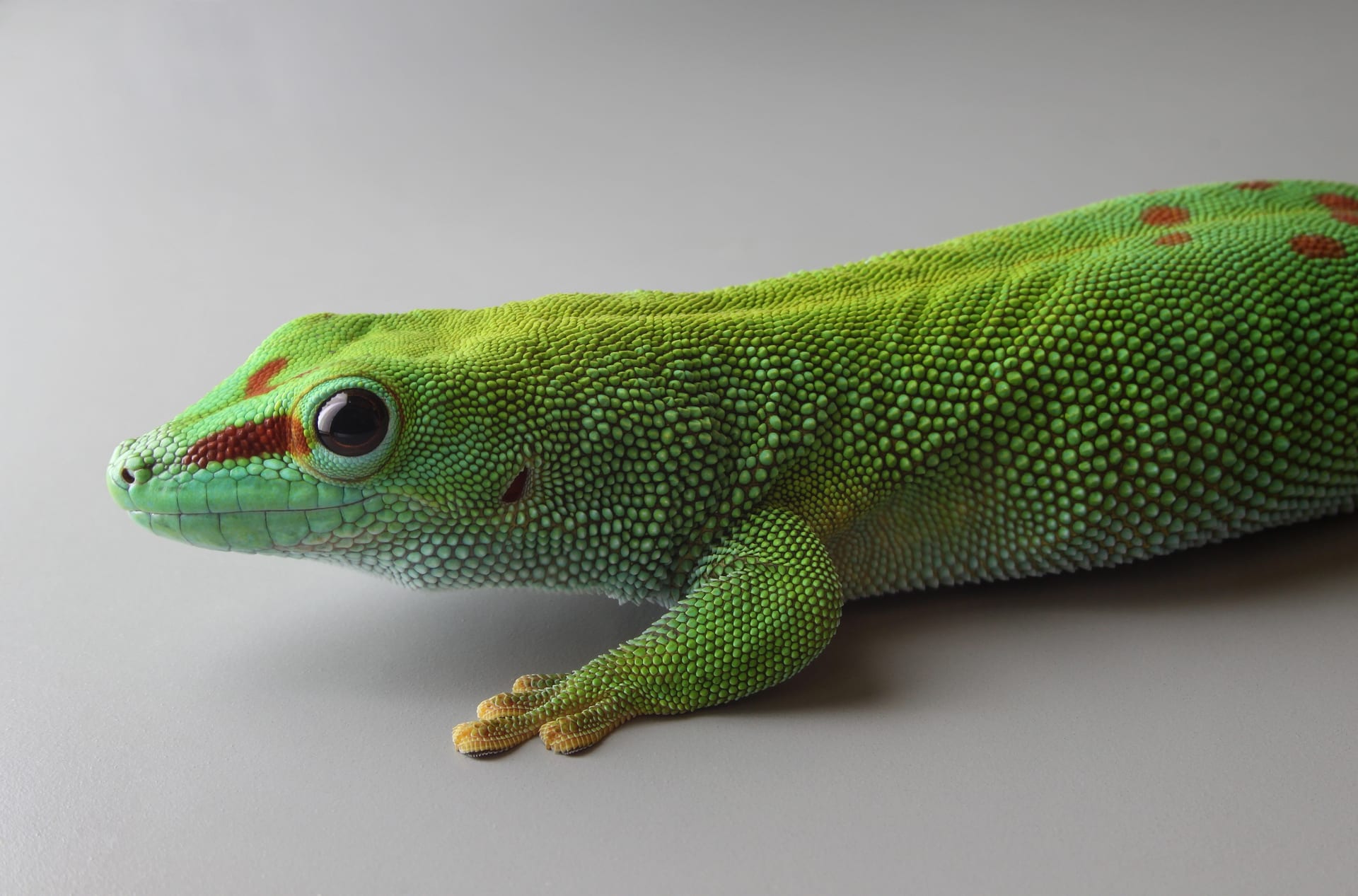
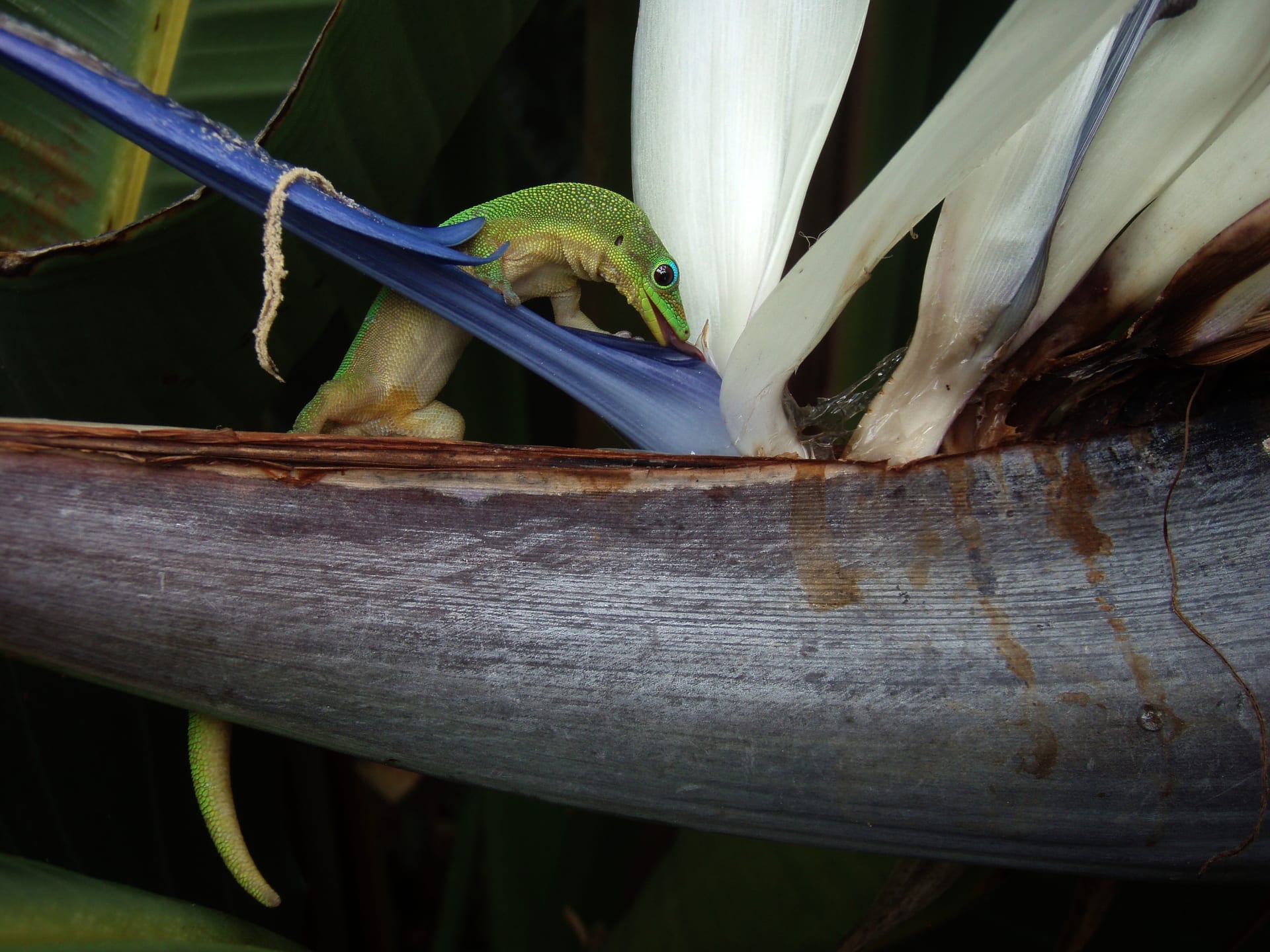
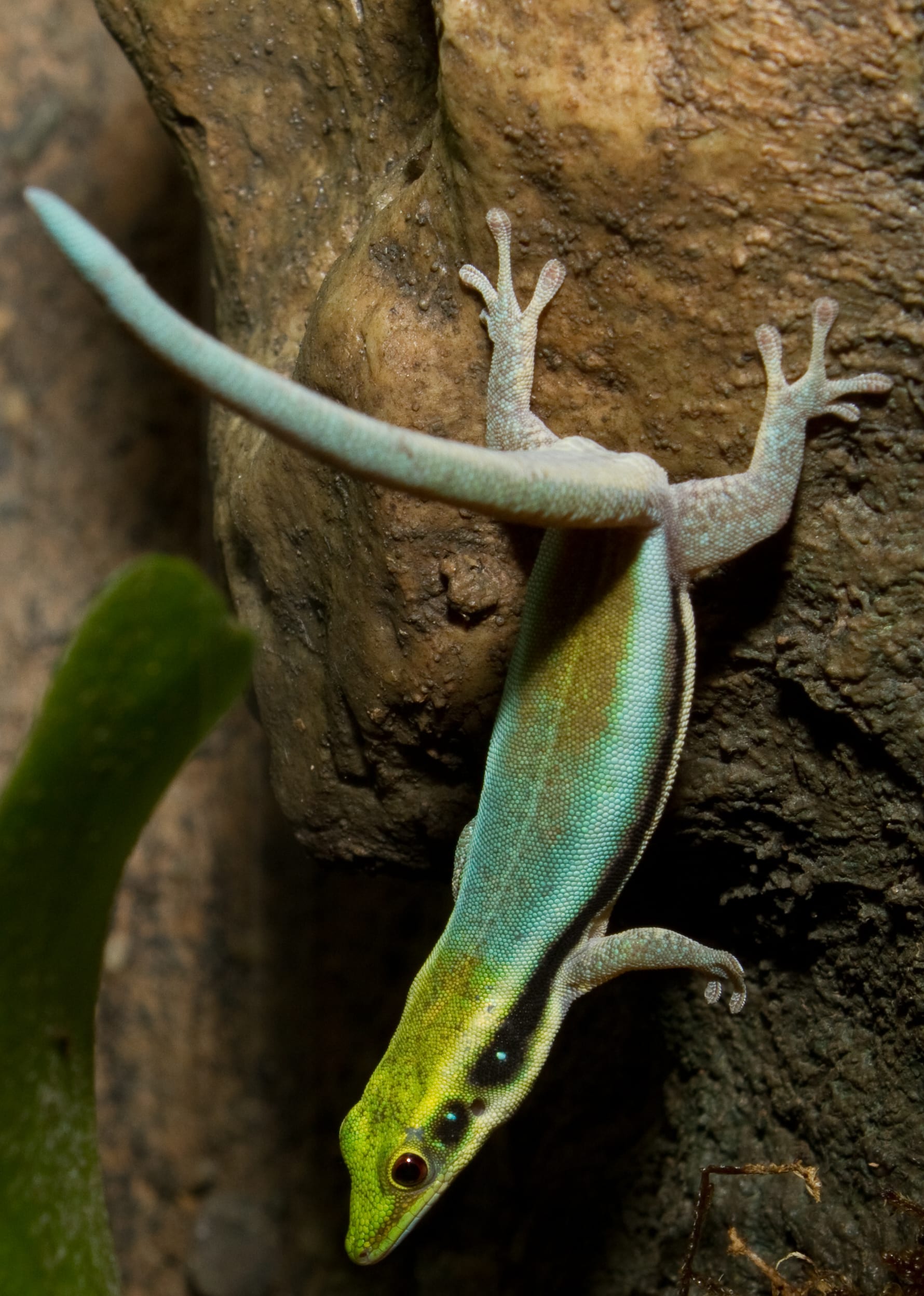
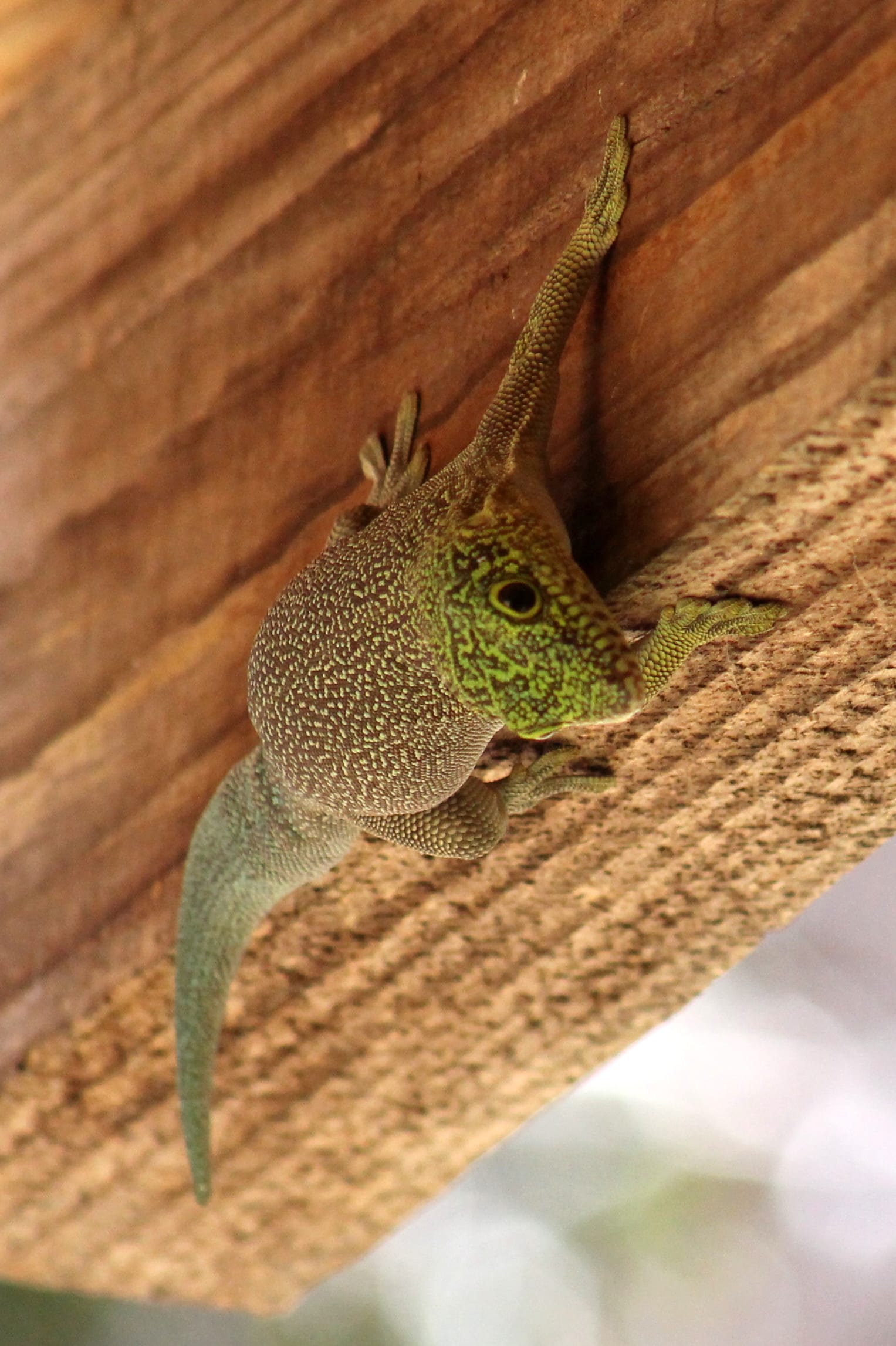
A large day gecko endemic to the dry spiny forest of south-western Madagascar, reaching 20-25 cm. Its colour shifts with light intensity from brownish grey to bright green or turquoise. It is IUCN Vulnerable and threatened by collection for the pet trade.
Difficulty
Advanced
Lifespan
15-20 years
Size
20-25cm total length, sometimes larger
Humidity
40〜75%
Diet
Crickets and dubia roaches, prepared fruit-based gecko diet, nectar
About
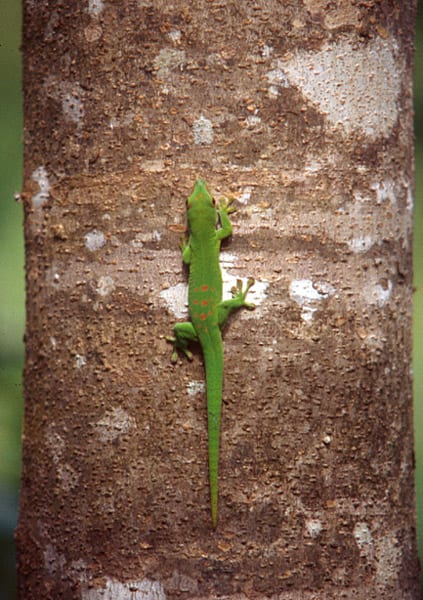
Phelsuma standingi is a diurnal, arboreal gecko of the family Gekkonidae endemic to the dry spiny forest of south-western Madagascar. Reaching 20 to 25 cm in total length, it is among the largest living day geckos. Its colour varies greatly with light intensity, from brownish grey through bright green to turquoise, with grey to blue reticulated markings on the body and head; the head and tail are often turquoise. Hatchlings have a yellowish green head and distinct bands. The sexes are easily told apart: males have pronounced preanal pores and a bulge at the hemipenes, while females develop white endolymphatic sacs on each side of the neck that store the calcium needed for eggshells. In its habitat daytime temperatures never fall below 20 degrees C and can reach 40 degrees C in the shade, while July and August nights can drop to 13 degrees C. It lives in pairs in trees and spends long periods basking on high, well-exposed branches. Illegal collection for the international pet trade and habitat loss have left it assessed as Vulnerable by the IUCN.
Source: Wikipedia (CC BY-SA 4.0)
Lifespan of the Standing's Day Gecko
The Standing's Day Gecko lives 15-20 years.
Size of the Standing's Day Gecko
The Standing's Day Gecko grows to 20-25cm total length, sometimes larger.
Basic Info
Origin
The spiny forest of south-western Madagascar around Andranolaho, Sakaraha and Zombitse-Vohibasia National Park
Lifespan
15-20 years
Size
Care Specifications
Semi-aggressivePairBreeding: Moderate
Sources: ReptiFiles: Standing's Day Gecko Care Sheet / Reptiles Magazine: Three Day Geckos From Madagascar / Wikipedia (English) / Reptile Database
References & Sources
Edited & verified by: BreederDirect editorial team
The taxonomic, regulatory, and husbandry data on this page are compiled and verified against the authoritative primary sources below.
Taxonomy & Authority
Accepted name: Phelsuma standingi Methuen & Hewitt, 1913
Synonyms: Phelsuma standini Methuen & Hewitt, 1913
Authority databases: GBIF · Reptile Database
Nomenclature follows global taxonomic authority databases.
Regulations & Conservation Status
CITES Appendix IIIUCN VU · Vulnerable
Phelsuma spp. has been listed under Appendix II since February 4, 1977 (current listing effective February 1, 2017). Because it is listed under Appendix II, no registration certificate as an internationally rare wild animal or plant species is required; however, an export permit issued by the exporting country is required for importation. It is neither listed as a specified animal under the Ordinance for the Enforcement of the Act on the Welfare and Management of Animals, nor designated as a specified alien species under the Invasive Species Act.
Sources: CITES Appendices (Phelsuma spp., Appendix II) / IUCN Red List
Regulations may change. Always verify the latest information with the relevant authorities.
Standing's Day Gecko Listings
Loading latest listingsFind listings for this species