Source: Wikimedia Commons
Japanese Striped Snake
IntermediateElaphe quadrivirgata
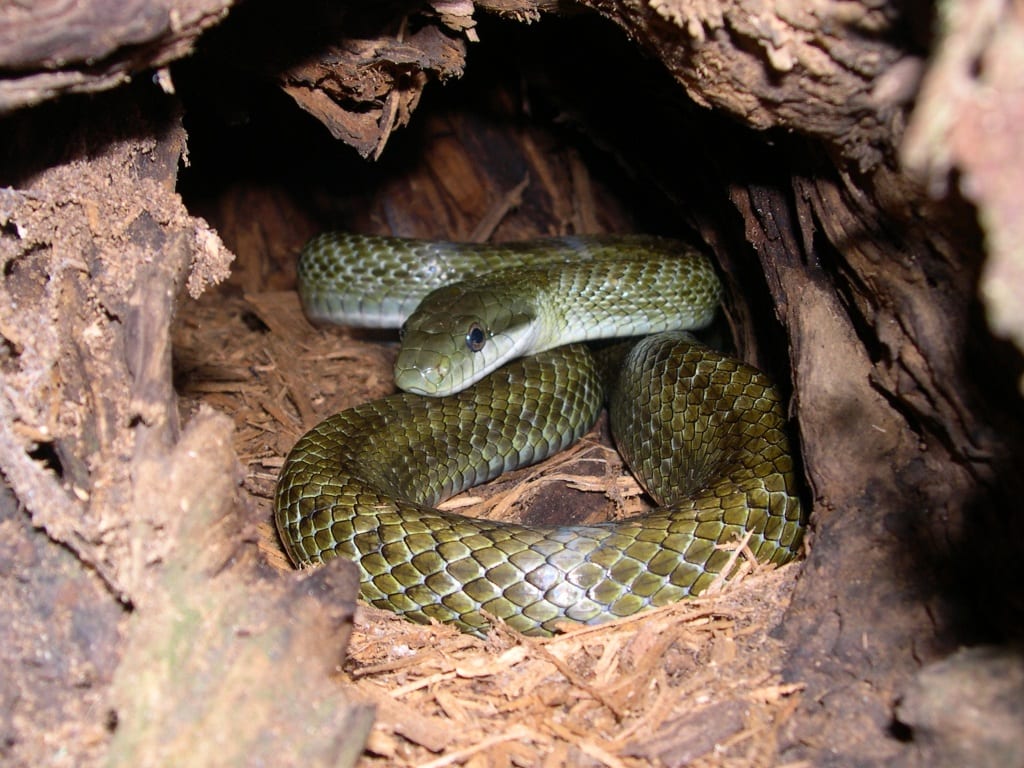
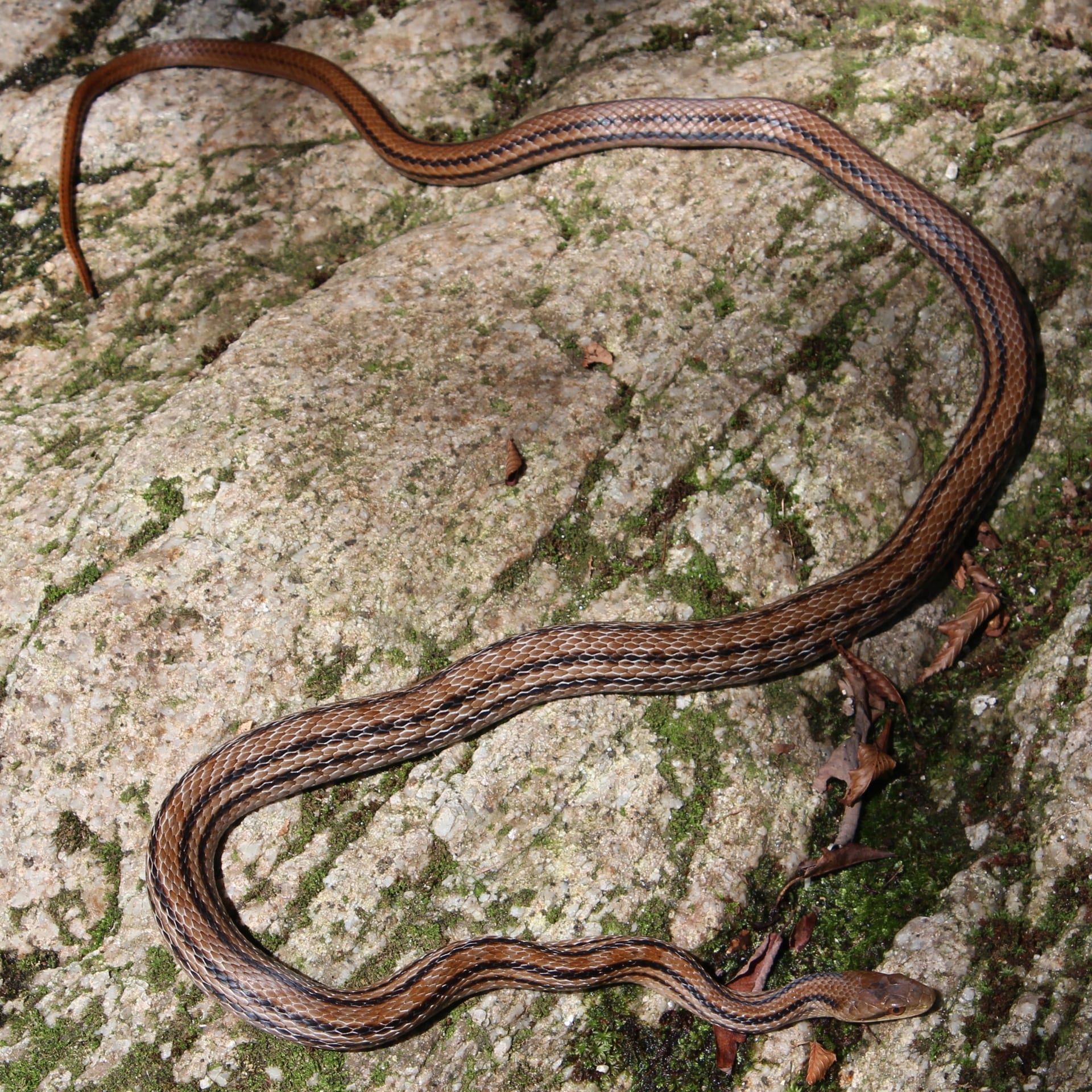
A familiar non-venomous Japanese snake, pale yellow with four black longitudinal stripes. Its red iris and vertically elliptical pupil distinguish it from the Japanese rat snake. Unstriped animals occur, as do entirely black melanistic ones.
Difficulty
Intermediate
Temperature
25〜32℃
Lifespan
15-20 years
Size
80-200cm total length; animals from Hokkaido stay under 80cm while those on Tadanae-jima in the Izu Islands reach 2m
Humidity
40〜70%
Diet
Carnivorous: frogs, lizards, fish, insects, rodents, birds and their eggs, and other snakes
About
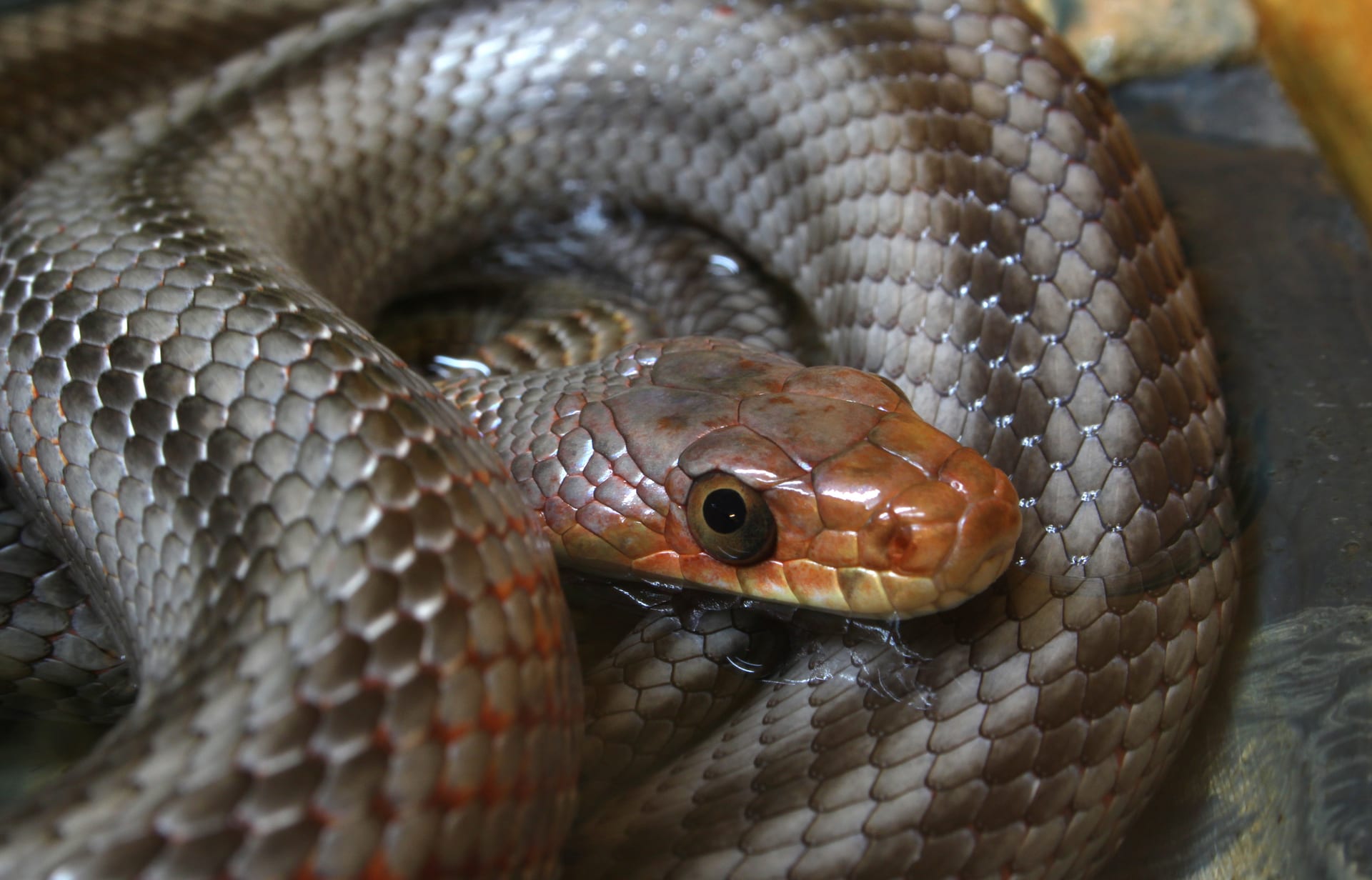
The Japanese striped snake (Elaphe quadrivirgata) is a colubrid found throughout the Japanese archipelago except the Ryukyus. It measures 80-200 cm and is usually pale yellow with four black longitudinal stripes, though unstriped animals occur. The iris is red and the pupil a vertical ellipse. There are 19 rows of dorsal scales at midbody and 193-210 ventrals. Its scales are large relative to its slender body and its skin is not very elastic, so it cannot swallow very large prey. Juveniles are pale yellow with indistinct or absent stripes and reddish-brown crossbars. Melanistic animals, called karasu-hebi in Japan, are black down to the iris. The population on Tadanae-jima in the Izu Islands grows large, reaching 2 m on a diet of nothing but seabird eggs and chicks, while Hokkaido animals stay under 80 cm. Its diet is broad, and it is comparatively strongly ophiophagous for a Japanese snake, cannibalism included. It is chiefly diurnal and threatens by vibrating its tail rapidly against the ground. It mates in April and May and lays 4-15 eggs in July and August, with males performing a combat dance in the breeding season.
Source: Wikipedia (CC BY-SA 4.0)
Lifespan of the Japanese Striped Snake
The Japanese Striped Snake lives 15-20 years.
Size of the Japanese Striped Snake
The Japanese Striped Snake grows to 80-200cm total length; animals from Hokkaido stay under 80cm while those on Tadanae-jima in the Izu Islands reach 2m.
Basic Info
Origin
Throughout the Japanese archipelago except the Ryukyu Islands, from open ground such as riverbeds to forest and farmland, and especially common in rice-growing country
Care Specifications
Semi-aggressiveSolitaryBreeding: Moderate
Sources: Wikipedia (Japanese) / Wikipedia (English): Japanese striped snake / Reptile Database: Elaphe quadrivirgata
References & Sources
Edited & verified by: BreederDirect editorial team
The taxonomic, regulatory, and husbandry data on this page are compiled and verified against the authoritative primary sources below.
Taxonomy & Authority
Accepted name: Elaphe quadrivirgata (Boie, 1826)
Synonyms: Coluber quadrivirgatus Boie, 1826, Coluber vulneratus Boie, 1826, Elaphis bilineatus Hallowell, 1860
Authority databases: GBIF · Reptile Database
Nomenclature follows global taxonomic authority databases.
Regulations & Conservation Status
Not CITES-listedIUCN LC · Least Concern
Not listed in CITES Appendices (no listing record in Species+). IUCN Red List assessment is Least Concern (LC). This species is not designated as a special animal specified in the Cabinet Order for the Law Concerning the Protection and Management of Animals, nor is it designated as a designated alien species in the Cabinet Order for the Alien Species Act. This species is native to Japan, and collection from the wild may be subject to municipal ordinances or protected area regulations.
Sources: CITES Species+ (species not listed) / IUCN Red List
Regulations may change. Always verify the latest information with the relevant authorities.
Japanese Striped Snake Listings
Loading latest listingsFind listings for this species