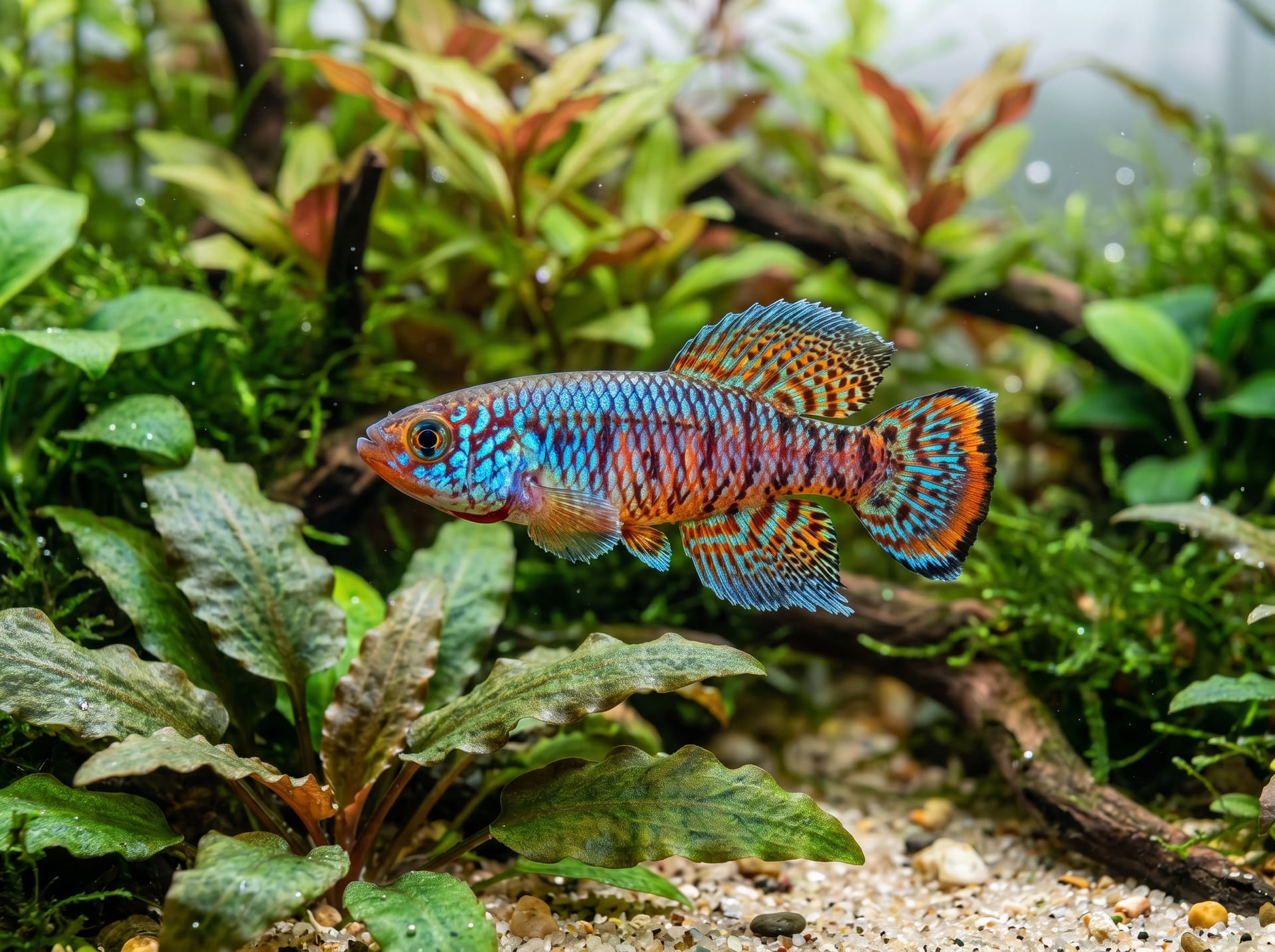
Killifish
Small beautiful fish found worldwide. Males display incredibly vivid colors like gems. Over 1000 species, popular with enthusiasts.
View Killifish encyclopedia →0% commission on your first sales!Register by September 30, 2026 and your first 2 sales are commission-free!
Breeder Wanted!
List on BreederDirect and sell directly to customers nationwide!
Our 6 Transparency Commitments
All Tropical Fish listings include water quality, temperament, and tank size information from verified Breeder.
- Origin Disclosed
- Real Photos
- Water Quality Disclosed
- Recommended Tank Size
- Temperament Disclosed
- Breed Line Disclosed
Browse all 27 breeds
Water Type
Care Level
No listings match your filters
Adjust your filters, or get notified when new listings arrive.
Getting alerts is free with a member account. When new listings match your saved search, we'll notify you by email and in-app.
Browse other categories
Verified breeders (preview)
Are you raising tropical fish?
Register as a breeder and connect with buyers directly.
Apply as a breederKillifish key facts
- Care level
- Intermediate
- Lifespan
- 1-5 years (varies)
- Size
- 3-8cm
- Diet
- Frozen food, live food, pellets
- Tank
- 20cm cube OK. Pair keeping suited
- Water Quality
- Varies by species — soft to hard water
- Breeding
- Annual species have unique dry-egg dormancy
- Lifespan
- Annuals under 1 year. Non-annuals 3-5 years
- Notes
- Jumpers — lid essential
About Killifish
Killifish belong to the order Cyprinodontiformes and are found across tropical and subtropical regions of Africa, South America, and Asia, with each region hosting distinct evolutionary lineages. While Japanese medaka (Oryzias latipes) are technically killifish, the term "killifish" in the hobby most often refers to African species such as Nothobranchius and South American genera like Aphyosemion. Males display stunning jewel-toned coloration — turquoise, red, and gold — that has captivated aquarists worldwide for generations. Among the most fascinating are annual species, which have adapted to seasonal pools that dry up each year. These fish complete their entire life cycle before the dry season, leaving behind eggs buried in the substrate that hatch when rains return — a remarkable survival strategy unique in the aquarium hobby. Dried eggs can even be shipped and traded internationally, fostering a vibrant global community. Most killifish are peaceful, though males can be territorial. With over 1,000 species to explore, all suited to modest tank sizes, killifish offer extraordinary depth for any aquarist.
7 things to know before welcoming a Killifish
1Temperature & Water Quality
Most killifish prefer water temperatures of 22–28°C, and the ideal water hardness varies by species. Research the natural habitat before purchase and match water conditions accordingly. Avoid sudden changes in temperature or water quality, as these can cause stress and disease — change water in small amounts at a time.
2Short-Lived Annual Species
Some killifish are "annual" species — in the wild, adults die during the dry season and only eggs survive in the substrate. Annual killifish typically live about one year, so collecting and storing eggs becomes a key part of the hobby. Confirm whether the species is annual before purchasing.
3Male Aggression
Males of most species compete aggressively over territory, so keeping multiple males together requires ample space and hiding spots. For some species, a ratio of one male to multiple females is recommended. Choose tankmates carefully and avoid fish known to nip fins.
4Diet & Feeding
Killifish thrive on live or frozen foods such as bloodworms and brine shrimp, which enhance coloration and encourage breeding. Prepared dry foods can be used but supplementing with live or frozen foods helps maintain better condition. Feed twice daily in amounts consumed within 3–5 minutes.
5Breeding & Egg Care
Most killifish deposit eggs in plants or substrate, and moving eggs to a separate container improves hatch rates. Annual species require a unique method — eggs are stored in peat moss under dry conditions and later moistened to trigger hatching. Water temperature and storage duration vary by species, so consult the breeder at the time of purchase.
6Tank Size & Equipment
Small species can be kept in 30–45 cm tanks, though larger setups help reduce territorial conflicts between males. Many killifish are strong jumpers, so a tight-fitting lid is essential. Hang-on-back filters or sponge filters with gentle flow are well-suited to these fish.
7Availability & Cost
Common species are readily available at pet stores and aquarium shops, while rarer varieties are often sourced directly from breeders. Prices range from a few hundred yen for common species to over 10,000 yen for rare ones. Factor in initial setup costs — tank, filter, and heater — before making a purchase decision.
Frequently asked questions about Killifish
- Q.Are medaka and killifish the same fish?
- A.Broadly speaking, both belong to the order Cyprinodontiformes, but in the hobby they are often treated as separate groups. Japanese medaka (Oryzias latipes) and the African or South American killifish have different care requirements, water preferences, and lifespans depending on the species.
- Q.How do I store and hatch annual killifish eggs?
- A.After collecting eggs, store them in slightly moist peat moss inside a sealed zip bag at 20–25°C in a dark location for the species-appropriate diapause period. Once the rest period is complete, placing the peat in soft water will trigger hatching within hours to days.
- Q.Are there beginner-friendly killifish species?
- A.Japanese medaka and common African species such as Fundulopanchax gardneri are considered beginner-friendly due to their relative hardiness. Starting with widely available species allows you to build experience before progressing to rarer, more demanding types.
- Q.Can I keep multiple killifish species together?
- A.Closely related species that look similar may hybridize, so keeping each species in a dedicated tank is the standard practice among serious hobbyists. Size differences can also lead to predation. In spacious, well-planted tanks, some combinations may coexist, but careful monitoring is essential.
- Q.What is the typical startup cost for keeping killifish?
- A.Basic equipment — a 30 cm tank, filter, light, and heater — typically costs around 10,000–20,000 yen. Fish prices vary from a few hundred to tens of thousands of yen depending on the species. Annual killifish eggs are often an affordable entry point. Ongoing monthly costs generally range from a few hundred to a few thousand yen.
Useful tools for Killifish care
Learn more about Killifish in the encyclopedia
View Killifish encyclopedia entry →
Care difficulty, lifespan, size and diet — all basics covered.
Killifish related articles
Annual Fish (Killifish) Care Guide | Egg Management and Breeding Methods for Nothobranchius and Others
This guide explains how to care for killifish called "annual fish." We introduce the characteristics of annual fish, represented by Nothobranchius, methods for managing dormant eggs, and the entire process from hatching to breeding, all designed for beginners.
Killifish Egg Storage and Management Guide | Annual Fish Dormant Egg Techniques
Guide to storing killifish eggs. Learn dormant egg management for annual killifish, peat moss storage methods, and hatching timing.
More in this category
Can't find the one you're looking for?
Post your wishes for free and breeders with matching animals will contact you with introductions.