Apistogramma
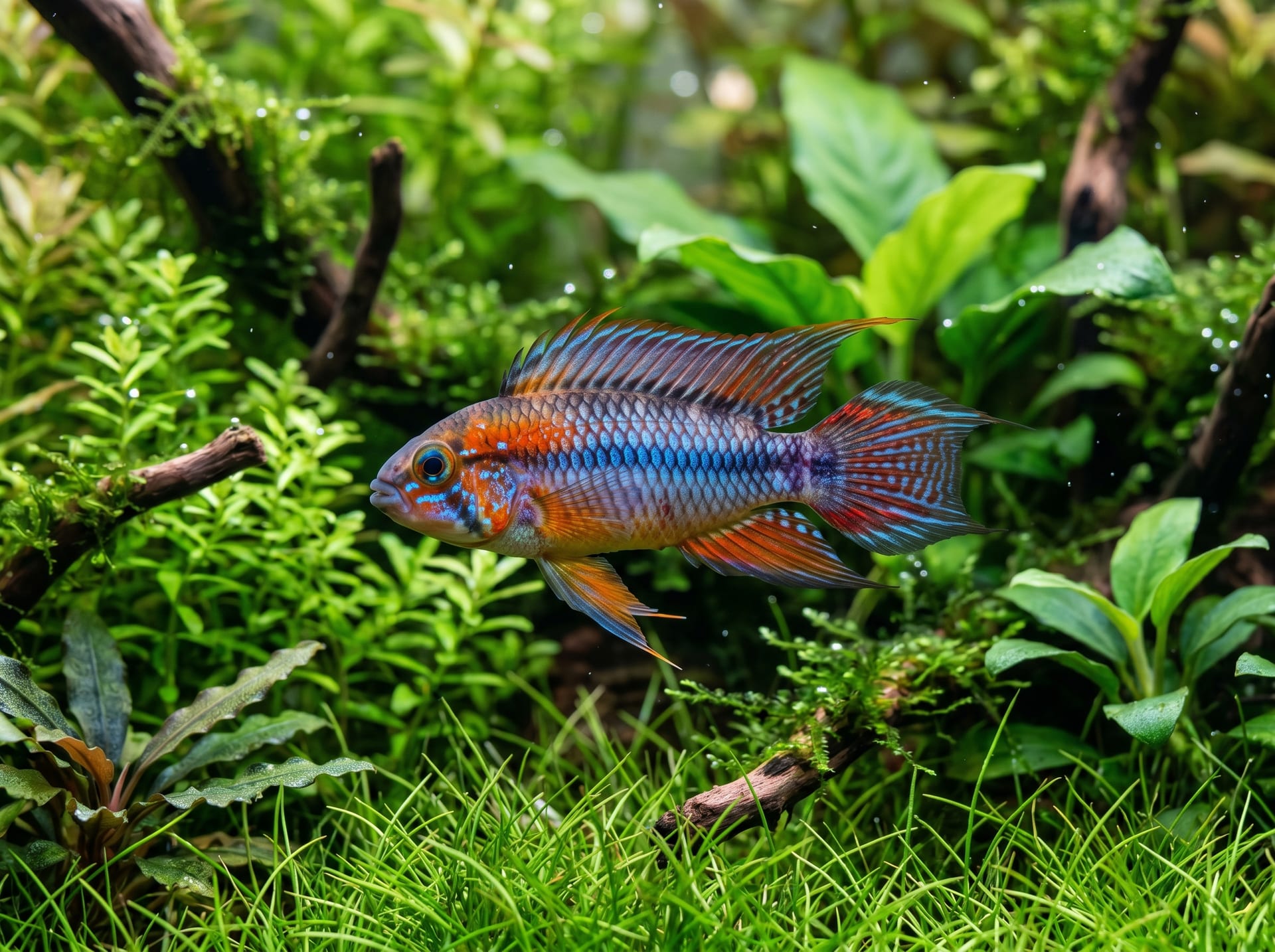
Apistogramma is a small South American cichlid prized for the male's vivid coloration and flowing fins. Their strong territorial instincts and accessible breeding behavior make them a rewarding species to keep.
View Apistogramma encyclopedia →0% commission on your first sales!Register by September 30, 2026 and your first 2 sales are commission-free!
Breeder Wanted!
List on BreederDirect and sell directly to customers nationwide!
Our 6 Transparency Commitments
All Tropical Fish listings include water quality, temperament, and tank size information from verified Breeder.
- Origin Disclosed
- Real Photos
- Water Quality Disclosed
- Recommended Tank Size
- Temperament Disclosed
- Breed Line Disclosed
Browse all 27 breeds
Water Type
Care Level
No listings match your filters
Adjust your filters, or get notified when new listings arrive.
Getting alerts is free with a member account. When new listings match your saved search, we'll notify you by email and in-app.
Browse other categories
Verified breeders (preview)
Are you raising tropical fish?
Register as a breeder and connect with buyers directly.
Apply as a breederAbout Apistogramma
Apistogramma is a large genus of dwarf cichlids distributed across small streams and wetlands throughout the Amazon basin and beyond in South America; the name refers to their "irregular lateral line." With over 200 described species, the genus has long been a staple of the aquarium hobby. Males display striking species-specific coloration — blends of red, yellow, and blue paired with elaborately extended fins — making them among the most visually impressive small fish available. Females are more subdued in color but reward keepers with fascinating fry-guarding behavior during breeding season. They prefer soft, slightly acidic water and will readily spawn in aquariums decorated with driftwood and caves when water parameters are well maintained. Compact in size (roughly 5–10 cm), yet full of personality and complex behavior, Apistogramma appeal to hobbyists at every level of experience.
7 things to know before welcoming a Apistogramma
1Water Quality Is Key
Apistogramma thrive in soft, slightly acidic water (pH 5.5–6.8, hardness below 5°dH) and are sensitive to fluctuations. Using RO water or peat filtration helps stabilize conditions, enhancing coloration and overall health.
2Male Territorial Aggression
Males are highly territorial and will fight aggressively with each other. A harem setup (one male, multiple females) in a tank of 60 cm or larger with plenty of hiding spots is the recommended approach.
3Caves and Driftwood Essential
Small caves (coconut shells, clay pots) and driftwood are essential for spawning and refuge. Providing multiple such structures encourages females to settle comfortably and begin breeding behavior.
4Traits Vary by Species
With over 200 described species, temperament and care difficulty vary widely — A. cacatuoides, A. agassizii, and A. borellii are among the most popular. Beginners often find A. borellii and A. cacatuoides more forgiving to keep.
5Choose Tankmates Carefully
Females become aggressive when guarding fry. Peaceful bottom and mid-water species like corydoras or small tetras make suitable tankmates; avoid larger fish or other cichlids of similar size.
6Supplement with Frozen Foods
While they accept dry foods, regularly supplementing with frozen bloodworms or brine shrimp enhances coloration and can trigger spawning. Offering a varied diet supports long-term health and vivid color.
7Prepare for Fry Care
Successful spawning results in active fry-guarding by the female. Prepare infusoria or baby brine shrimp in advance as first foods, as having them ready from day one significantly improves fry survival rates.
Frequently asked questions about Apistogramma
- Q.What tank size is suitable for Apistogramma?
- A.A pair can be kept in a 45 cm tank (approximately 35 L or more), but a 60 cm or larger tank is recommended for harem setups or multiple individuals. More space helps reduce stress from territorial disputes.
- Q.Can Apistogramma be kept with other fish?
- A.They coexist reasonably well with peaceful species like small tetras and corydoras. However, females become aggressive when protecting fry, so ensuring tankmates have plenty of hiding spots is important during breeding periods.
- Q.How do I breed Apistogramma?
- A.Conditioning the water to soft and acidic levels and providing cave-style spawning sites encourages natural breeding. Water changes and live or frozen foods often trigger spawning; removing the male after eggs are laid may be necessary depending on the species.
- Q.What is the lifespan of Apistogramma?
- A.With proper care, Apistogramma typically live around 3 to 5 years. Stable water conditions and a low-stress environment are the most important factors in achieving a longer lifespan.
- Q.What should I do if my Apistogramma won't eat?
- A.Stress from environmental changes or poor water quality is a common cause; start by checking water parameters and temperature. Offering highly palatable foods like frozen bloodworms or brine shrimp often helps restore appetite.
Useful tools for Apistogramma care
Learn more about Apistogramma in the encyclopedia
View Apistogramma encyclopedia entry →
Care difficulty, lifespan, size and diet — all basics covered.
Apistogramma related articles
How to Create a Biotope-Style Pair Breeding Tank for Apistos | Recreating South America with Soft Water, Dried Leaves, and Coconut Shells
A guide to creating a biotope-style pair breeding tank for Apistogramma, a South American dwarf cichlid. Covers setup including blackwater conditions, substrate, coconut shells, driftwood, and dried leaves, as well as pairing, spawning, and fry rearing. Also introduces characteristics of Cockatoo, Agassiz's, and Banded Apistos.
Complete Guide to Keeping Apistogramma | Varieties, Breeding, and Water Quality Management Basics
A guide to keeping Apistogramma, small cichlids native to South America. Covers characteristics of popular varieties (Cockatoo, Agassizii, and others), breeding methods, and techniques for maintaining slightly acidic soft water.
More in this category
Can't find the one you're looking for?
Post your wishes for free and breeders with matching animals will contact you with introductions.