Source: Wikimedia Commons
Himalayan Crocodile Newt
IntermediateTylototriton verrucosus
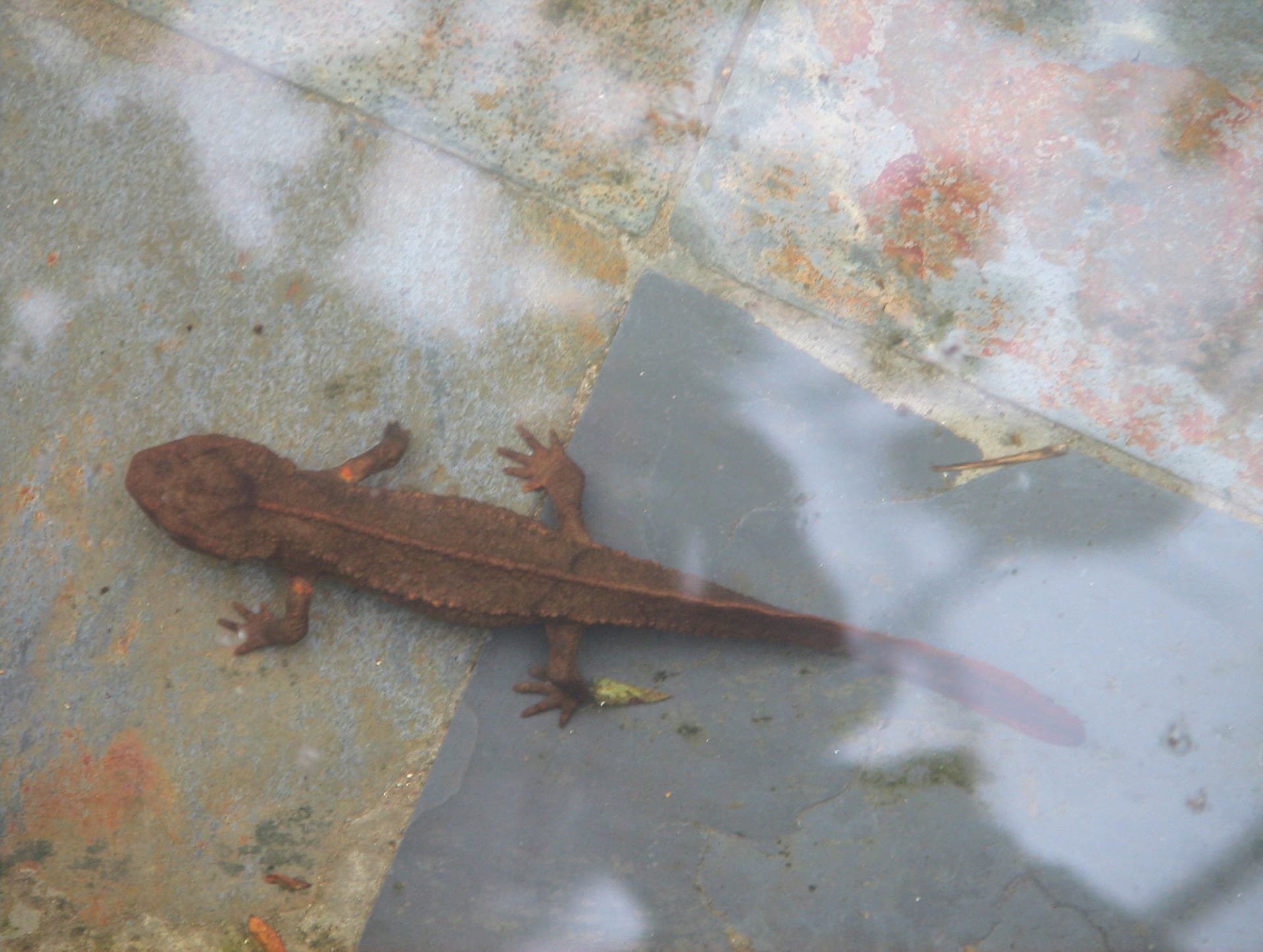
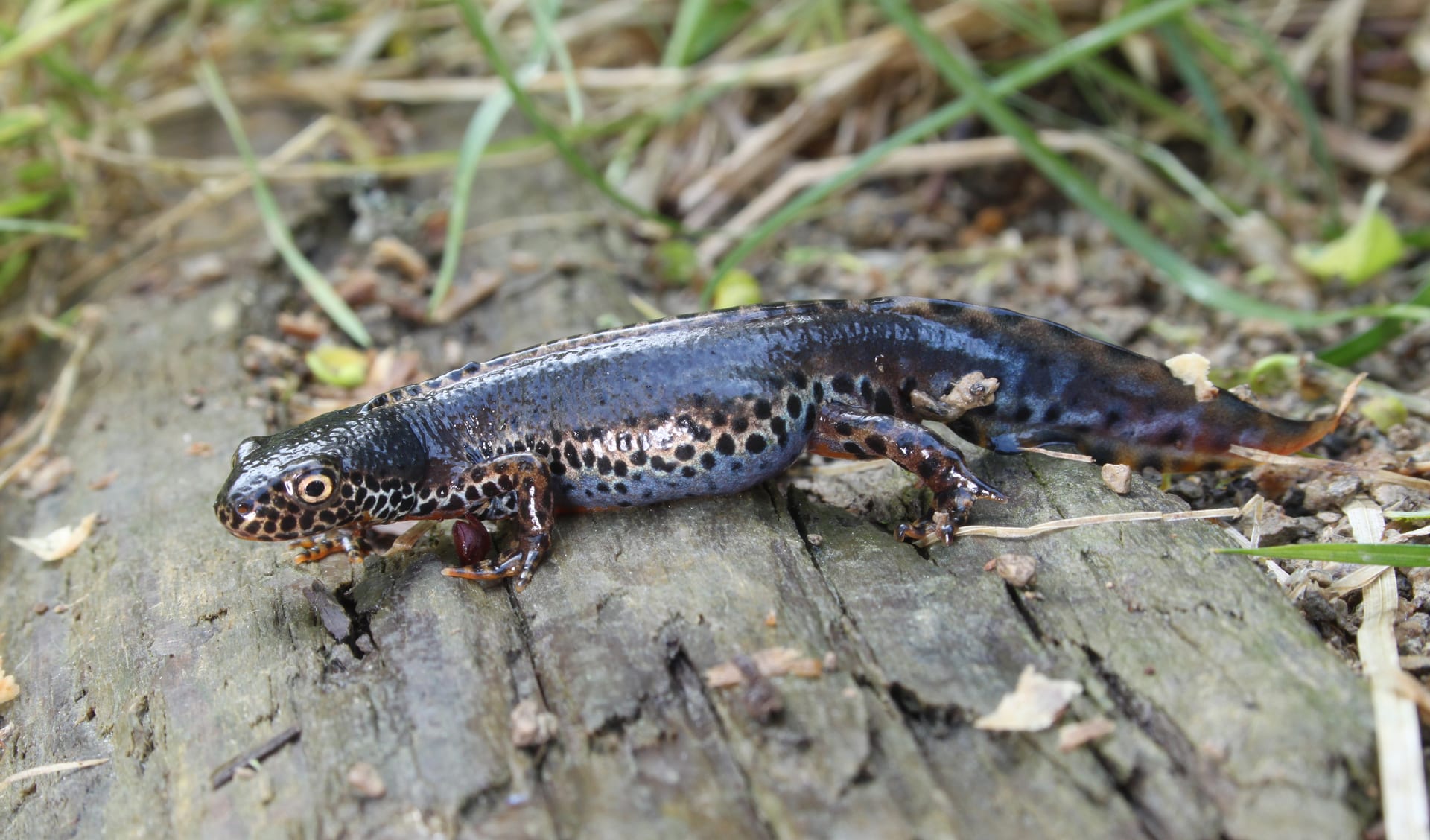
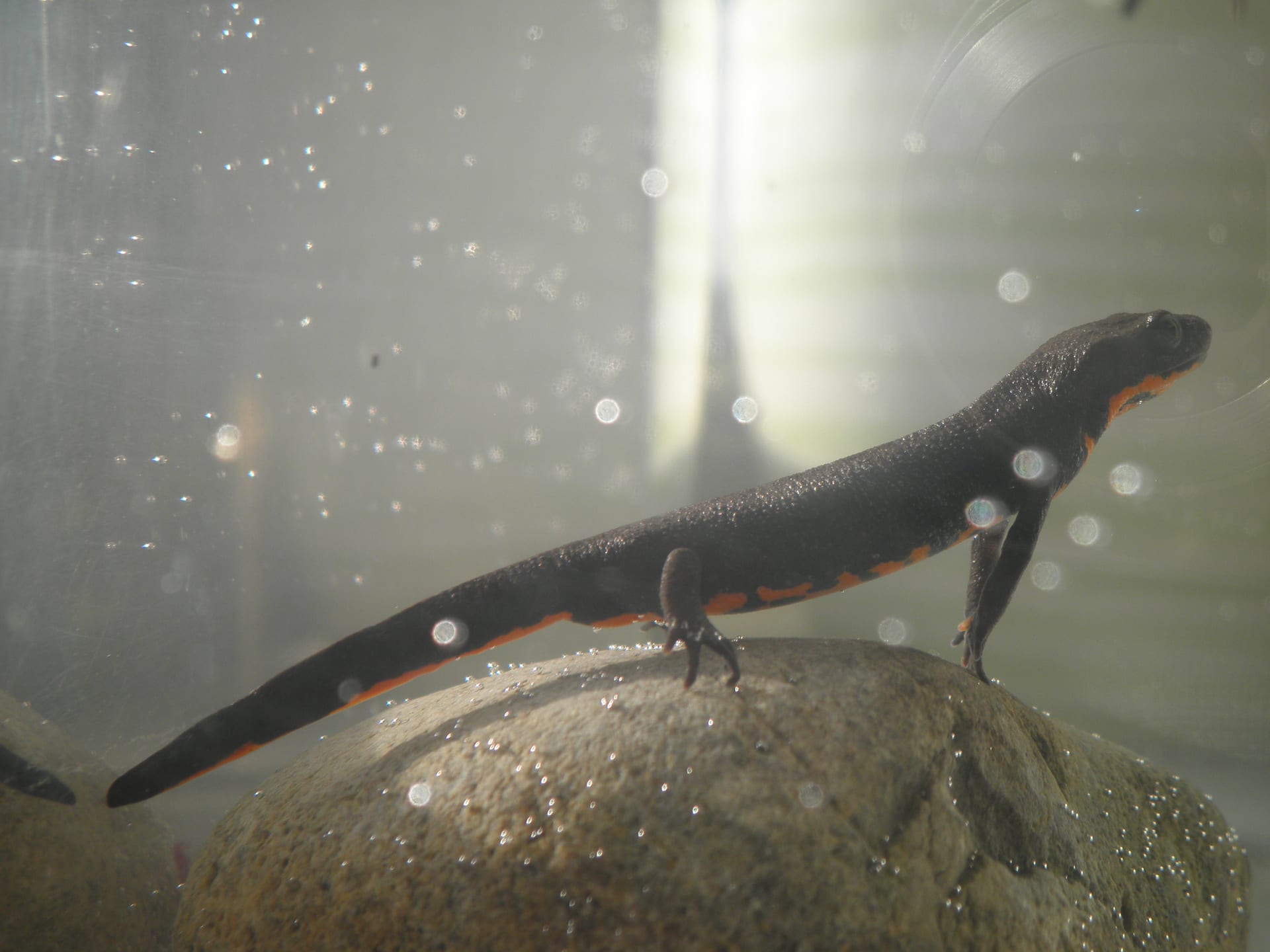
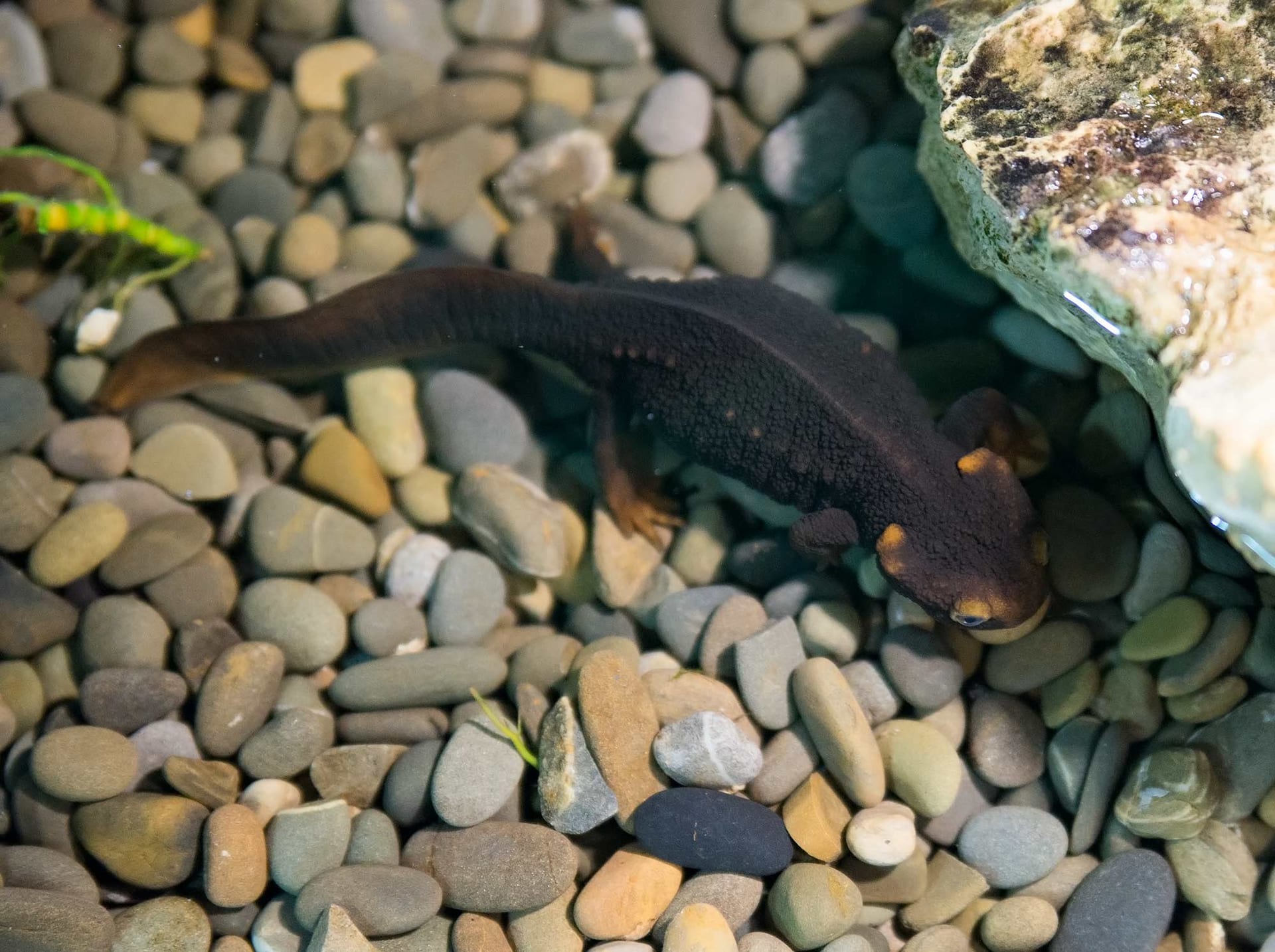
A dark brown newt with a row of large knob-like glands along each flank, recalling a crocodile's back. Many individuals prefer water, and it needs cool conditions.
Difficulty
Intermediate
Temperature
15〜18℃
Lifespan
More than 10 years in captivity
Size
About 17-20 cm total length (some trade forms reported up to about 24 cm)
Humidity
40〜70%
Diet
Carnivore (earthworms, insects, spiders)
About
The Himalayan crocodile newt belongs to the salamandrid genus Tylototriton and occurs in the mountains of Yunnan in China, northern Myanmar and northeastern India, including Sikkim and Manipur. In Thailand it is known with certainty only from Doi Chang in Chiang Rai Province; populations from northern and northeastern Thailand, Laos and Vietnam were described as separate species (T. anguliceps, T. panhai and T. uyenoi) in 2013 and 2015. Tylototriton shanjing was split off in 1995 as well, so older literature and trade names for "verrucosus" may cover several species. It reaches about 20 cm in total length. The broad head bears bony ridges, a row of knobs runs along the spine, and 15 or 16 rounded glands line each flank. The body is uniformly blackish brown with an orange-yellow lower tail edge. It eats spiders, worms, millipedes and insects. In Japan both imported and captive-bred animals appear in specialist shops. Japan's native Echinotriton newts, which share the Japanese name element "iboimori", are protected National Endangered Species and belong to a different genus.
Source: Wikipedia (CC BY-SA 4.0)
Lifespan of the Himalayan Crocodile Newt
The Himalayan Crocodile Newt lives More than 10 years in captivity.
Size of the Himalayan Crocodile Newt
The Himalayan Crocodile Newt grows to About 17-20 cm total length (some trade forms reported up to about 24 cm).
Temperature & humidity for the Himalayan Crocodile Newt
The ideal temperature for the Himalayan Crocodile Newt is 15〜18℃.
Basic Info
Origin
References & Sources
Edited & verified by: BreederDirect editorial team
The taxonomic, regulatory, and husbandry data on this page are compiled and verified against the authoritative primary sources below.
Taxonomy & Authority
Accepted name: Tylototriton verrucosus Anderson, 1871
Synonyms: Glossolega verrucosa (Anderson, 1871), Pleurodeles verrucosus (Anderson, 1871), Triturus verrucosus (Anderson, 1871), Tylotriton verrucosus Anderson, 1871
Authority databases: GBIF · GBIF: Tylototriton verrucosus · Wikipedia: Tylototriton verrucosus
Nomenclature follows global taxonomic authority databases.
Regulations & Conservation Status
CITES Appendix II
Listed in CITES Appendix II. International trade requires an export permit from the country of origin, but no registration is needed to keep or transfer the animal within Japan. The whole genus Tylototriton has been listed since 26 November 2019. Amphibians can carry infectious diseases such as chytridiomycosis, so never release captive animals or pour tank water into the wild.
Sources: Species+ (CITES): Tylototriton verrucosus / Ministry of the Environment, Japan: list of National Endangered Species
Regulations may change. Always verify the latest information with the relevant authorities.
Himalayan Crocodile Newt Listings
Loading latest listingsFind listings for this species