Source: Wikimedia Commons
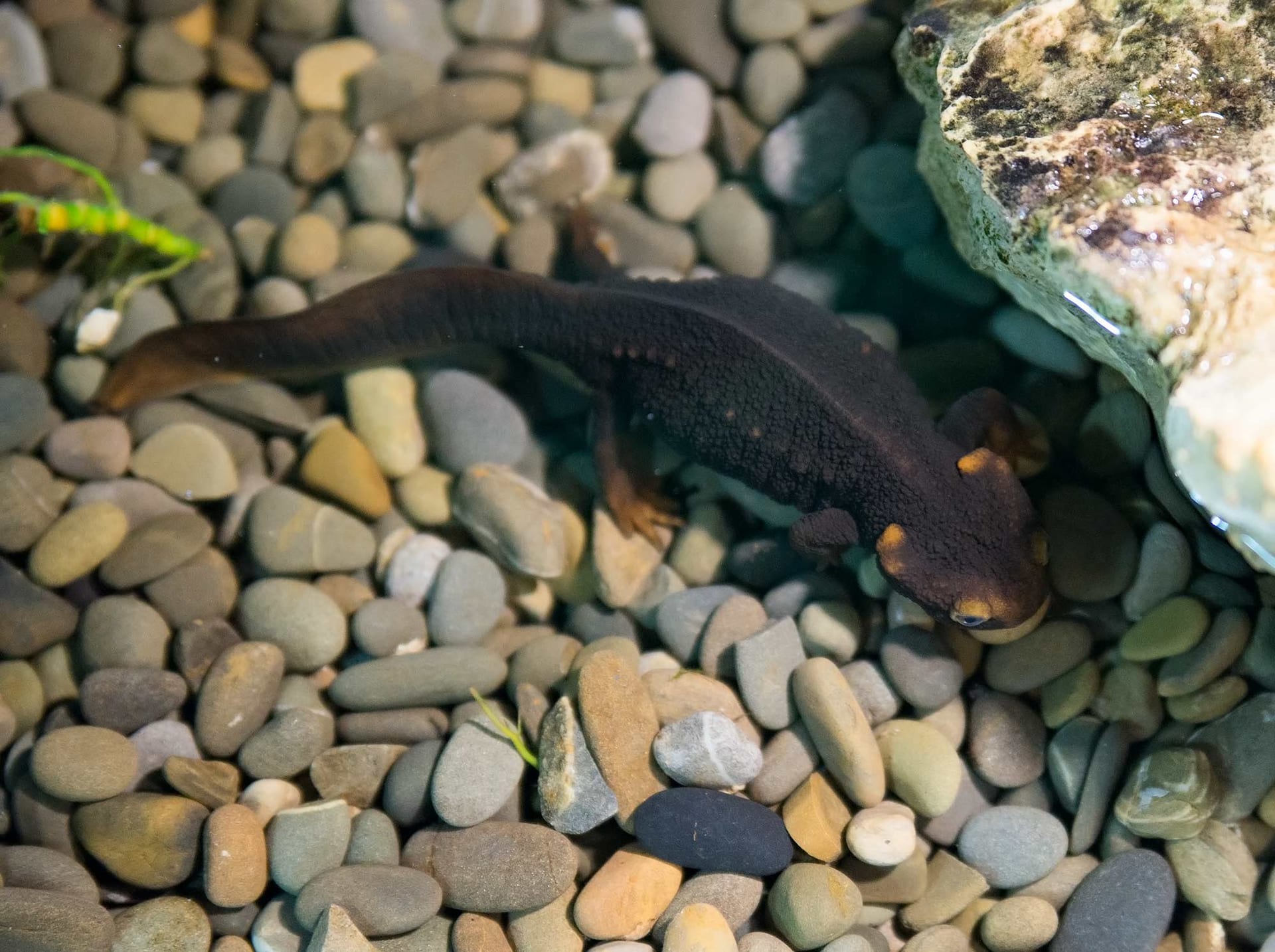
Tam Dao Warty Newt
IntermediateParamesotriton deloustali
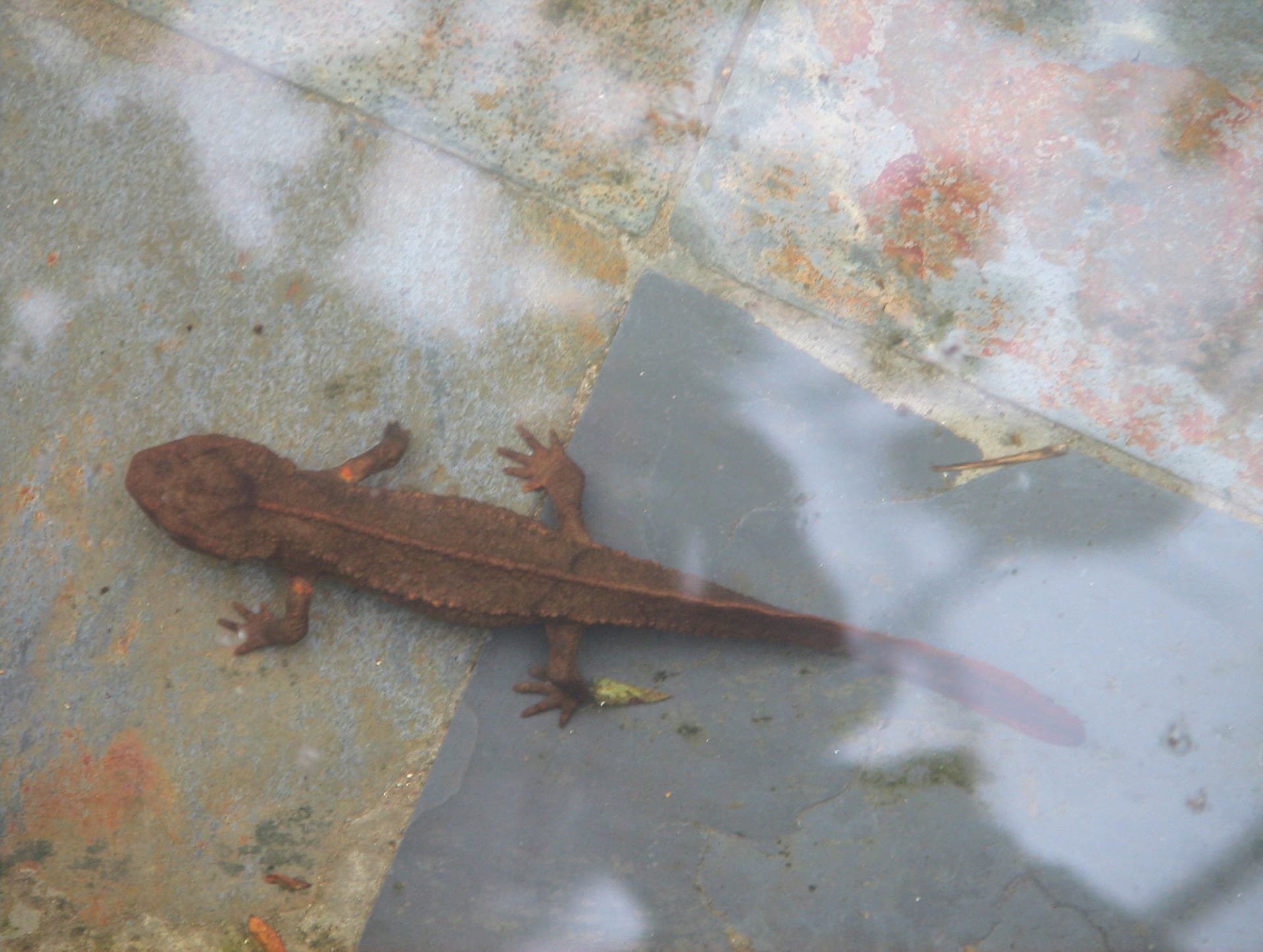
A rough-skinned warty newt from mountain streams in northern Vietnam. It lives mostly in water and prefers cool, clean conditions.
Difficulty
Intermediate
Temperature
25〜32℃
Lifespan
Warty newts can live more than 10 years in captivity
Humidity
40〜70%
Diet
Carnivore (earthworms, bloodworms)
About
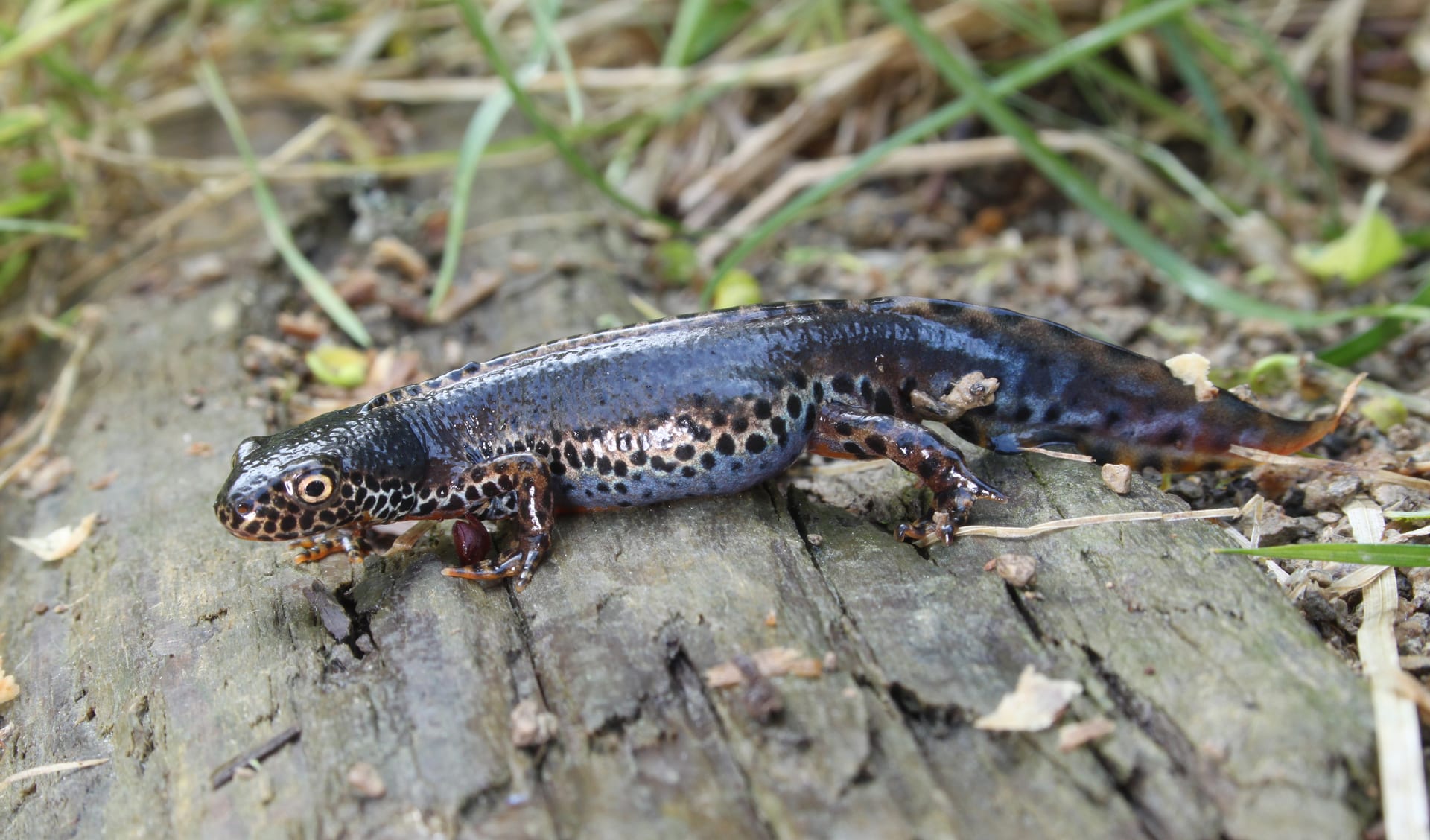
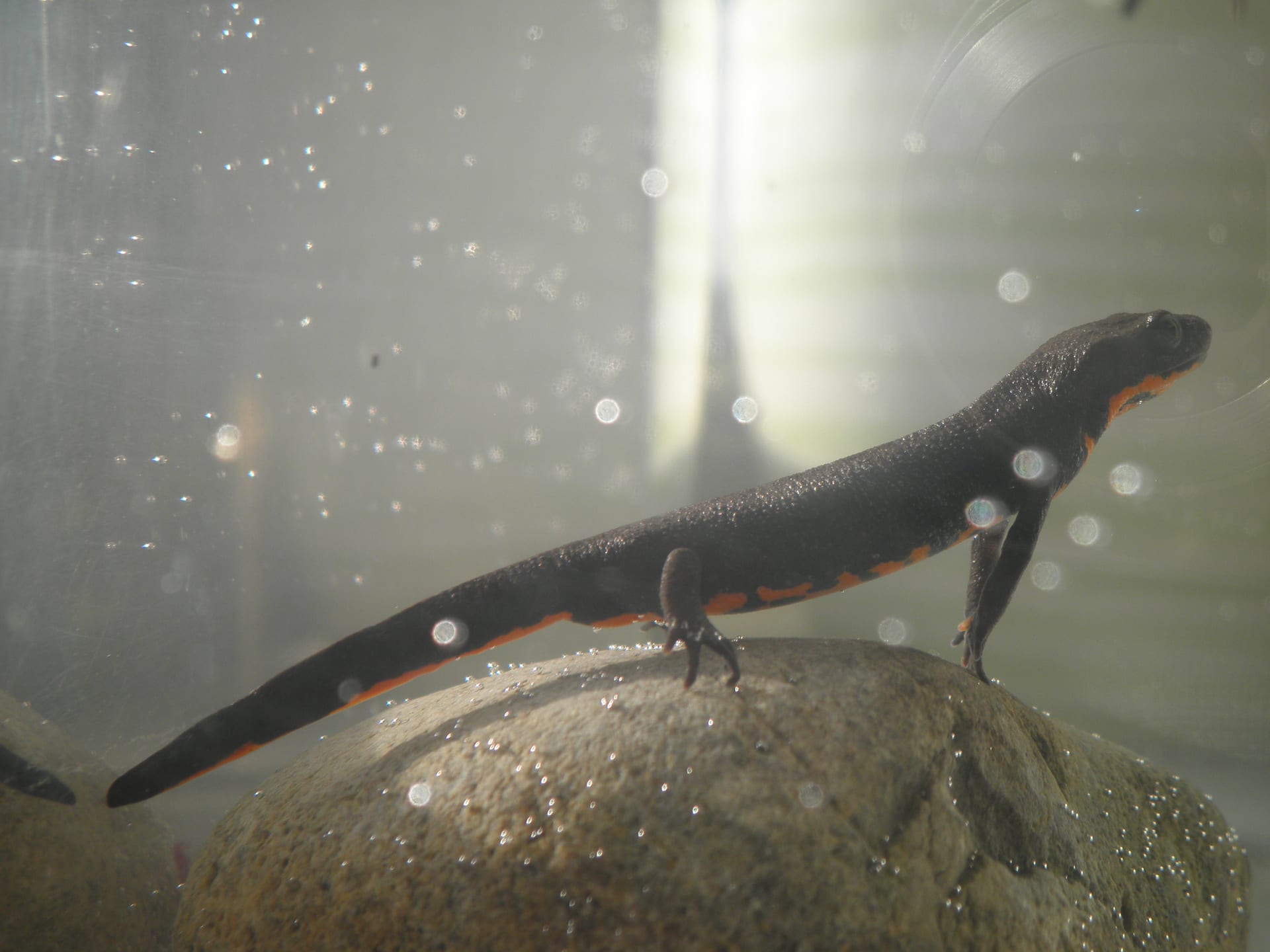
The Tam Dao warty newt is a salamandrid of the genus Paramesotriton found in northern Vietnam, with possible occurrence in Yunnan, China. It lives in subtropical and tropical moist lowland and montane forests and in rivers. Northern Vietnam holds a western and an eastern population that occupy similar environments but show differences in ecological niche. Mitochondrial DNA and morphology suggest that some animals from Quang Ninh Province previously assigned to this species may actually be P. guangxiensis, so its range may be smaller than thought. Threats include habitat loss to agriculture, water pollution, flooding and poaching. Warty newts are notoriously hard to identify to species, so trade names alone may not confirm identity. In captivity it is kept almost entirely aquatic in cool water. In Japan it appears only occasionally in specialist shops.
Source: Wikipedia (CC BY-SA 4.0)
Lifespan of the Tam Dao Warty Newt
The Tam Dao Warty Newt lives Warty newts can live more than 10 years in captivity.
Basic Info
Origin
Northern Vietnam (possibly Yunnan, China)
Lifespan
Warty newts can live more than 10 years in captivity
Temperature
25〜32℃
Humidity
40〜70%
Diet
Carnivore (earthworms, bloodworms)
References & Sources
Edited & verified by: BreederDirect editorial team
The taxonomic, regulatory, and husbandry data on this page are compiled and verified against the authoritative primary sources below.
Taxonomy & Authority
Accepted name: Paramesotriton deloustali (Bourret, 1934)
Synonyms: Mesotriton deloustali Bourret, 1934, Pachytriton deloustali (Bourret, 1934)
Authority databases: GBIF · GBIF: Paramesotriton deloustali · Wikipedia: Tam Dao salamander
Nomenclature follows global taxonomic authority databases.
Regulations & Conservation Status
CITES Appendix II
Listed in CITES Appendix II. International trade requires an export permit from the country of origin, but no registration is needed to keep or transfer the animal within Japan. The whole genus Paramesotriton has been listed since 26 November 2019. Amphibians can carry infectious diseases such as chytridiomycosis, so never release captive animals or pour tank water into the wild.
Sources: Species+ (CITES): Paramesotriton deloustali
Regulations may change. Always verify the latest information with the relevant authorities.
Tam Dao Warty Newt Listings
Loading latest listingsFind listings for this species