How Long Do Tropical Fish Live? Tips to Keep Them Healthy by Species
Tropical fish lifespans vary widely by species, from about 3 years for neon tetras to 15+ years for plecos. This guide covers average lifespans of popular species and practical care tips for reducing stress and extending their lives.
Key Takeaways
Tropical fish lifespans vary widely by species, from about 3 years for neon tetras to 15+ years for plecos. This guide covers average lifespans of popular species and practical care tips for reducing stress and extending their lives.
Related Species
How Long Do Tropical Fish Live? Understanding Lifespans by Species
When you start keeping tropical fish, you naturally wonder, "How long will I have this little one?" The lifespan of tropical fish varies dramatically by species—some species have a generation cycle of just 1–2 years, while others can live nearly 20 years. Understanding their lifespan correctly helps you design your aquarium environment and prepare mentally for long-term care, ultimately allowing your fish to live longer and healthier lives.
This article breaks down the lifespans of popular species by type and then explains concrete care strategies for extending their lives. For the fundamentals of water quality management, be sure to check out Tropical Fish Water Quality Management and Water Change Basics.
Comparing Lifespans of Popular Species
Long-lived types (10+ years)
Certain large fish and ancient species often live 10 years or more when given proper conditions.
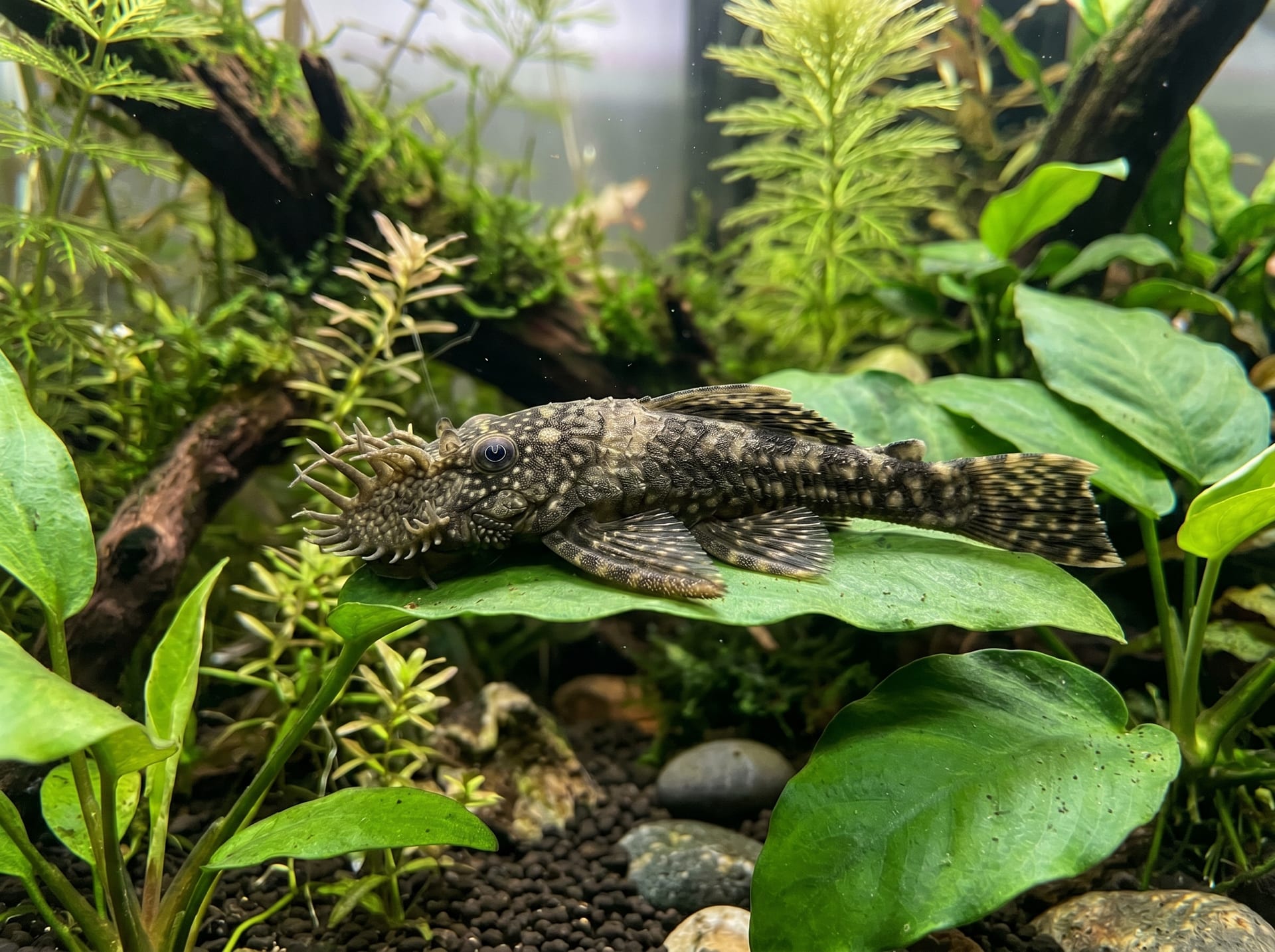
- Plecos: 15–20 years. Larger species (such as sailfin plecos) can live even longer and grow over 30 cm, requiring a spacious tank designed for long-term care.
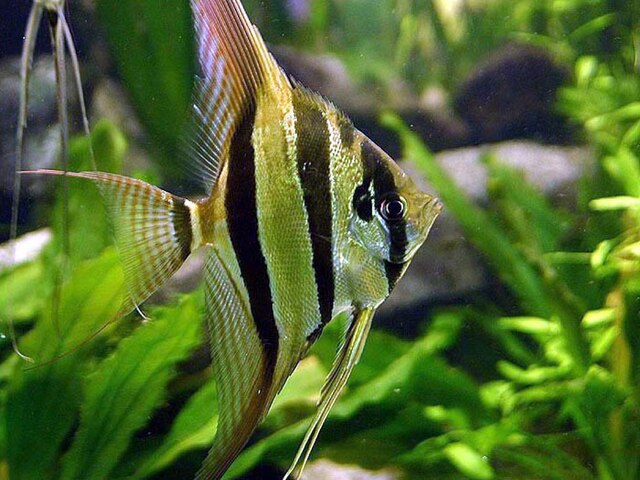
- Angelfish: 10–12 years. Relatively peaceful for cichlids, they live exceptionally long in stable environments.
- Polypterus: 15–20 years. These ancient fish have remarkable resilience and can tolerate water parameter changes reasonably well, though care must be taken to prevent injury and disease.
- Oscars: 10–15 years. Highly intelligent and capable of recognizing their owners, they develop strong personalities. However, they grow to over 30 cm, making a large tank essential.
Medium lifespan (5–10 years)
This category includes many aquarium staples that offer balanced enjoyment.
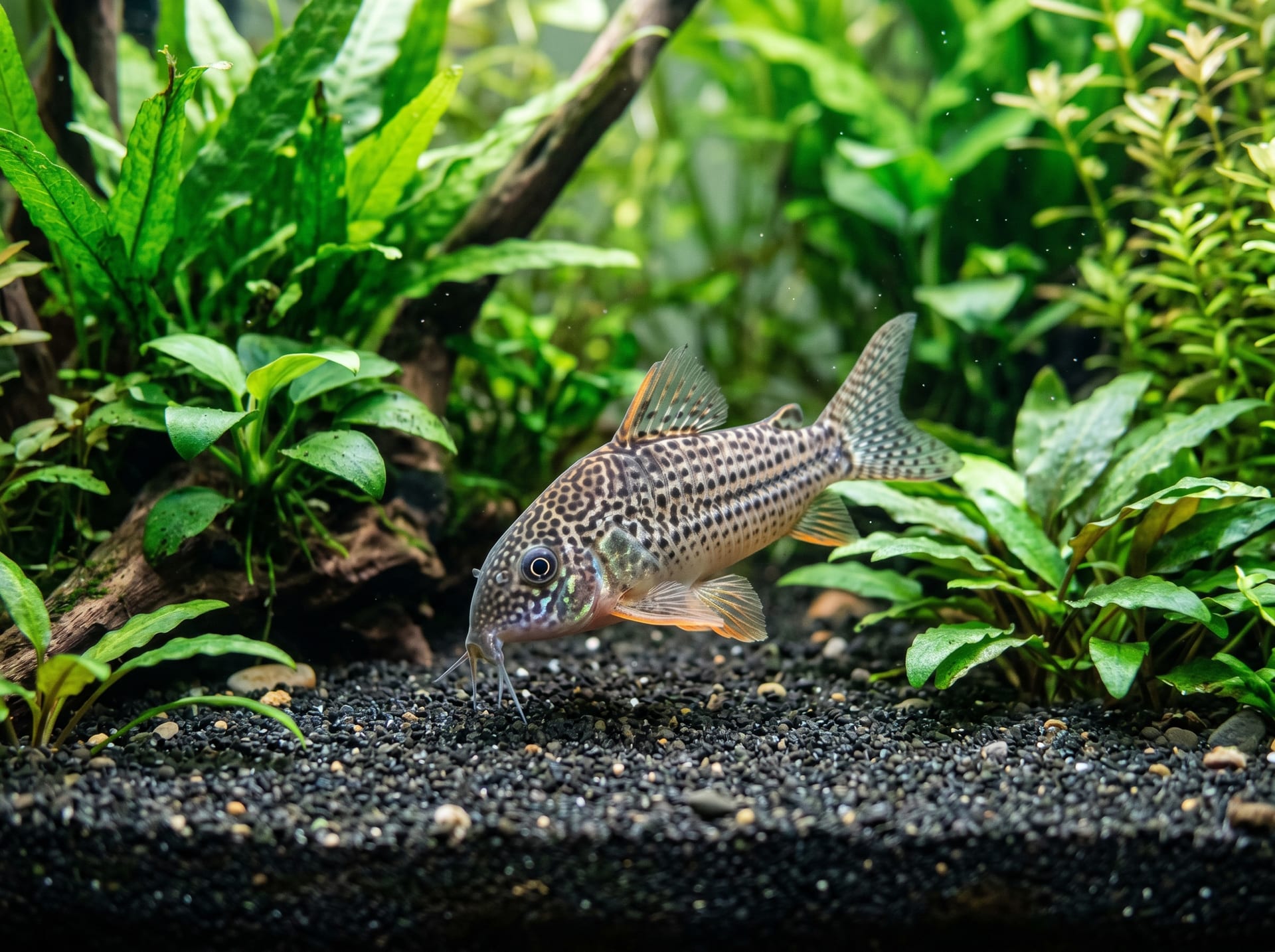
- Corydoras: 5–7 years. Gentle bottom-dwellers with excellent compatibility for community tanks, popular with beginners. The cleanliness of the substrate directly affects their lifespan.
- Gouramis: 5–8 years. Laid-back and ideal for planted tanks. They tend to live long lives when water quality is stable.
- Rasboras (such as Harlequin rasboras): 5–8 years. Their schooling behavior is visually striking and popular as tank accents. Hardy and easy to care for, they're well-suited to long-term keeping.
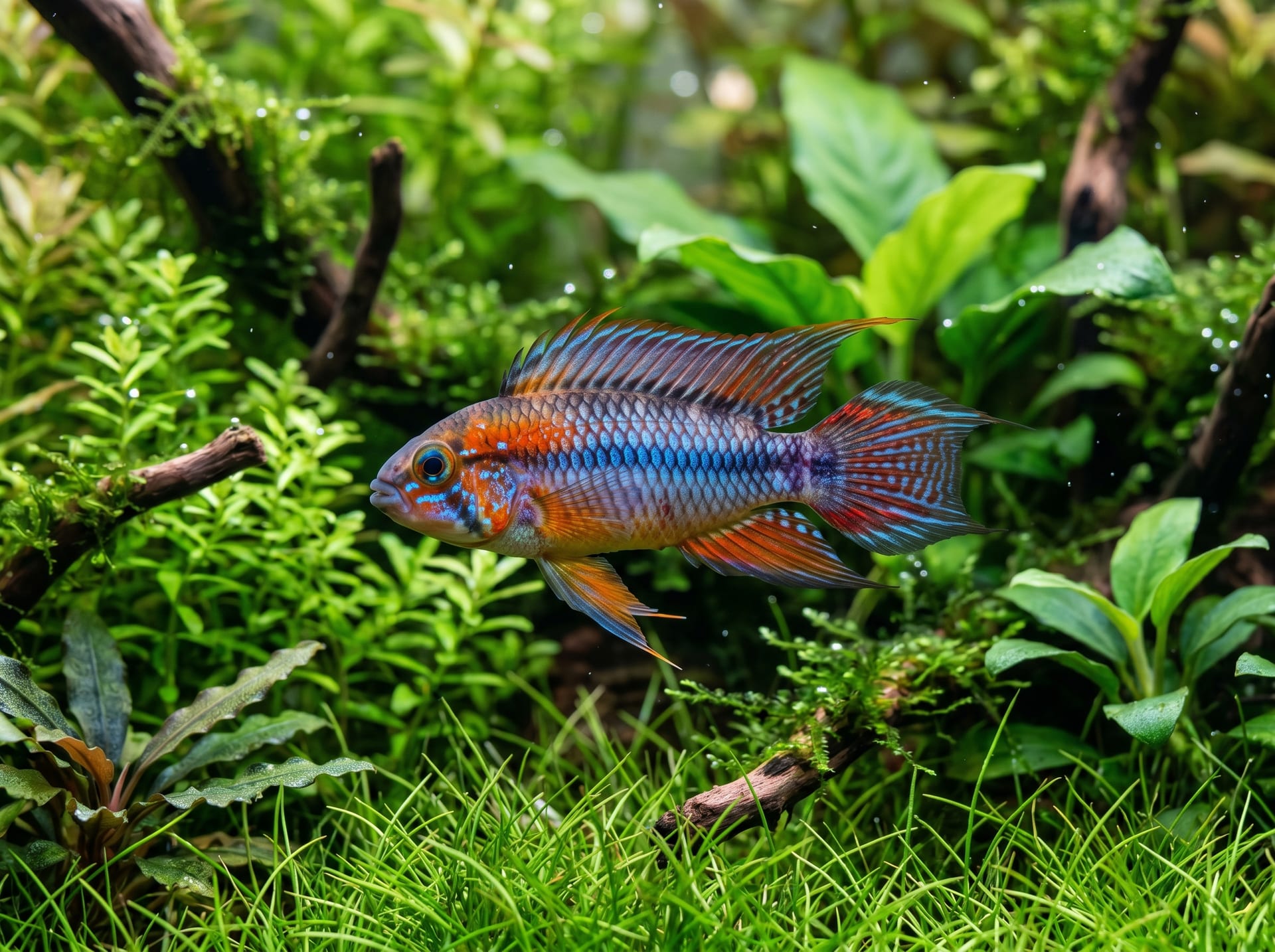
- Apistosgrams: 5–8 years. Representative of small cichlids, they offer the appeal of breeding behavior and are rewarding to keep. Water quality directly influences their lifespan.
Relatively short (1–5 years)
This group includes species with rapid generation cycles and many small fish, ideal for those interested in breeding.
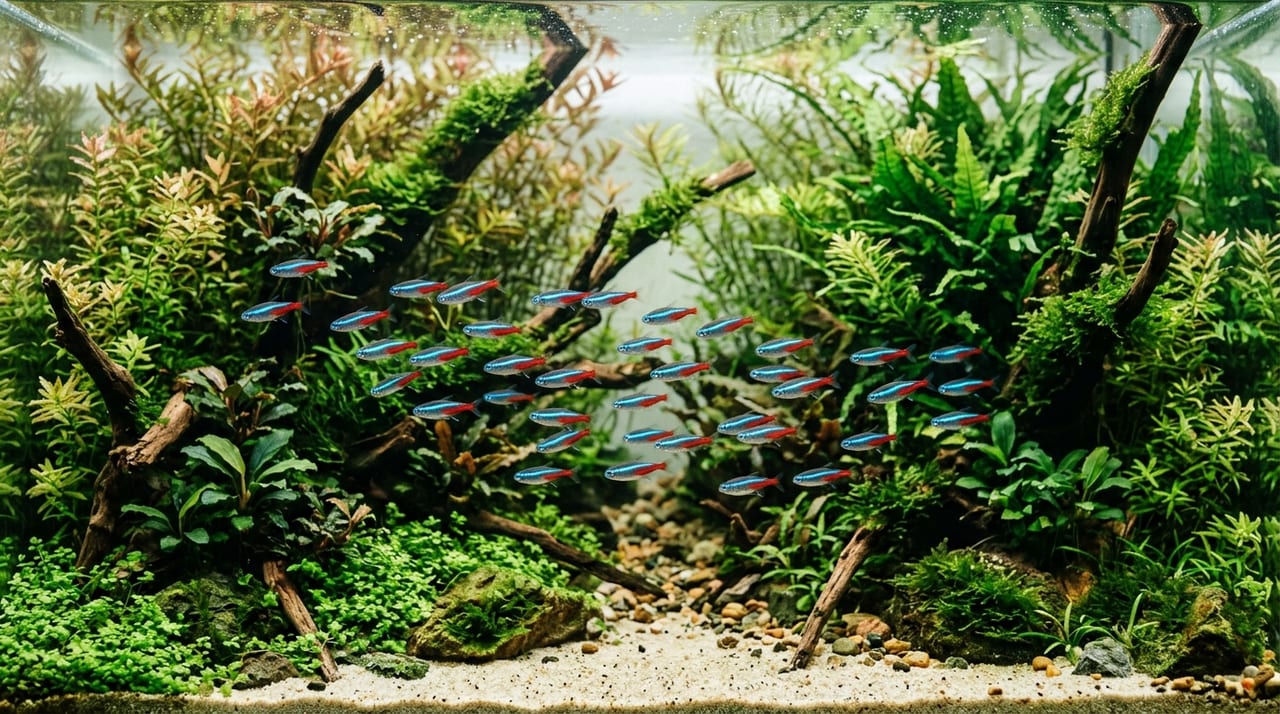
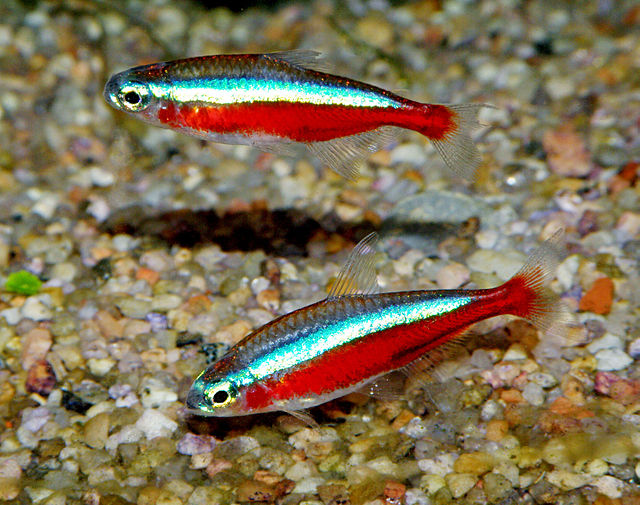
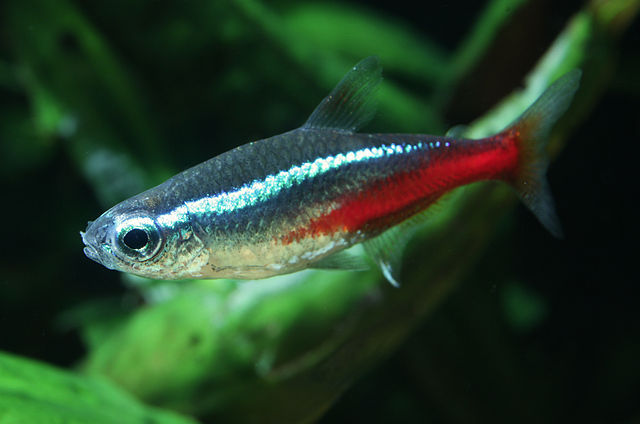
- Neon tetras: 3–5 years. Synonymous with tropical fish, these popular favorites appear hardy but are sensitive to poor water quality—consistent maintenance is key to their longevity.
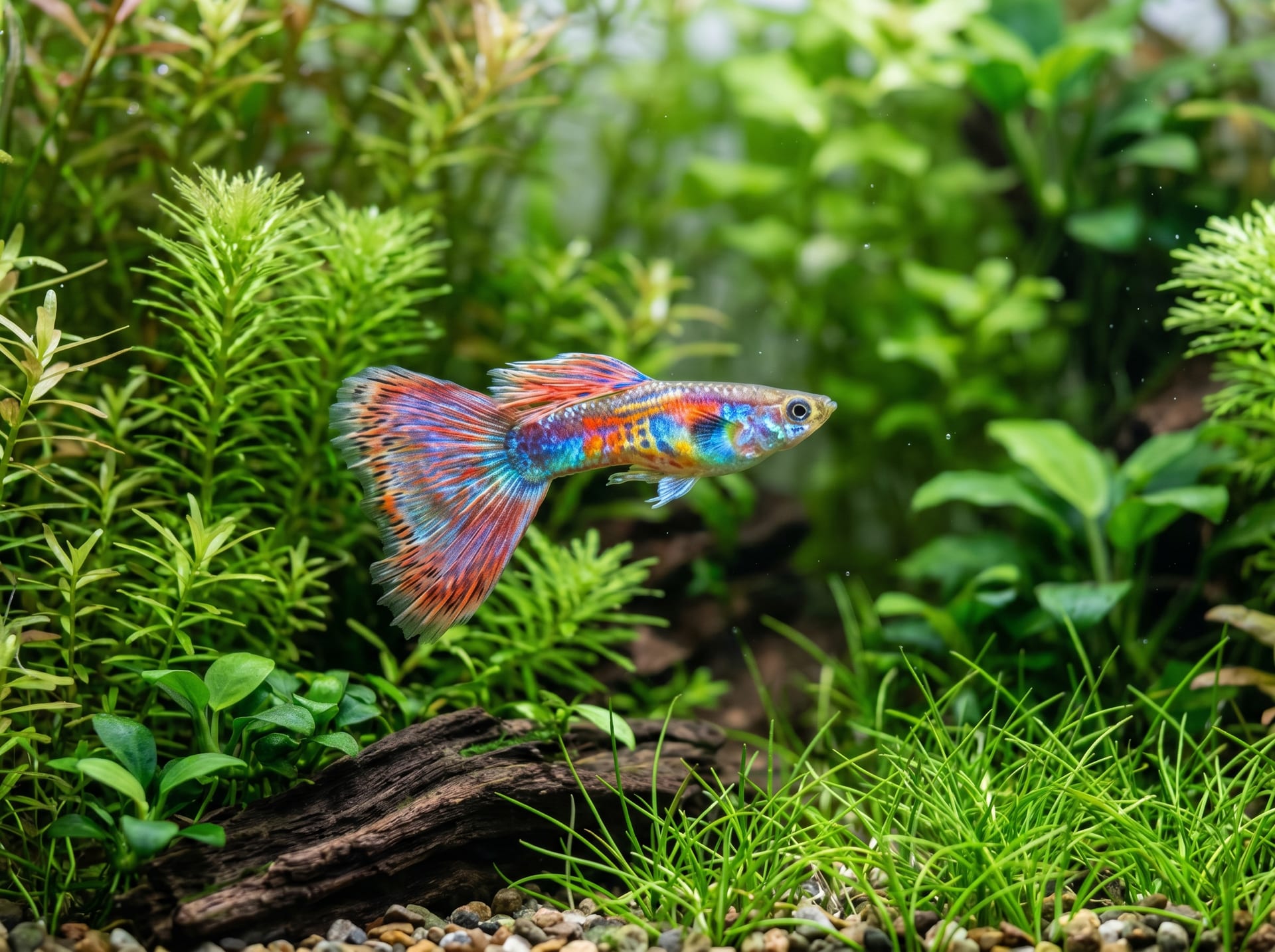
- Guppies: 1–3 years. Highly reproductive; you can enjoy them for extended periods across generations. Keep in mind that colorful selectively-bred varieties tend to have shorter lifespans.
- Bettas: 2–5 years. Solitary housing is essential; with stable temperature and water quality, some individuals live close to 5 years. Their appeal lies in thriving even in compact tanks.
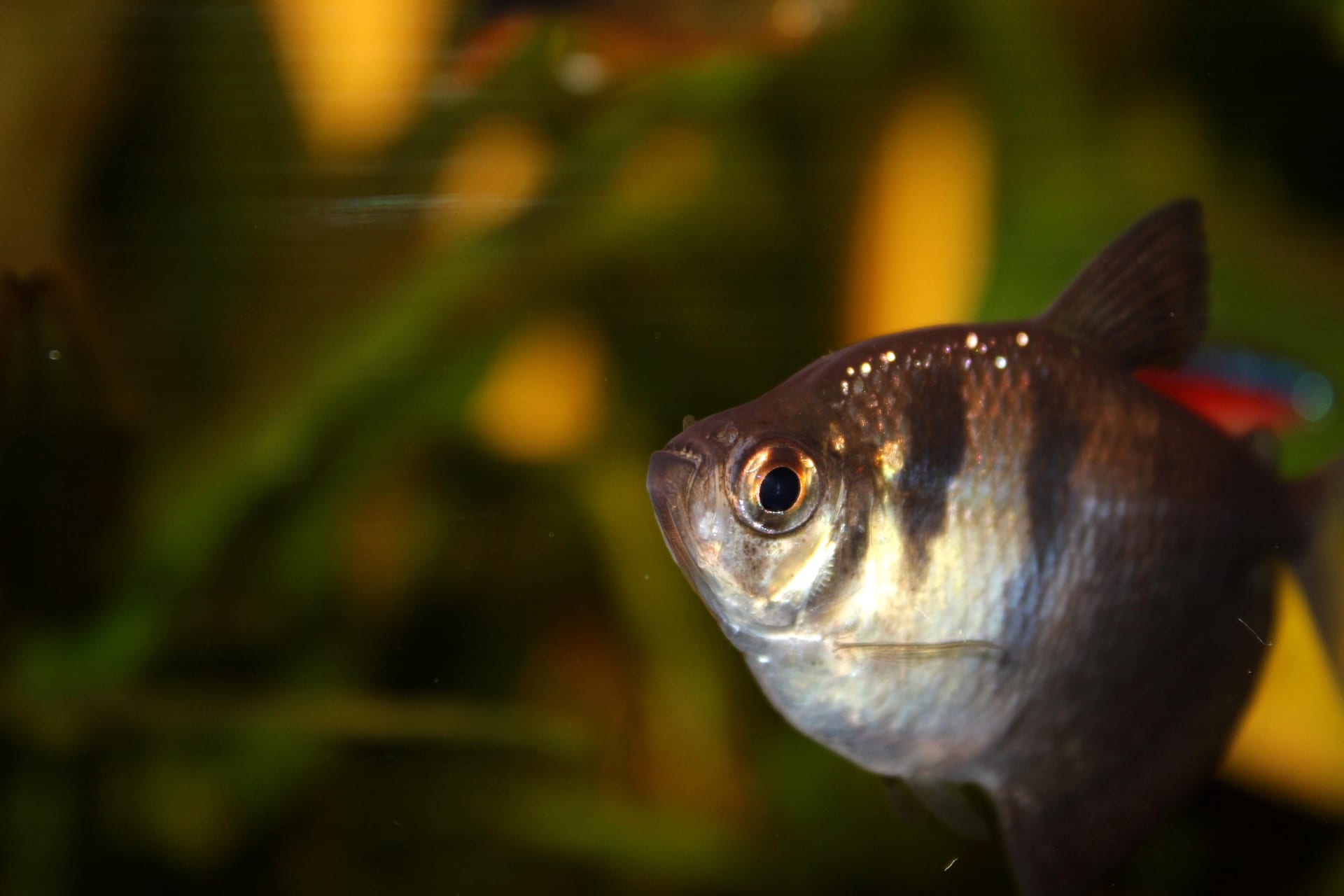
- Characins (such as black skirt tetras and cardinal tetras): 3–5 years. Like neon tetras, water quality management determines their lifespan.
For a ranking of popular species, see Tropical Fish Popular Species Ranking 2025.
Setting Up an Environment for Longevity
Temperature and water quality stability come first
The greatest factors determining tropical fish health are temperature and water quality stability. Most tropical fish prefer 24–26°C, but the issue lies not in the "temperature itself" but in "fluctuations." Temperature swings of 2°C or more per day create significant stress, leading to weakened immunity and diseases like ich.
- Summer: Use a chiller or cooling fan to keep the tank below 28°C (Tropical Fish Summer Water Temperature Management)
- Winter: Maintain 24–26°C with a heater and thermostat (Tropical Fish Winter Care and Cold Season Guide)
- Water changes: Perform 25–33% water changes once weekly. Dechlorinate new water and match its temperature before adding it to the tank.
Water quality is easily overlooked because it's invisible to the eye. Ammonia and nitrite accumulation puts fish in chronic stress. Clean your filter every 2–4 weeks and regularly vacuum the substrate with a siphon.
Selecting appropriate tank mates
The desire to house fish together is natural, but incompatible combinations shorten their lifespans. While referencing Tropical Fish Community Tank Guide, keep these points in mind:
- Avoid extreme size differences: Housing fish small enough to fit in another's mouth increases predation risk.
- Territorial species (bettas and cichlids) require solo or pair housing.
- Distribute fish across water columns to reduce conflict: Combining upper-level dwellers (gouramis), mid-water swimmers (tetras), and bottom-feeders (corydoras) uses space efficiently.
- Overcrowding isn't acceptable even with one species: A guideline is 10–15 liters of water per small fish.
Balanced diet management
Nutritional imbalances and overfeeding cause water quality deterioration and obesity, shortening lifespans.
- Use quality commercial pellets as a staple: Select foods suited to your species (sinking or floating).
- Add live or frozen foods 1–2 times weekly: Frozen bloodworms and brine shrimp have high palatability and excellent nutritional value.
- For herbivorous species (plecos and bushy-nose plecos): Spirulina-containing foods and vegetables (spinach and zucchini) are effective.
- Feed only what they'll consume in 2–3 minutes: Remove uneaten food promptly, as it degrades water quality.
Early Disease Detection is Key to Longevity
Tropical fish progress through illness quickly due to their small size. Establishing a daily observation habit enables early detection and intervention. For detailed information on common diseases and treatments, see Common Tropical Fish Diseases and Prevention Guide.
Signs of abnormality (easy-to-miss early symptoms)
- White spots or cotton-like growth on body → Ich or water mold
- Ragged, deteriorating fins → Columnaris (tail rot)
- Unsteady swimming or sinking to bottom → Internal organ disease or swim bladder issues
- Sudden loss of appetite → Stress or early infection
- Sudden color fading → Water quality issues, stress, or parasites
If you notice abnormalities, move the fish to a quarantine tank (treatment tank) and perform medicated baths appropriate to the condition. Standard over-the-counter treatments include Green F Gold or methylene blue. Early response dramatically improves recovery rates.
BreederDirect's Safe and Secure System
Extending a tropical fish's life begins with the quality of the individual at purchase. Fish from pet shops have passed through multiple shipments—breeder → importer → wholesaler → retailer—accumulating transport stress before reaching the shelf. By purchase time, they may already be exhausted.
BreederDirect offers a system allowing you to purchase directly from specialist breeders. Fish raised under a breeder's direct care have a clear developmental history and minimal transport. These individuals adapt more easily to new environments and settle quickly after purchase.
- Get information about care conditions and diet directly from the breeder: Pre-purchase communication reveals the fish's history, water parameters, and feeding practices, ensuring a smooth transition to your home aquarium.
- Rare and selectively-bred varieties are more accessible: You can encounter species and bloodlines unavailable at mass retailers.
- Comprehensive aftercare support: You can consult directly with the breeder after purchase, providing peace of mind even for beginners.
As you embark on a long journey with tropical fish, consider acquiring healthy individuals directly from a breeder as your first step.