Tropical Fish Food & Feeding Guide | Food Types & Feeding Tips by Species
Learn the appropriate food types and feeding methods for each diet type of tropical fish. This guide covers practical tips on using flakes, pellets, and frozen foods, feeding quantities, and feeding during travel.
Key Takeaways
Learn the appropriate food types and feeding methods for each diet type of tropical fish. This guide covers practical tips on using flakes, pellets, and frozen foods, feeding quantities, and feeding during travel.
Related Species
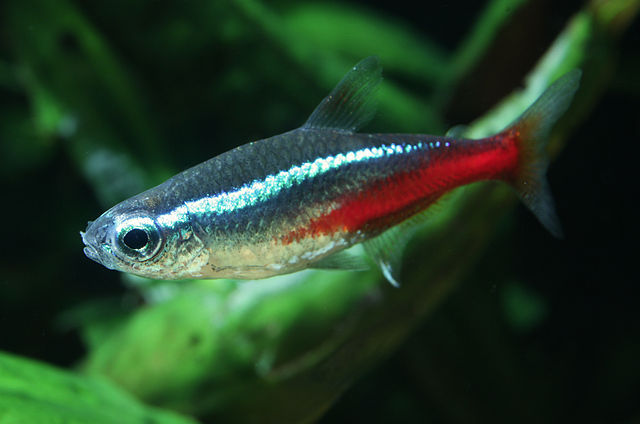
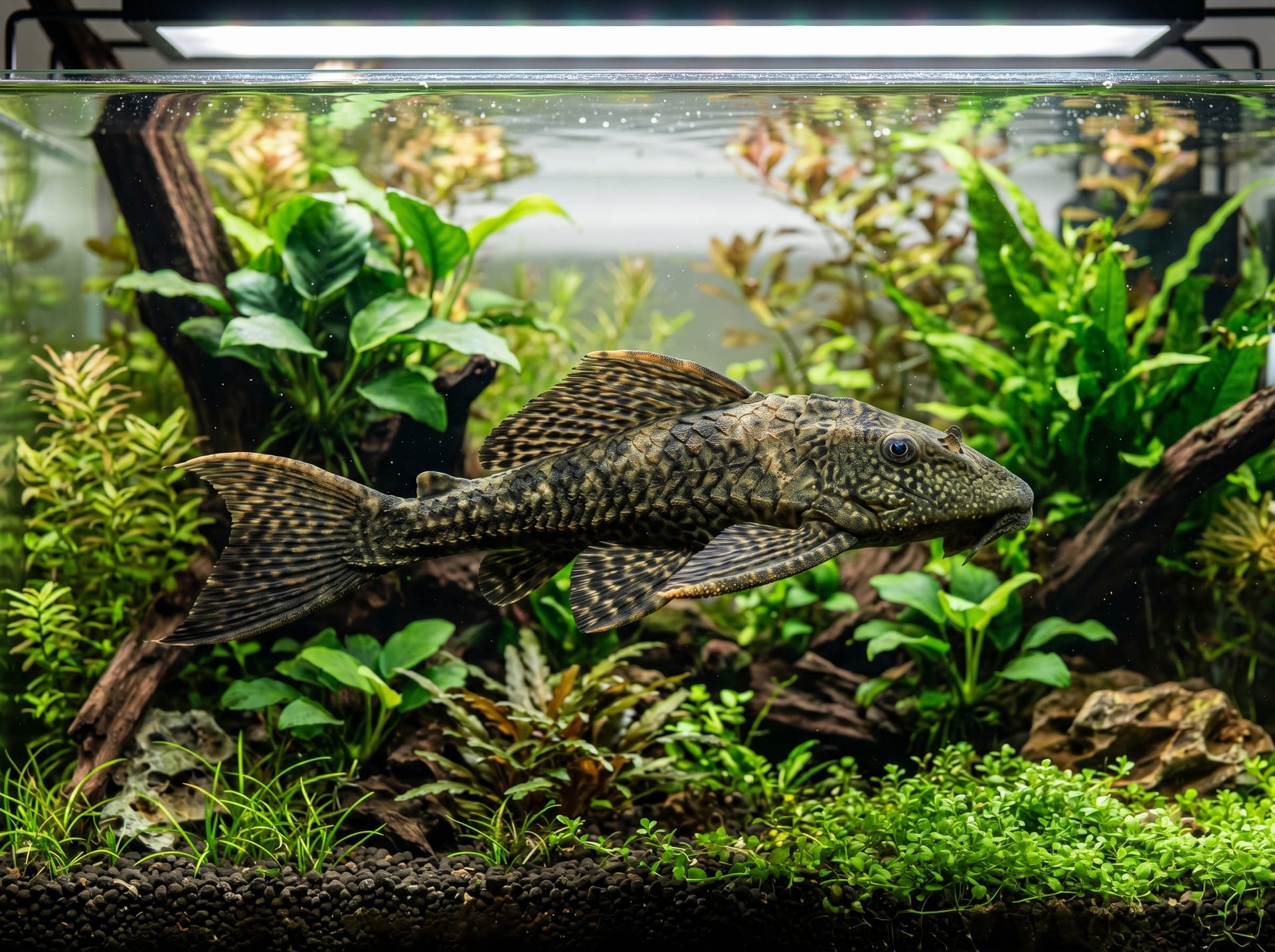
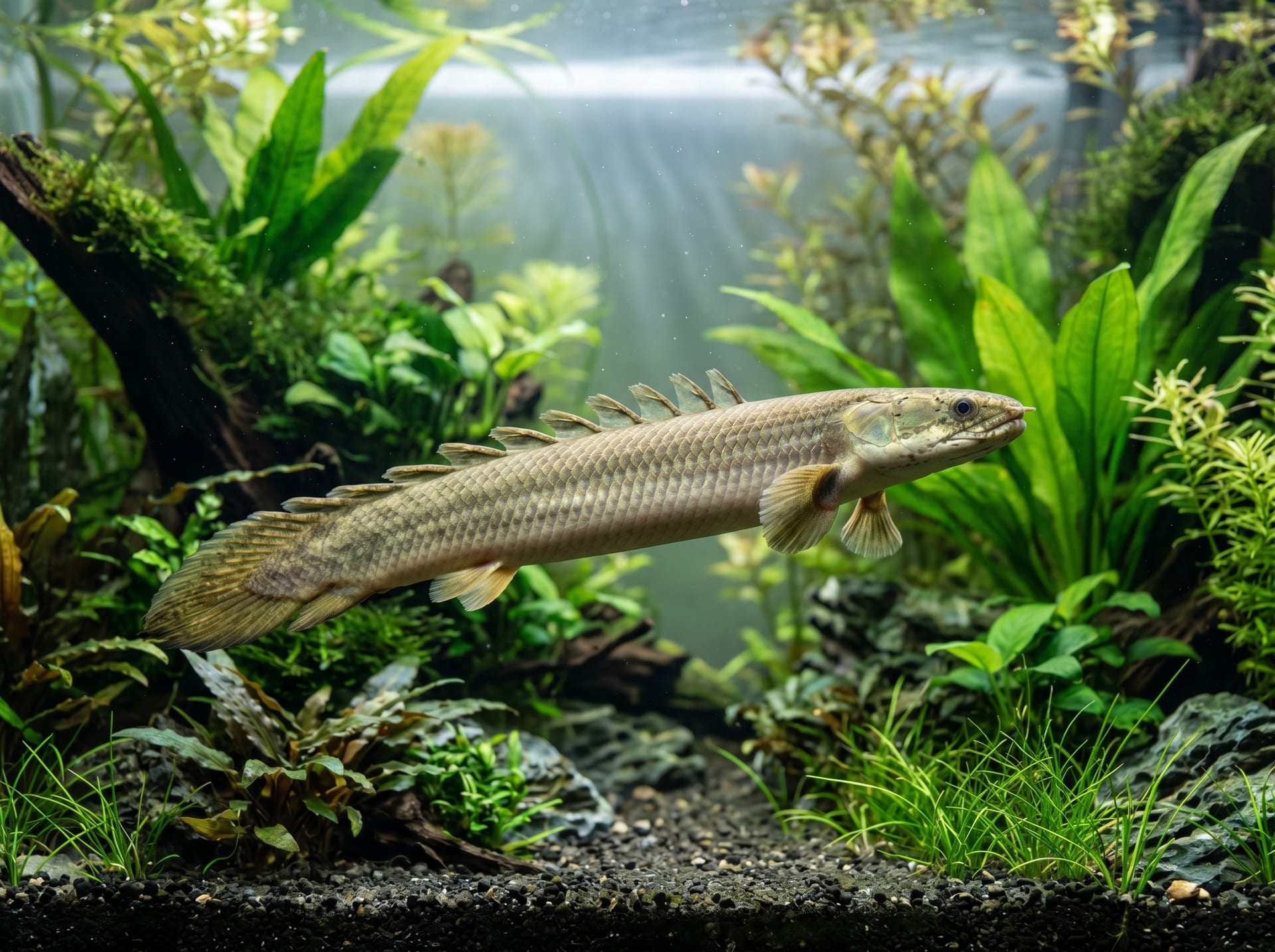
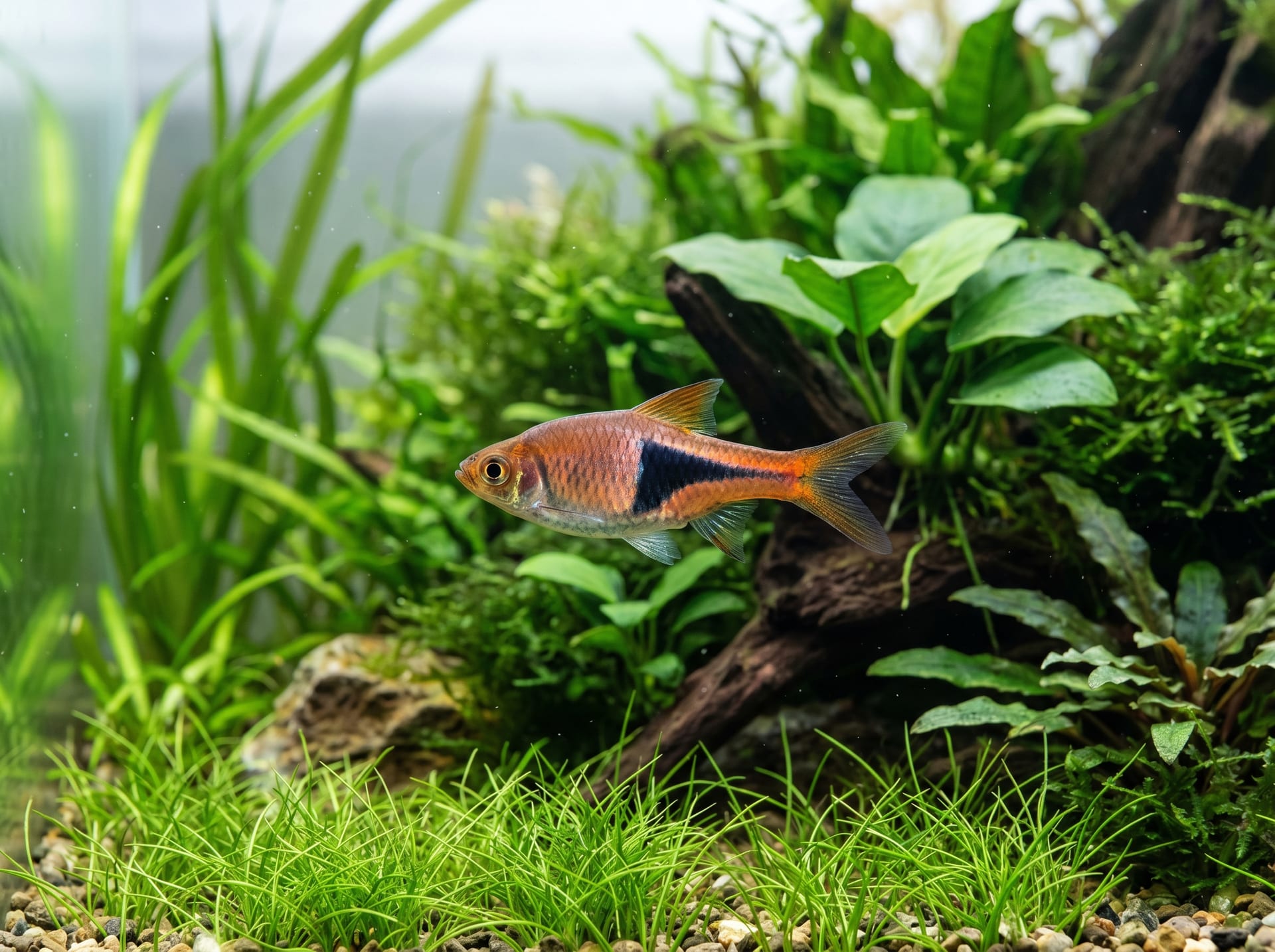
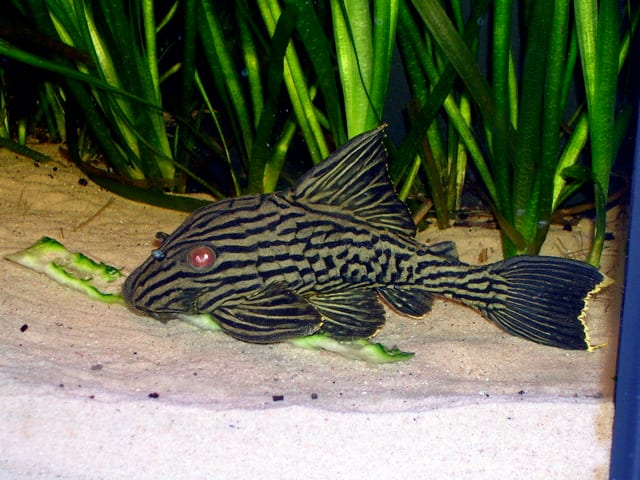
Feeding is one of the most fundamental and important management tasks for keeping tropical fish healthy and vibrant. Simply understanding "what food to give, how much, and when" can make a significant difference in your fish's lifespan and coloration. However, tropical fish have vastly different diets depending on the species, and the same food and quantity may work for some fish but not others. This article provides practical guidance on diet classification, food types, feeding frequency and quantity guidelines, and common beginner mistakes. Along with water quality management basics, feeding is one of the two pillars of tropical fish keeping.
Understanding Your Fish's Diet is the First Step to Proper Feeding
Before keeping tropical fish, it's essential to first understand "what this fish eats in nature." Feeding without regard to diet type can cause nutritional deficiencies and digestive problems, and may also lead to water quality degradation.
Tropical fish diets fall into three broad categories.
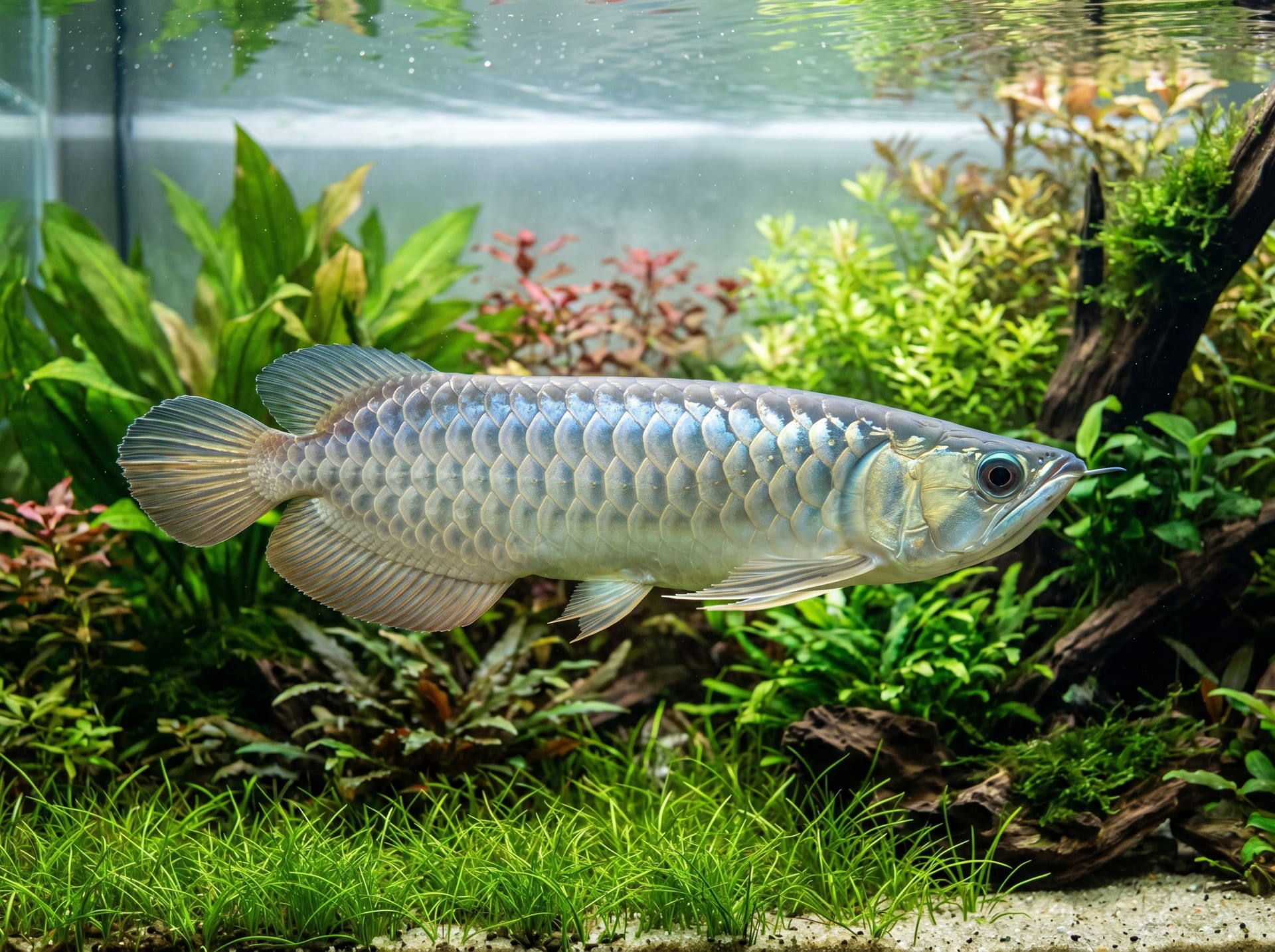
Carnivorous Examples include arowanas, piranhas, polypterus, and snakeheads. In nature, they prey on small fish, crustaceans, and insects. Many carnivorous species take time to adapt to artificial foods, so live food and frozen food are typically the main diet. While they prefer food rich in protein, they have difficulty digesting plant-based foods with high carbohydrate content.
Herbivorous (Plant-Eating) Some plecos (such as royal plecos and tiger plecos) and algae-eating cichlids fall into this category. They prefer spirulina-based tablets and vegetables (spinach, zucchini, etc.) that are high in plant fiber. Feeding only animal-based protein can damage their digestive system, so caution is needed.
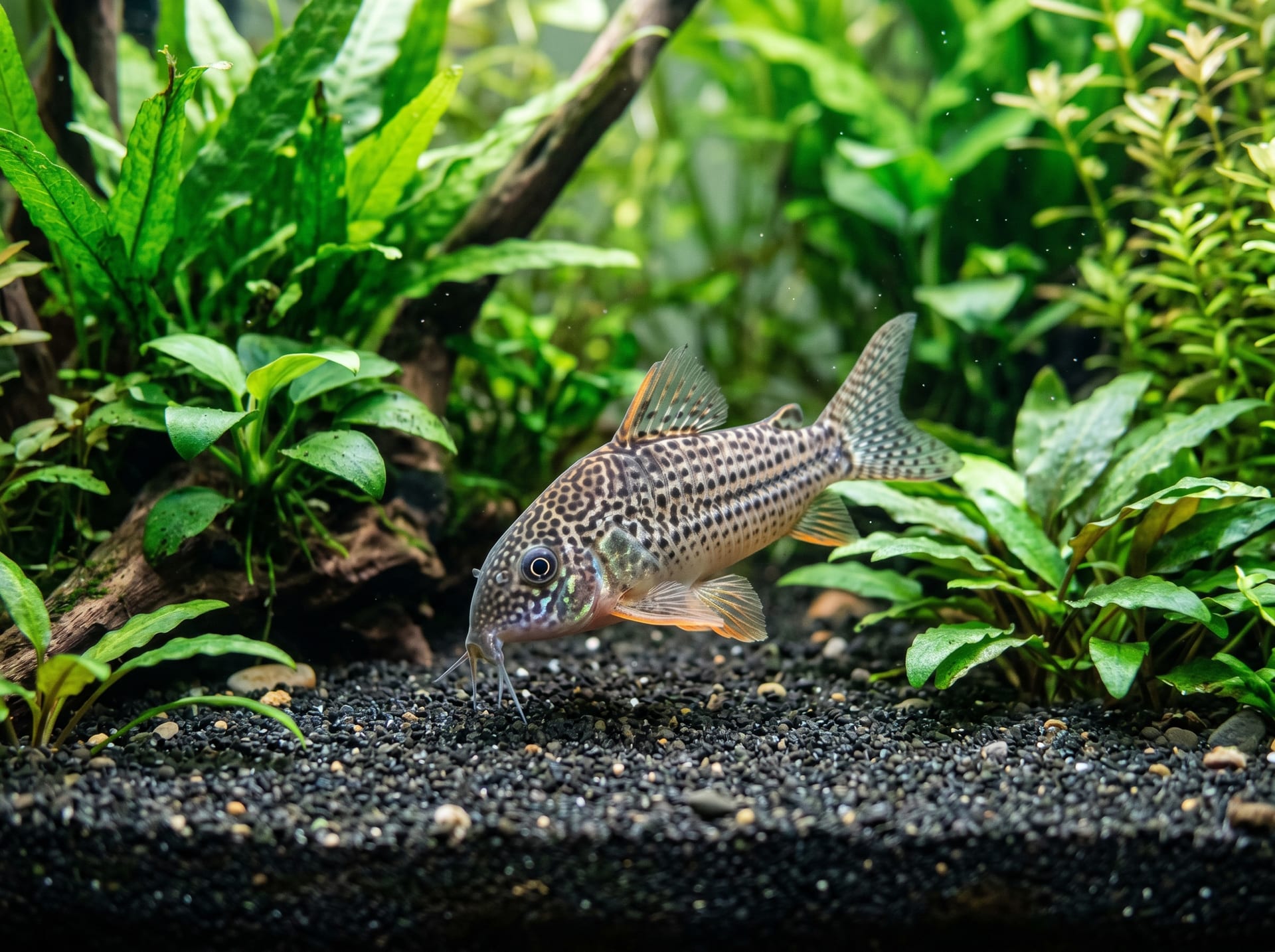
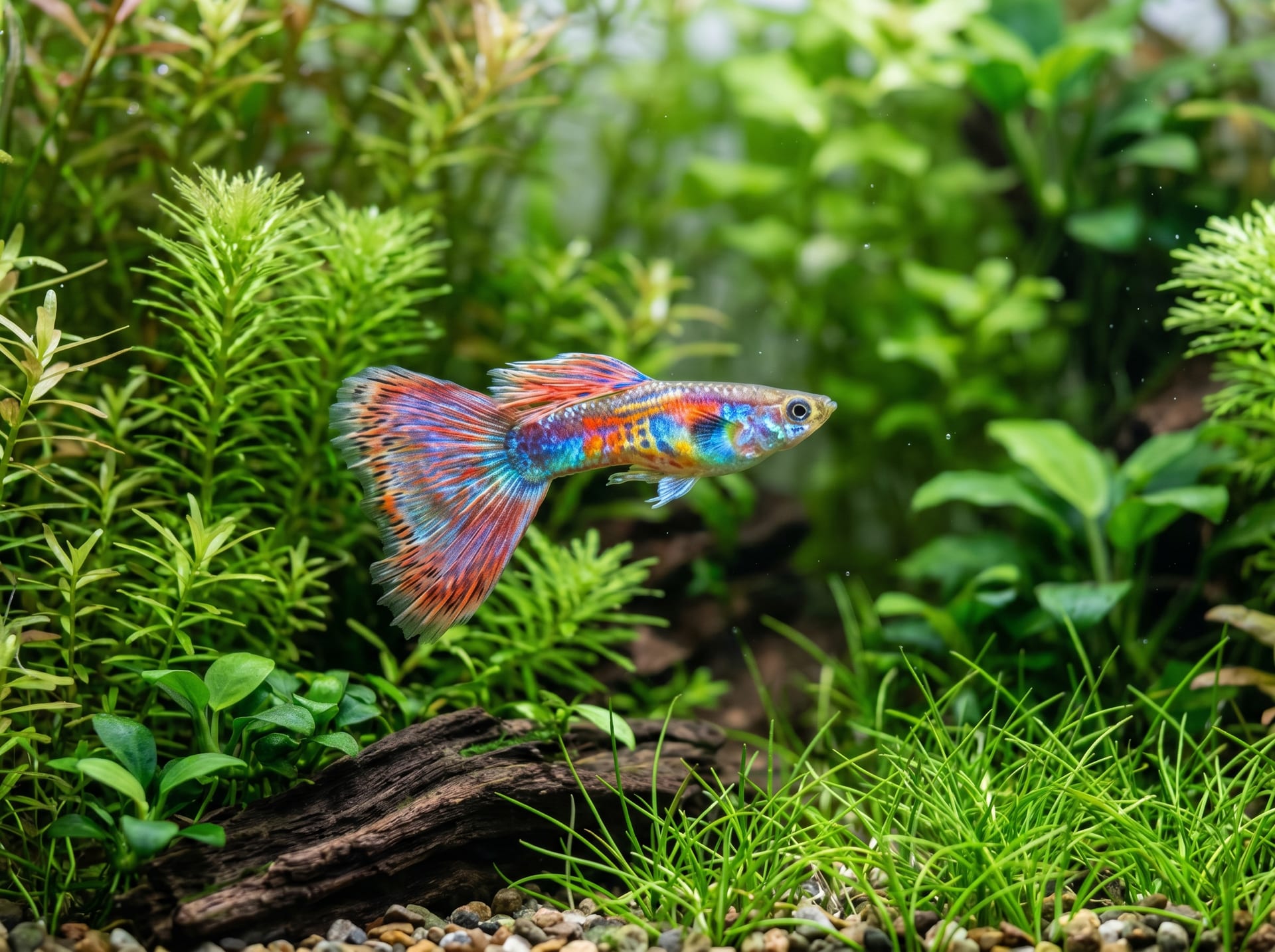
Omnivorous Most tropical fish kept in home aquariums—including guppies, neon tetras, corydoras, rasboras, and bettas—fall into this category. Since they eat both animal and plant matter, they are relatively easy to keep on general-purpose artificial foods. However, even omnivorous fish have species-specific preferences and nutritional requirements, so specialized pellets will yield better results.
Main Food Types and How to Choose
Tropical fish foods come in many varieties on the commercial market. Understanding the characteristics of each will help you select the best option for your fish.
Flake and Pellet Artificial Foods
These are the most widely used standard foods. They are nutritionally balanced, easy to store, and beginner-friendly.
- Flake type: Spreads easily on the water surface and suits fish that swim in the upper to middle water column. However, they dissolve quickly in water, so uneaten food must be removed promptly.
- Floating pellets: Suitable for medium to large fish. You can select pellet sizes that suit slower-eating fish.
- Sinking tablets and pellets: Designed for bottom-dwelling fish like corydoras and plecos. They sink slowly to the tank floor where fish nibble on them.
Frozen Foods (Bloodworms, Daphnia, Copepods, etc.)
Frozen bloodworms (akamushi) are highly palatable and effective for fish with reduced appetite. Rich in protein and amino acids, they also enhance body coloration. Frozen daphnia has fine particles suitable for fry and small fish, with excellent digestibility.
When using frozen foods, thaw thoroughly in flowing water or tank water before feeding. Overfeeding causes water quality to deteriorate rapidly, so use small amounts per feeding.
Live Foods (Brine Shrimp, Tubifex Worms, etc.)
Hatching and feeding brine shrimp eggs is a standard method for initial fry feeding. The movement of live food stimulates a fish's natural hunting instinct, promoting appetite and breeding. Tubifex worms are highly palatable but difficult to manage, and carry risks of pathogens and parasites, so purchase from reliable sources.
Dried and Freeze-Dried Foods
Freeze-dried bloodworms and daphnia that offer palatability close to frozen foods while allowing room-temperature storage. Some types are rehydrated before feeding, while others float on the water surface as-is. These are ideal when you want both convenience and palatability.
Proper Feeding Frequency and Quantity Guidelines
The most common feeding mistake is overfeeding. Even if fish appear hungry, they often consume far less than expected, and uneaten food becomes a source of ammonia that rapidly degrades water quality. From a tropical fish water quality management perspective, controlling feeding amounts is essential.
Basic Feeding Rules
- Frequency of 1 to 2 times per day is standard. Small fish and fry have high metabolisms and benefit from twice-daily feeding, while large fish do well with once daily.
- Feed an amount that fish can consume within 2 to 3 minutes. If food remains beyond this, reduce the amount next time.
- Remove uneaten food the same day. Use a siphon or net to carefully remove even food that has sunk to the bottom to maintain water quality.
Benefits of a Fasting Day
Many aquarists recommend designating one day per week as a "fasting day" when no food is given. Resting the digestive system reduces stress on internal organs and promotes long-term health. It also helps stabilize water quality.
Feeding Tips and Common Beginner Mistakes
Feed at the Same Time Every Day
Fish remember routines better than expected. Feeding at consistent times will cause fish to gather at the surface, making it easier to notice changes in appetite or signs of illness. A sudden drop in appetite may indicate water quality problems or disease, so check water temperature, ammonia, and nitrite levels promptly. See tropical fish disease and troubleshooting for more information.
Feeding Strategies in Community Tanks
In tanks with multiple species, pay attention to differences in swimming levels and eating habits. Upper and middle-level fish may consume all flake food before it reaches bottom-dwellers like corydoras or plecos. Feeding sinking tablets separately to bottom-dwellers or adding supplemental food after lights out is effective. Knowledge of tropical fish mixed-species tanks can also inform feeding strategies.
Handling Travel and Extended Absence
Healthy adult fish can survive 1 to 2 days without food. For absences of 3 days or more, an automatic feeder is worthwhile. Timer-controlled auto feeders dispense set amounts at scheduled times, improving management stability. However, even with an auto feeder, keep portion sizes conservative.
Summer Feeding Management in 2026
During high water temperatures, fish metabolism increases while dissolved oxygen decreases, making water quality more prone to deterioration. In summer, feed slightly less and be especially diligent about removing uneaten food. Refer to tropical fish summer care for additional guidance.
Foods to Never Feed
Never feed human foods like bread or rice. Salt, oil, and additives severely pollute water and are harmful to fish. When feeding vegetables, wash thoroughly and blanch first, as pesticide residue may be present.
Conclusion
The key to tropical fish feeding is following the basics: "understand the diet type, provide appropriate food, feed small amounts, and maintain a regular schedule." Overfeeding does more harm than good—it leads to water quality degradation, disease, and shortened lifespans. Conversely, feeding high-quality food suited to your fish's diet at the proper frequency dramatically improves body coloration and activity levels.
The quality of your initial setup also significantly impacts fish health. At BreederDirect, you can purchase tropical fish directly from breeders who prioritize proper feeding and husbandry. You can confirm feeding practices and care methods directly with the breeder before purchase, making it safe for beginners to get started. Find your ideal fish to brighten your aquarium at BreederDirect.