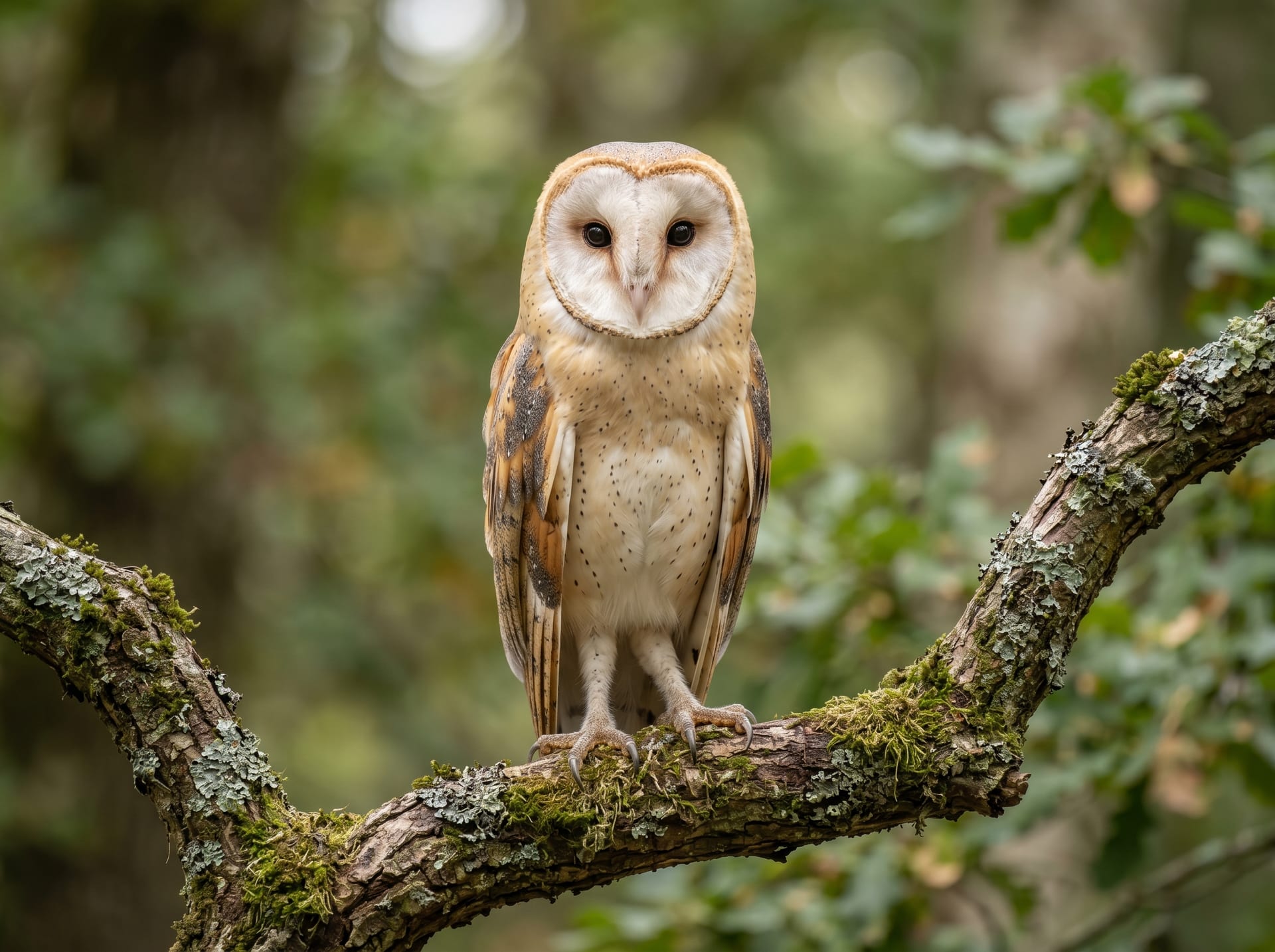
Owl
Owls are independent, quiet raptors whose round eyes and calm presence captivate many enthusiasts. Unlike dogs or cats, they are not affectionate pets that seek physical contact — they are best enjoyed as a "coexistence companion" observed from a respectful distance. Proper knowledge and a well-prepared environment are essential before bringing one home.
- Price Range
- ¥210,000〜¥210,000
0% commission on your first sales!Register by September 30, 2026 and your first 2 sales are commission-free!
Breeder Wanted!
List on BreederDirect and sell directly to customers nationwide!
Six Transparency Commitments from BreederDirect
All Birds listings include complete Breeder transparency: hand-raised status, DNA sex determination, and health certification details.
- Hand-Raised
- DNA Sex-Determined
- Health Certified
- Origin Disclosed
- Color Variation Specified
- Age in Months Disclosed
Browse all 35 breeds
Care Level
No listings match your filters
Adjust your filters, or get notified when new listings arrive.
Getting alerts is free with a member account. When new listings match your saved search, we'll notify you by email and in-app.
Browse other categories
Verified breeders (preview)
About Owl
Owls comprise roughly 250 species of raptor found across the globe, revered for millennia as symbols of wisdom and mystery in cultures worldwide. In Japan, species such as the Oriental scops owl and brown hawk-owl have long been familiar birds, while barn owls and tawny owls are growing in popularity as pets. Their most distinctive features include a facial disc that funnels sound to asymmetrically placed ears for pinpoint directional hearing, and a skeletal structure allowing the head to rotate up to 270 degrees. Plumage ranges from the pure white of the snowy owl to the intricate brown mottling of barn owls, with body lengths spanning from 20 cm in the little owl to over 70 cm in larger species. By nature cautious and solitary, owls take time to trust, but an acclimated individual may rest calmly on the hand. Their serene presence and penetrating gaze offer a depth of companionship unlike any conventional pet — one best appreciated by those who value a slow-building, observational relationship.
7 things to know before welcoming a Owl
1Wild Instincts Remain
Owls are raptors that retain strong wild instincts — they are not domesticated animals selectively bred over generations. Sudden movements or loud noises can cause significant stress. It is important to understand that they may become accustomed to you, but rarely become affectionate in the way traditional pets do.
2Nocturnal Lifestyle
Most owl species are nocturnal, becoming active and vocal at night. Depending on your living situation, nighttime noise could become an issue for neighbors. Before acquiring an owl, carefully consider whether their activity schedule is compatible with your lifestyle and housing conditions.
3Dedicated Space Required
As flying raptors, owls require a spacious cage or flight room large enough for them to spread their wings and move freely. Standard small-bird cages are not suitable; dedicated housing sized appropriately for the species is essential. Attention to flooring materials and perch types is also important to minimize stress on their feet.
4Raw or Frozen Prey Diet
The primary diet for owls typically consists of thawed frozen prey such as mice or chicks. Managing leftovers and "pellets" (regurgitated bones and feathers) is a routine part of daily care. Commercial pet food does not meet their nutritional needs, so securing a reliable source of appropriate prey items before acquiring an owl is essential.
5Finding a Vet Is Challenging
Veterinarians capable of treating owls are quite limited; you will need to locate an exotic animal or raptor specialist clinic before an emergency arises. Owls also tend to conceal signs of illness, making regular health check-ups particularly important. Knowing in advance which clinic can handle urgent situations provides crucial peace of mind.
6High Initial and Ongoing Costs
The purchase price of owls varies widely by species, ranging from tens of thousands to hundreds of thousands of yen, and setting up appropriate housing and equipment adds further expense. Monthly costs for food, utilities, and veterinary care can amount to a substantial ongoing commitment. Carefully budgeting for long-term expenses is an important part of the decision-making process.
7Check Legal Regulations First
Certain owl species are regulated under CITES (the Convention on International Trade in Endangered Species) or domestic wildlife protection laws, requiring that you obtain them only through legally compliant channels. Some species may require special permits for keeping or transferring ownership. Always acquire an owl from a reputable breeder or seller with proper documentation.
Frequently asked questions about Owl
- Q.Can owls become attached to their owners?
- A.With consistent, calm daily interaction many owls grow accustomed to their keeper, though they rarely seek affection the way dogs do. The relationship is built on accumulated trust — an owl choosing to stay near you rather than flee. Forced handling causes stress, so always follow the bird's pace.
- Q.Do I need permits or registration to keep an owl?
- A.Depending on the species, CITES Appendix I or II listing means documentation proving legal import and sale is required. Obtain and retain all certificates from the seller at the time of purchase. For any uncertainty, consult your prefectural wildlife authority or a specialist breeder.
- Q.How much daily care time does an owl require?
- A.Daily feeding (including thawing time), pellet removal, water changes, and cage cleaning typically take 30–60 minutes. Additional handling and observation sessions help build trust. Since most owls become active toward evening, scheduling care around their natural rhythm is ideal.
- Q.How long do owls live?
- A.Lifespan varies by species; barn owls typically live 15–20 years in captivity, while tawny owls have been recorded living over 25 years. Captive owls generally outlive wild counterparts, and proper diet, environment, and veterinary care significantly influence longevity. Welcoming an owl means committing to decades of care.
- Q.Can I keep multiple owls together?
- A.Owls are fundamentally solitary and cohabitation — even within the same species — risks territorial disputes and injury. Housing species of different sizes together is particularly dangerous. As a general rule, keep each owl in a separate enclosure, and consider cohabitation only with substantial experience and appropriate facilities.
Useful tools for Owl care
Owl related articles
Owl & Eagle Owl Feeding Guide: Practical Techniques for Frozen Mice, Pellets, and Weight Management
A comprehensive guide to essential feeding management for owls and eagle owls. This practical guide covers frozen mouse selection, thawing methods, feeding frequency, normal and abnormal pellet (casting) signs, the importance of weight management, and common health issues and prevention strategies for raptor care.
A Beginner's Guide to Keeping Owls at Home | Understanding Proper Environment, Diet, and Legal Regulations
Explains essential knowledge before welcoming an owl as a pet. This guide covers proper cage and perch setup, feeding methods for live and frozen prey, Japan's legal regulations (Species Protection Law and CITES), the challenges of keeping owls, and associated costs.
More in this category
Can't find the one you're looking for?
Post your wishes for free and breeders with matching animals will contact you with introductions.