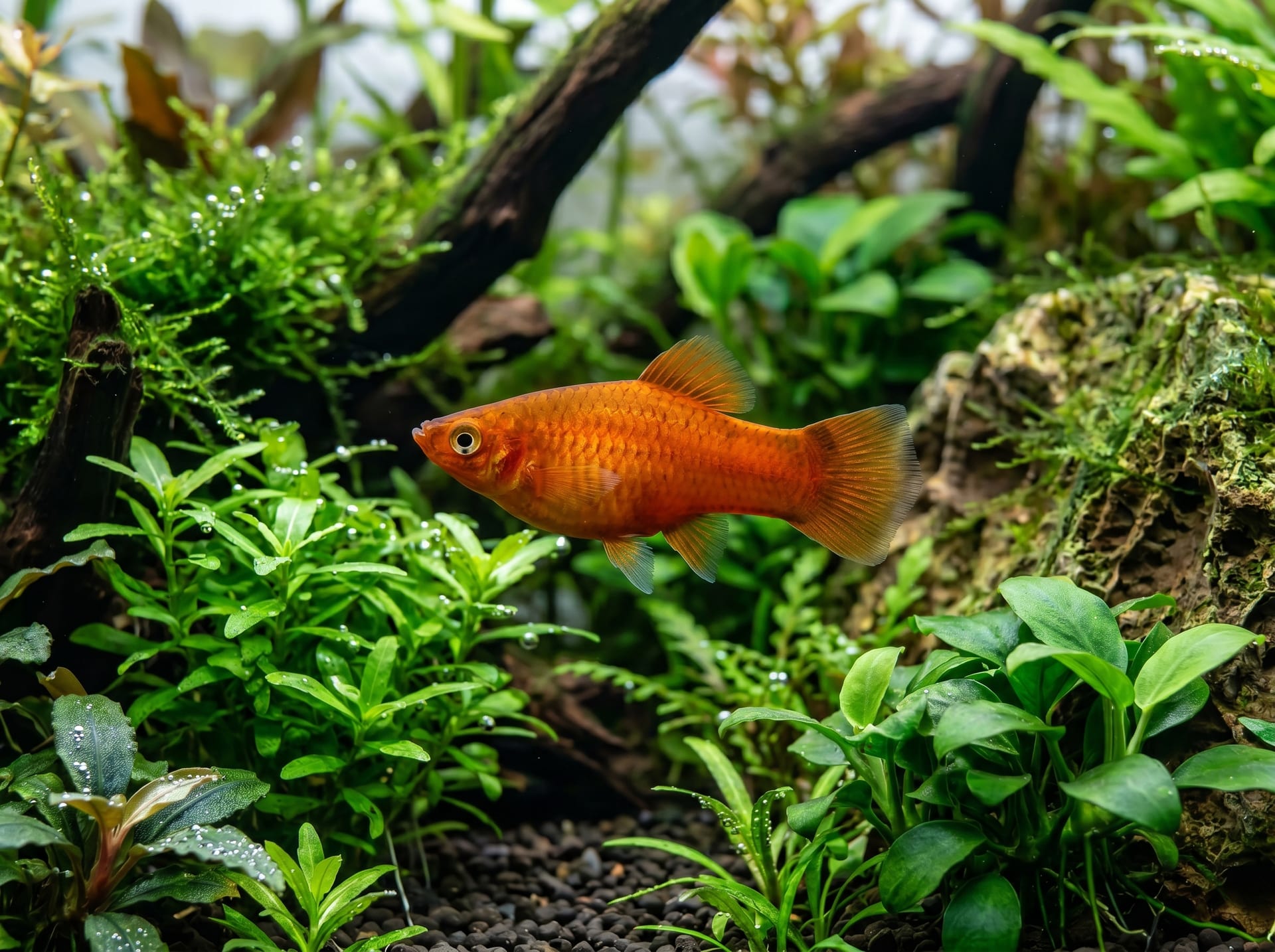
Livebearer (Platy / Molly)
Livebearers such as platys and mollies are tropical fish that give birth to live fry rather than laying eggs, and are popular among beginners for their vibrant colors and peaceful temperament. They are hardy fish with reasonable adaptability to varying water conditions, making them well-suited for community tanks. They are also known for offering an accessible breeding experience, as fry can appear naturally without special intervention.
0% commission on your first sales!Register by September 30, 2026 and your first 2 sales are commission-free!
Breeder Wanted!
List on BreederDirect and sell directly to customers nationwide!
Our 6 Transparency Commitments
All Tropical Fish listings include water quality, temperament, and tank size information from verified Breeder.
- Origin Disclosed
- Real Photos
- Water Quality Disclosed
- Recommended Tank Size
- Temperament Disclosed
- Breed Line Disclosed
Browse all 27 breeds
Water Type
Care Level
No listings match your filters
Adjust your filters, or get notified when new listings arrive.
Getting alerts is free with a member account. When new listings match your saved search, we'll notify you by email and in-app.
Browse other categories
Verified breeders (preview)
Are you raising tropical fish?
Register as a breeder and connect with buyers directly.
Apply as a breederAbout Livebearer (Platy / Molly)
Livebearers is a collective term for tropical fish—including platies, mollies, guppies, and swordtails—that incubate eggs internally and give birth to free-swimming fry. Native to rivers and lakes from Central to South America, they were introduced to Europe in the late 19th and early 20th centuries and quickly became popular aquarium fish. Decades of selective breeding have produced a vast array of color forms and fin shapes, from vibrant reds and yellows to metallic blues and solid blacks. Their peaceful, sociable nature makes them an excellent choice for beginner community tanks. Perhaps the greatest appeal of keeping livebearers is the ease of breeding—simply housing males and females together is often enough for fry to appear naturally. Witnessing new life emerge in your own aquarium is an experience that continues to captivate hobbyists of all ages.
7 things to know before welcoming a Livebearer (Platy / Molly)
1Live-bearing Reproduction
Livebearers incubate eggs internally and give birth to free-swimming fry. They reproduce readily, and fry may appear unexpectedly in a community tank, so it is worth planning ahead for population management. Newborn fry are sometimes eaten by adult fish, so a separate rearing tank or dense plants can help protect them.
2Water Quality and Temperature
Platys prefer slightly alkaline water (pH 7.0–8.0) and a temperature of around 24–28°C. Mollies can be sensitive to water quality degradation, so regular water changes and adequate filtration are essential. Some varieties prefer brackish water, so it is advisable to check the specific requirements of the species you plan to keep.
3Peaceful Community Fish
Livebearers are generally peaceful and suitable for community tanks with other calm, similarly sized fish. However, care should be taken when housing them with fin-nipping species. Males of the same species may occasionally quarrel, so providing sufficient swimming space is recommended when keeping multiple males.
4Sexing Males and Females
Males possess a modified anal fin called a gonopodium, making sex identification relatively straightforward by observing the underside. Females tend to be slightly larger with a rounder abdomen. If you wish to control breeding, ask store staff to help identify the sex of individuals at the time of purchase.
5Initial and Running Costs
Platys and mollies are widely available and can often be purchased for a few hundred yen per fish. Basic equipment includes a tank, filter, heater, and light, and a 30–45 cm tank is a manageable starting point. Ongoing costs mainly cover electricity, food, and water treatment supplies, typically ranging from a few hundred to around 1,000–1,500 yen per month.
6Diet and Feeding Notes
They are omnivores that readily accept commercial tropical fish flakes, but they also benefit from plant matter in their diet. Algae-based foods or blanched spinach offered occasionally can help maintain good condition. Feed once or twice daily in amounts they can finish within two to three minutes to avoid leftover food degrading water quality.
7Disease Signs and Prevention
White spot disease (ich), characterized by small white dots on the body, is a common ailment in livebearers, often triggered by sudden temperature changes or deteriorating water quality. Quarantining new fish in a separate tank before introducing them to the main tank can reduce the risk of introducing disease. Regular observation of swimming behavior and appetite helps with early detection of any health issues.
Frequently asked questions about Livebearer (Platy / Molly)
- Q.Can beginners successfully breed livebearers?
- A.Yes, simply keeping males and females together will often result in natural breeding. However, fry are easily eaten by adults, so adding dense plants or a breeder box will significantly improve survival rates.
- Q.Can platies and mollies be kept in the same tank?
- A.Generally yes, they can coexist. However, since mollies prefer slightly brackish conditions, if you add aquarium salt, keep the amount minimal to avoid stressing the platies.
- Q.When can fry be moved in with adult fish?
- A.Fry are generally safe to introduce to adults once they reach about 1.5–2 cm in length. Until then, raise them in a breeder box or a separate fry tank, then move them over once they are large enough not to be eaten.
- Q.How many fish should I start with?
- A.For platies, a 45 cm tank can comfortably house 4–6 fish of mixed sexes. Keep in mind that numbers will grow through breeding, so avoid overstocking from the start. Having more females than males helps distribute the stress of male pursuit.
- Q.How often should I feed livebearers?
- A.Feed twice daily in amounts eaten within 2–3 minutes. Remove leftover food with a turkey baster or siphon after each feeding to prevent water quality issues. A weekly fasting day can help keep their digestive systems in good condition.
Useful tools for Livebearer (Platy / Molly) care
Livebearer (Platy / Molly) related articles
Endler's Livebearer Complete Catalog | Complete Guide to Strains from N-Class to P-Class and Hybrids
A comprehensive catalog of Endler's livebearer strains covering N-Class, P-Class, and hybrids. This guide also explains how to maintain pure bloodlines and presents options for rehoming or selling excess fish.
Endlers Livebearer Complete Breeding Guide: Fry Rearing, Broodstock Management, and Color Maintenance
A comprehensive guide to breeding Endlers Livebearers (Endlers Guppies). Covers parturition cycles, fry isolation and rearing, broodstock health management, and selection methods to maintain pure N-class coloration, written from a breeder's perspective.
Endler's Livebearers Genetics Guide | Maintaining N-Class and Selective Breeding
Explaining Endler's Livebearer genetics and breed management. Introduces methods for maintaining pure N-Class and preventing hybridization with guppies.
More in this category
Can't find the one you're looking for?
Post your wishes for free and breeders with matching animals will contact you with introductions.