Endlers Livebearer Complete Breeding Guide: Fry Rearing, Broodstock Management, and Color Maintenance
A comprehensive guide to breeding Endlers Livebearers (Endlers Guppies). Covers parturition cycles, fry isolation and rearing, broodstock health management, and selection methods to maintain pure N-class coloration, written from a breeder's perspective.
Key Takeaways
A comprehensive guide to breeding Endlers Livebearers (Endlers Guppies). Covers parturition cycles, fry isolation and rearing, broodstock health management, and selection methods to maintain pure N-class coloration, written from a breeder's perspective.
Related Species
Endlers Livebearer Complete Breeding Guide
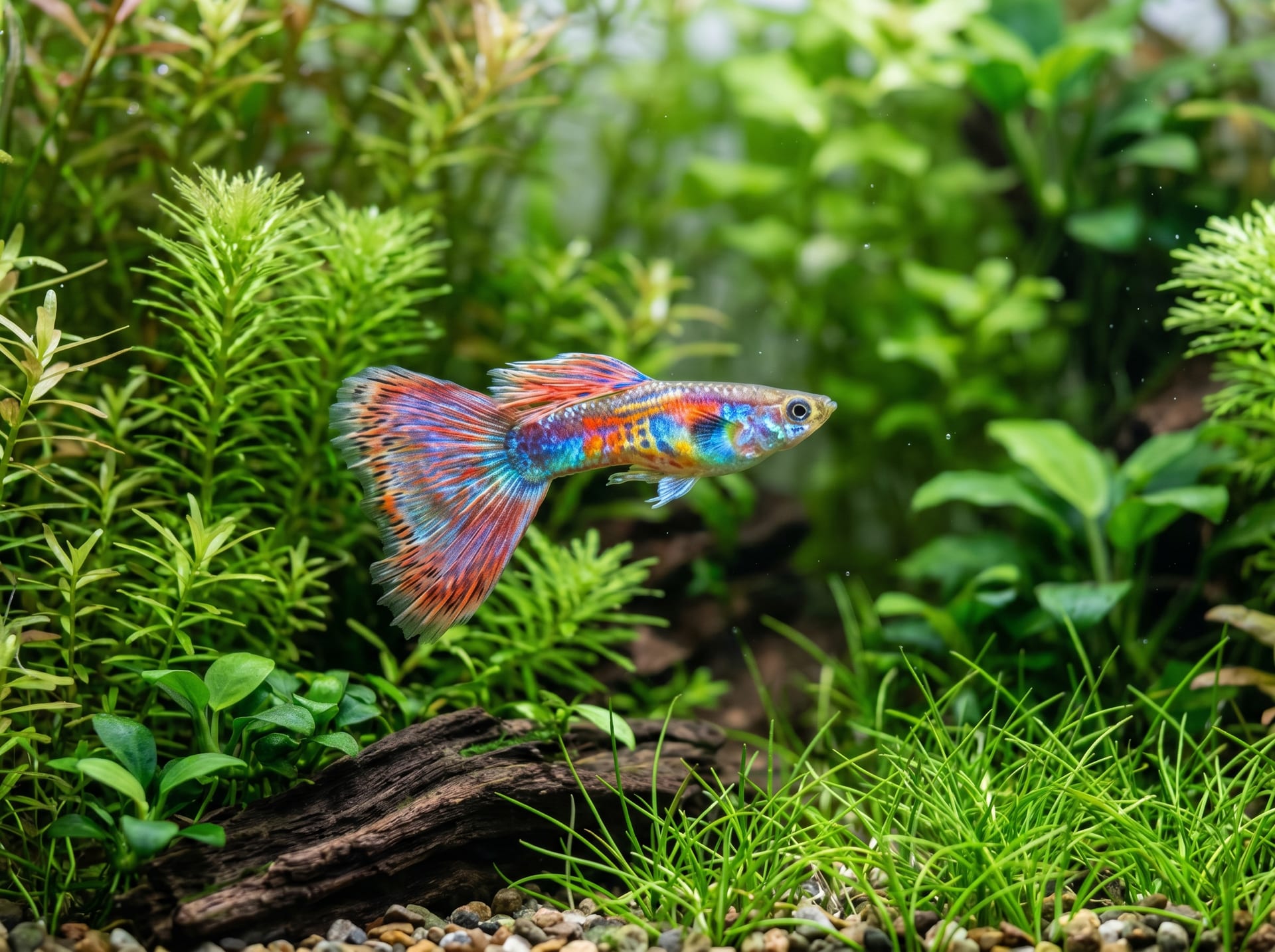
The Endlers Livebearer (Poecilia wingei) is a small livebearing killifish native to Laguna de los Patos in the Paria Peninsula, Venezuela. While closely related to guppies, they possess distinctive patterns and hardiness, making them popular with breeders worldwide for their ease of reproduction. This article covers practical breeding techniques, from fry management to maintaining pure N-class coloration.
Endlers' Basic Breeding Cycle
Breeding Basics
Endlers are livebearers—females incubate eggs internally and give birth to fully formed fry. Sexual maturity occurs at 2–3 months of age (when males develop full coloration), with an optimal temperature around 28°C.
Parturition Cycle
- Gestation period: Approximately 23–28 days
- Brood size: 5–30 fry per birth (varies by female maturity and condition)
- Parturition frequency: Approximately monthly (females store sperm, allowing a single mating to result in multiple broods)
Pregnant females develop a distended abdomen and display a dark area known as the gravid spot toward the rear of the belly. As parturition approaches, females become less active and tend to remain stationary in corners.
Setting Up a Breeding Environment
Preparing Birthing and Rearing Tanks
- Tank size: 30–45 cm tanks are ideal for breeding (tanks that are too large make fry difficult to observe)
- Temperature: 26–28°C (maintain stability with a heater)
- pH: 7.0–7.5
- Filtration: Sponge filter recommended (prevents fry from being sucked into the intake)
Refuge for Fry
Broodstock often cannibalize fry. Densely planting willow moss, watersprite, and floating plants (such as water hyacinth) dramatically improves fry survival rates.
Rearing Fry
Timing for Fry Isolation
When a female is close to giving birth, move her to a breeding net or isolation box. However, moving stress can delay parturition, so naturally rearing fry in an environment densely planted with aquatic plants is also effective.
Feeding Fry
- First week: Powdered food (fine particles), infusoria, and newly hatched brine shrimp
- Two weeks onward: Finely crushed flake food and daphnia
- One month onward: Standard flake food (small granule size)
Feed small amounts 2–3 times daily, removing uneaten food immediately to prevent water quality degradation.
Growth Management
Sex determination becomes possible at 2 weeks of age. Once males begin to develop coloration (1–1.5 cm), begin selective breeding based on your goals.
Maintaining Pure N-Class Coloration
Endlers' N-class (pure wild-type) is managed under international standards, with hybrids between guppies and Endlers classified as P-class and individuals of unknown origin as K-class.
Maintaining N-Class: Key Points
- Separation from guppies: Do not keep guppies in the same tank
- Bloodline record management: Document the origin of broodstock
- Avoid inbreeding: Do not continue the same pair lineage for more than three generations
- Establish selection criteria: Record color patterns, body shape, and fin morphology; do not use non-standard individuals for breeding
Selecting Popular Color Variations
Endlers display diverse color patterns.
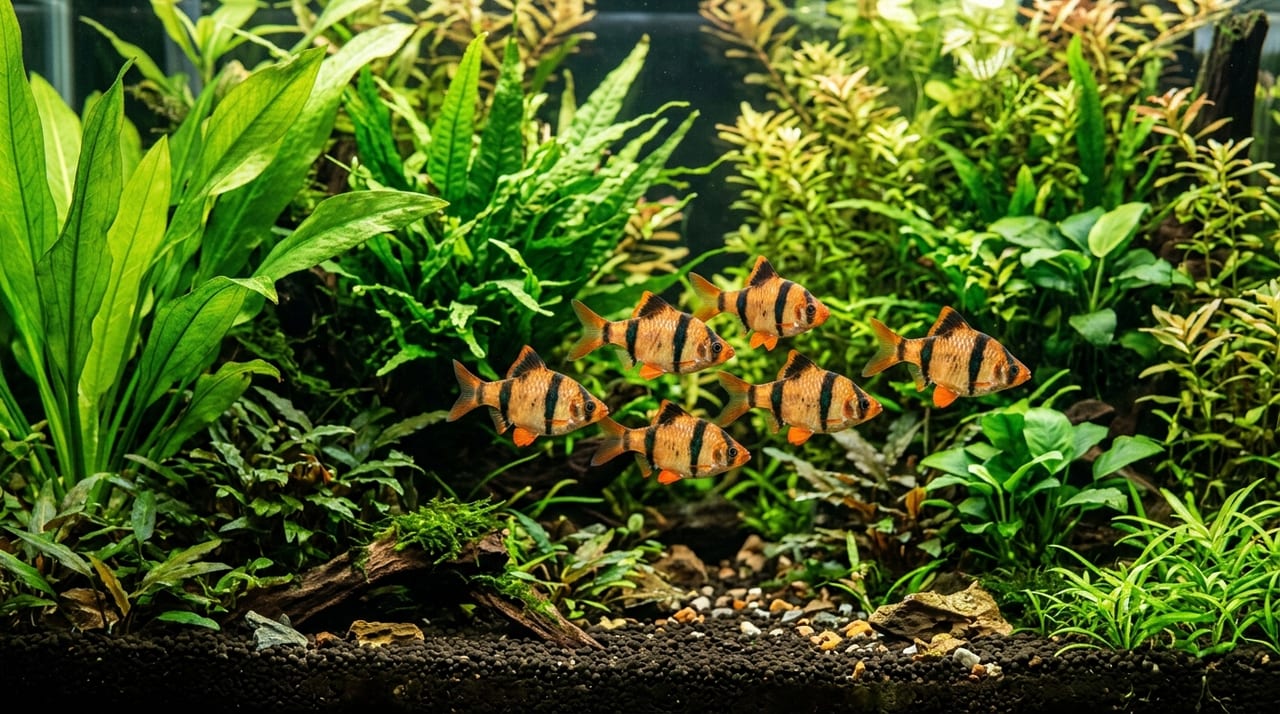
- Tiger: Orange base with black tiger stripes
- El Silverado: Bright white neon lines
- Stardust: Metallic sheen scattered throughout
- Moss Green: A strain with striking green coloration
To establish a preferred color line, cross individuals displaying the target pattern and repeat selective breeding over 3–4 generations.
Broodstock Health Management
Sex Ratio Balance
Overly aggressive male harassment depletes females. Maintain a 1 male : 2–3 female ratio, or temporarily separate females after parturition to allow recovery.
Nutritional Management
Regularly supplement breeding females with protein-rich live food (brine shrimp and daphnia) to improve brood size and fry quality.
Generational Replacement Timing
Broodstock fertility declines after 1–1.5 years. Consistently maintain candidates for next-generation breeding stock and plan generational transitions accordingly.
Common Problems and Solutions
| Problem | Cause | Solution |
|---|---|---|
| Fry disappear | Consumed by broodstock or tankmates | Increase plants, use isolation net |
| Low brood size | Malnutrition or stress | Add live food, ensure quiet environment |
| Faded coloration | Inbreeding or genetic decline | Introduce new bloodlines |
| Pregnant female dies | Difficult delivery or parasites | Stabilize temperature, salt bath treatment |
Summary
While Endlers are relatively easy for beginners to breed, maintaining N-class quality requires consistent selective breeding and record-keeping. Maximizing fry survival relies on abundant live plants and sponge filtration. Enjoy the breeding process while preserving beautiful color patterns for future generations.