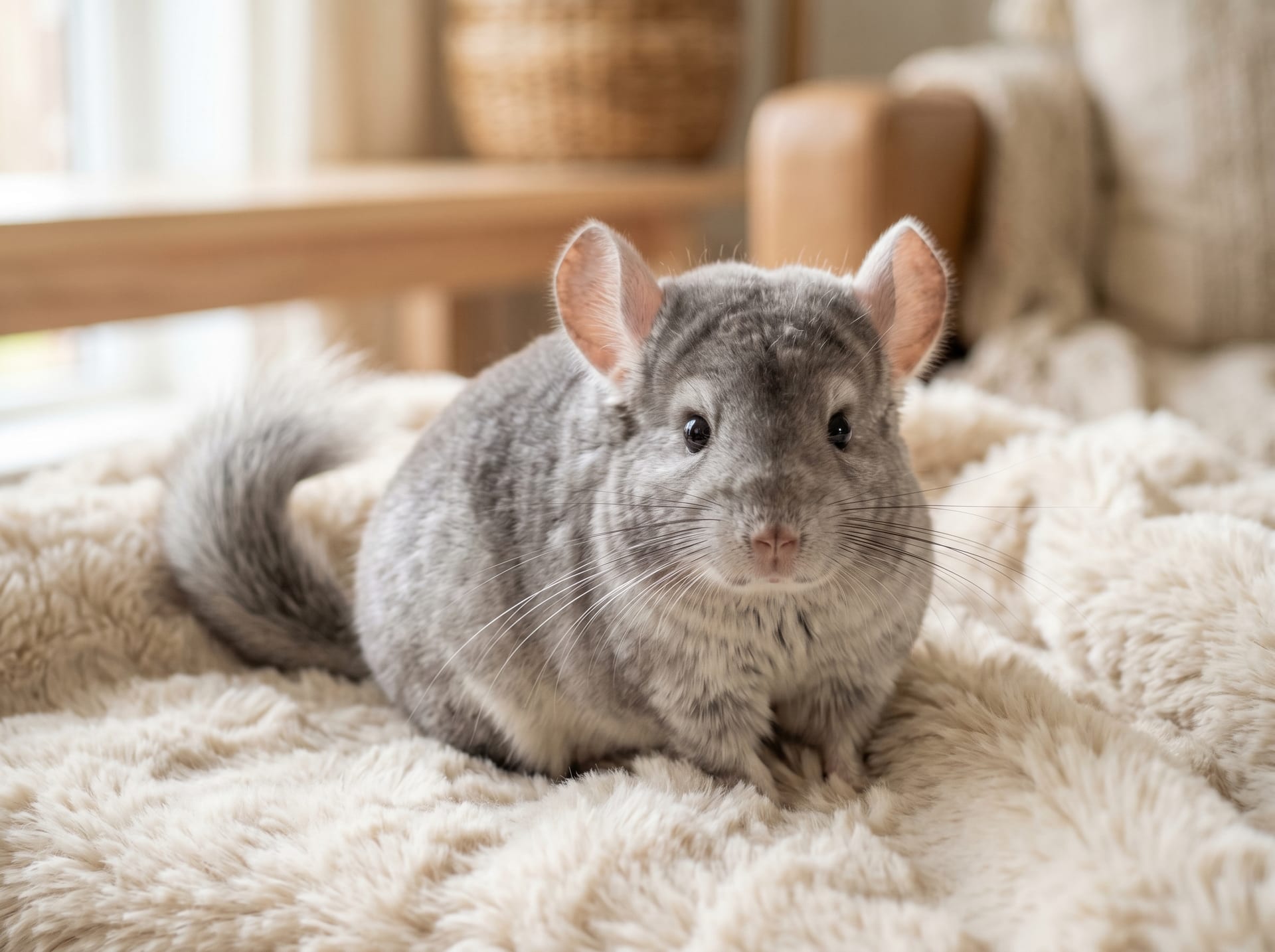
Famous for the softest fur in the animal kingdom. Exceptionally long-lived for a small animal at 15-20 years. Nocturnal and active. Daily dust baths keep them clean.
View Chinchilla encyclopedia →First 3 sales - 0% commission!Register as a breeder by July 31, 2026 and your first 3 sales are commission-free!
Breeder Wanted!
List on BreederDirect and sell directly to customers nationwide!
Every Small Pets listing from Breeder includes the information below. We guarantee transparency through health checks, vaccinations, microchips, and more.
Price
Region
Attributes
Adjust your filters, or get notified when new listings arrive.
Getting alerts is free with a member account. When new listings match your saved search, we'll notify you by email and in-app.
Are you raising small pets?
Register as a breeder and connect with buyers directly.
Chinchillas are native to the high Andes of South America, where they evolved at altitudes of 3,000–5,000 meters in cold, arid conditions. To survive these extremes, they developed an extraordinarily dense coat — up to 60 hairs per follicle — widely regarded as the softest fur of any land mammal. Historically prized for luxury fur, chinchillas were once hunted to near extinction in the wild, but today they thrive as popular pets in a range of color varieties beyond their natural gray, including white, ebony, and violet. In temperament, chinchillas are curious and intelligent but can be cautious with new people; patient, consistent handling gradually builds trust and often brings out a surprisingly affectionate side. Their long lifespan and specific care requirements — dust baths, strict temperature control, and a hay-based diet — make them a moderately demanding pet, but one that rewards committed owners with years of engaging companionship.
115–20 Year Lifespan
Chinchillas can live 15–20 years with proper care, making them one of the longest-lived small animals. Welcoming one into your home is a long-term commitment that spans decades. Consider your future lifestyle and circumstances carefully before deciding to adopt.
2Heat and Humidity Sensitivity
Chinchillas evolved in the cool, dry Andes highlands and are highly sensitive to heat and humidity. Temperatures above 25°C or humidity over 60% can quickly become dangerous. Year-round climate control, ideally keeping the room at 20–23°C, is essential for their wellbeing.
3Daily Dust Baths Required
Chinchilla fur is so dense that it dries slowly when wet, making water baths a health risk. Instead, they require dust baths using fine chinchilla-specific powder 3–5 times per week to keep their coat clean and oils balanced. A dedicated dust bath container and proper chinchilla sand are essential supplies.
4Nocturnal by Nature
Chinchillas are nocturnal, spending most of the day sleeping and becoming active in the evening and overnight. Disturbing them during their rest period causes stress and can impact their health. If nighttime activity noise is a concern, consider where you place their cage carefully.
5Fragile Bones, Handle Gently
Chinchillas have delicate, easily fractured bones that require careful handling at all times. Dropping them from height or gripping their body too firmly can cause serious injury. Until they are fully tame, handle them close to the ground and avoid restraining them forcefully.
View Chinchilla encyclopedia entry →
Care difficulty, lifespan, size and diet — all basics covered.
Complete Chinchilla Care Guide | Temperature Management, Sand Baths, Diet, Cages, and Health
A complete guide covering temperature management (18–22°C), sand baths, timothy hay-based diet, cage selection, leveraging their social nature, and common diseases—useful for beginners and intermediate keepers.
Small Pets: Beginner's Guide to 5 Recommended Species | Differences and How to Choose Between Hamsters, Rabbits, Guinea Pigs, Chinchillas, and Degus
A comprehensive comparison of the 5 most popular species (hamsters, rabbits, guinea pigs, chinchillas, and degus) for first-time small pet owners, covering difficulty level, cost, lifespan, tameness, and temperature management needs. Find the perfect pet for your lifestyle.
Beginner's Guide to Chinchilla Care | Temperature Management, Dust Baths, Diet, and Cage Setup Tips
A beginner-friendly guide to basic chinchilla care. We explain temperature management precautions since they are sensitive to heat and humidity, daily dust bathing methods, hay-based diet management, step installation in cages, and considerations for sociability and multi-pet housing.
Hamster Stress Behaviors & Signs Complete Guide | Rabbits, Chinchillas & More by Species
Learn to identify stress signs in hamsters, rabbits, chinchillas, ferrets, and guinea pigs by species. Discover how to distinguish dangerous behaviors such as cage bar chewing, foot thumping, refusal to dust bathe, and excessive hiding, along with species-specific solutions and guidelines for when to seek veterinary care.
6Space to Climb and Explore
Chinchillas are highly active and love to climb, so a tall, multi-level cage is strongly recommended. Daily free-roaming time outside the cage helps reduce stress and keeps them mentally stimulated. Before allowing them to roam, secure electrical cords and block any gaps or hazards they could chew or get stuck in.
7Dental and Digestive Health
Chinchilla teeth grow continuously throughout their life and must be worn down naturally through constant access to timothy hay as their dietary staple. A lack of fiber can lead to digestive problems and dental malocclusion. Keep treats and grains to a minimum, and prioritize a simple hay-based diet for long-term health.
Complete Chinchilla Care Guide — Temperature Management, Dust Bathing, Socialization & Longevity Tips
Comprehensive care guide for chinchillas (lifespan 15–20 years): temperature management, dust bathing routines, diet, socialization, and common beginner mistakes to avoid.