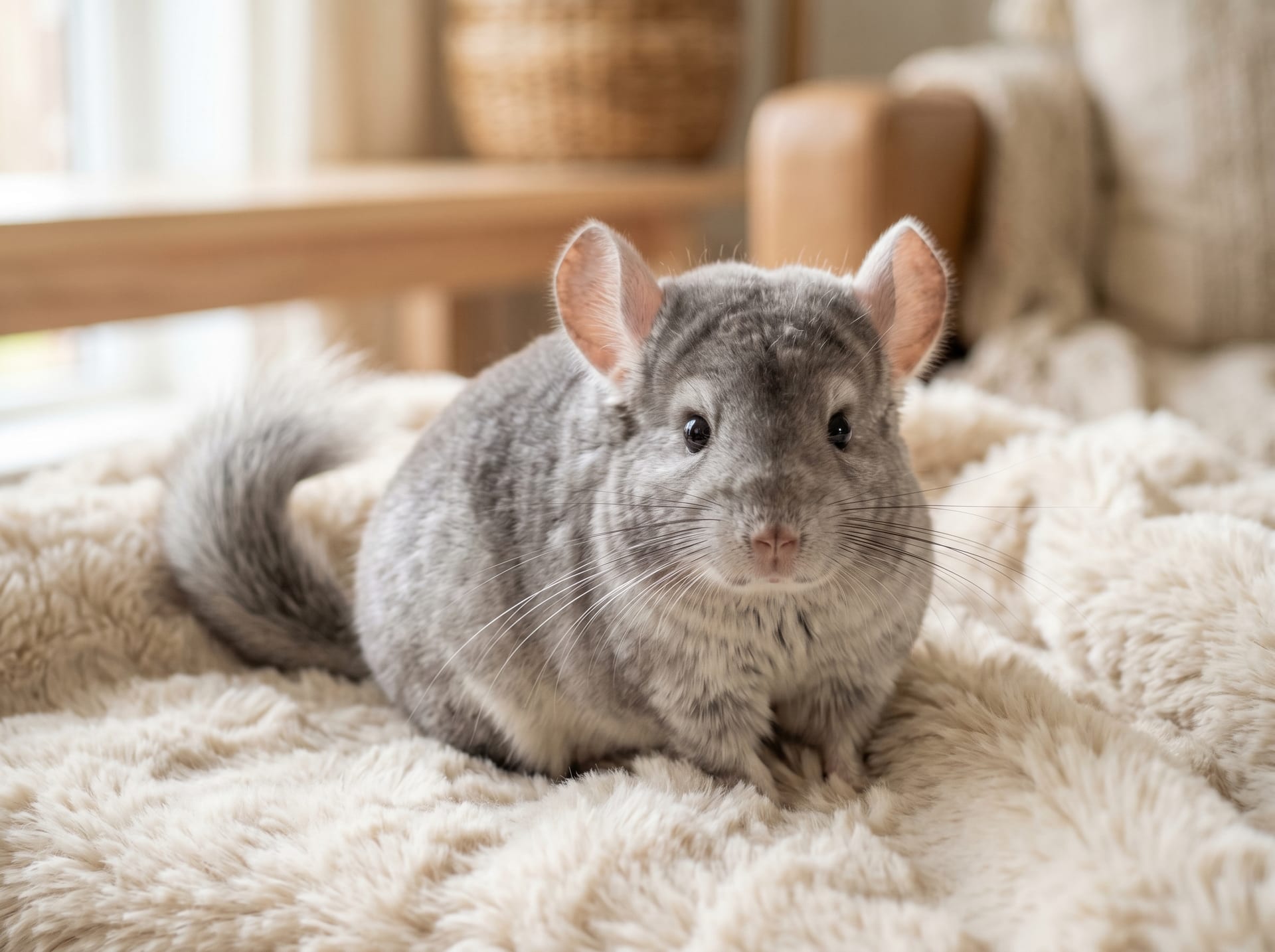
Chinchilla Care Guide — Temperature, Dust Baths & Longevity Tips
Chinchilla care guide: temperature and humidity control, dust bath practices, diet, and health management for longevity.
Key Takeaways
Chinchilla care guide: temperature and humidity control, dust bath practices, diet, and health management for longevity.
Related Species
The Complete Guide to Chinchilla Care
Chinchillas are small animals native to the Andes Mountains in South America, characterized by their soft, beautiful fur and adorable expressions. With proper care methods in place, you can help your chinchilla live a long, healthy life of 10+ years. This guide provides essential knowledge for raising a healthy and happy chinchilla.
The Importance of Temperature and Humidity Control
In chinchilla care, environmental management is the most critical factor. Since the Andes Mountains—their native habitat—are cool and dry, keeping indoor conditions as close as possible to this environment is key to maintaining their health.
Ideal Temperature and Humidity Levels
| Item | Condition | Precautions |
|---|---|---|
| Temperature | 15–23°C (59–73°F) | Risk of heatstroke above 25°C (77°F) |
| Humidity | 40–60% | Skin disease risk above 70% |
| Seasonal | Heating in winter | Avoid sudden temperature changes |
Temperature Management Tips: - Use air conditioning to maintain consistent temperatures year-round - Place the cage away from direct sunlight - Avoid locations near windows or heaters - Monitor thermometers and hygrometers regularly
High temperatures and humidity easily lead to respiratory diseases and skin conditions. Chinchillas have poor thermoregulation abilities, so special care is needed, particularly during the rainy season and summer months. Consistent humidity management is essential.
Dust Bathing Methods and Frequency
Chinchilla fur is extremely dense (60+ hairs grow from a single follicle), and washing with water makes it difficult to dry and can cause skin disease. Therefore, dust bathing is essential to keep their fur clean.
How to Conduct Dust Baths
Use specialized dust bath sand and follow these steps:
- Choosing the right sand: Select volcanic ash sand designed specifically for chinchillas (not human dust bath sand)
- Location: Prepare a dedicated dust bath container (recommended size: 30cm wide × 20cm deep × 15cm high)
- Duration: 10–15 minutes per session, 2–3 times per week is ideal
- Sand management: Replace with fresh sand each time (reusing is not acceptable)
- Supervision: Monitor your chinchilla during dust baths and check for any abnormalities
Dust bathing is a natural instinctive behavior for chinchillas and also helps reduce stress. Providing a daily dust bathing environment maintains beautiful fur and healthy skin.
Appropriate Diet
A balanced diet is the foundation of a chinchilla's health.
Main Foods and Nutritional Balance
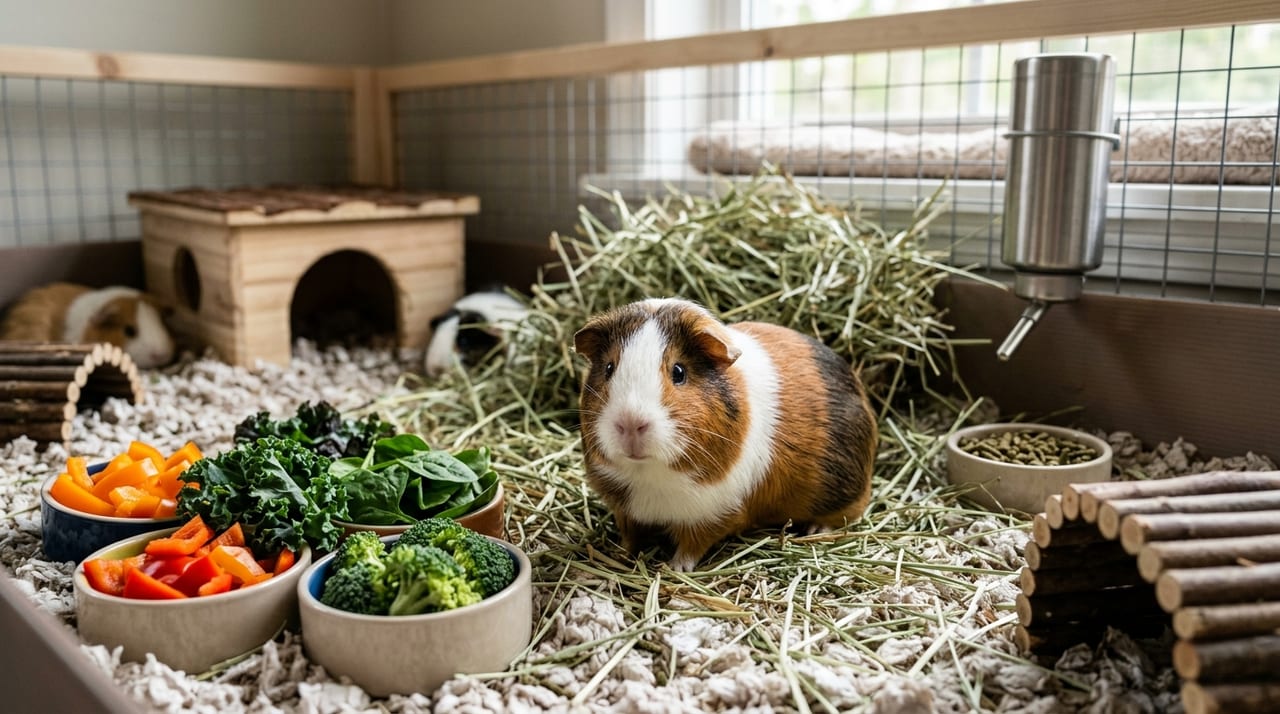
Specialized pellets: High-quality chinchilla pellets, approximately 15–30g per day - Low fat (5% or less) - High fiber (crude fiber 20% or higher) - Protein content 12–16%
Hay: Timothy hay as the primary hay, provided in adequate quantities daily - Prevents molar overgrowth - Maintains digestive system health - Ensures adequate dietary fiber
Treats and supplements (1–2 times per week, small amounts): - Dried fruits: raisins, dried apples, etc. - Vegetables: carrots, broccoli, etc. - Nuts: almonds (low-fat varieties)
Foods to avoid: - High-moisture vegetables (lettuce, tomatoes) - High-fat foods - Foods with pesticide residue - Chocolate and caffeine-containing foods
Provide fresh water at all times and check the water dispenser's cleanliness daily. Both obesity and malnutrition shorten a chinchilla's healthy lifespan.
Health Management for Longevity
Raising a chinchilla for 10+ years requires daily health checks and preventive measures.
Daily Health Observations
- Daily checklist: appetite, fecal condition, fur quality, activity level, vocalizations
- Weekly full-body checks: weight measurement, skin and ear abnormalities, tooth condition
- Cage cleanliness: daily fecal removal, weekly complete cleaning
Prevention and Care Measures
Regular veterinary checkups: - Health examination within one month of purchase - Annual or semi-annual checkups thereafter - Seek immediate veterinary care if you notice any abnormalities
Common health problems and prevention: - Malocclusion (overgrown teeth): prevent with hard hay, regular veterinary checks - Respiratory disease: maintain proper temperature and humidity, ensure good cage ventilation - Skin disease: maintain dust bath environment, reduce stress - Diarrhea: provide fresh food, avoid sudden dietary changes
Stress reduction: - Create a calm, quiet environment - Allow approximately one hour of exercise time daily - Assess compatibility with other chinchillas carefully
Conclusion
With proper care methods, chinchillas can live a beautiful, healthy, and long life as wonderful pets. Precise temperature and humidity control, an appropriate dust bathing environment, nutritionally balanced diet, and loving daily health monitoring—these are all essential to building a long and happy relationship with your chinchilla. Your responsibility and commitment as a pet owner is reflected in your relationship with your animal. Cherish the precious time you spend with your chinchilla.