Chinchilla Care Guide | Sand Baths, Temperature Management, and Diet Tips | ブリちょく
Small Animals| ✍️ BreederDirect Editorial
Chinchilla Care Guide | Sand Baths, Temperature Management, and Diet Tips
A comprehensive guide to the frequency of sand baths, proper temperature (18-22°C), diet management centered on timothy hay, and the importance of cage size and exercise for raising chinchillas.
Key Takeaways
A comprehensive guide to the frequency of sand baths, proper temperature (18-22°C), diet management centered on timothy hay, and the importance of cage size and exercise for raising chinchillas.
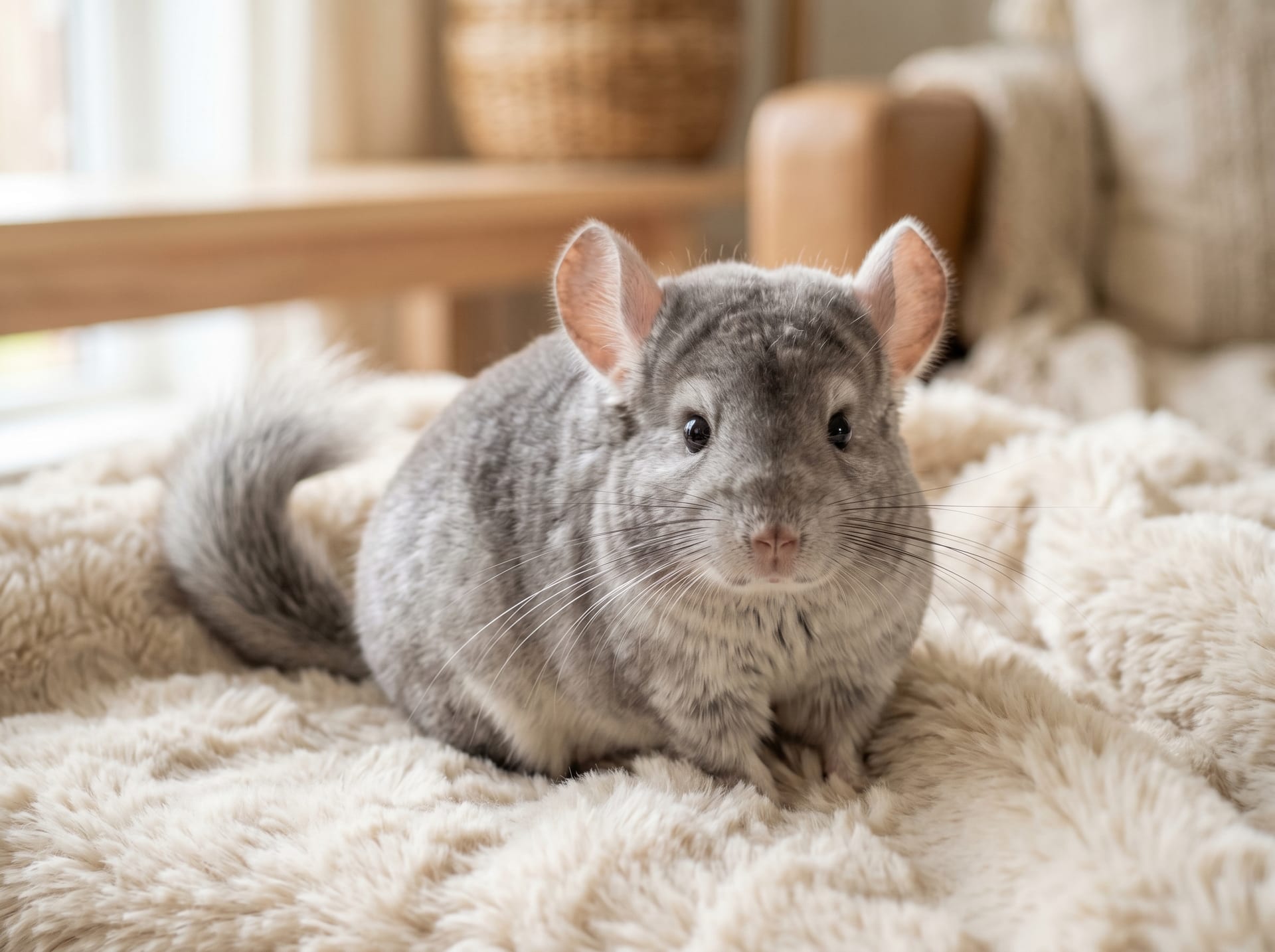
The chinchilla is a small animal native to the high-altitude regions of the Andes Mountains in South America, known as "the animal with the softest fur in the world." With approximately 20,000 hairs per square centimeter densely packed together, their fur is as smooth as silk. Characterized by adorable round eyes, large ears, and a fluffy tail, chinchillas have become increasingly popular as pets in recent years.
✍️
BreederDirect Editorial
The BreederDirect editorial team specializes in care information for animals, covering veterinary care and breeding to deliver beginner-friendly guides.
Find Small Animals on BreederDirect
Buy directly from verified breeders
Browse Related Listings
Find Small Animals listings related to this article on BreederDirect. Buy directly from verified breeders.
However, due to their delicate constitution, proper knowledge and environmental setup are essential for keeping chinchillas. In particular, temperature and humidity control is critical to their survival. This article provides a clear explanation of the basic care points for those considering bringing a chinchilla into their home.
---
Chinchilla Basic Profile
Let's first understand the basic characteristics of chinchillas before bringing one home.
Lifespan: 10-15 years (individuals in proper environments may live close to 20 years)
Weight: 400-600g (females tend to be slightly larger than males)
Activity Time: Nocturnal. Most active from evening through night
Vocalization: Relatively quiet, easy to keep even in apartment buildings
Sociability: Although they are herd animals, they can be kept successfully as single individuals
The long lifespan of over 10 years is one of the distinctive features of chinchilla care. While it's easy to think "it's just a small animal, so no big deal," it's important to be prepared to welcome them as a partner that requires long-term commitment.
Additionally, chinchillas are sensitive to stress. Rapid environmental changes, loud noises, and contact with unfamiliar people can cause them to become ill, so it's important to maintain a stable daily routine.
---
Temperature and Humidity Control: A Matter of Life and Death
The most important aspect of chinchilla care is temperature and humidity control. Chinchillas evolved to adapt to the cool climate of the Andes highlands and are extremely sensitive to Japan's hot and humid summers. Neglecting this aspect can, in the worst case, be fatal.
Proper Temperature and Humidity Guidelines
Item
Proper Range
Upper Limit
Temperature
18-22°C
Dangerous above 25°C
Humidity
40-60%
Avoid above 60%
Chinchillas have very few sweat glands and are extremely poor at regulating body temperature. When the temperature exceeds 25°C, the risk of heat exhaustion (heat stroke) increases dramatically, causing symptoms such as lethargy and rapid breathing. If this occurs, immediately move your chinchilla to a cool location and contact an animal hospital.
Summer Precautions
Air conditioning must run 24/7. Do not turn it off when you're away
Position the cage where air conditioning air does not blow directly on it
As a precaution against power outages, place ice packs wrapped in towels near the cage
Install a thermometer and humidity gauge near the cage for constant monitoring
Complacency, thinking "it will be fine," can lead to accidents. Remember that for chinchillas, Japan's summer is a life-threatening season.
---
Maintaining Beautiful Fur with Sand Baths
Sand bathing is an essential care practice for maintaining a chinchilla's beautiful fur. Wild chinchillas roll their bodies in fine volcanic ash sand to remove sebum and excess moisture from their fur. This behavior remains the same in captivity.
Proper Sand Bathing Technique
Frequency: 2-3 times per week, approximately 10-15 minutes per session
Type of Sand: Use fine volcanic ash sand specifically for chinchillas (commercially available as "chinchilla sand")
Container: An enclosed sand bath container that prevents sand from scattering is ideal. Transparent containers make it easy to observe their behavior
Sand Management: Replace when dirt or moisture becomes noticeable (approximately once per week)
During sand bathing, chinchillas roll around in the container, coating their entire body with sand. This sight is adorable and is one of the joys of keeping chinchillas.
Important Notes
Never wipe their body with water or wet towels. Chinchilla fur is extremely dense and takes a very long time to dry once wet. Prolonged moisture can cause skin inflammation and fungal infections, so avoid water bathing altogether.
---
Setting Up the Cage Environment and Exercise Space
Chinchillas are active animals that enjoy vertical movement. Providing a proper cage and exercise space contributes to their health and mental well-being.
Cage Selection Tips
Size: A tall, vertical cage of at least 90cm height is ideal. Prioritize vertical space over horizontal space
Shelves and Platforms: Install multiple shelves at different heights to enable vertical movement
Bedding: Fleece mats or wooden stages are appropriate. Avoid slatted floors, as claws can catch in the gaps, risking fractures
Exercise Wheel: A large wheel with a diameter of at least 35cm. It's important to choose a size that doesn't bend their spine
Important Notes on Free-Roaming (Room Playtime)
"Free-roaming," where you let your chinchilla out of the cage several times a week to walk freely around the room, is effective for preventing exercise deficiency and relieving stress. However, the following points require attention.
Cords: Since they have a chewing habit, always cover or hide power cables
Gaps: They can become trapped in gaps between furniture and walls
Escape Prevention: Be careful about leaving doors and windows open
Timing: Since they are nocturnal, they will happily play during evening to night hours when they're most active
---
Diet Management | Proper Feeding to Protect the Digestive System
Chinchillas are herbivores with delicate digestive systems, so diet requires special attention. Improper diet can cause diarrhea or digestive problems and, in worst cases, intestinal blockage.
Main Diet
Timothy Hay (First Cutting): The main staple, comprising most of their diet. Provide unlimited amounts at all times and constantly replenish with fresh hay. Rich in fiber and effective for preventing tooth overgrowth
Chinchilla-Specific Pellets: Approximately 1 tablespoon (about 10-15g) per day. Provide as nutritional supplement
Treats and Supplementary Foods
Dried Vegetables and Dried Fruits: Offer as occasional treats in small amounts. Overfeeding can cause obesity and dental problems
Rose Hip: Effective for vitamin C supplementation. Recommended 1-2 pieces a few times per week
Foods to Avoid
Foods to Avoid
Reason
Fresh Vegetables and Fresh Fruits
High water content causes diarrhea
Sugary Snacks and Sweet Fruits
Risk of obesity, dental problems, and digestive failure
Seeds and Nuts
High fat content puts excessive strain on digestion
Avocado and Onions
Risk of toxicity
Always provide fresh water using a water bottle (drinking bottle). Bowl-type containers easily become contaminated with sand and hay, so nozzle-type bottles are more appropriate.
---
Br-Choku's Safe and Secure System
Because chinchillas are delicate animals, it is extremely important to acquire a healthy individual from a trustworthy breeder. Br-Choku provides a platform where you can purchase directly from breeders who specialize in breeding and raising chinchillas.
Benefits of Direct Breeder Sales
Clear Health Management: Breeders understand each individual's upbringing and health status and can provide detailed information before purchase
Socialized Individuals Available: Choosing animals accustomed to humans helps them adapt quickly to new environments
Wide Variety of Colors and Lines: Choose from many color variations including standard gray, black velvet, violet, and ebony
Care Advice Available: Consult directly with experienced breeders about care methods tailored to your region's climate and living conditions
After-Sales Support: Build a relationship where you can ask breeders questions about care even after purchase
The possibility of finding rare colors and lines (bloodlines) that are difficult to obtain at pet shops expands when purchasing directly from breeders. Please start your long life with a chinchilla through Br-Choku for the best possible beginning.