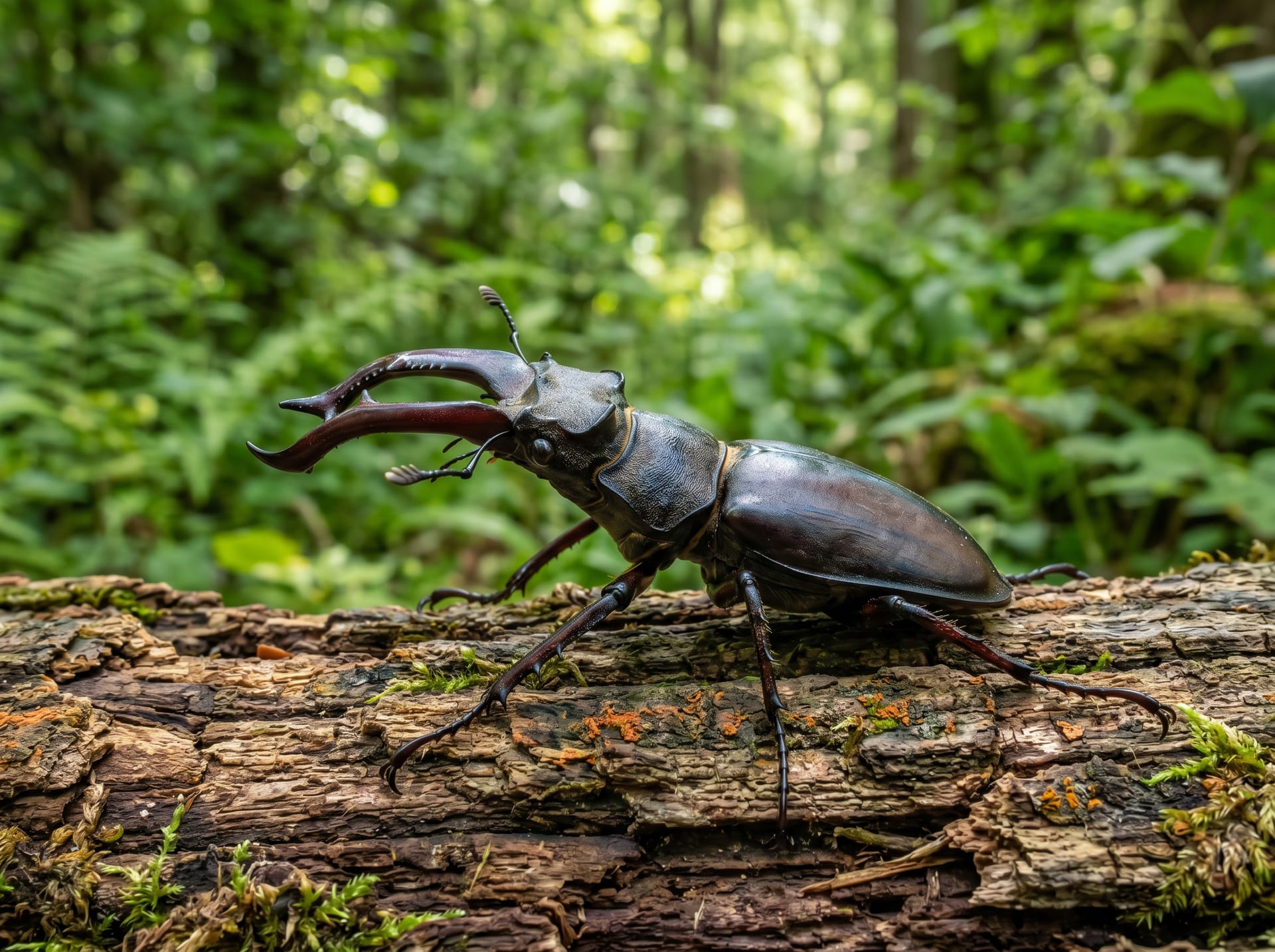
Stag Beetle
Stag beetles are popular insect pets prized for their powerful mandibles, with many species available from Japanese native varieties like Dorcus hopei to exotic tropical types. They can be kept relatively easily with a proper enclosure, insect substrate, and wood chips. Lifespan varies by species from a few months to several years, making them rewarding to raise and observe.
0% commission on your first sales!Register by September 30, 2026 and your first 2 sales are commission-free!
Breeder Wanted!
List on BreederDirect and sell directly to customers nationwide!
6 Transparency Standards You Can Trust
When listing Insects, Breeders disclose the following. We guarantee transparency on growth stage and breeding unit.
- Life Stage Clarity
- Generation Info
- Real Photos
- Breeding Unit
- Country of Origin
- Body Length (mm)
Browse all 26 breeds
No listings match your filters
Adjust your filters, or get notified when new listings arrive.
Getting alerts is free with a member account. When new listings match your saved search, we'll notify you by email and in-app.
Browse other categories
Verified breeders (preview)
About Stag Beetle
Stag beetles belong to the family Lucanidae and are most recognizable by the dramatically enlarged mandibles found on males, which are used for combat with rival males and securing access to tree sap. Japan is home to approximately 40 species, with Dorcus hopei (Oowakugata), Dorcus titanus (Hirata), and Prosopocoilus inclinatus (Nokogiri) among the most well-known. Adults are active during summer and are particularly attracted to the sap of oak and sawtooth oak trees. Larvae develop inside decaying wood, breaking down fungal matter and playing an important role in forest ecosystems. One of the greatest appeals of keeping stag beetles is witnessing the full cycle of metamorphosis—from egg to larva to pupa to adult—up close. They are also relatively quiet and low-odor, making them well-suited to apartment living and enjoyable for keepers of all ages.
Featured breeders for Stag Beetle
7 things to know before welcoming a Stag Beetle
1Choosing the Right Species
Stag beetles vary widely between Japanese native species and exotic imports in terms of care difficulty and temperature requirements. Beginners are advised to start with native species like Dorcus hopei or Dorcus rectus, which are more forgiving of temperature fluctuations.
2Temperature Control Is Key
Most stag beetles are sensitive to heat, and keeping temperatures below 28°C during summer is essential for their health. Tropical exotic species, on the other hand, are vulnerable to cold. Research the optimal temperature range for your specific species before purchase.
3Substrate and Breeding Logs
A proper setup requires fermented insect substrate and oviposition logs for breeding. Different species prefer different log hardness and substrate fermentation levels, so research the needs of your species. Regular misting is necessary as dry substrate can lead to failed egg-laying and molting problems.
4Larval Stage: Fungal Bottles
For raising large adults, fungal bottles using species like Pleurotus eryngii or Trametes versicolor mycelium are more effective than fermented substrate. Bottles need periodic replacement, and the ideal fungal species varies by beetle species. The upfront cost is higher, but it significantly affects adult size.
5Adult Lifespan and Hibernation
Some species like Dorcus hopei can live two to three years and naturally enter a dormant hibernation phase in winter. During hibernation they stop eating, but keep the substrate moist to prevent dehydration. Adjusting your care routine between active and dormant seasons helps extend their lifespan.
6Never House Males Together
Male stag beetles will fight aggressively with their mandibles, so they must always be housed separately. Even male-female pairing should be limited to short supervised periods for breeding purposes. Flat stag beetles in particular are known to injure females, so monitor pairings closely.
7Feeding and Appetite Cues
Adult stag beetles primarily eat insect jelly, with high-protein varieties recommended around the breeding season. A sudden drop in appetite may signal the onset of hibernation or a health issue — check temperature and humidity. Replace jelly every two to three days to prevent bacterial growth.
Frequently asked questions about Stag Beetle
- Q.How long do stag beetles live?
- A.Lifespan varies significantly by species. Adult Nokogiri stag beetles typically live for only a few months, while Oowakugata adults can live 2–5 years. Including the larval stage, Oowakugata may take 1–3 years to develop from egg to adult.
- Q.Can I keep multiple stag beetles together?
- A.Males will fight aggressively and should not be kept together in the same enclosure. Females are more tolerant of each other but may still conflict in small spaces. Unless breeding, individual housing is generally recommended for each beetle.
- Q.How should I manage wintering?
- A.Species that overwinter, such as Oowakugata, become dormant in the substrate once temperatures drop below 15°C. During this period, reduce feeding frequency and simply prevent the mat from drying out. Avoid keeping them too warm indoors, as disrupting the hibernation cycle can deplete their energy reserves.
- Q.How do I get my stag beetles to breed?
- A.After confirming mating, transfer the female to a breeding setup with an appropriately prepared laying log (soft or hard wood depending on species) and fermented mat. Maintain proper temperature and humidity, then check for larvae by dismantling the setup after 1–2 months. Research the preferred wood type and hardness for your specific species before setting up.
- Q.My stag beetle stopped moving. Is it dead?
- A.During cold periods, beetles may become completely motionless while burrowed in the substrate, which is normal dormant behavior. Gently touching a leg can help you check for a response—if it reacts, it is likely still alive. If there is no response and the body feels dry and light, the beetle may have passed away.
Useful tools for Stag Beetle care
Stag Beetle related articles
DIY Fermented Substrate Guide | How to Make Your Own Substrate for Rhinoceros Beetle and Stag Beetle Larvae
Learn how to make your own fermented substrate for breeding rhinoceros beetle and stag beetle larvae. We explain material selection, fermentation procedures, and breeder tips to avoid common mistakes in easy-to-understand language.
The Difference Between Wild-Caught (WF) and Captive-Bred (CB) Beetles | Essential Knowledge Before Purchasing Stag Beetles and Rhinoceros Beetles
Explaining the difference between "Wild-Caught (WF)" and "Captive-Bred (CB)" stag beetles and rhinoceros beetles. We break down how to choose when purchasing and important considerations from a breeder's perspective.
Educational Benefits of Raising Insects with Children | Learning the Value of Life Through Beetles and Stag Beetles
This article explains the educational benefits of raising beetles and stag beetles with your children, and provides easy-to-understand tips for enjoying insect care as a family.
Breeder's Guide to Selling Stag Beetles and Rhinoceros Beetles | Listing, Pricing, and Packaging Tips
A basic guide to selling stag beetles and rhinoceros beetles as a breeder. This article explains pricing strategies, how to select individuals, packaging, and transaction precautions.
Japanese Stag Beetle Larva Rearing Guide | Fungal Substrate Bottles, Substrate Mat, Temperature Management and Tips for Raising Large Individuals
Detailed explanation of how to raise Japanese stag beetle larvae. Covers the difference between fungal substrate bottles and fermented substrate mats, replacement timing, temperature management, tips for raising large individuals, and management methods from pupation to emergence.
Insect Import Restrictions and Invasive Species Law | Prohibited Importation of Japanese Beetles, Stag Beetles, and Hercules Beetles and Fundamental Legal Knowledge
Explanation of insect import restrictions (Plant Protection Law, Invasive Species Law). Rules for prohibited importation of Japanese beetles, stag beetles, and Hercules beetles, precautions during international travel, appropriate ways to enjoy legally imported foreign insects, and the importance of native species conservation.
More in this category
Can't find the one you're looking for?
Post your wishes for free and breeders with matching animals will contact you with introductions.